How Many Days in Faro? One, Two or Three Days
One day in Faro covers the old town and the Ria Formosa waterfront; two adds the islands and a museum. Work out how many days in Faro your short break needs.
On this page
Two days is the right answer for most travellers: one full day covers the Cidade Velha, the Sé de Faro and the marina waterfront, and a second adds the Ria Formosa islands or a museum at an unhurried pace. One day works if Faro is a stop before the airport, while three days only earns its keep if you want slow mornings, a boat trip and time for the eastern Algarve.
This guide sets out what each day covers, how the city's compact layout affects your count, and when Faro deserves more than a night before a flight. It is written for a short break of one to four days, so the trade-offs matter more than a long list of sights.
How many days in Faro you actually need
Faro is small and walkable, and its headline sights sit close together inside and around the old walls. The Cidade Velha, the cathedral and the marina form a natural half-day circuit, which is why one full day is enough to see the centre properly. A second day is the sensible choice for anyone who wants the lagoon islands or a museum without rushing the old town.
Think in full days rather than nights. A late arrival and an early flight can leave you with a single usable day, so build the plan around what you can walk between breakfast and dinner. If you are weighing up whether the city merits the trip at all, a separate guide asks is Faro worth visiting and sets out what it does well.
What one day in Faro covers: Cidade Velha, the Sé and the marina
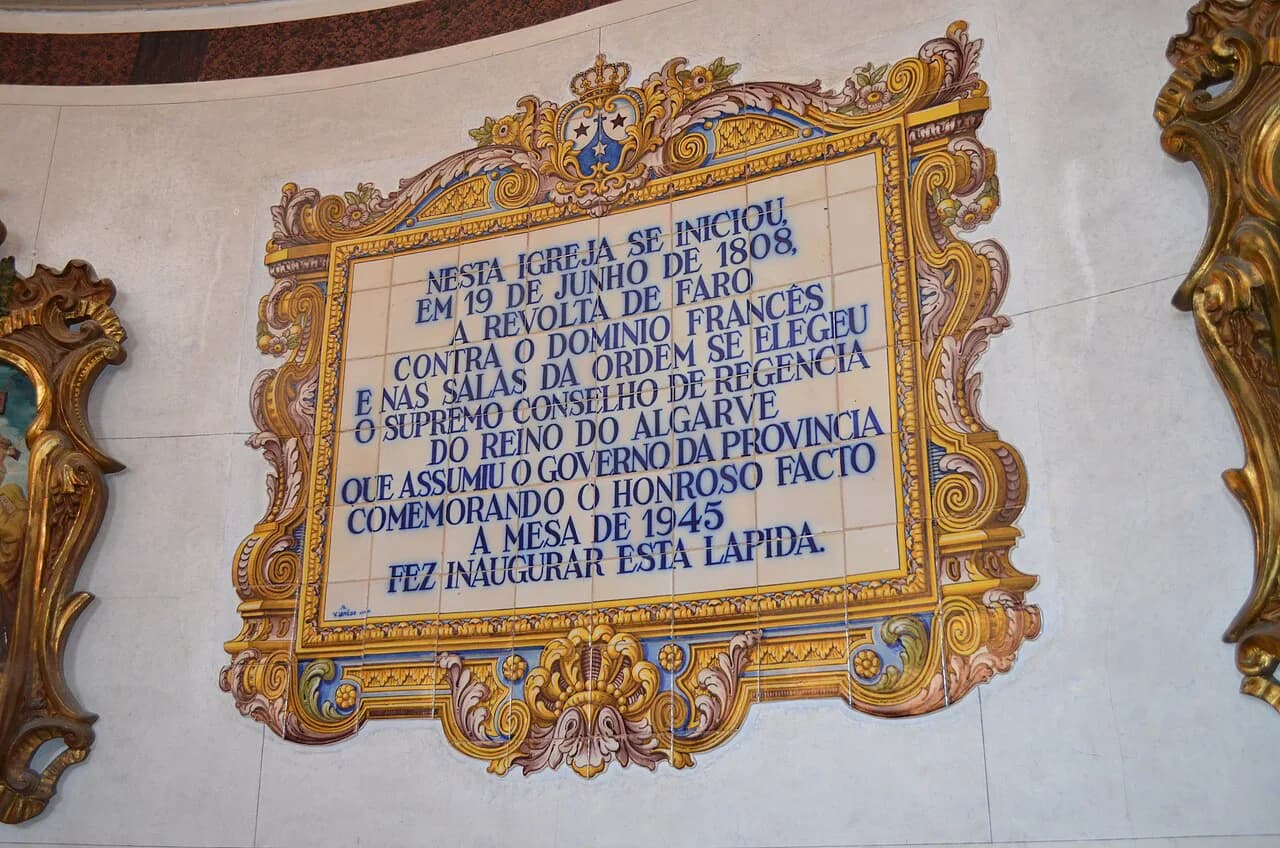
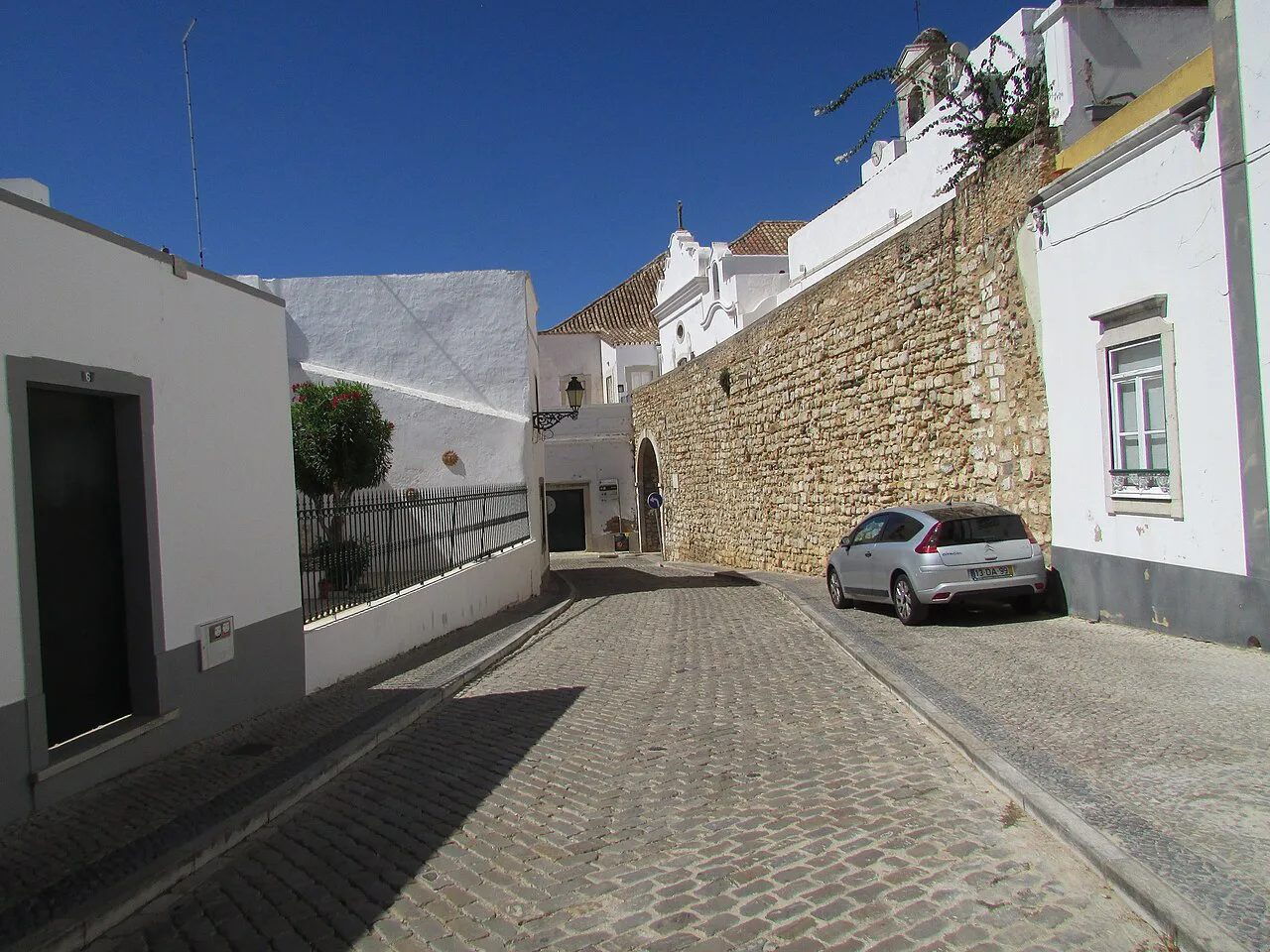
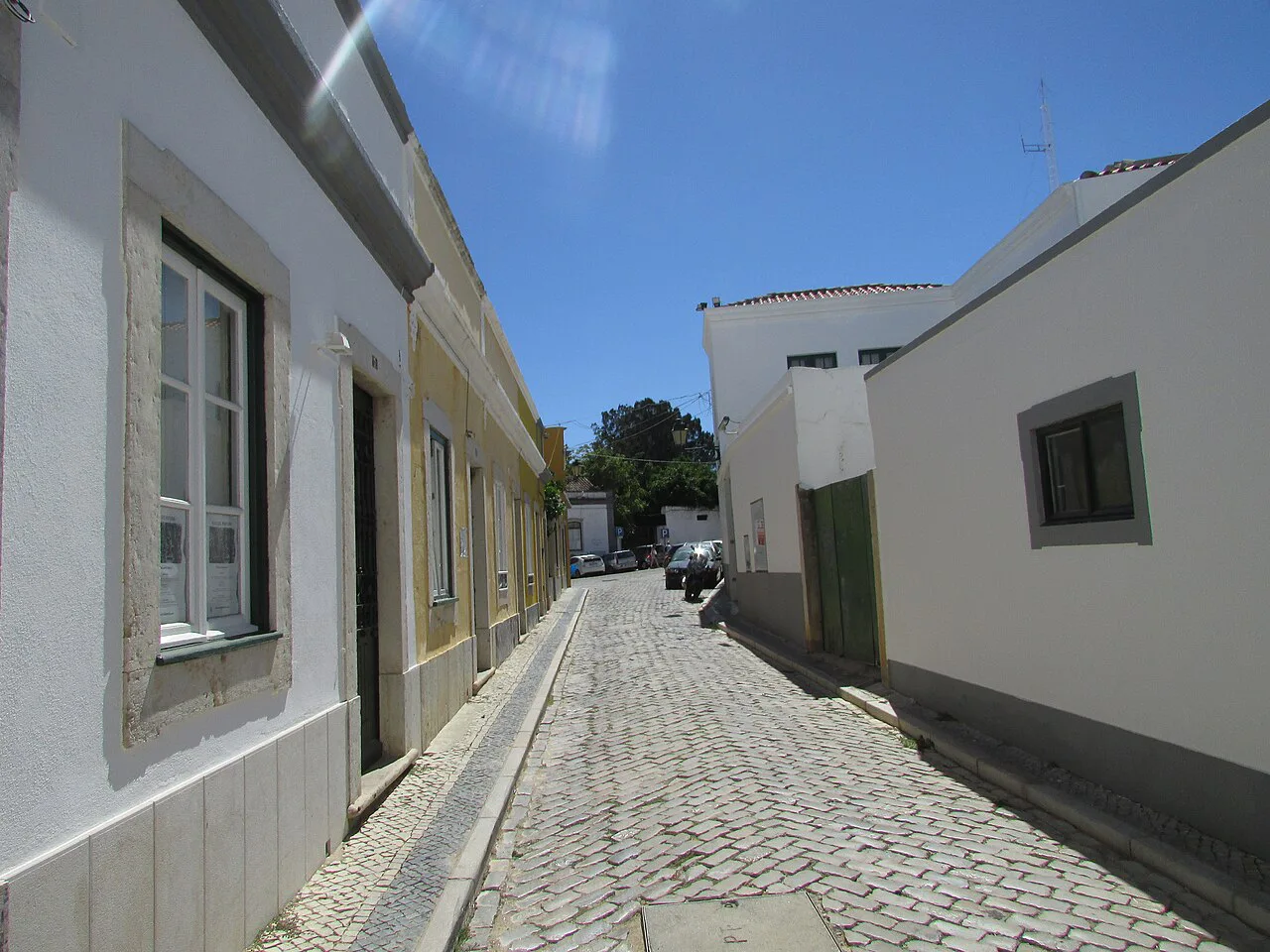
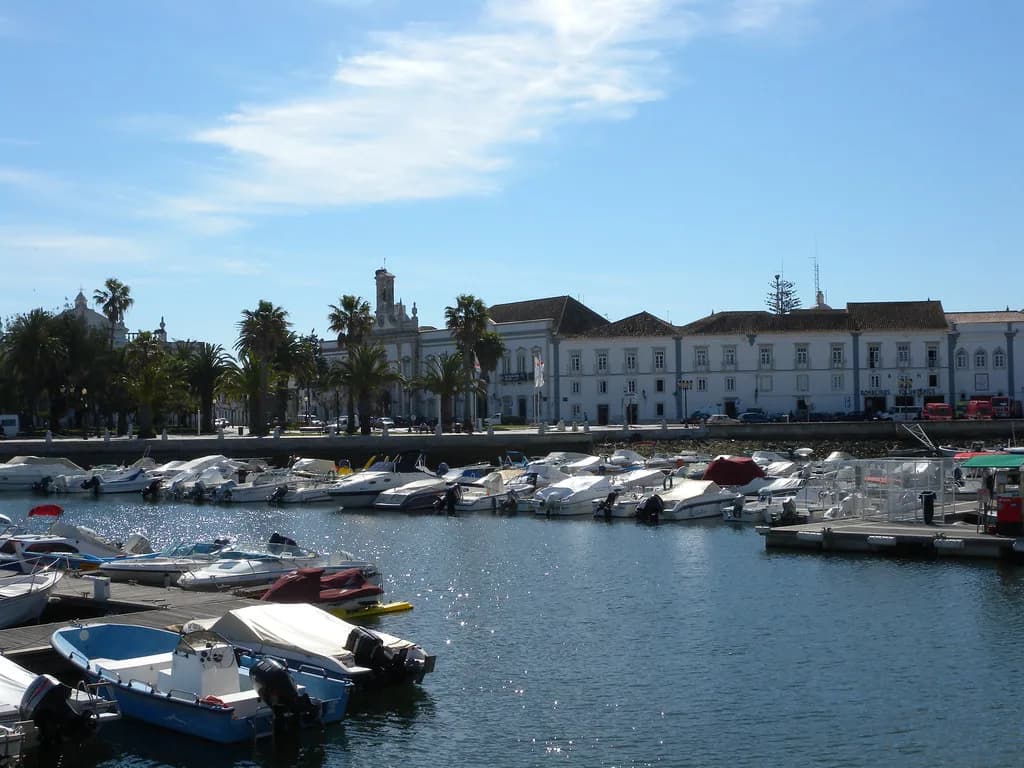
Start inside the old walls. The Cidade Velha (old town) is entered through the Arco da Vila, and the lanes behind it lead to the Sé de Faro, the cathedral, and the Largo da Sé square. Allow a couple of hours to wander without a fixed route, then walk out to the marina for the waterfront and the Ria Formosa views.
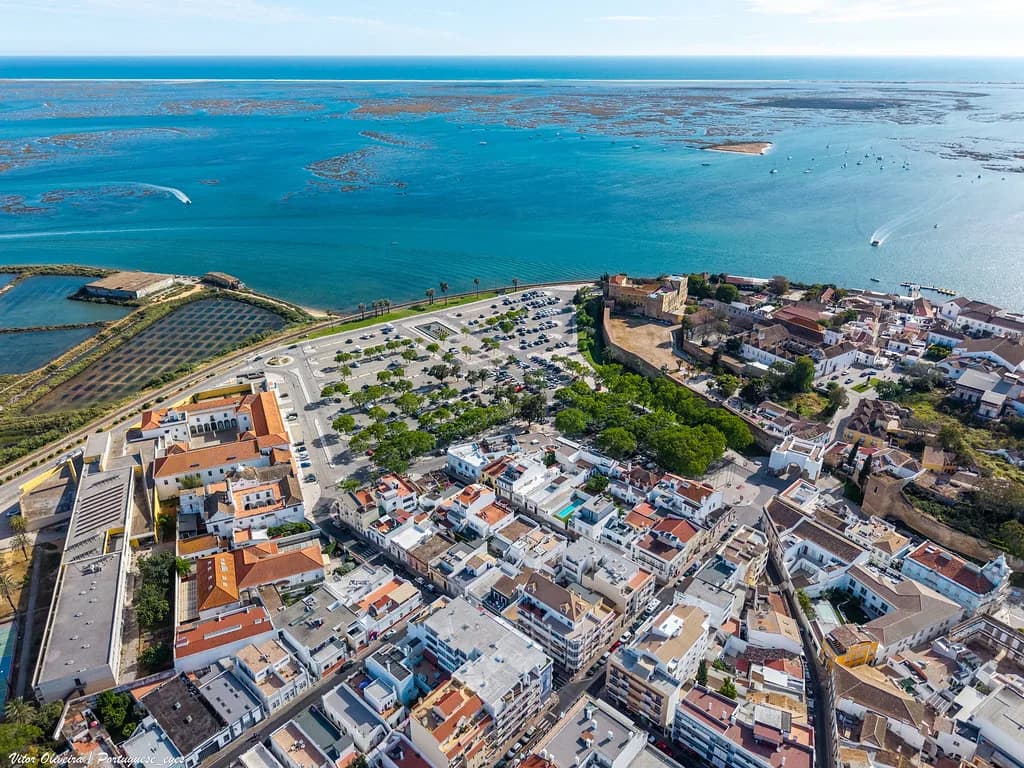
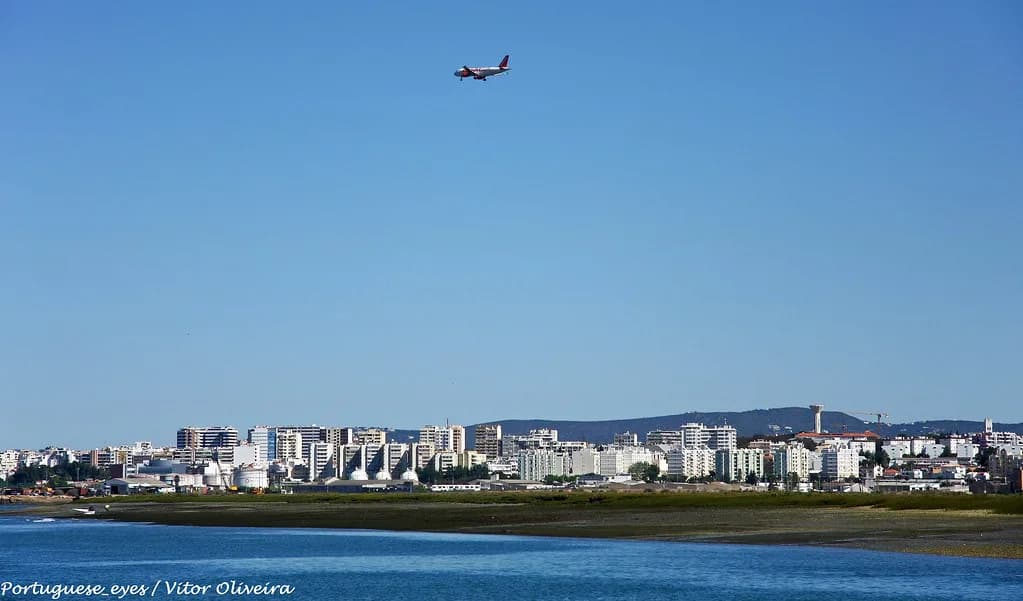
Faro's position on the edge of the Ria Formosa, the protected lagoon of barrier islands, explains the waterfront's character: this is a working small city facing mudflats and channels rather than a resort strip. A single day cannot fit both the old town and a boat out to the islands, so choose one and do it properly. The marina is the natural place to end the afternoon.
The Arco da Vila gate and the lanes behind it are the core of the walk, with the cathedral square as the pivot. Keep the day on foot: the centre is compact enough that a car becomes a liability once you are inside the walls.
What a second day adds: the Ria Formosa islands and Faro's museums
The second day is where Faro opens up. Boats from the city run out into the Ria Formosa to the barrier islands, and a half-day on the water or on a quiet beach is the main reason to stay another night. Pair that with one museum in the afternoon rather than trying to fit several.
Faro's museums reward a slower second day. The Museu Municipal de Faro, housed in the Convento de Nossa Senhora da Assunção, holds archaeology and painting, and the Capela dos Ossos behind the Igreja do Carmo is a small, sobering stop. Opening days and any admission charges are set by each venue, so check directly before you build a day around one.
If you are still deciding between a one-day dash and a proper two-day stay, treat the boat as the deciding factor. A three-day road-trip outline for Faro and the Algarve shows how the city slots into a wider drive, with the historic centre as the first stop before the coast.
What a third day adds and when three days is too many for Faro
Three days is more than Faro's own sights need. The extra day makes sense if you want a second boat trip, a long lunch by the marina and an afternoon in a museum without watching the clock, or if you plan to use the city as a base for the eastern Algarve. If your only goal is the old town and one island, a third day will feel padded.
Treat the third day as a day out rather than a day in Faro. Tavira, further east along the same lagoon system, is the obvious comparison, and a side-by-side look at Faro vs Tavira helps you decide where to put the extra night.
How Faro's layout and size shape your day count
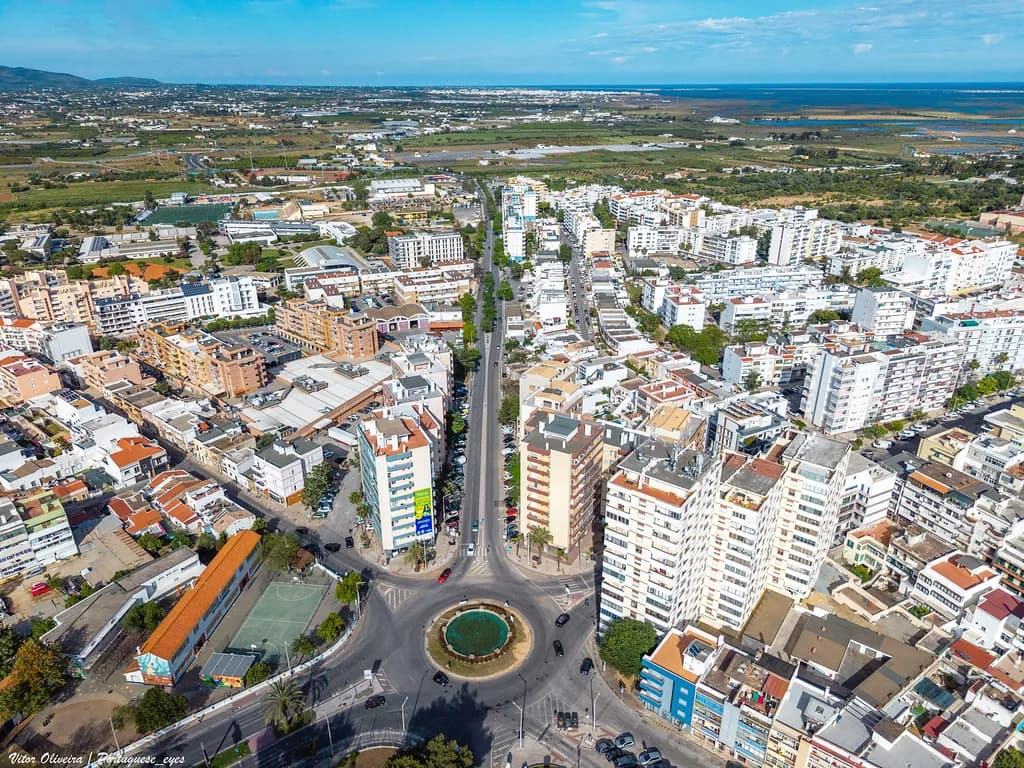
Faro's centre is flat and compact, with the old town, the cathedral, the marina and the shopping streets within an easy walk of each other. That compactness is the reason one day covers the headline sights: you spend time looking rather than travelling. The trade-off is that the things which stretch a visit, the islands and the museums, are either offshore or indoors, so they need planning rather than wandering.
The airport sits close to the city, which is why so many travellers treat Faro as a pause before or after a flight. If that is your plan, one day is usually plenty and a second night only makes sense when a boat trip is on the list. A weekend guide sets out a fuller two-day shape for a Faro city break.
When Faro is worth more than a stop before the airport
Faro is worth more than an airport stop when you want the lagoon rather than the beach resorts. The Ria Formosa islands give you sand and water without the built-up strip, and the old town gives you a working Portuguese city centre to walk in the evening. Travellers who simply want a base for golf or nightlife will find a night or two is enough here.
It is also worth extending if you are arriving by train from Lisbon and want to break the journey somewhere small rather than push straight on to the coast. The Lisbon to Faro train puts the city within reach for a two-night stop.
Budget matters in that decision. Faro's costs are lower than the busiest Algarve resorts, and is Faro expensive works through what a short break actually adds up to before you commit to extra nights.
Faro with a car versus on foot: how that changes the plan
On foot, Faro is a one- to two-day city. The old town, the marina and the museums are close enough that you never need to move the car, and parking in the centre is a chore rather than a help. Leave the car at the hotel and walk.
With a car, the day count changes because the region opens up. A drive along the Algarve coast or into the hills can fill a third day easily, and the same three-day road-trip outline treats Faro as a starting point for the wider region rather than the destination itself. The trade-off is that driving days and walking days compete for the same hours, so decide before you book whether the car is for the city or for the coast.
If you are torn between two Algarve bases, comparing Faro vs Lagos shows how the eastern lagoon city differs from the surf-and-cliffs west.
Book two nights, or one if the flight is the point
Two days is the honest recommendation: one for the Cidade Velha, the Sé and the marina, one for the Ria Formosa or a museum. Take one day if Faro is a pause around a flight, and add a third only if you have a car or a boat trip in mind.
If you want a day-by-day shape to copy, the Faro Itinerary breaks the city into walkable mornings and afternoons, and One Day in Faro trims it to the essentials. Confirm museum opening days and any admission charges with each venue before you travel, since these change.
Explore more Faro guides
Frequently Asked Questions
Can you see Faro in one day?
Yes. One full day covers the Cidade Velha inside the Arco da Vila, the Sé de Faro and the cathedral square, then the marina waterfront. It does not leave time for a boat out to the Ria Formosa islands, so choose the old town or the lagoon.
Is two days in Faro too many?
No. Two days lets you see the old town at an easy pace on day one and spend day two on the Ria Formosa or in a museum such as the Museu Municipal de Faro. It is the most comfortable length for a short break.
Should I stay in Faro or use it as an airport stop?
Stay if you want the lagoon islands and a walkable old town; treat it as an airport stop if the coast is your main destination. The airport is close, which makes a single night practical.
Sources
Notes for your next Portuguese break
Optional updates to our town guides.
You might also like
Continue reading
More guides you'll find useful