Is Faro Expensive? What a Short Break in Faro Costs
Faro is cheap for a western European city break: the old town costs nothing to wander, the bone chapel asks a few euros and tascas keep dinner prices modest.
On this page
Faro is not expensive by western European city-break standards. Most of what makes the place worth the trip — the walled Cidade Velha, the Arco da Vila gate, the marina and the gardens along the waterfront — costs nothing at all, and the handful of paid sights are small change rather than budget items.
This guide sets out what free wandering covers, what the ticketed sights ask, what coffee, lunch and dinner look like in euros, and how the airport run and a Ria Formosa boat trip sit in the budget. The aim is to let you see where a short break's money goes before you commit to anything.
What free things fill a day in Faro
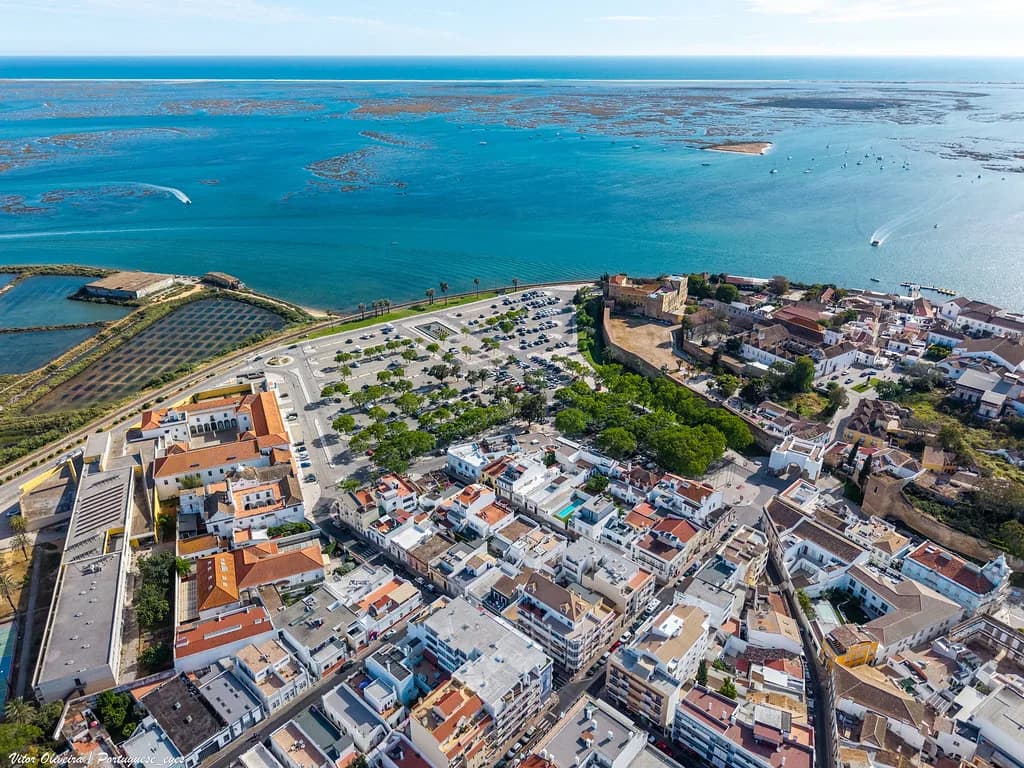
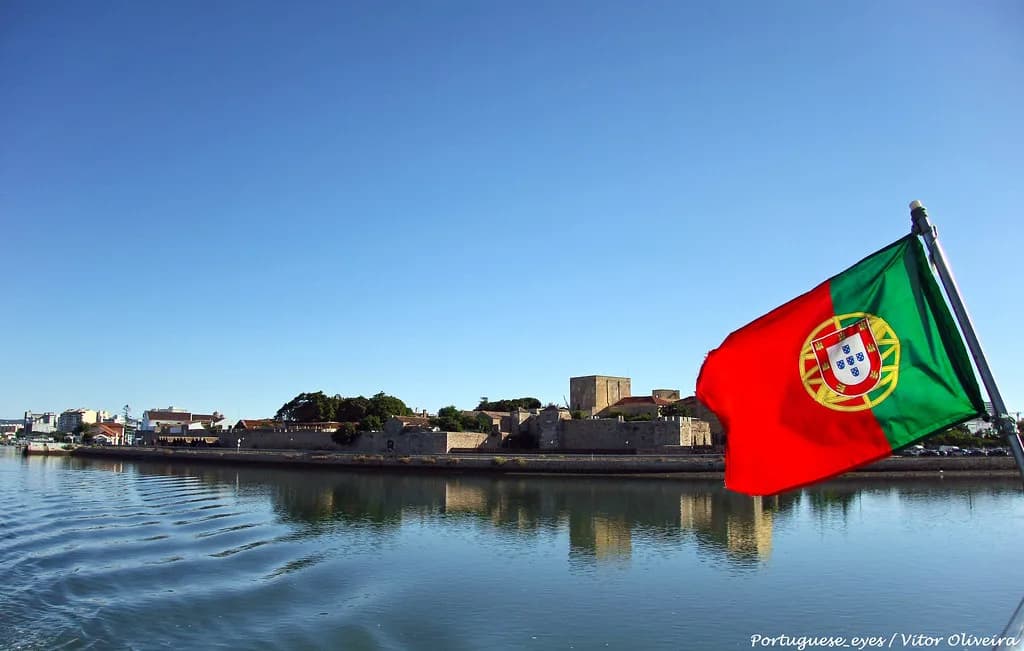
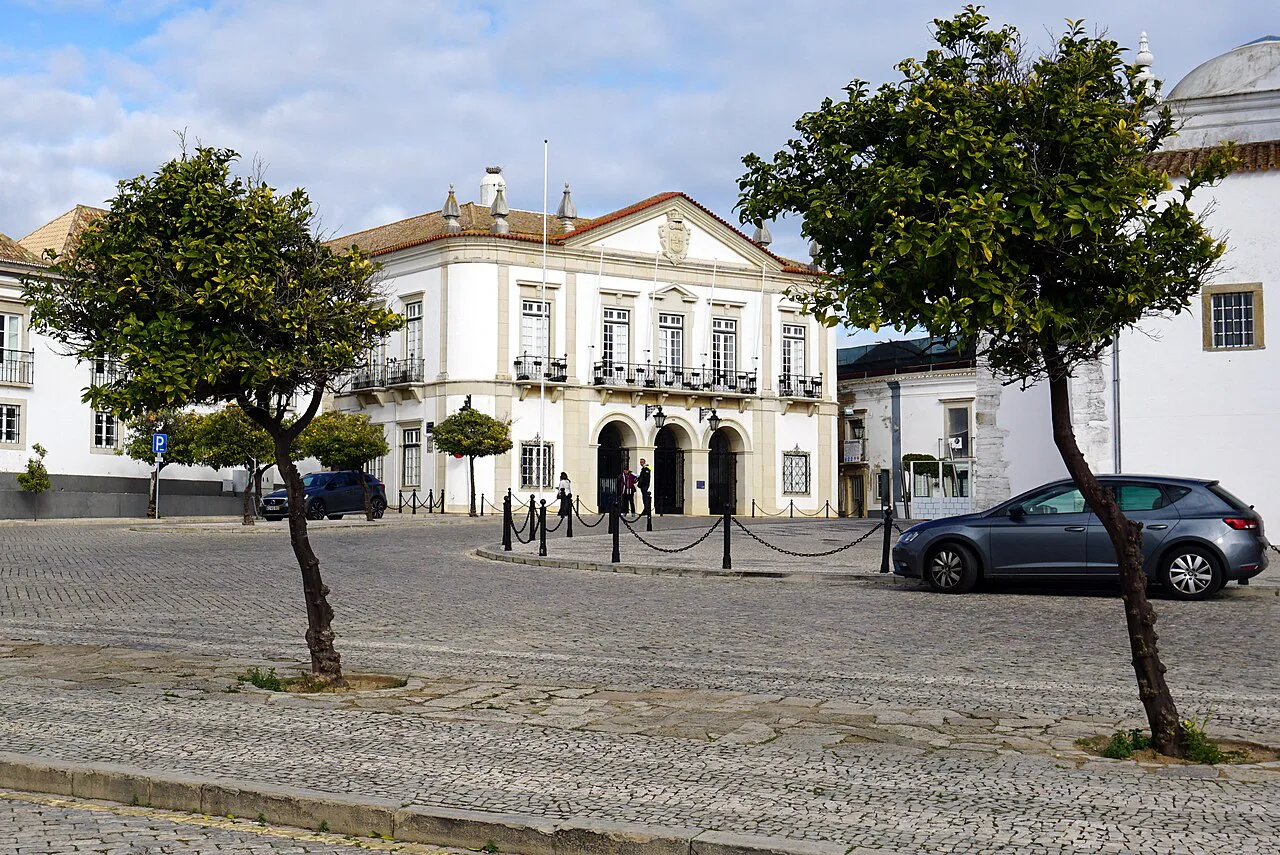
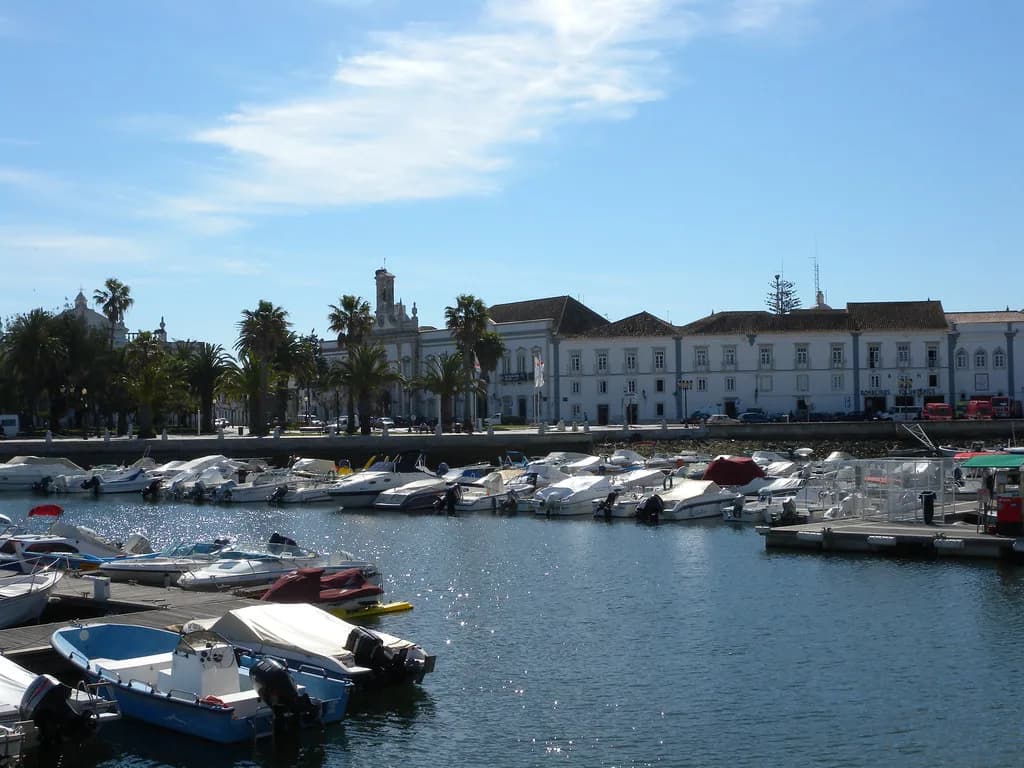
The historic core is the cheapest part of the trip. Faro's Old Town, the Cidade Velha, sits inside surviving Moorish walls, and you can walk in through the Arco da Vila and wander the cobbled lanes without paying a cent. The marina and the Jardim Manuel Bivar beside it are equally free, and they make a natural start or end point for a day on foot; our Faro Itinerary sets out a route through them.
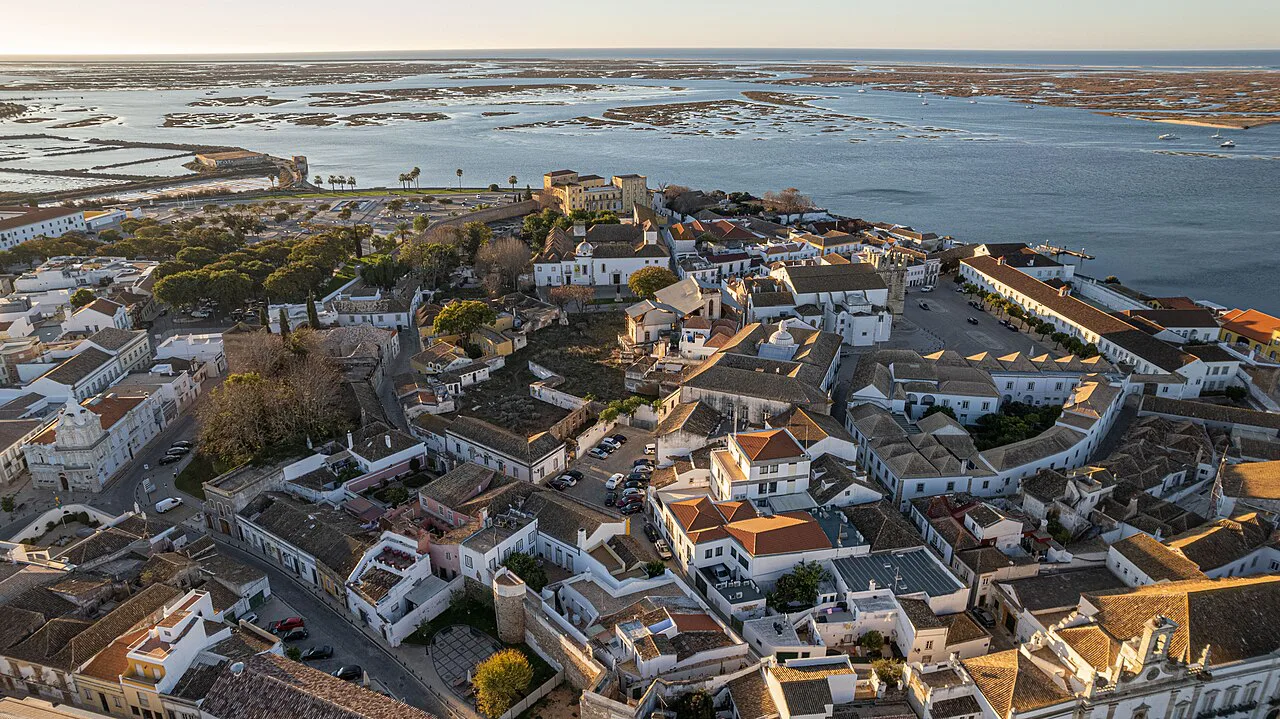
Beyond the walls, the Parque Natural da Ria Formosa is the city's other headline attraction: a lagoon system of roughly 65 square miles with barrier islands offshore. Looking at it costs nothing; reaching the islands is where money enters the picture.
A sensible plan is to build the day around these free anchors and slot paid sights in between, which is exactly what our One Day in Faro route does. If you are weighing up whether the city justifies the flights at all, the honest answer is that its value lies in the atmosphere rather than in big-ticket attractions.
What the paid sights cost: Capela dos Ossos, Sé and Museu Municipal
The sight most people come to see is the Capela dos Ossos at the Igreja do Carmo, a chapel lined with human skulls and bones. Visitors describe paying around three euros to go in, which is the loose order of magnitude the chapel works on rather than a fixed tariff.
The other named sights are similarly small-scale: the Faro Sé cathedral and its bell tower, and the Museu Municipal de Faro. These are paid sights, but no figure we can stand behind is fixed, so check the cathedral and museum at the door before you set out rather than budgeting on a number quoted online.
Coffee, breakfast and a casual lunch: what to expect to pay
Daytime eating is where Faro's low-cost reputation really holds. The city has a dense spread of cafes, pastelarias and small restaurants for its size, and the guide's shortlist includes Baixa and Chelsea for breakfast and O Costello for lunch with a view over the water. Those are pointers to the kind of places that keep the daily food spend down, not a price list.
The pattern to expect is a cheap coffee and pastry stop, a simple lunch of grilled fish or a sandwich, and one proper sit-down meal in the evening. That rhythm is what makes a short break here feel affordable; a cafe breakfast and a snack lunch will not be the line that breaks the budget.
Dinner in Faro: tascas, cataplana and seafood
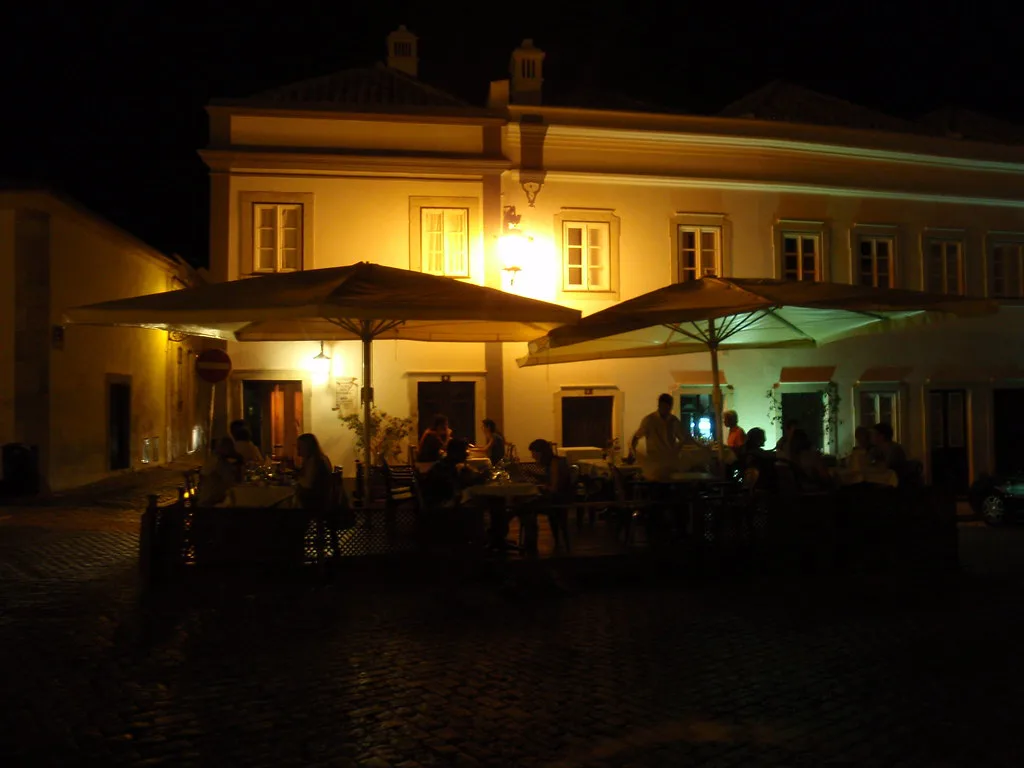
Dinner is the meal where costs can climb, mostly because Algarve seafood and a shared cataplana are the things worth ordering. A tasca — a plain neighbourhood eatery — is the value option, and the local shortlist points to Tasquinha Cruzeiro for Portuguese cooking, Cantinho for cataplana and Chefe Branco for somewhere that mostly feeds locals rather than visitors.
The practical trade-off is between a shared cataplana, which spreads the cost across the table and is the dish Faro is known for, and a single seafood main. Ordering one large shared dish plus a modest starter usually works out better than two separate fish courses. Restaurant prices change, so check the menu board outside before you sit down rather than relying on any figure quoted online.
Getting in from Faro airport and getting around on foot
The airport bus into the centre runs roughly every 30 to 60 minutes and costs €2.35, which is a trivial sum compared with a taxi. That fare applies to the airport service specifically, so do not assume other local routes cost the same.
Once you are in the centre, walking does the rest. The old town, marina and gardens sit within a compact area, so a short break here needs almost no local transport budget. If you are arriving from elsewhere in Portugal, the train is the other obvious way in.
Boat trips to the Ria Formosa islands and what they add to the budget
The one optional spend worth planning for is a boat out to the barrier islands, since Faro itself has no beach on its doorstep and the beaches sit offshore. Boats run to Praia da Culatra, Praia da Ilha do Farol and Ilha Deserta, and the crossing to Ilha Deserta takes around half an hour. Ilha Deserta lives up to its name, with a single restaurant and bar on the island.
Decide before you go whether the boat trip is part of the plan. It is the only item on a typical short break that behaves like a real excursion cost, and skipping it leaves the rest of the trip very cheap. If you would rather compare Faro with a resort town before committing, that comparison is a different question from daily costs.
Is Faro cheaper than the resort Algarve?
Faro has long been passed over in favour of resort towns such as Albufeira, and that is precisely why it stays cheaper. It is the region's working capital, with an international airport and rail links along the coast, rather than a purpose-built holiday strip, so the food and drink you buy is largely aimed at residents.
For a short break, the comparison that matters is with the resort Algarve rather than with Lisbon or Porto. The trade-off is that you get a real city with a walled old town and a lagoon on the edge rather than a beach at the door — and you pay less for the privilege. A nearby alternative, Tavira, follows a similar pattern.
Ways to spend less without missing the point of Faro
The cheapest strategy is also the best one: spend your days on foot in the Cidade Velha, along the marina and in the waterfront gardens, and pay only for the Capela dos Ossos and one or two small museums. Breakfast at a pastelaria and lunch at a tasca, then share a cataplana in the evening, keeps the food bill modest without eating badly. If you are weighing Faro against a resort, Faro vs Tavira is the closer comparison.
Choose how long to stay according to what you want to spend, not the other way round. One day covers the old town and the marina on almost no money; two or three days add the boat trip and a slower pace. Working out how many days in Faro you actually need is the single biggest lever on the total.
Is Faro the cheap short break you were after?
Yes, on the evidence of where the money goes: free walls, free marina, free lagoon views, a bone chapel for a few euros and everyday food priced for locals. The only spend that behaves like a proper excursion is the boat to the islands, and that is a choice rather than a necessity.
Explore more Faro guides
Frequently Asked Questions
Is the Algarve cheap to eat and drink?
In Faro, daytime eating is inexpensive: cafes, pastelarias and tascas keep coffee, breakfast and a casual lunch low. Dinner is where costs rise, especially if you order seafood or a shared cataplana. Resort towns elsewhere in the Algarve price differently, so judge each place by its own menus.
Is Portugal an expensive country to visit?
Portugal is generally moderate by western European standards, and Faro sits at the affordable end of that. The city's main sights are either free or a few euros, and its restaurants largely serve residents. Exact costs vary by region and season, so treat any single figure for the whole country with caution.
Can I live in Portugal on $3,000 a month?
That is a residency question rather than a short-break one, and it depends on the city, your housing and your lifestyle. Monthly cost-of-living estimates published for Faro are residency-style figures, not trip costs, and should not be used to budget a holiday. Research residency requirements separately from holiday planning.
Sources
Notes for your next Portuguese break
Optional updates to our town guides.
You might also like
Continue reading
More guides you'll find useful