Lisbon to Faro Train: Times, Fares and Which Station to Use
How the Lisbon to Faro train works, which Lisbon station to use, journey times, fares in euros and when the bus or car is the smarter choice.
On this page
The Lisbon to Faro train is an Intercidades express south from Lisbon, with a change onto the Algarve regional line at Tunes or Faro depending on the service, and the whole run takes a little under four hours for the typical journey. There is no dedicated high-speed Lisbon to Algarve line, so plan for a comfortable intercity seat rather than a quick sprint. This guide covers which Lisbon station to use, what the trip costs in euros, when tickets go on sale, and how the bus and car compare for a short Faro break.
Which Lisbon station do you leave from for Faro?
Algarve-bound express trains are run by Comboios de Portugal (CP), and Lisbon's main long-distance departure points are Lisboa Oriente, the big station in the eastern Parque das Nações district, and Lisboa Santa Apolónia closer to the old town. Check your own departure station on the ticket rather than assuming, because the two are several kilometres apart and connected by metro.
For a city break that starts or ends in Lisbon, Santa Apolónia is the more convenient of the two for Alfama and the Baixa, while Oriente suits anyone staying near the airport or Parque das Nações. Allow proper time to get across Lisbon in the morning peak if your train leaves early, and buy a metro or suburban ticket the day before so you are not hunting for machines with luggage.
How long the Lisbon to Faro train takes and where you change
Express services run from Lisbon to Tunes and Faro, where the regional Algarve line connects onward to towns along the coast. Because the regional trains are timed to meet the express arrivals, the change at Tunes is usually straightforward if you follow the timetabled connections rather than trying to improvise.
Compare the rail trip with the bus honestly. Lagos to Lisbon takes 3 hours 52 minutes by train and 3 hours 45 minutes by bus; Tavira to Lisbon takes 4 hours 2 minutes by train and 4 hours 15 minutes by bus. The difference is negligible, so comfort and where you end up matter more than raw speed.
The railway misses several of the Algarve's best-known resort towns: Albufeira sits about 7km from Ferreiras station, Vilamoura about 5km away, and Armação de Pêra about 8km. If your accommodation is in one of those, budget for a taxi from the station or choose the bus instead. Faro itself is the exception, with the station a short walk from the centre.

What the Lisbon to Faro train costs in euros
A single fare on the express from Lisbon to the Algarve costs €22 to €30 depending on your destination, booked with Comboios de Portugal (CP). Prices are dynamic, so the fare you see depends on how far ahead you book and how busy the service is.
Booking early is the single biggest lever on price. Seats on the express trains are limited, and popular services sell out in peak season, so book as soon as your dates are fixed rather than waiting until the day of travel. Fares bought in advance are usually cheaper than walk-up prices on the day.
Where to book and how far ahead tickets go on sale
Book direct with the operator, Comboios de Portugal, at cp.pt rather than through a reseller, which adds fees and complicates changes. Depending on the route, you may need to enter passenger details when booking and print your own ticket.
Intercidades and Alfa Pendular services have limited capacity and do not allow standing, so seats genuinely sell out in peak season. Book the outbound and return together if your dates are fixed. If you are weighing up how much the whole trip will cost, our guide to whether Faro is expensive breaks down the on-the-ground spending.
Faro station and the onward regional line along the Algarve
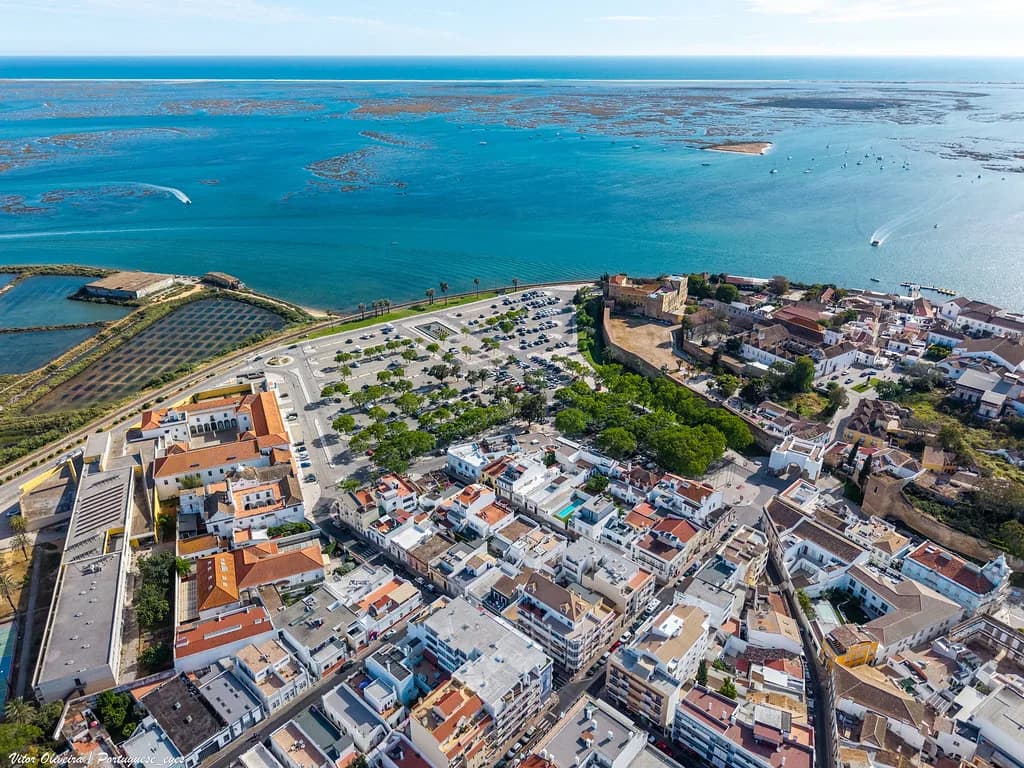
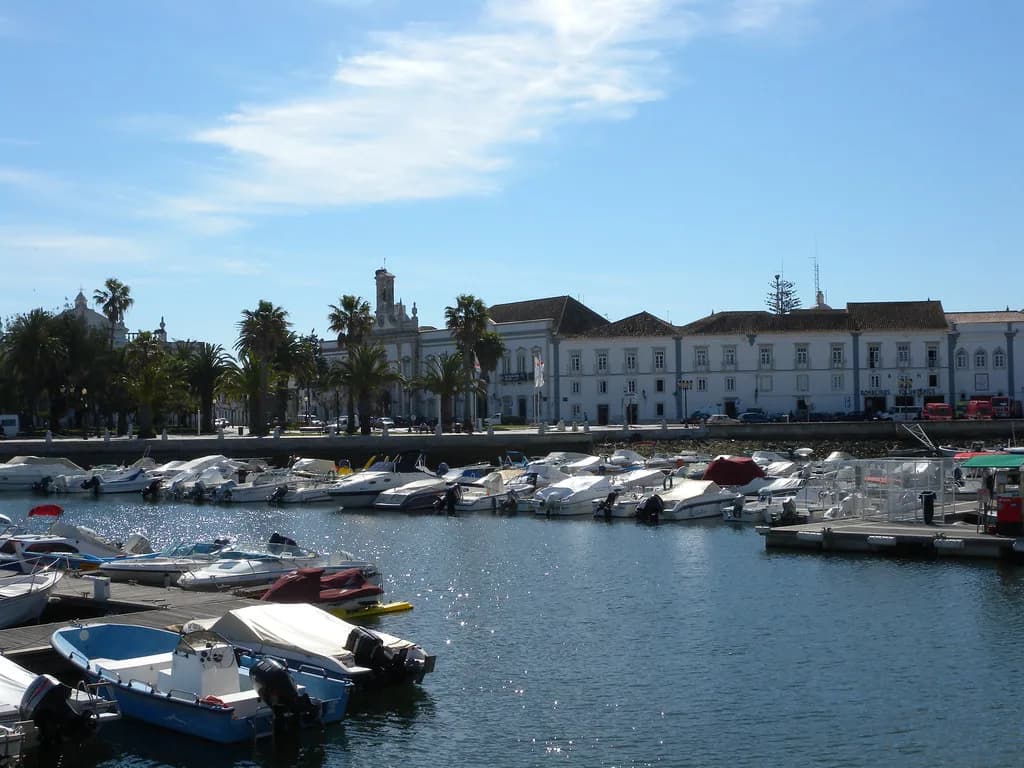
Faro station sits on the edge of the old centre, a short walk from the marina and the Cidade Velha. From here the regional line runs west towards Albufeira, Lagoa and Lagos, and east towards Tavira, making Faro a practical base for exploring without a car. Our Faro Itinerary sets out how to use the old town and waterfront once you arrive.
If you are only in Faro briefly, the station's position means you can drop bags and be walking the old town within minutes. Our one day in Faro plan shows how to use a short window well; if you are deciding between towns, Faro vs Tavira sets out the differences.
Lisbon to Faro by bus: fares and where it drops you
Rede Expressos coaches run direct to most Algarve towns, with fares typically varying, while FlixBus prices start low when booked well ahead. Both use dynamic pricing, so last-minute summer travel costs considerably more.
The bus's real advantage is where it stops. Albufeira, Vilamoura and Armação de Pêra are all a taxi ride from the nearest station but served directly by coach, so the cheaper ticket can also save you a taxi fare. The trade-off is that coach routes wind through roundabouts and can feel longer than the timetable suggests in summer.
Driving the A2: tolls and journey time
Driving from Lisbon follows the A2 south through the Alentejo, a 235km run of about two hours, and the toll for a car applies before you join the A22 along the Algarve. The route crosses empty interior country with no towns worth stopping for, so it is purely functional.
Toll payment catches foreign drivers out, and unpaid charges are pursued after the trip, so sort out an electronic toll device or a hire-car arrangement before leaving Lisbon. The scenic alternative along the N120 is toll-free but adds at least 90 minutes.
Train, bus or car for a short Faro break: the trade-offs
For Faro itself, the train is the comfortable pick: the station is close to the centre, the carriages recline, and you arrive without toll admin. On a short trip the time and hassle saved are usually worth more than the price gap against a low-cost coach, though the coach is the cheaper ticket.
Choose the coach if you are heading to a resort town away from the line, and the car only if you need to reach places the railway and coaches skip or are travelling as a group splitting the toll and fuel. A Faro city break of two or three days rarely needs a car at all.
If you are still weighing up whether Faro deserves the journey, the honest answer is that it suits travellers who want a compact, walkable base with the Ria Formosa on the doorstep rather than a beach resort. Our take on is Faro worth visiting sets out who it fits; the Faro Attractions hub lists what to see once you arrive, and if you are planning how long to stay, our guide to how many days in Faro covers it.
Which option should you book?
Book the train if you are staying in Faro or using it as a base for the regional line, and book as early as you can to lock in the lower fare. Take the coach if your accommodation is in Albufeira, Vilamoura or Armação de Pêra, where the bus drops you closer and saves a taxi.
Explore more Faro guides
Frequently Asked Questions
Do you need to change trains from Lisbon to Faro?
Yes. Express trains from Lisbon run to Tunes and Faro, where a regional Algarve service continues along the coast, and the connections are timetabled to line up. Check your specific service on cp.pt, because the change point can vary.
Is it cheaper to buy Lisbon to Faro train tickets in advance?
Advance purchase is usually cheaper than buying on the day. Popular Intercidades services sell out in peak season, so booking early secures both a lower fare and a seat.
Is there a high-speed train from Lisbon to the Algarve?
No dedicated high-speed line links Lisbon with the Algarve. The fastest option is the Intercidades express to Tunes or Faro with the regional connection onward, and the journey still takes around four hours from Lisbon.
Sources
Notes for your next Portuguese break
Optional updates to our town guides.
You might also like
Continue reading
More guides you'll find useful