Is Faro Worth Visiting? An Honest Answer for a Short Break
Faro is worth visiting for a compact old town, a bone chapel and boat trips to quiet lagoon islands. Here is who will love it and who should look elsewhere.
On this page
Faro is worth visiting if you want a small, unhurried Algarve city with a walled old town, a bone chapel and boats out to quiet lagoon islands, and it needs one full day with a second for the islands. It is not worth visiting if you picture a resort with a beach on the doorstep or a big-city break. This guide sets out what Faro does well, how the days fill and where another base wins.
Faro sits in the heart of the Algarve but has never been polished into a resort. Descriptions of the city dwell on its small scale, its stress-free mood and its appeal to travellers looking for a historic place that has not been fully given over to tourism. That is also the honest description of its limits.
Is Faro worth visiting? The short answer
For a one to four day break, Faro's case rests on three things: an old town you can cross in minutes, water that takes you somewhere genuinely quiet, and an airport on the city's edge. Almost nothing here asks you to queue. The trade-off is equally clear: no town beach, no large museum haul and little of the late-night clamour that other Algarve towns sell.
Treat Faro as a place to slow down rather than a checklist. The city is often described as living in the shadow of Lagos, which is a fair summary of its position in most short-break plans. If what you want from the Algarve is a pretty base with real streets and cheap eating, Faro works; if you want surf and sand at the door, it does not.
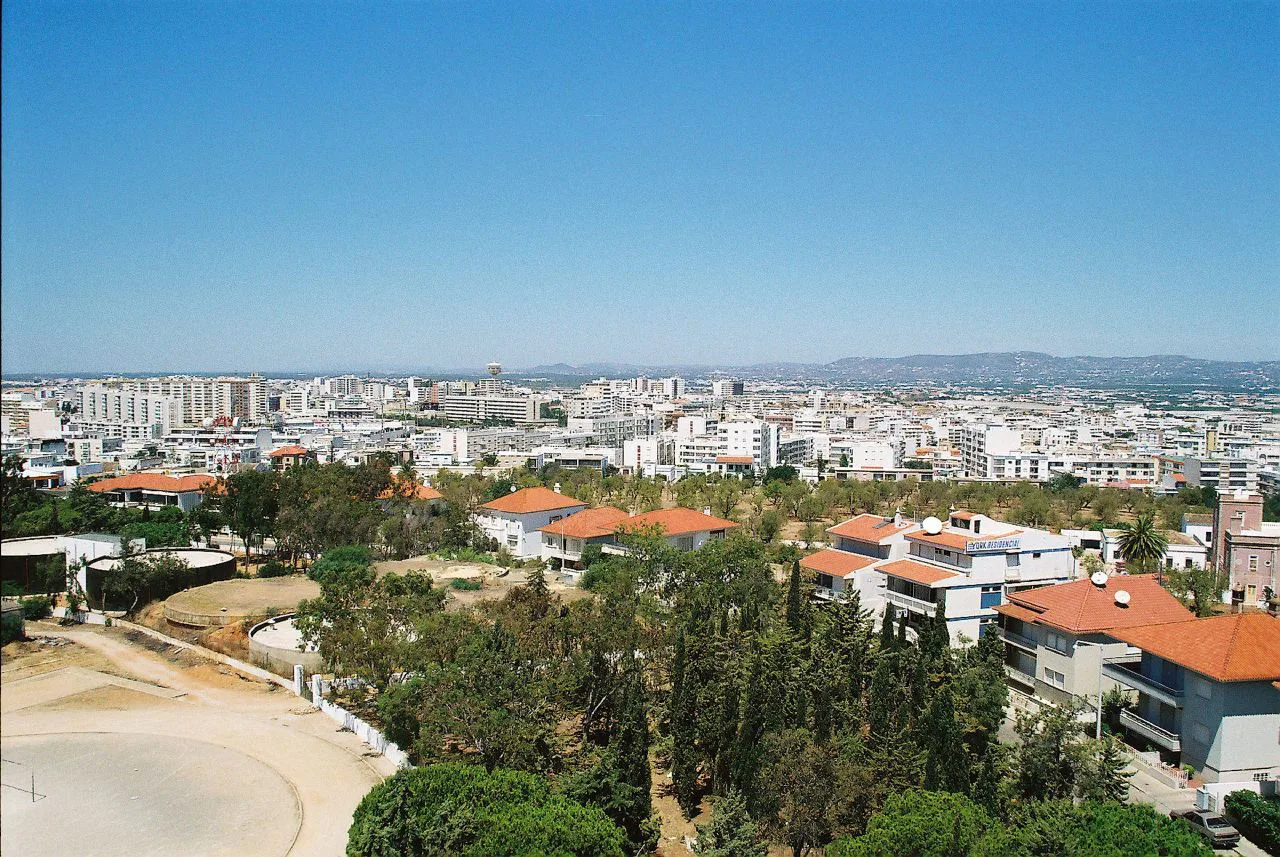
The old town: the Sé, the walls and the streets inside them
Faro's historic centre is the Cidade Velha, a compact grid enclosed by old walls. Inside sits the Sé de Faro, the cathedral, its tower and square the natural orientation point for a wander. Give the old town a couple of hours on foot rather than a fixed route: the pleasure is in the lanes, the tiled façades and the sudden views over rooftops. For a structured route, the Faro Itinerary sets one out.
Because the centre is small, a single day covers it comfortably and leaves room for food and a late walk. Anything longer is best spent on the water rather than adding more churches.
The Capela dos Ossos: what it is and why people go
The Capela dos Ossos de Faro, the bone chapel, is the city's strangest sight and the one travellers remember. Visitors describe walking through an ordinary church interior to find an altar, walls and ceilings lined with human skulls and bones. The effect is eerie rather than gory, and it takes only minutes to see.
Travellers consistently mention a modest entry charge of a few euros without giving an exact figure. Check the price and the day's opening hours at the door or through the parish before you set out, since chapel access can run separately from the church. It is a short, odd, worthwhile stop rather than a half-day.
The Ria Formosa: boat trips to the lagoon islands
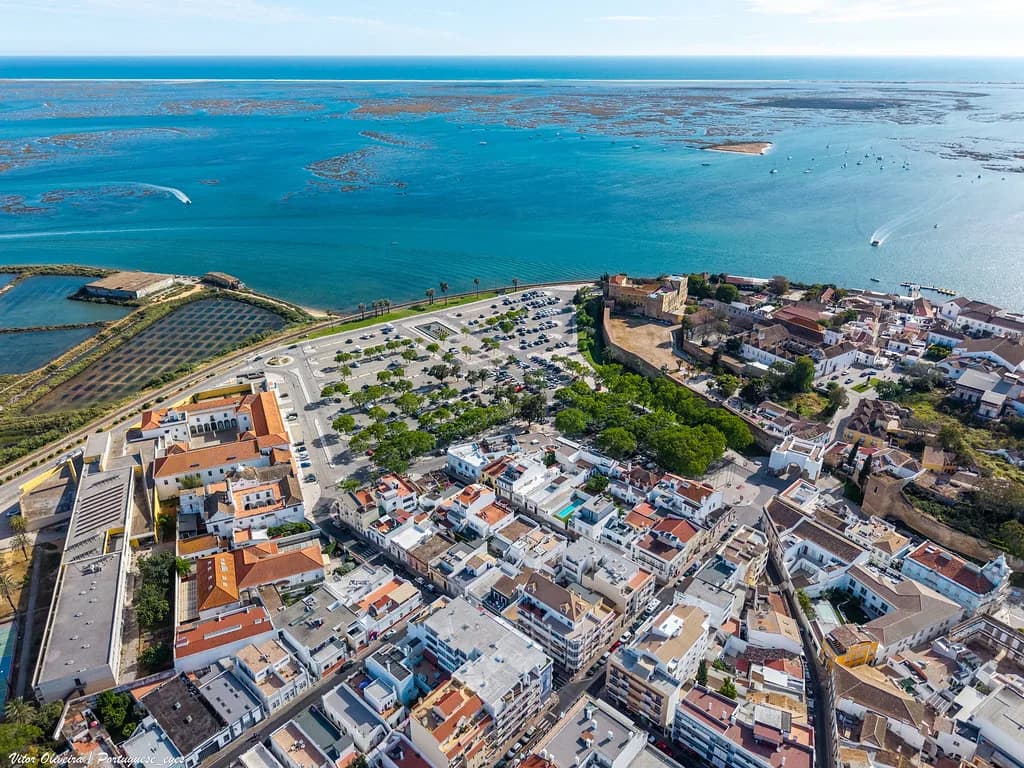
The Ria Formosa lagoon is Faro's beach solution, with boats running from the town's waterfront to islands such as Ilha Deserta, Praia da Culatra and Praia da Ilha do Farol. There is no saltwater beach in the town itself; the sand is reached by boat. That single fact reshapes how you plan a stay, because beach days here depend on crossings.
Ilha Deserta lives up to its name: a crossing of roughly half an hour delivers you to a long, quiet shore with a single restaurant and bar. That isolation is the point, and it is also the limitation, so bring what you need for the day. The calmer bay side suits swimmers while the ocean side gives you more movement in the water.
Faro's food: what to eat and where
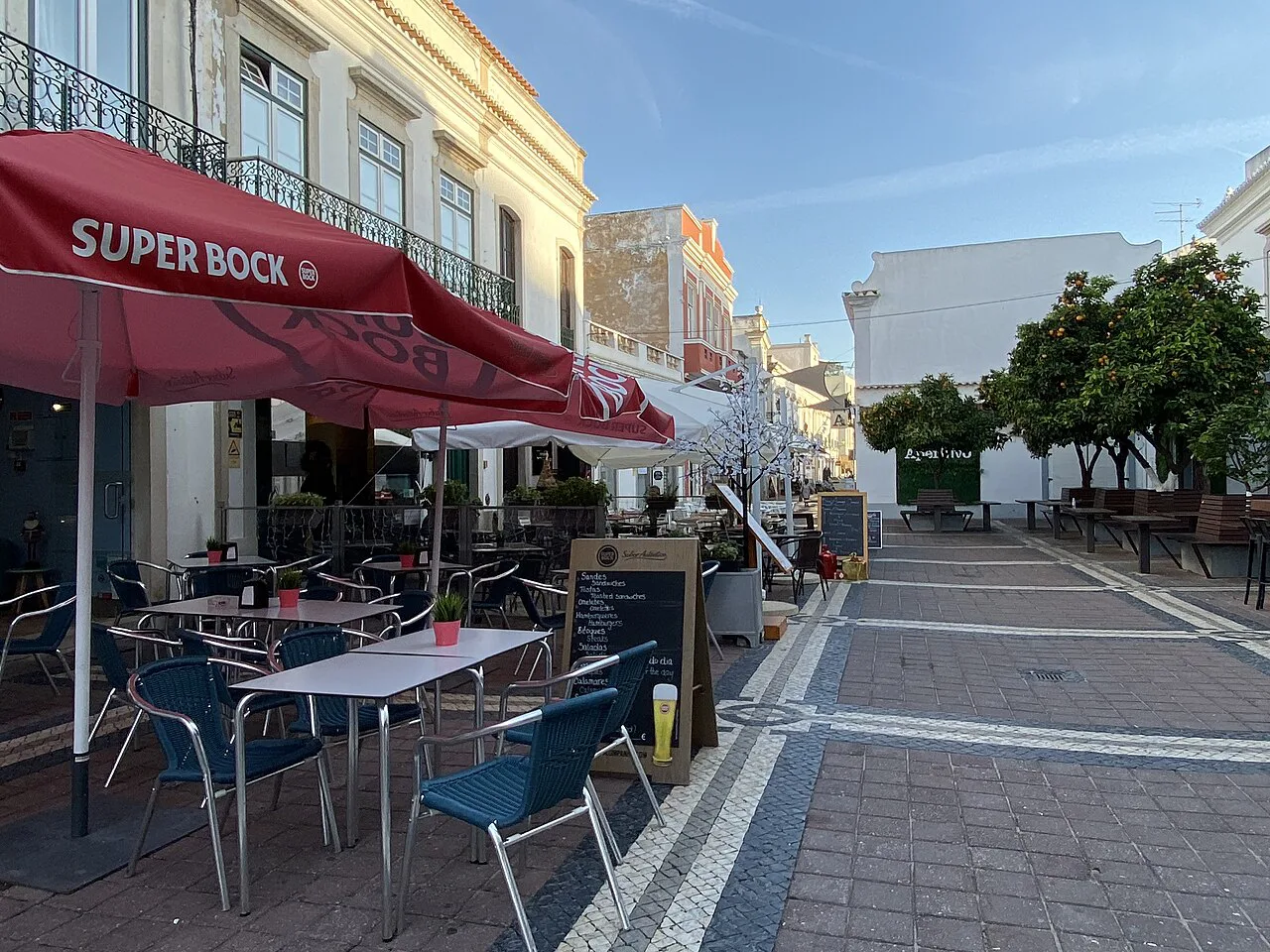
Faro's eating is low-key and local, with a spread of cafés, tascas and restaurants that suits a short break better than a food-led one. Tasquinha Cruzeiro is the obvious pick for a first taste of Algarve cooking in a room full of local chatter. Cantinho has a reputation for cataplana, the covered copper pan of seafood stewed with tomato and herbs that is the region's defining shared dish.
For lunch with a view, O Costello is the pick, while Chefe Branco keeps things firmly local rather than tourist-facing. For breakfast, Baixa and Chelsea are both mentioned as central starts to the day. Restaurant closing days vary from kitchen to kitchen, so check the day you plan to eat there rather than assuming a weekend rhythm.
How many days Faro needs
One day covers the Cidade Velha, the Sé and the Capela dos Ossos at an unhurried pace, with time left for a proper lunch. Two days is the sweet spot: a day in town, then a day on the lagoon islands. Three days adds breathing space, a second island or a long evening, but Faro runs short of major sights beyond that.
Structure the days around the water rather than the sights. Boats, tide and weather all shape a beach day, so put the island trip first and the town second if the forecast is unsettled. That gives you flexibility without adding pressure.
If your whole break is one day, the Vila Adentro lanes around the cathedral make a neat loop before lunch. That single-day plan works best on foot and needs no transport at all; One Day in Faro maps it out.
Who Faro suits
Faro suits travellers who want a quiet, walkable city with real life running alongside tourism, and who are content to reach the sand by boat. It suits winter sun seekers wanting a mild southern base and first-timers in the Algarve who would rather avoid resort crowds. Couples and independent travellers often do well here.
It also works as an easy first or last stop on a wider Algarve trip, given the airport's proximity to the centre. Plenty of visitors treat it as a door to the region rather than a destination in its own right, and that is a reasonable way to use it.
Who should pick somewhere else
Skip Faro if a beach within walking distance is non-negotiable, or if you want the buzz of a larger city with evening energy and a long list of sights. Families with small children who want sand and shallow water at the door will be happier in a resort town. Travellers who judge a city by museums and monuments may find it too small.
Faro compared with Lagos, Albufeira and Lisbon
Against Lagos, Faro trades surf and beach drama for calm and space: Lagos is the busier, coast-focused choice, while Faro offers the lagoon and a quieter street life. Albufeira is the resort option, with beaches and nightlife that Faro does not attempt. Lisbon is a full city break and a different holiday altogether.
If you are weighing Lisbon against Faro, remember the cities are connected by rail and serve different purposes: Lisbon is a capital to explore, Faro a small southern base. Many travellers combine the two rather than choosing, using the Lisbon to Faro train to link them in a single trip.
Faro in practice: costs, distances and layout
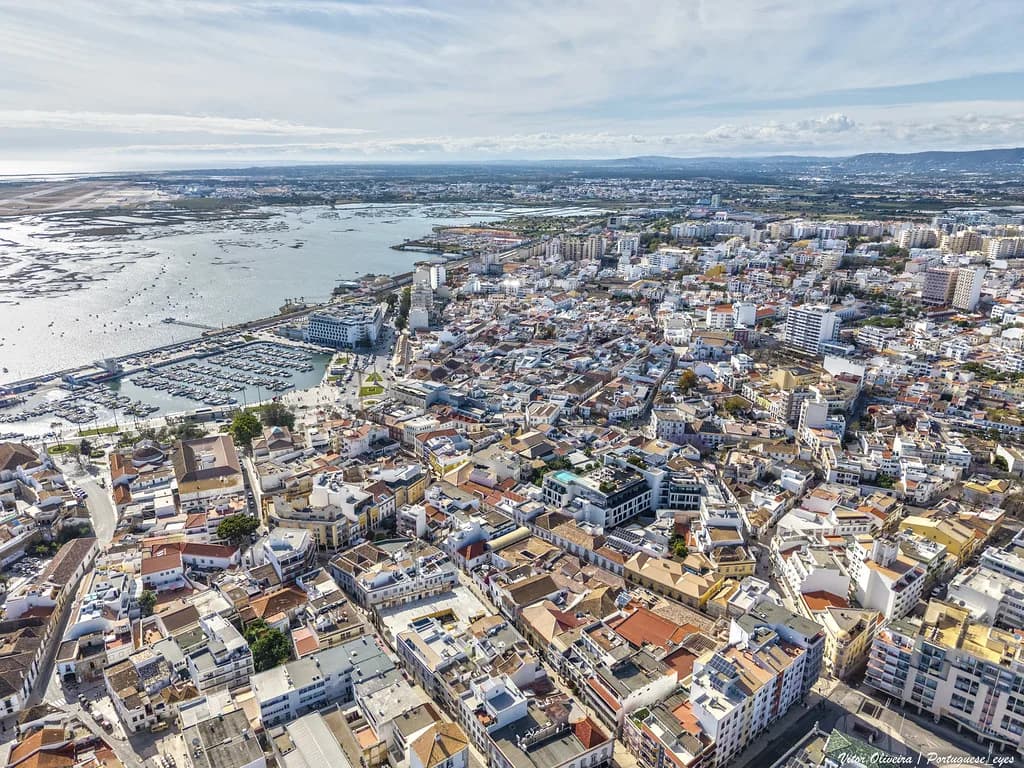
Faro is a compact city that behaves like a large town: the old town, the waterfront and the eating district are all within walking distance of one another. You can leave the car behind for the days you spend in the city itself. Lagoon islands need a boat, so plan crossings around the day rather than midday.
Costs are modest by western European city-break standards, but exact figures shift with the season, so work from current prices rather than old anecdotes. Budgets for meals, entry charges and boat fares are covered in detail elsewhere if you want to plan a spend, and comparing Faro against other Algarve bases helps you see where the money goes.
Should Faro make your short break?
Faro earns its place on a short break if you value a quiet old town, a strange little chapel and a boat ride to empty sand over nightlife and beach-front convenience. Give it two days: one for the Cidade Velha and the Capela dos Ossos, one for the Ria Formosa islands. Those who need a beach at the doorstep should look to a resort town instead.
Explore more Faro guides
Frequently Asked Questions
Which is nicer for a short break, Faro or Albufeira?
They are different holidays. Albufeira is a resort town built around beaches and evening entertainment. Faro is a small working city whose old town, bone chapel and lagoon islands suit travellers who want calm rather than a beach strip. Choose Albufeira for sand at the door and Faro for a quiet walkable base.
Is Faro good for a one-day visit?
Yes. A single day covers the Cidade Velha, the Sé de Faro and the Capela dos Ossos at a relaxed pace, with time for lunch. A lagoon island needs more time than that, so save Ilha Deserta or the Culatra beaches for a second day.
Sources
Notes for your next Portuguese break
Optional updates to our town guides.
You might also like

Continue reading
More guides you'll find useful