Faro vs Lagos: Which Algarve City Suits a Short Break?
Faro vs Lagos for a short Algarve break: compare Faro's walled old town and lagoon with Lagos's cliffs, coves and old quarter, plus pace and crowds.
On this page
Choose Faro if you want an easy, compact city break built around a walled old town, a marina and the Ria Formosa lagoon; choose Lagos if cliff scenery, sheltered coves and a livelier holiday-town atmosphere matter more. The two are different kinds of Algarve trip, and the right answer depends on how you want to spend one to four days rather than on which place is better. This comparison sets out layout, sights, coast, crowds, days needed and transport so you can commit to one.
Faro sits as the region's capital and transport hub, which tilts the arithmetic towards it for late arrivals, early departures and short breaks. Lagos lies far to the west, on the Bensafrim estuary, and its appeal is concentrated in a historic quarter, a marina and a coastline of limestone headland. Both are walkable once you are there, but they reward different travellers.
The short answer: which city for which short break
Faro is the calmer, more city-like choice: an old town you can cross in minutes, a waterfront, and a lagoon of islands and birds just beyond. Lagos is the more scenically dramatic choice, with a headland of sea arches and grottoes and a long beach running east from town. If your priority is scenery you will remember, Lagos wins; if your priority is an unhurried base with everything close at hand, Faro does.
Pace matters as much as sights. Lagos carries a pronounced holiday-town energy, with a busy marina and summer crowds: the town's resident population of around 31,000 almost doubles during the summer months, according to a Lagos travel guide. Faro's centre is quieter by comparison, and one travel comparison describes Faro as the more budget-friendly of the two, largely because it is less of a tourist hub. Treat that as a general steer rather than a measured price difference and check current rates yourself.
How each city is laid out on foot
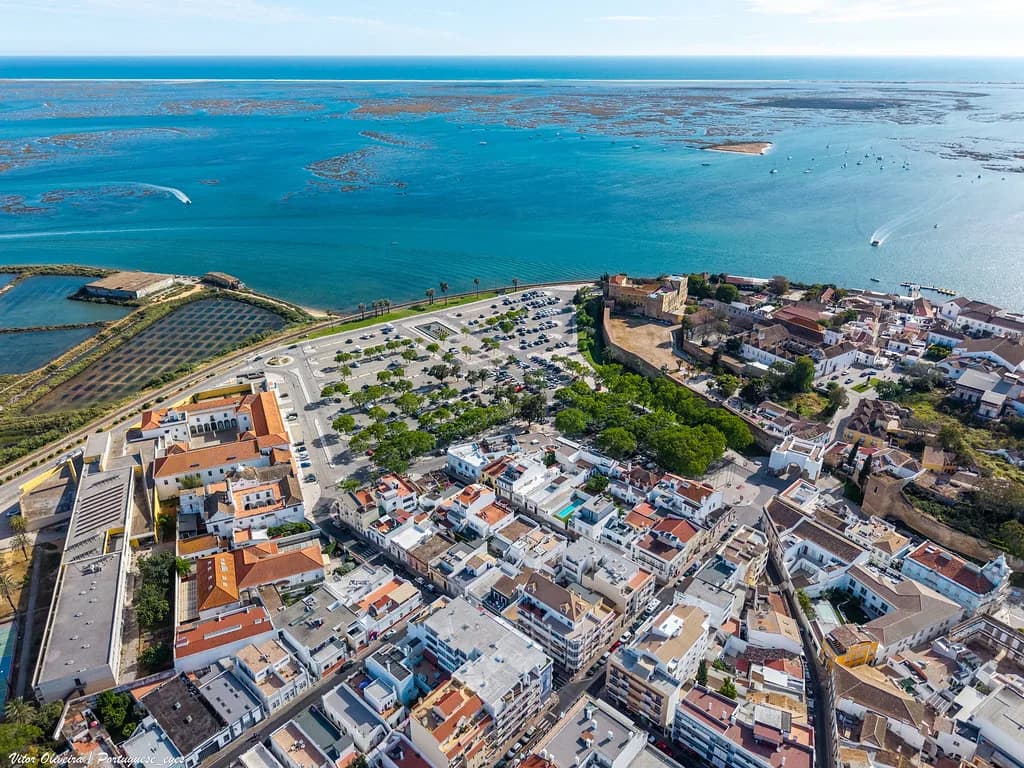
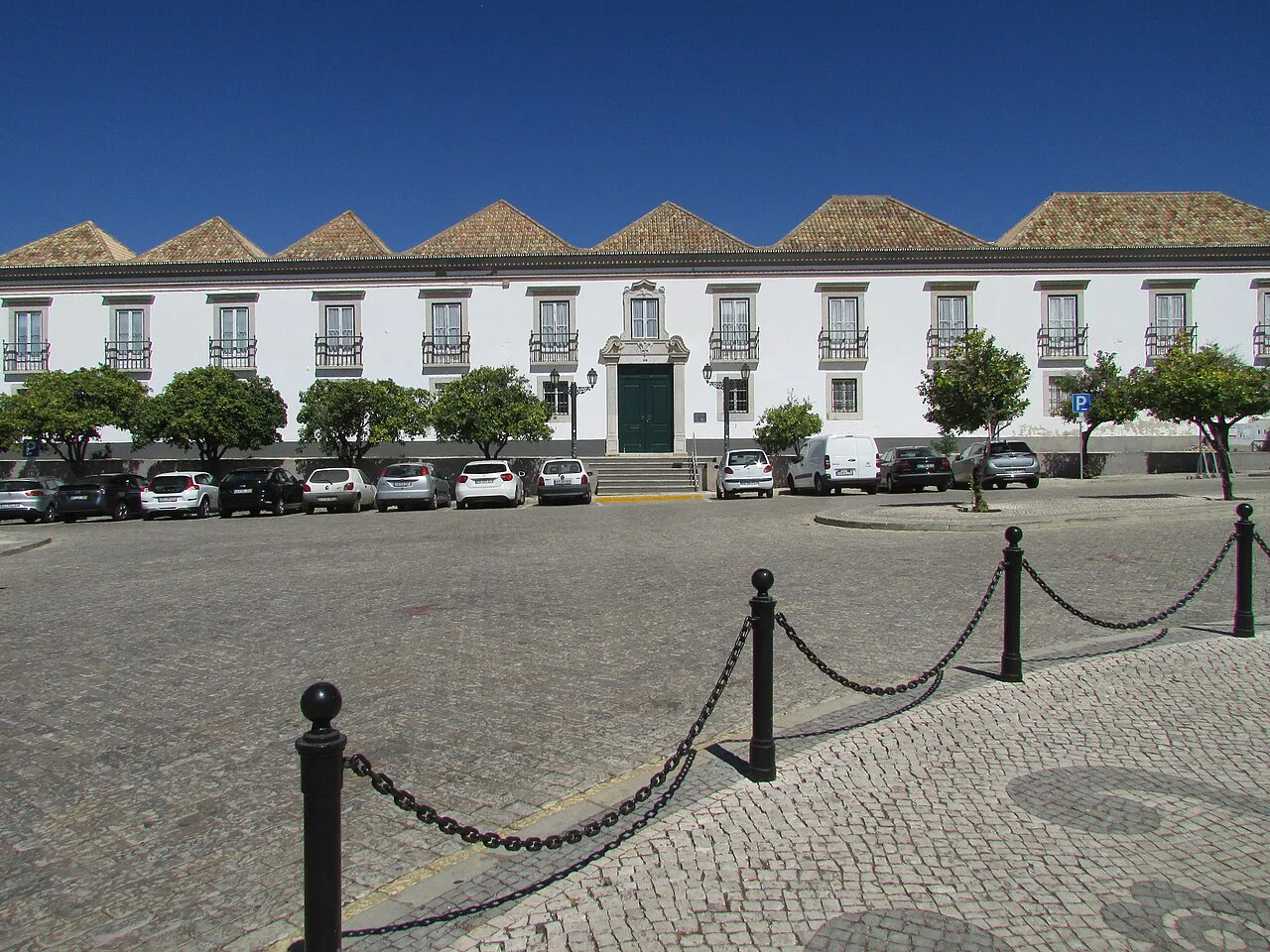
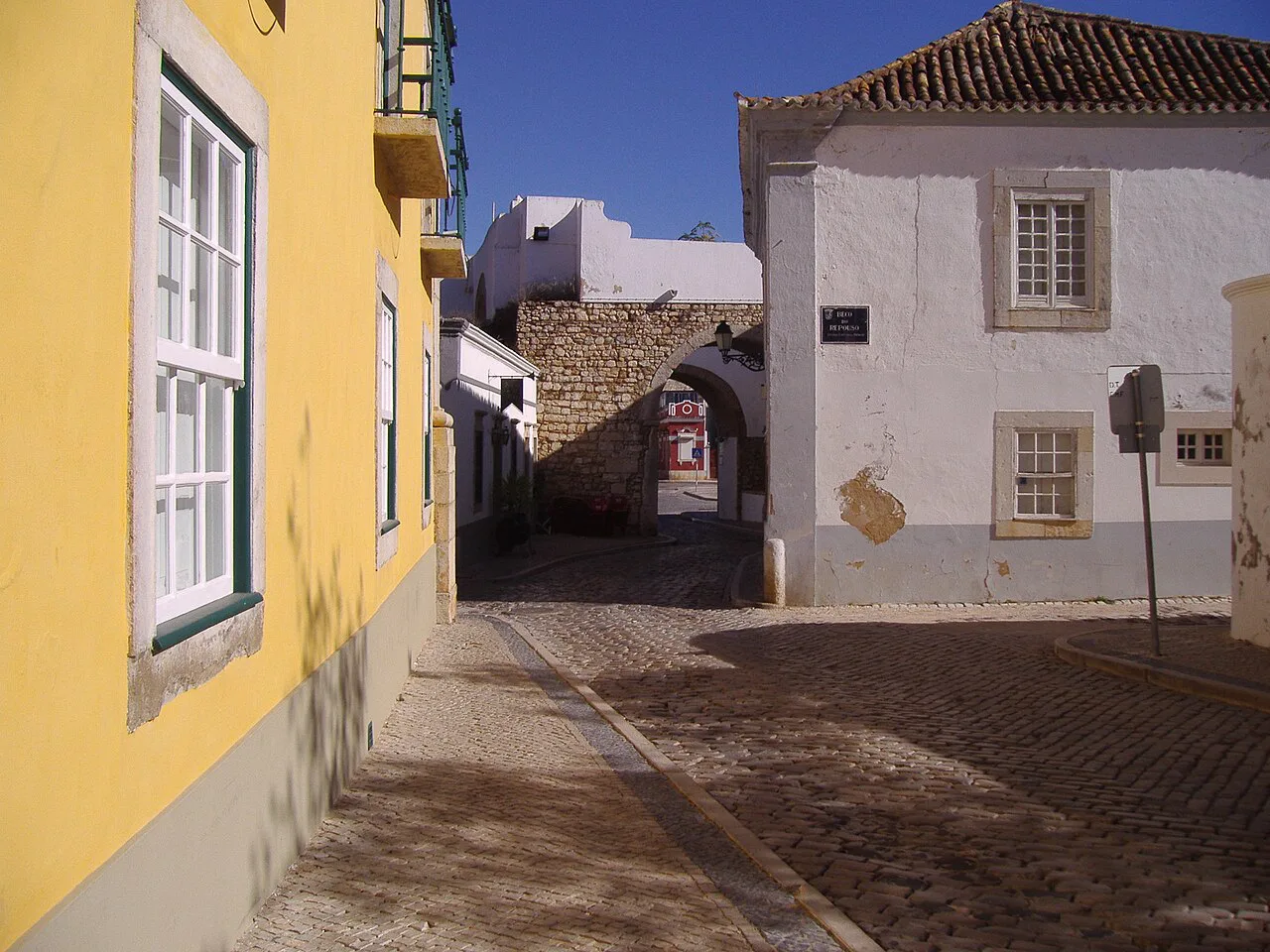
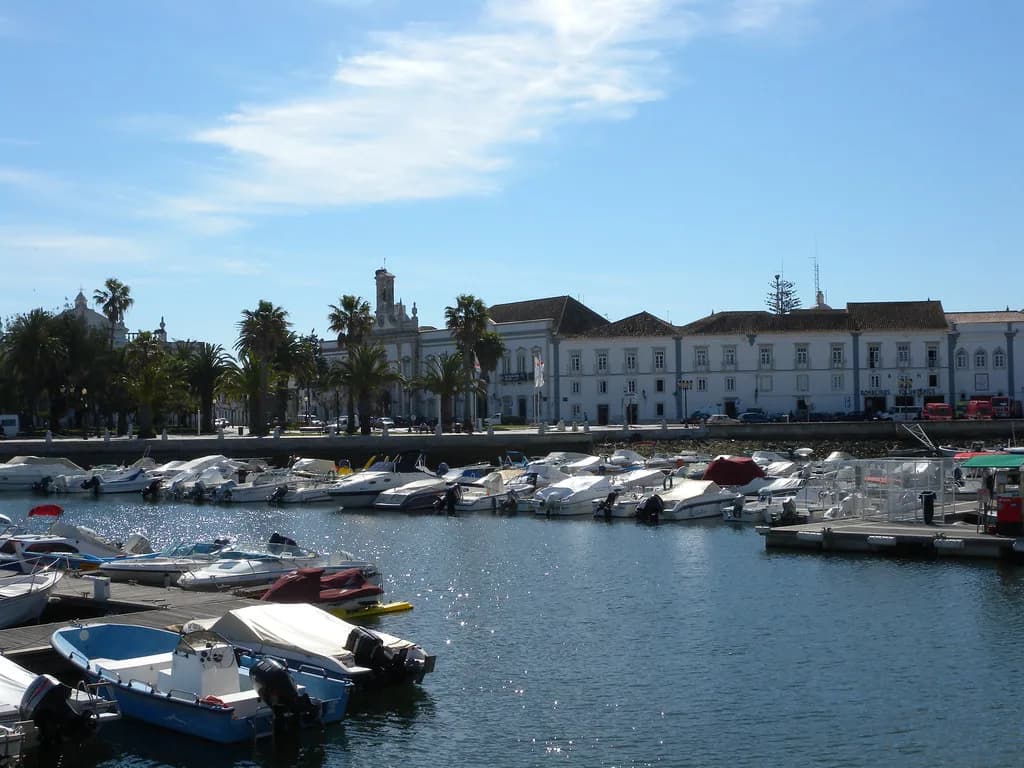
Faro's core is the Cidade Velha, the walled old town, which sits beside the marina and within easy walking distance of the bus and train stations. Lanes, a cathedral square and waterside promenades make it easy to orient yourself on the first afternoon without a map. The lagoon edge and the boat jetties are a short walk further on, so a short break needs no transport at all once you have arrived.
Lagos spreads across four distinct areas: the historic quarter by the Bensafrim estuary, the marina complex with its bars and restaurants, the residential neighbourhood of Porto de Mós, and the long Meia Praia shoreline to the east where the larger hotel complexes sit. That geography matters on foot, because the coves and the Ponta da Piedade headland lie south of the old town, while the long beach is a separate walk east. Plan your day by direction rather than trying to zigzag between them.
What you actually see in a day
Faro's day writes itself: the Sé (cathedral) and the old-town lanes, the marina, and then the lagoon, where boats run out to the sandbar islands of the Ria Formosa. A full Faro itinerary built around the Cidade Velha and the waterfront fills a day comfortably at walking pace, with time left for a long lunch. The city rewards lingering rather than ticking off sights.
Lagos packs more named monuments into its old quarter. The Igreja de Santo António is noted for a gilded Baroque interior among the finest in Portugal, the former slave market stands as a sobering reminder of the Age of Discovery, and the 17th-century Forte da Ponta da Bandeira still guards the harbour mouth. Add the clifftop walk to Ponta da Piedade and you have a full, varied day.
The standout single experience in Lagos is the Ponta da Piedade headland, where golden limestone has been eroded into sea arches, pillars and hidden grottoes. You can see it two ways: walking the clifftop trails for the views, or taking a boat from the marina to slip inside the caves. Doing both is the honest recommendation, since the scale only makes sense from the water as well as from above.
Coast and water compared
Faro's coast is the Ria Formosa, a sheltered lagoon of channels, mudflats and low sandbar islands reached by boat rather than on foot. It is calm water, good for birdlife and an easy half-day outing, but it is not a cliff-and-cove landscape. Travellers who want to swim off a dramatic shoreline will find Faro's setting gentle rather than spectacular.
Lagos offers the opposite: the headland south of town hides a string of sheltered coves, among them Praia Dona Ana and Praia do Camilo, while Meia Praia runs for almost two kilometres of open sand to the east. The Atlantic beaches nearby draw surfers year-round. This variety within a short walk or drive of the centre is the strongest argument for choosing Lagos over Faro when coastal scenery is the point of the trip.
Cost and crowds
Lagos is the better-known holiday town, and its summer peak is real: the resident population of roughly 31,000 almost doubles in the summer months, according to an independent guide to the town. That shows up as busier beaches, fuller restaurants and a marina that hums after dark. If you travel in July or August, expect company, especially around the coves and the Ponta da Piedade viewpoints.
Faro's tourist trade is lighter, and one travel writer's comparison describes it as more budget-friendly than Lagos precisely because it is less of a tourist hub. That is an impression rather than a price survey, so use it to set expectations and check current costs for the things you plan to book. Faro also works well outside high summer, when a short break feels like a city stay rather than a resort visit.
Timing is the lever you control. A short break in Lagos in shoulder season gives you the cliffs without the August crush, while Faro's quieter centre is comfortable across a longer window. Neither city requires you to book every hour of the day, but in Lagos the popular boat trips and cove beaches fill earlier in peak weeks.
How many days each needs
Faro suits one to three days. One day covers the Cidade Velha, the Sé and the marina, with a lagoon boat trip if you move briskly. Two days adds the lagoon islands properly and a slower evening on the waterfront, and three lets you treat Faro as a base without rushing. If you are weighing up how many days in Faro, two is the sweet spot for most short breaks.
Lagos needs at least two days to do it justice: one for the old quarter and its monuments, one for the Ponta da Piedade headland and the coves, with a boat trip fitted in. Three days in Lagos allows Meia Praia and a slower morning, and four gives room for the western Algarve beyond town. Trying to see Lagos in a single day means choosing between the town and the coast.
Day trips between the two
A day trip in either direction is possible but eats into a short break. Faro to Lagos is a long transfer west, and the return makes for a tiring day if you are only in the Algarve for two or three nights. The better use of a single spare day is to go deep into the place you have chosen rather than split it between two towns.
If you are based in Lagos, the western Algarve is the more sensible direction for an extra day, with Sagres and Silves reachable without a car according to the town's independent guide. From Faro, the lagoon and the city's own old town are enough for a short stay. Save the Faro–Lagos comparison for deciding where to sleep, not for a day out.
Which suits walkers, couples and families
Walkers and couples who want scenery should lean towards Lagos: the clifftop trails to Ponta da Piedade and the coves give purpose to every morning, and the old quarter provides the evening. Couples who prefer a calm city break with restaurants, a waterfront and a boat trip on the doorstep will be happier in Faro, where nothing is far and the pace stays low.
Families face a genuine trade-off. Lagos offers sheltered coves that are calm and safe for children, and the long Meia Praia shoreline for space, but summer crowds and a hilly walk back from the beaches add friction. Faro offers flat walking, short distances and the gentler lagoon, which suits younger children and grandparents alike. Neither city demands a car for a short break.
Getting in and onward
Faro holds the region's airport and main rail and bus links, which makes it the simpler choice for late arrivals and early departures. You can land, reach the centre quickly and start walking the old town the same afternoon. That convenience is worth real weight on a one- or two-night stay.
Lagos works as a base for the western Algarve rather than as a transport hub. Getting there from Faro takes time, so a Lagos short break is best treated as a single destination rather than one stop on a tour. If your flight lands at Faro and your heart is set on the cliffs, build the transfer into your first day and keep the rest of the break local.
Which city should you book?
Book Faro if you want an easy, walkable city break with a walled old town, a marina and the Ria Formosa on the doorstep, especially on a one- to three-day trip or when you arrive late or leave early. Book Lagos if cliffs, coves and the Ponta da Piedade headland are the reason you are coming, and give it at least two days.
The deciding question is simple: do you want scenery or ease? Lagos wins on coastline and loses on calm; Faro wins on convenience and gives up the drama. Check opening days and boat schedules for the places you plan to visit before you commit, then build the break around whichever answer fits.
Explore more Faro guides
Frequently Asked Questions
Are the Algarve and Faro the same thing?
No. Faro is a city and the administrative capital of the Algarve region, with its own walled old town, marina and lagoon setting. The Algarve is the whole southern region of Portugal, of which Lagos is a separate town far to the west.
Is Faro good for tourists?
Yes, particularly for short breaks. Faro is compact and walkable, with the Cidade Velha, the Sé and the marina close together, and the Ria Formosa lagoon reached by boat from the waterfront. It is quieter and less resort-like than Lagos, which suits travellers who want a city break rather than a beach holiday.
Which part of the Algarve is considered the nicest?
There is no agreed answer, because the region offers different things. Lagos and the western Algarve are known for limestone cliffs and sheltered coves, while Faro and the central Algarve offer the lagoon, islands and a city centre. Choose by the landscape you want rather than by reputation.
Can I visit both Faro and Lagos in a short break?
You can, but it costs time. The two lie at opposite ends of the Algarve, and a return trip in a single day leaves little time in Lagos itself. On a break of three days or fewer, pick one as your base and explore it properly instead.
Do I need a car for either city?
No. Faro's old town, marina and boat jetties are within walking distance of the centre, and Lagos is walkable between its historic quarter, marina and the roads leading to the headland. A car is only useful if you want to range further across the western Algarve.
Sources
Notes for your next Portuguese break
Optional updates to our town guides.
You might also like
Continue reading
More guides you'll find useful