Cheap Eats in Faro: Pratos do Dia, Tascas and Petiscos
Cheap eats in Faro mean pratos do dia, petiscos and tasca cooking. Here is where to look, what a set lunch has cost and how to eat well for less.
On this page
Cheap eats in Faro come down to three habits: take the prato do dia at lunch, share petiscos rather than ordering a main each, and drink where locals drink rather than on the marina front. The Old Town is small and photogenic, and the cooking is generous for the money, so a short break here does not need a big food budget. This guide sets out the venues worth planning around, what they have charged, and how to string them into a day.
Why Faro is good value for eating out
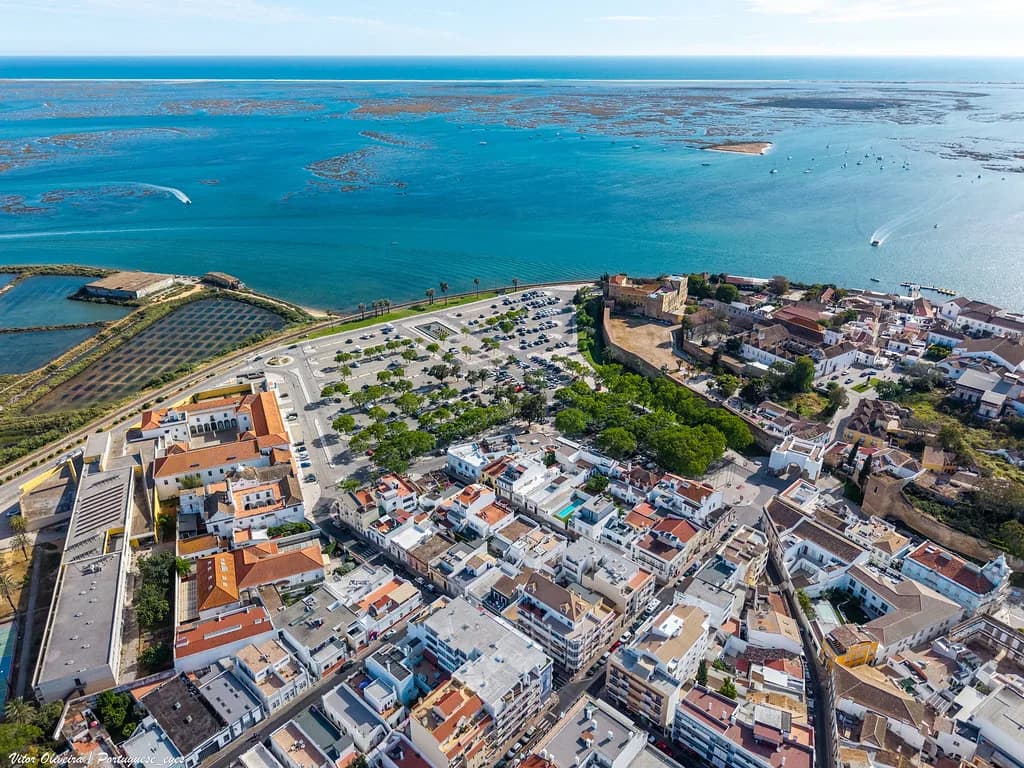
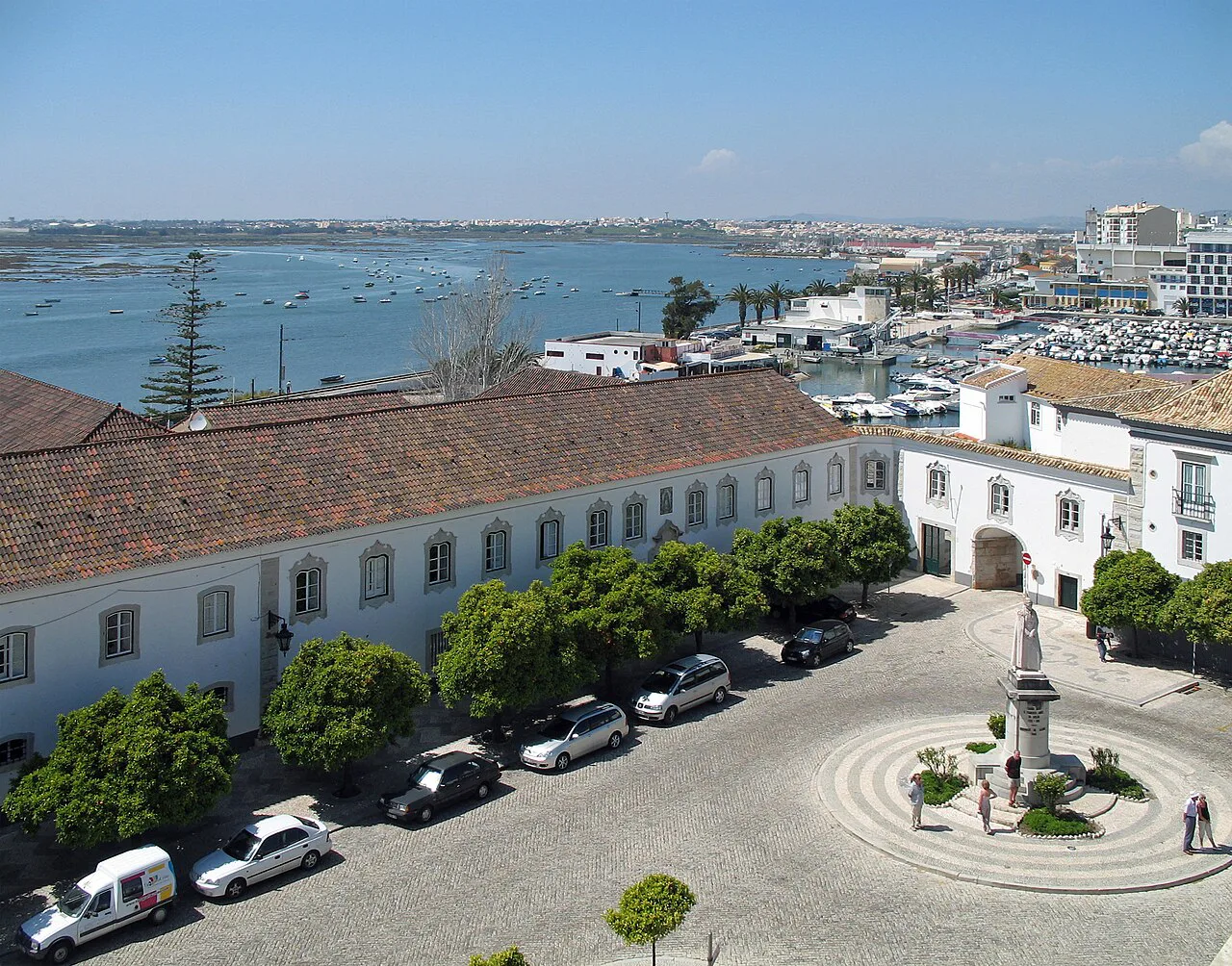
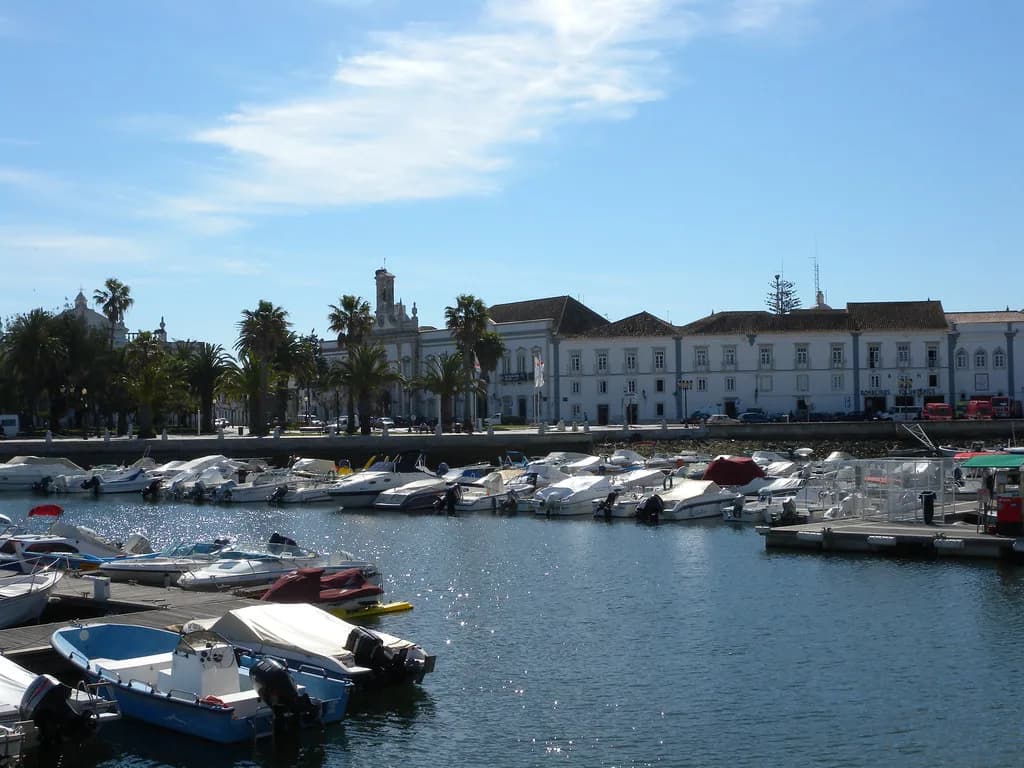
Faro's advantage is scale. The centre is compact enough to cross on foot between a tasca lunch and a coffee stop, so you are not paying for taxis between meals, and the Old Town's photogenic lanes sit a short walk from the marina. Portions tend to be generous and prices modest, which is why a day or two here before the Algarve coast makes financial sense.
The trade-off is that the best value sits away from the water. A tasca set back from the tourist centre can undercut a marina-front table by a wide margin, and the cooking is often more traditional. Budget your sit-down meals for lunch and keep dinner light, and the daily food cost drops sharply.
How the prato do dia works
The prato do dia, or menu do dia, is a fixed lunch: usually a few courses, sometimes with a drink or coffee included, at a price far below ordering the same dishes à la carte. It is the single most reliable way to eat cheaply in Portugal, and the same system runs in Faro. Arrive at lunchtime rather than late afternoon, because the menu is built around the midday meal.
Saudade em Português is the benchmark. Its menu do dia cost €7.90 in 2017 for three courses — a salad, date-stuffed pork loin with a pasta gratin, and fruit salad — which shows how much food a set lunch can cover for the money, as reported in this Faro restaurant guide. Treat that figure as a 2017 marker rather than today's price; ask at the door or check the board before you sit down, since set menus change with the kitchen's shopping. For the wider set of tables beyond these budget picks, see our Faro Restaurants guide.
Tasca cooking and petiscos: Portas de São Pedro
Portuguese petiscos work like tapas: small plates brought out to share, which suits a cheap meal better than one main each. Portas de São Pedro is the Faro address for this style — an unassuming room set back from the tourist centre with no outside space, serving what has been called some of the best food in the city. Go with at least one other person so you can order several plates.
The plates to aim for are the grilled octopus, charred and served with sweet potato and a heavy hand of roasted garlic, and the eggs with coriander, more garlic and farinheira, a smoked pork sausage. A small beer there cost €1 in 2017, which is the kind of detail that makes sharing affordable. Garlic is not shy here, so plan the rest of your afternoon accordingly.
Pedras is the other petiscos name worth knowing in Faro, and it fits the same sharing logic — a table of small plates costs less than a round of mains. For a meaty alternative, Ponto Smokehouse serves smoked pulled pork sandwiches, useful when you want something filling rather than refined.
Traditional fish and seafood at Adega Nova
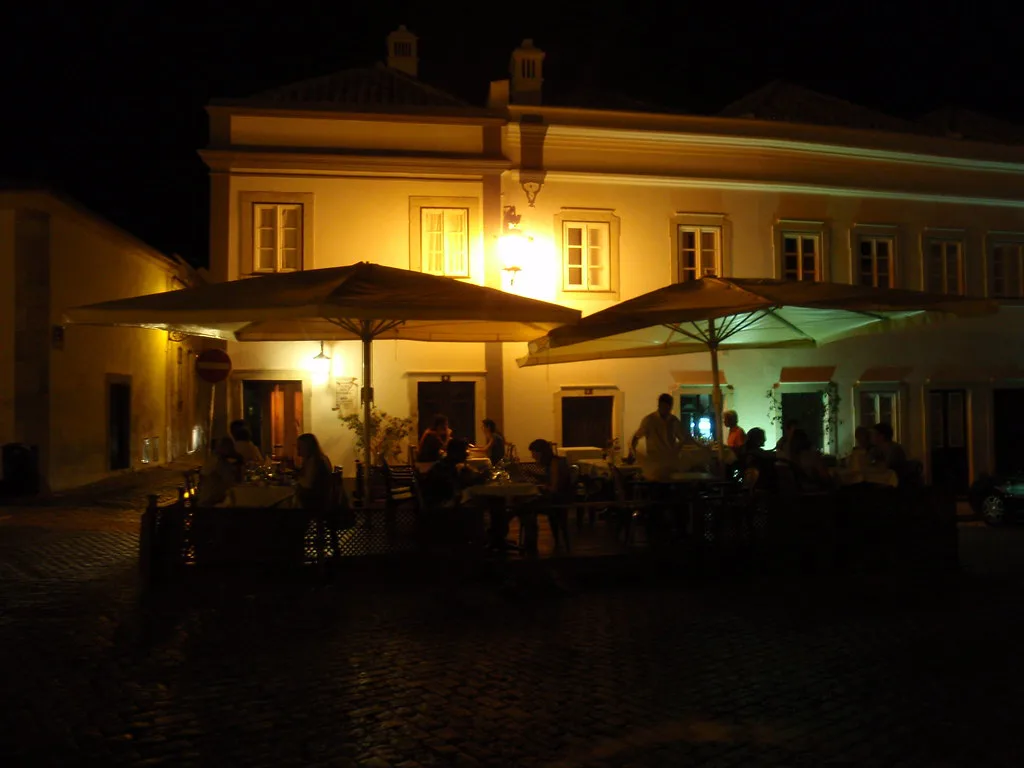
Adega Nova is a proper traditional Portuguese restaurant, with as much local clientele as fresh fish. Fish arrives simply with boiled potatoes and salad, which is both the cheapest way to eat well and the most Algarvian. The seafood skewers are enormous, so order one between two rather than one each.
Service is part of the experience: the waiters are charming, not all of them speak English, and French will get you by if you have no Portuguese. Value here comes from simplicity rather than a set menu, so ask what the fish of the day is and what it costs before committing.
Cataplana at Chefe Branco: the splurge worth budgeting for
Cataplana is the Algarve's signature dish: a fish stew with a tomato base, cooked and served in a large copper pot, comforting and impressive at once. Locals point to Chefe Branco for it, and the monkfish version with a bottle of Portuguese red makes a proper evening. This is the one meal to budget for rather than economise on.
The dish is built for two, so a cataplana dinner split between a couple costs far less per head than ordering two main courses. Sit outside if the weather allows, and keep the rest of the day cheap — a set lunch and a coffee stop leave room for it.
Budget drinks: sangria at Tasquinha Cruzeiro
Faro's cheapest drinking is in the small taverns, not the marina bars. Tasquinha Cruzeiro, a little tavern just behind the main drag, has served a generous white sangria by the glass, with a jug only a little more. It is a better drink stop than a food stop, so eat elsewhere and come here afterwards.
The comparison that matters is with the rooftop bars. Your money buys more in a back-street tavern, and the atmosphere is local rather than view-driven. Keep the sangria stop for after dinner and the budget stays intact.
Coffee and pastel de nata at Quente & Frio
The cheapest sit-down moment of a Faro day is coffee and a pastel de nata, the custard tart that Portugal does better than anywhere. Quente & Frio is the café to know for the combination. It costs little, it breaks up the walking, and it is the habit locals keep daily. For more café picks, see our Faro cafes guide.
Use it as a mid-morning or mid-afternoon anchor rather than a meal, and use the stop to plan the next stretch of the Old Town. Pastries are also the cheapest way to try Portuguese baking beyond the tart, so look at what else is on the counter, including the chouriço assado and piri-piri chicken you will see in snack bars across town.
Rooftop drinks at Ria Formosa and The Woods: what the view costs
Faro's geography gives it good rooftops: the city fans out around the marina and the islands beyond, and sunset is the moment to be up there. Two options are Ria Formosa, the restaurant on the fifth floor of the Faro Hotel, and The Woods, just the other side of Rua 1 de Maio. Both trade on the view.
You pay for that view. A coke at Ria Formosa and a white port and tonic at The Woods cost more than three times as much as the sangria at Tasquinha Cruzeiro. Go for one drink at golden hour, treat it as the day's entertainment rather than its refreshment, and the cost is easy to justify.
How to eat cheaply across a day in Faro
Start with coffee and a pastel de nata, make lunch the main meal with a prato do dia or a spread of petiscos, then keep dinner light or share a cataplana between two. That pattern gets the best cooking at the lowest cost and leaves room for a rooftop drink at sunset. For the dishes and food culture behind these picks, see our Faro Food guide.
Two rules do most of the work: eat away from the marina front and order by the plate count rather than the person count. Fish with boiled potatoes, petiscos to share and a jug of sangria in a back-street tavern will always beat a waterfront table for value.
Faro is also a walkable base for the wider Algarve — a day or two of cheap eating here before the coast is a sensible plan. If you want the fuller picture of the city's tables, the wider restaurants guide covers the range beyond the budget picks.
Which Faro meal should you book first?
Book the cataplana at Chefe Branco for one evening and leave the rest of the day to set lunches and shared plates. If you only have one meal in Faro, make it lunch — the prato do dia gives you the most food for the least money.
Set-menu prices and drinks costs move, so confirm at the board or the door before ordering. The 2017 figures here are a guide to relative value, not a quote for your trip.
Explore more Faro guides
Frequently Asked Questions
What are some typical dishes from the Algarve?
Cataplana is the region's signature — a tomato-based fish stew cooked and served in a copper pot. In Faro you will also find grilled fish with boiled potatoes and salad, petiscos such as grilled octopus and eggs with farinheira, and the pastel de nata for a coffee stop.
Is the Algarve cheap to eat and drink?
Faro is good value if you eat the way locals do: a fixed prato do dia at lunch, shared petiscos, and drinks in back-street taverns rather than marina bars. The set-lunch system is where the savings are largest, since a few courses come at a price well below ordering the same dishes separately.
Is Faro a walkable city?
Yes. The centre and Old Town are compact enough to move between lunch, coffee and an evening drink on foot, and the marina sits close to the Old Town lanes. That walkability is part of why a short break here works without taxis.
Sources
Notes for your next Portuguese break
Optional updates to our town guides.
You might also like
Continue reading
More guides you'll find useful