Faro Food: What to Eat in Faro and Where to Try It
What to eat in Faro, from cataplana and grilled fish to chouriço assado and pica-pau, with named restaurants and honest notes on reported costs.
On this page
Faro is a short-break town where you can eat well within the old walls or a few minutes outside them, and the local cooking leans on Algarve seafood, cataplana, almonds, pastries and piri-piri chicken. This guide explains the dishes to try first, then matches them to named restaurants in and around the Cidade Velha, with honest notes on what a meal has cost diners.
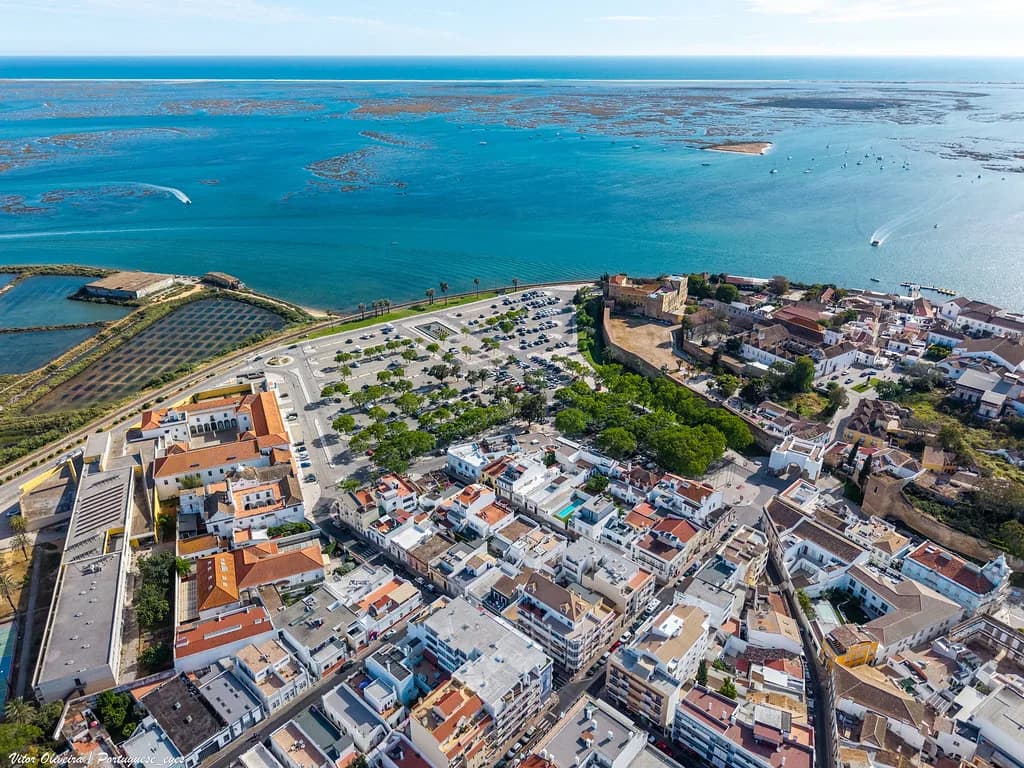
The advantage of Faro is scale: the historic centre is compact, so you can eat within the old walls and just beyond them without much walking. The trade-off is that the best-known tables are small and fill quickly, so plan at least one meal around a booking rather than turning up hungry at nine.
What Faro food is known for
The Algarve kitchen here is coastal and unfussy: fresh fish, shellfish, cataplana, almonds, pastries and piri-piri chicken all appear on the same short menus, according to a Faro eating guide that lists those foods as the region's signatures. Cataplana is the dish most visitors come for, a seafood stew cooked and served in a clamped copper pan that gives it its name.
Faro is not a resort town, so much of its cooking is aimed at residents rather than visitors, which keeps portions generous and the mood informal. If you only have one or two evenings, spend them on seafood and a shared starter rather than chasing a tasting menu.
The dishes to try first
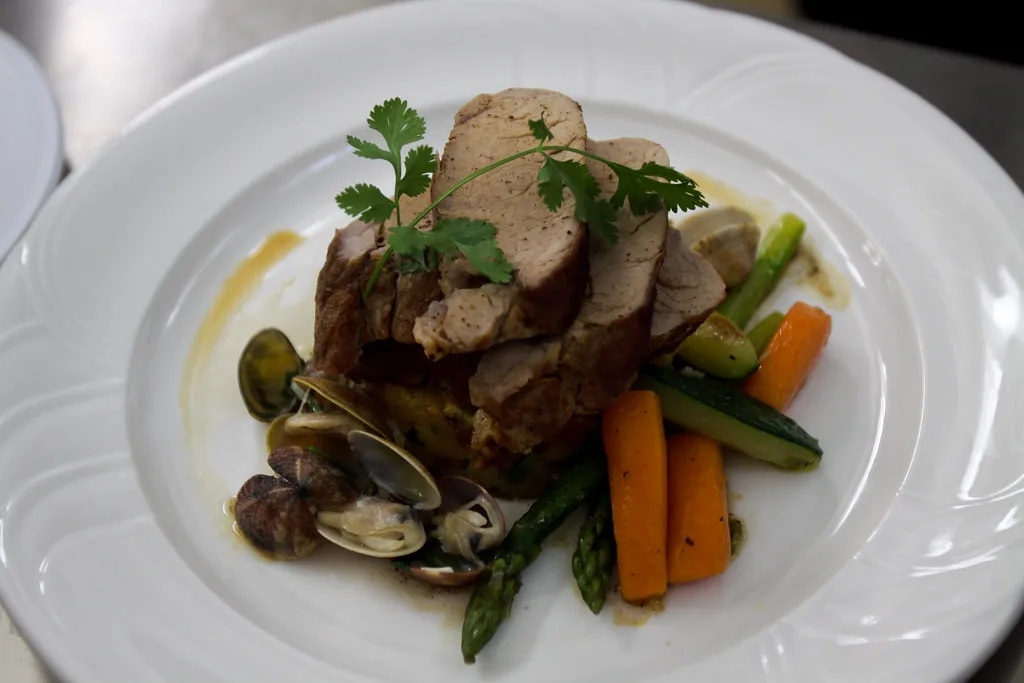
Start with cataplana de marisco, the shellfish version of the copper-pan stew, which is usually built for two and arrives bubbling. Grilled fish is the other staple, simply cooked and best ordered whole, with a shared plate of chouriço assado to begin: a roast sausage brought to the table sizzling, which one Faro diner rated the highlight of the meal.
Pica-pau is the third dish to know: cubes of beef with pickled vegetables, served as a sharing plate and often eaten with bread and a beer. Algarve cooking also uses piri-piri chicken, almonds and pastries, so a menu that mixes grilled fish with a piri-piri plate is a fair picture of the region.
Order two or three plates between two people rather than a starter and main each; the portions at the tabernas around the old town are sized for sharing, and a single seafood cataplana is a full meal. If you want a wider round-up of fish dishes and where to eat them, the seafood guide covers the kitchen in more detail.
Algarve sweets and pastries to look for
Almonds are the through-line in Algarve sweets, worked into marzipan figures and dense little cakes that sit alongside the pastel de nata in most pastelarias. Look for almond-based doces regionais in the counter display rather than ordering blind, and pair them with a bica rather than a large coffee.
A pastelaria is also the cheapest sit-down meal in town: a savoury pastry and a coffee costs a fraction of a restaurant lunch, which matters if you are eating a large evening meal. The Faro bakery and pastelaria guide lists the counters worth a stop.
Where to eat in Faro: inside and just outside the old town
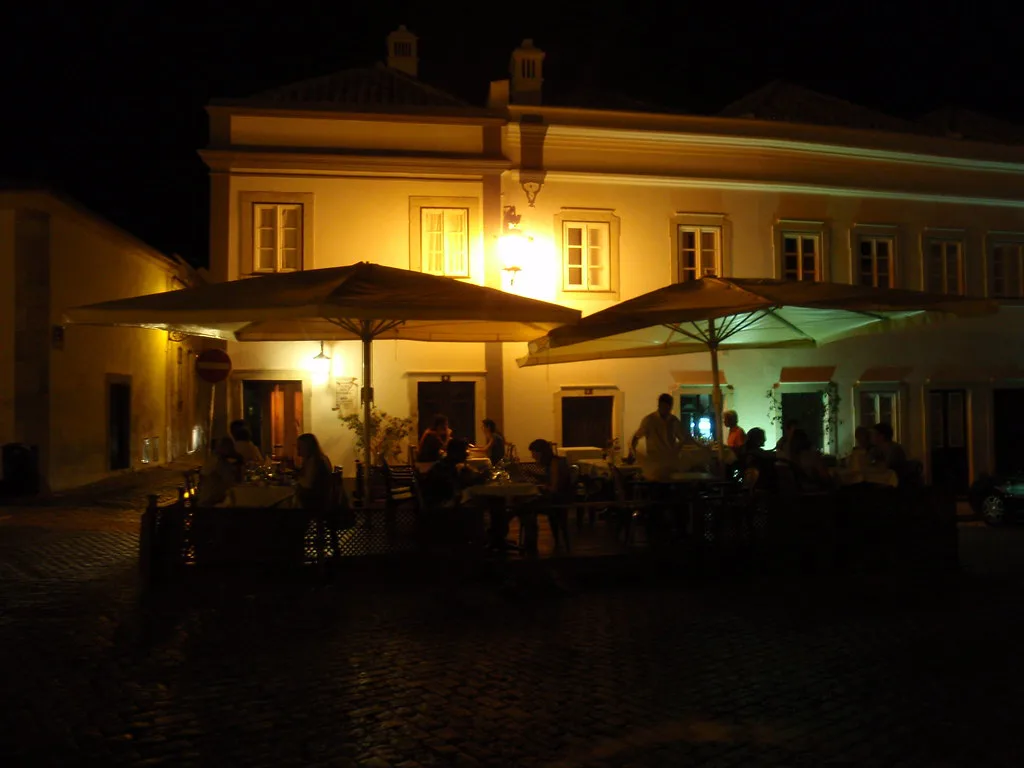
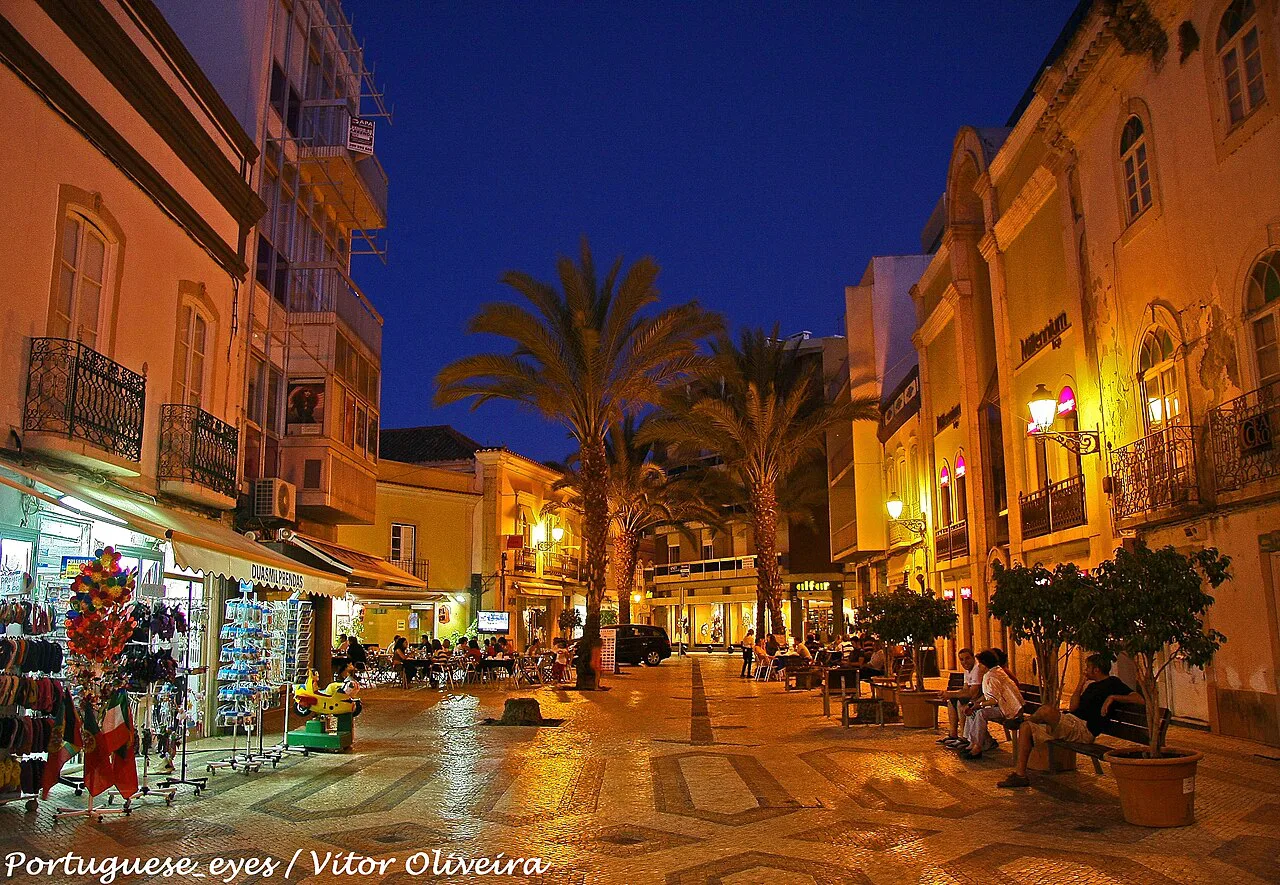
The Old Tavern sits on Largo D. Afonso III and serves Portuguese tapas, with a small number of tables that can fill up, so booking is sensible. Its chouriço assado and pica-pau are the dishes to order, and the setting makes it an easy first-night choice.
Tertulia Algarvia on Praça Dom Afonso III pairs dining with cookery experiences. Restaurante Sol y Jardim on Largo Terreiro do Bpo. takes walk-ins and serves generous Portuguese plates including a steak topped with a fried egg.
Taberna Modesto on Largo do Castelo is a small local place that specialises in seafood, and Restaurante Cidade Velha is the other name diners rate highly, according to a Faro dining round-up.
For a wider set of options, including places a few streets further out, the Faro Restaurants guide groups them by location and occasion so you can pick without crossing town twice. The MICHELIN Guide's Faro region listings are the place to look if you want a starred or Bib Gourmand kitchen for one big meal.
Cataplana, market to table and how a cookery class works
Tertulia Algarvia runs a market-to-table class where you shop for ingredients at Faro's municipal market and then cook your own cataplana. It takes around four hours and includes drinks, the lesson and the meal you have made, and it needs booking ahead rather than arranging on the day.
This is the best-value way to understand the dish if you have a spare morning, because you leave knowing which shellfish to buy and how the pan is clamped and cooked. It also fits a short break better than a long cookery course: one morning, one lunch, and the rest of the day free for the old town.
What a meal in Faro has cost
Reported bills give a realistic picture. At The Old Tavern, two dishes and four beers were billed at the time of that visit, while two mains and a beer each at Restaurante Sol y Jardim were billed for two, both framed as what diners paid then rather than current menu prices.
Treat those figures as a guide to the shape of a bill: a shared-plates meal with drinks sits in a similar band to a two-course dinner with wine. Menus change, so confirm the day's prices at the door before you sit down, and expect seafood sold by weight to move the total most.
If you want to keep the food budget down, shift the main meal to lunch and use a tasca or a pastry counter in the evening; the cheap eats Faro guide covers the lower end without sending you to a chain.
Practical eating notes for a short break
Faro's old town is small enough to walk end to end in well under half an hour, so restaurant location matters less than timing: book the small tables and leave the walk-ins for lunch. Some of the named places take reservations, and bookings pay off most at the restaurants with only a handful of tables.
Vegetarians will find the Algarve kitchen heavy on fish and meat, so check menus before committing to a seafood Taberna and keep one flexible meal in reserve. The vegetarian restaurants Faro guide lists the places where the choice is wider than a salad and an omelette.
Breakfast is worth planning if you have an early start for the boat to the islands or a train out of town; a pastelaria opens earlier and moves faster than a sit-down restaurant. The Faro breakfast guide covers the cafés that open early enough to matter.
Which Faro meal should you book first?
Book one small-table dinner for the atmosphere and one fish-led lunch near Largo do Castelo for the cooking, then keep a morning free for the market-to-table cataplana class if it appeals. That covers the dishes that define Faro food without spending your whole break in restaurants.
Before you travel, check the current menu prices and reservation policy with each place directly, since bills change with the season and the catch. Everything else, from which dish to order to how far you will walk between tables, you can settle from this page.
Explore more Faro guides
Frequently Asked Questions
What food is Faro known for?
Faro's cooking is Algarve coastal food: cataplana, grilled fish and shellfish, almonds and pastries, and piri-piri chicken. The dishes most worth ordering on a short break are cataplana de marisco, a whole grilled fish, and the sharing plates chouriço assado and pica-pau.
Is eating out in Faro expensive?
It sits in the middle for Portugal. Reported bills at named old-town restaurants have come to around forty to fifty pounds for two people with drinks, but menus and seafood prices by weight change, so confirm the day's prices at the door rather than relying on older figures.
Can you learn to cook cataplana in Faro?
Yes. Tertulia Algarvia runs a market-to-table class that starts at Faro's municipal market and ends with your own cataplana, lasting about four hours with drinks and the meal included. It needs booking ahead, so arrange it before you travel rather than on the day.
Sources
Notes for your next Portuguese break
Optional updates to our town guides.
You might also like
Continue reading
More guides you'll find useful