Faro Boat Trips: Ria Formosa Islands, Routes and What to Expect
Plan a Faro boat trip around the Ria Formosa: which islands you reach, how long tours last, what you see on the water and how to choose the right route.
On this page
A Faro boat trip is the best half day you can add to a short break here, because the city sits on the edge of the Ria Formosa, a protected lagoon of channels, sandbanks and barrier islands. Group tours typically combine a guided run through the channels with time ashore on one or two islands, while water taxis let you set your own timings. This guide covers where boats leave from, the difference between the Ilha Deserta and Ilha da Culatra routes, how long each takes and how to slot a crossing around the rest of your sightseeing.
What a Faro boat trip actually covers
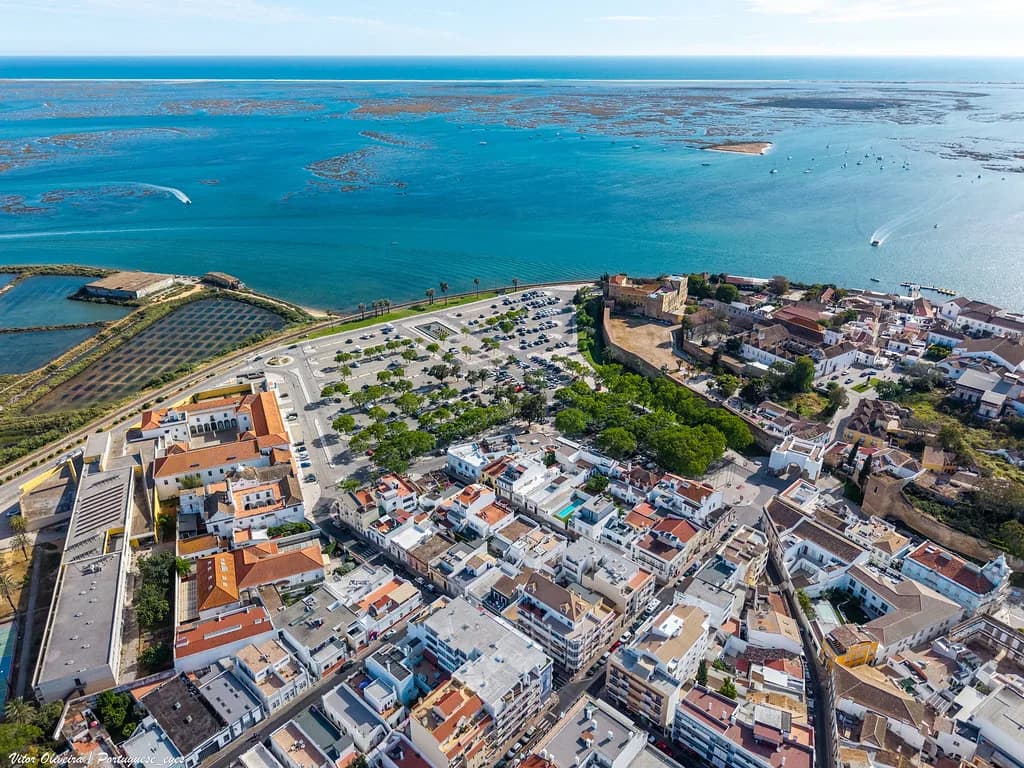
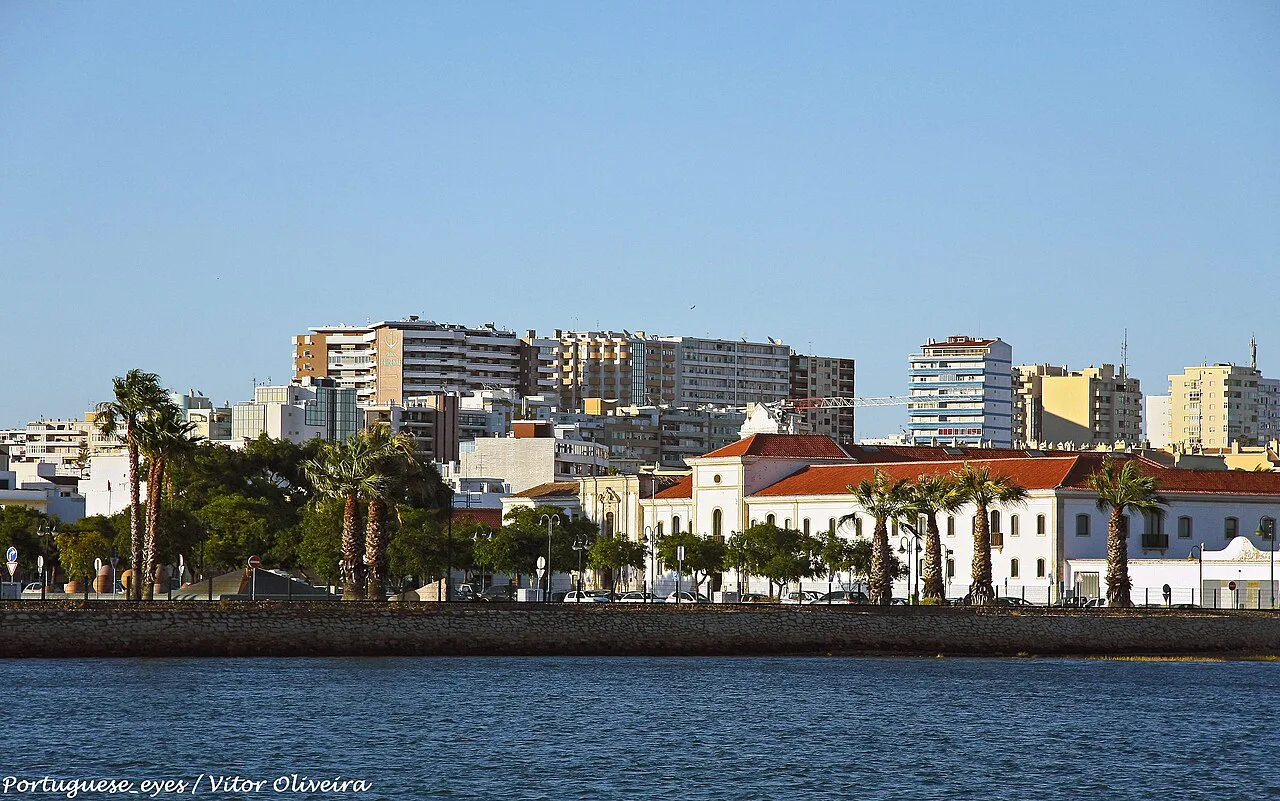
Faro faces the Ria Formosa, a shallow lagoon sheltered from the Atlantic by a chain of long, narrow barrier islands. Boats thread the channels between sandbanks and salt marsh rather than heading straight out to open sea, which keeps the water calm on most days and makes the crossing comfortable for anyone who dislikes swell. The islands themselves are the draw: empty sand, dune vegetation and a handful of small settlements.
Two islands come up again and again in route descriptions. Ilha Deserta is the uninhabited one, reached for its quiet beach and the walk to Cabo de Santa Maria at its southern tip. Ilha da Culatra is the inhabited one, with the fishing community of Culatra and the separate Ilha do Farol, where a lighthouse village sits at the western end. Treat these as different days out: Deserta suits travellers who want solitude and a long walk, Culatra suits those who want a fish lunch and a bit of village life.
An open-water coastal cruise is a different proposition from a lagoon crossing, with more exposure to wind and chop. If a calm, scenic hour or two matters more to you than distance, choose a Ria Formosa route rather than a coastal one.
Where boats leave from in Faro
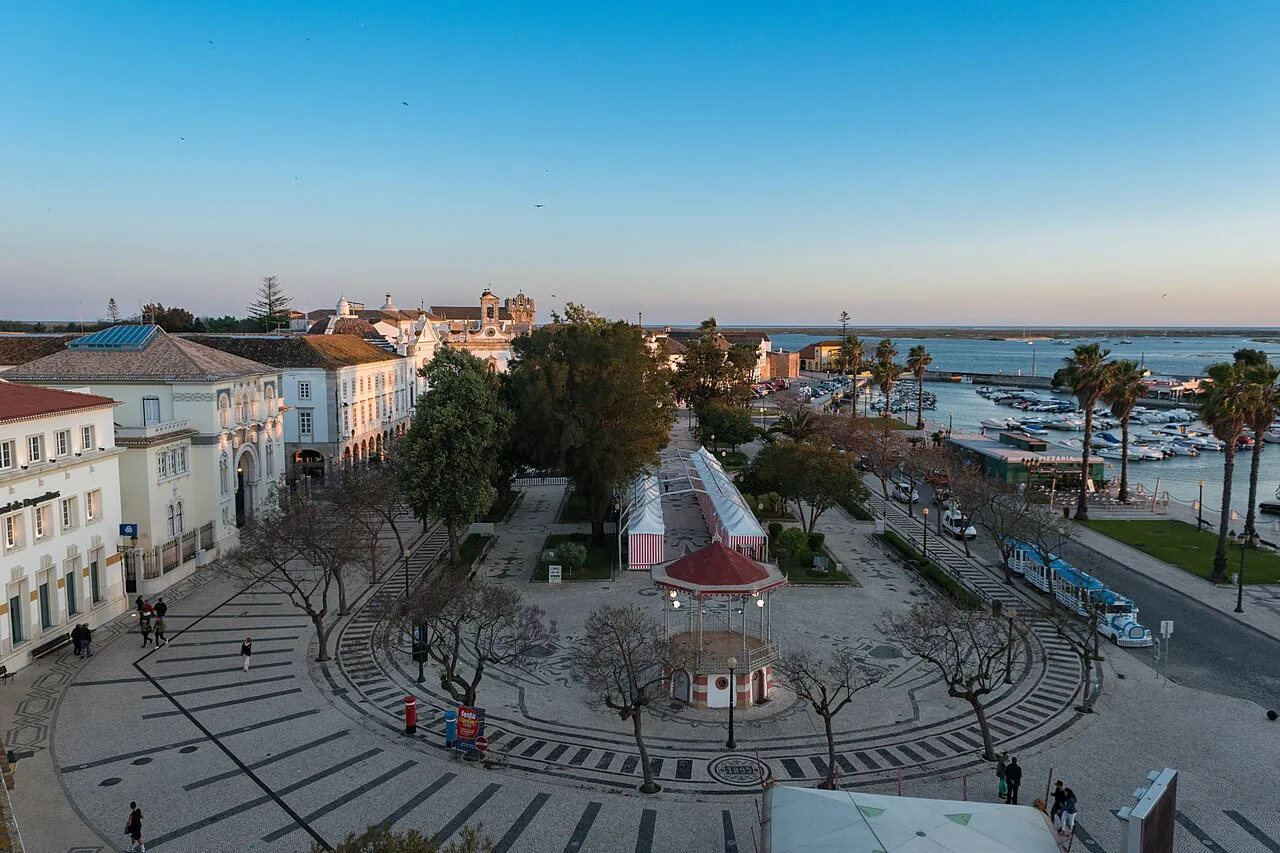
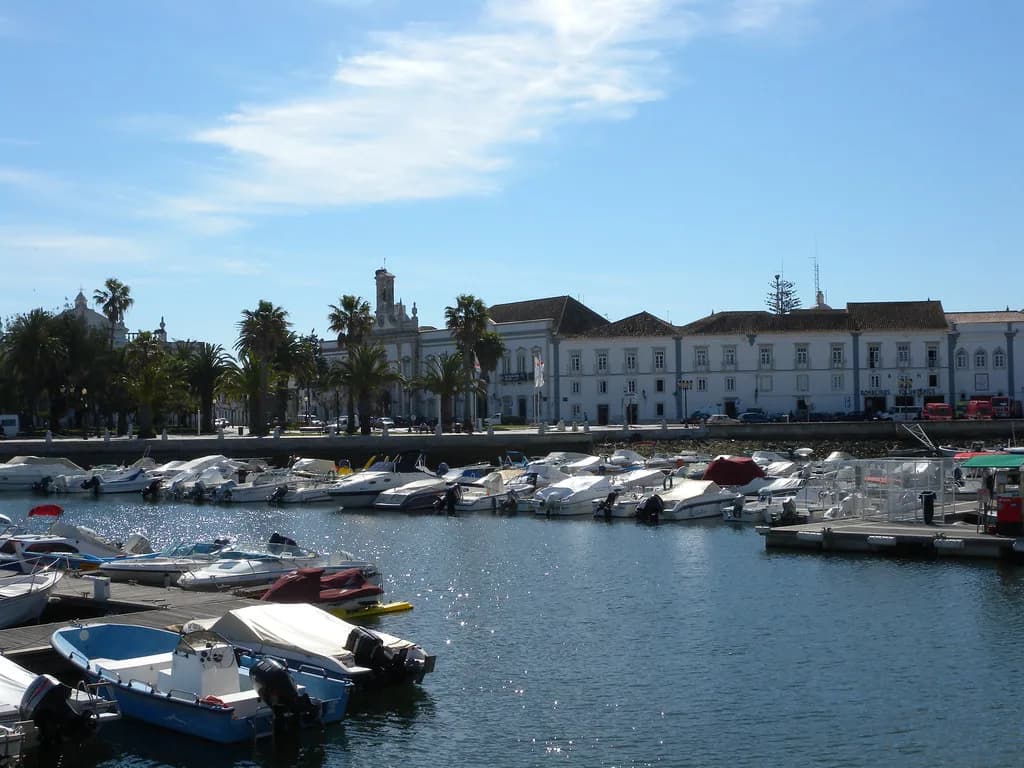
Departures cluster around the waterfront at Jardim Manuel Bivar and the marina area, a couple of minutes' walk from the Arco da Vila gate into the old town. That makes a boat trip easy to pair with sightseeing: you can walk straight from the pier into the Cidade Velha afterwards. Group tours usually ask you to arrive a little before departure for boarding, so build in a margin rather than sprinting from a museum.
Booking ahead makes sense in high season, when the popular island crossings fill up, and it also confirms the meeting point, which can shift between operators. Check the confirmation for the exact pier rather than assuming every boat leaves from the same spot. A short walk along the waterfront will usually show you where the kiosks and boarding points are.
The main routes: Ilha Deserta, Ilha da Culatra and the Farol area
The Ilha Deserta route is the simplest: a crossing through the lagoon, a landing on the island, and time to walk the boardwalk towards the beach and the cape. Because there is no village, there is nothing to browse and nowhere to shelter beyond the facilities at the landing, so this route rewards walkers and birdwatchers more than shoppers.
The Culatra and Farol route has more moving parts. Boats typically stop at more than one landing, and you can spend time in the fishing village before walking west along the island towards the Farol lighthouse settlement. It suits travellers who want a meal, a swim and a wander rather than an empty beach, and it is the better option if you are travelling with children who need something to look at between swims.
Some tours combine the islands with a look at the lagoon's channels and sandbanks without a long stop ashore. That format works well if you have only an afternoon and want the scenery without committing to a ferry timetable, though you will see less of the islands themselves.
How long a trip takes and how much time you spend on land
Expect to give a lagoon boat trip half a day rather than an hour. The crossing itself is short, but the point of the trip is the time on the island, and a guided tour that includes a stop typically builds in a stretch ashore before the return leg. If you only have a spare hour, a round-trip cruise through the channels is the realistic choice.
Independent travellers who use a water taxi control the ratio themselves: you decide how long to stay and arrange a return pickup time. The trade-off is that you lose the commentary and have to be disciplined about the return, because missing it strands you on an island with no other transport. Group tours remove that risk at the cost of fixed timings.
Guided tour or water taxi: which suits you
A guided tour is the lower-effort option. Someone else handles the route, points out the channels and wildlife, and gets you back on schedule, which is worth paying for on a first visit when you do not yet know the geography of the lagoon. It also suits solo travellers and couples who would rather not negotiate a private crossing.
A water taxi or private crossing wins if you want to be on the island at a specific time, such as early morning before the groups arrive, or if you want a long walk to Cabo de Santa Maria without watching the clock. Groups are also a consideration: a private crossing can work out more sensibly for four or five people sharing the cost than several individual tour places.
Whichever you choose, the operator's own listing is the place to confirm departure times, meeting points and what is included. Those details change with the season and the tide, so read the current listing rather than a description written months ago.
What you see on the water
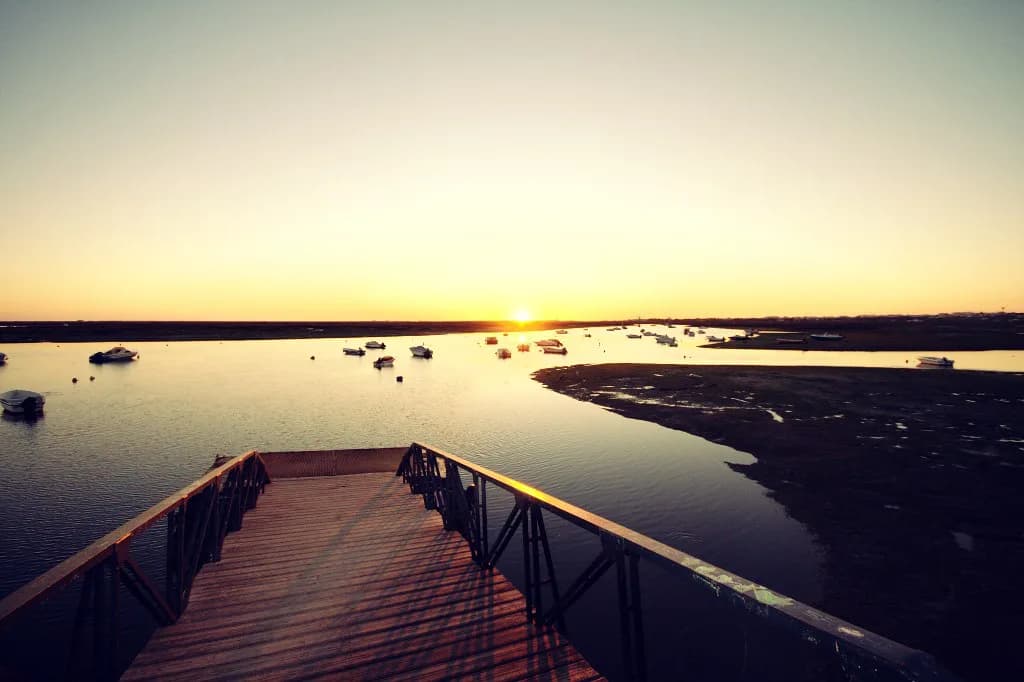
The lagoon landscape is the main attraction: pale sandbanks, eelgrass beds, salt marsh and the low, long line of the barrier islands. The Ria Formosa is a stopover and breeding ground for wading birds and waterfowl, so keep binoculars handy and scan the flats as the boat passes. Seagulls and terns are the reliable company; anything rarer is a bonus rather than a promise.
Wind shapes the experience more than anything else. A brisk breeze on the lagoon means spray and a bumpier ride in a small open boat, so a light layer and a bag that can take a splash are sensible. Operators cancel or reshuffle when conditions turn, which is another reason to book for early in your stay rather than your last morning.
Boat trip or kayak and paddleboard hire
Kayaks and paddleboards let you explore the sheltered channels at your own pace and get much closer to the water and the birdlife. The trade-off is range and effort: you cover less ground, you need fair weather and you should be honest about your paddling ability before heading into open stretches of the lagoon.
A boat trip reaches islands that would be a long, exposed paddle away, and it runs whatever your fitness level. If your short break is two or three days and you want the islands without a workout, take the boat; save paddling for a spare afternoon when the wind is light.
Filling the rest of the day around a boat trip
Pair a morning crossing with the old town in the afternoon. The Arco da Vila is the ceremonial gateway into the walled centre and contains an interpretive centre on the city's history, which makes a compact introduction before you wander the streets around the Sé. See our Things to Do in Faro guide for more on the old town.
If you would rather start indoors, the Museu Regional do Algarve on Rua do Pé da Cruz holds around 1,400 pieces collected by the painter Carlos Porfírio, covering fishing, farming and domestic life across the region. It opens Tuesday to Friday from 10:00 to 18:00 and Saturday from 10:00 to 16:30, and closes on Sundays and Mondays. Adult admission is €2.50, with a combined ticket for the regional and municipal museums at €5.00.
For a slower few hours, the municipal market near the waterfront and the shaded squares of the old town fill a morning without any booking. Shops and restaurants keep their own hours, so check a venue's own listing before building a day around one specific address.
What a boat trip costs and what moves the price
Fares for lagoon tours are set by the operator and vary with the route, the season, whether a landing is included and how long you stay ashore. Book directly with the operator or compare a few current listings rather than relying on a figure quoted in an older guidebook. The booking page states what each fare covers, including any park or landing fee.
Two factors usually push the price up: a private or water-taxi crossing rather than a shared group departure, and a route that stops at more than one island. Travellers on a tight budget get the best value from a shared group tour with a single island stop, while a small group splitting a private crossing often gets more flexibility for a similar outlay.
Which Faro boat route should you book?
Choose Ilha Deserta if you want quiet sand, a long walk to Cabo de Santa Maria and no distractions; choose Culatra and Farol if you want a village, a fish lunch and a swim. Book a group tour for a first visit with fixed timings, or a water taxi if you would rather set your own hours on the island. Either way, put the crossing early in your stay so wind or a reshuffled departure does not eat your last morning.
Finish the day back in the Cidade Velha, where the walls, the Sé and the squares give the lagoon crossing its context.
Explore more Faro guides
Sources
Notes for your next Portuguese break
Optional updates to our town guides.
You might also like

Continue reading
More guides you'll find useful