Castelo de Vide: Castle, Jewish Quarter and How Long to Stay
Plan a short break in Castelo de Vide with its hilltop castle, medieval Jewish quarter and synagogue museum, plus honest advice on how many days you need.
On this page
Give Castelo de Vide two nights if you can, or a full day and one night at a push; a half-day stop only makes sense if you skip either the castle hill or the Jewish heritage, because the two sit in different parts of town and the walk between them is steep. The town sits in the hilly northeast of Alentejo, close to the Serra de São Mamede, and its appeal is exactly that quiet, layered history rather than a checklist of big-ticket sights. This guide covers the layout, the castle and walls, the synagogue museum and the old Jewish quarter, plus how the days fit together and how to pair the town with Marvão.
Where Castelo de Vide sits and why that shapes a visit
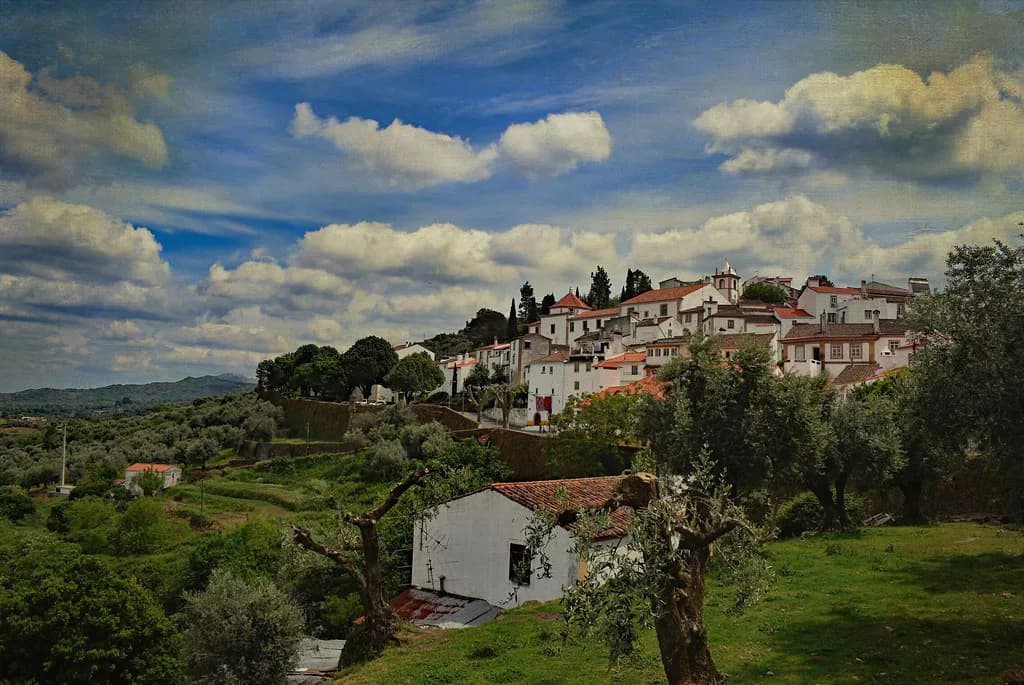
Castelo de Vide lies in the hilly northeast of the Alentejo, close to the Serra de São Mamede and the border country with Spain. That position gives the historic core a stacked shape, with the castle and walled medieval district above the rest of the town, so a day out is built around short walks with real gradients rather than long flat stretches. Treat the town as a place for slow wandering between named sights rather than a place you cross off in an afternoon.
The Serra de São Mamede gives the area its character, and the castle and museum centre of Castelo de Vide sit within the Parque Natural da Serra de São Mamede. If you are touring the region's walled and historic villages, Castelo de Vide fits naturally into that company, and the wider collection of Historic Villages of Portugal gives you a sense of how many similar places compete for a short break. Pick Castelo de Vide when you want the Jewish heritage and the castle in one place, and save the smaller stone villages for another trip.
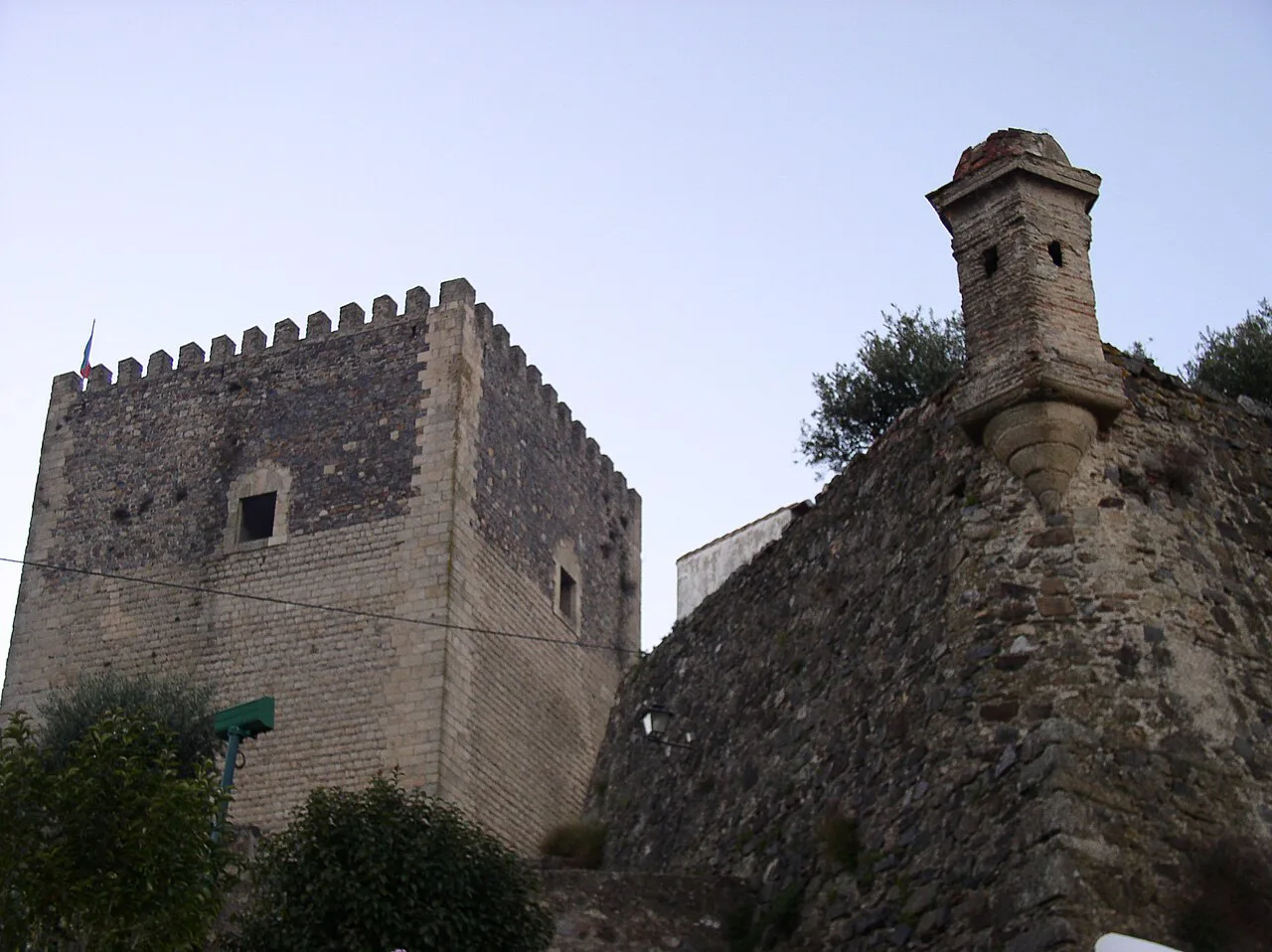
How the town is laid out: castle hill, medieval district and lower town
Think of Castelo de Vide in two parts. At the top is the castle, with the medieval district enclosed within its walls; in the historic centre below is the old Jewish quarter, close to the castle walls, with the synagogue and its museum. The tourist office is small but keeps information sheets on the town, maps with suggested places to visit and maps of walks in the area, which makes it a sensible first stop for paper rather than relying on a phone signal in the narrow streets.
The practical consequence is that you should plan the day in one direction. Walk up to the castle and the medieval district while you are fresh, then come down through the Jewish quarter and into the lower town for lunch or coffee. Doing it in reverse means climbing at the end of the day, when the heat and the cobbles are least welcome.
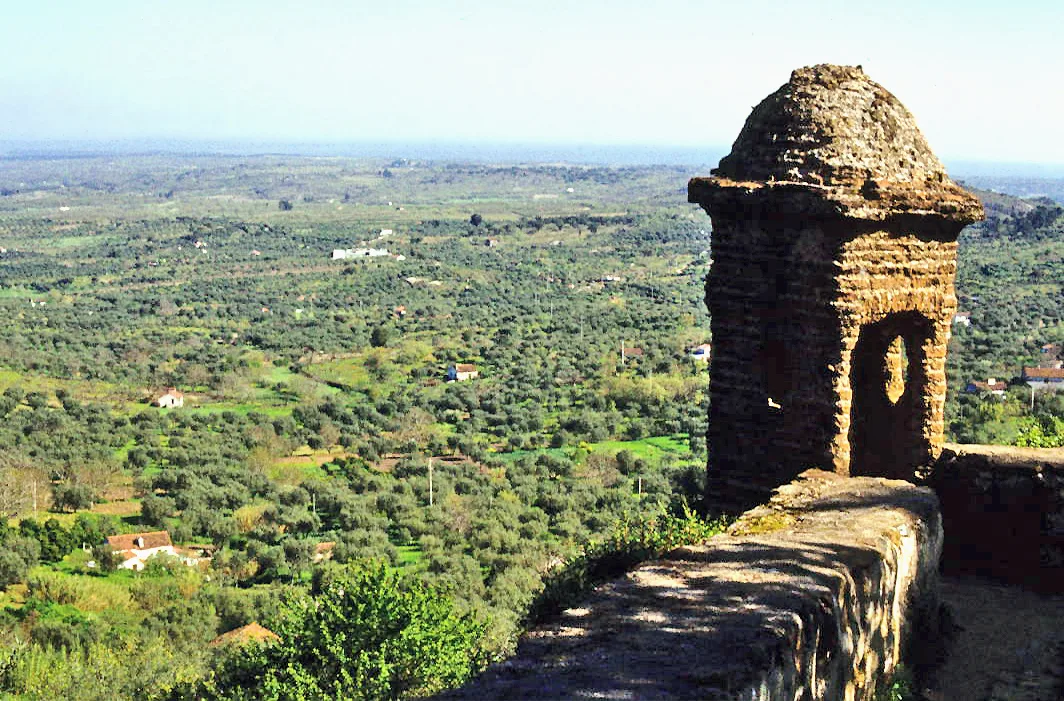
The castle walls and the medieval district inside them
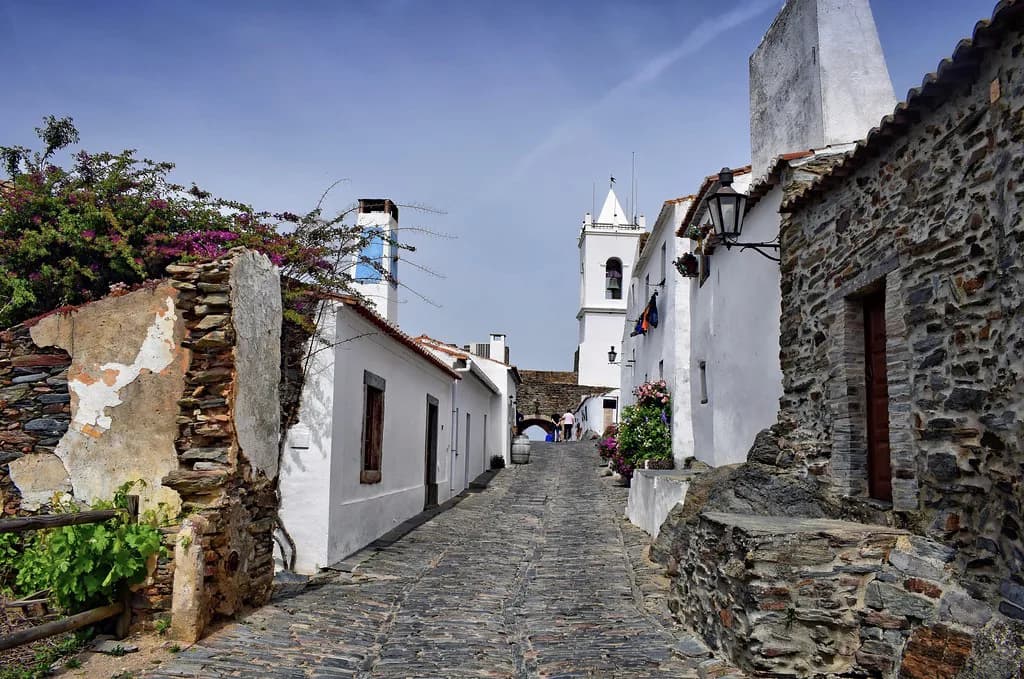
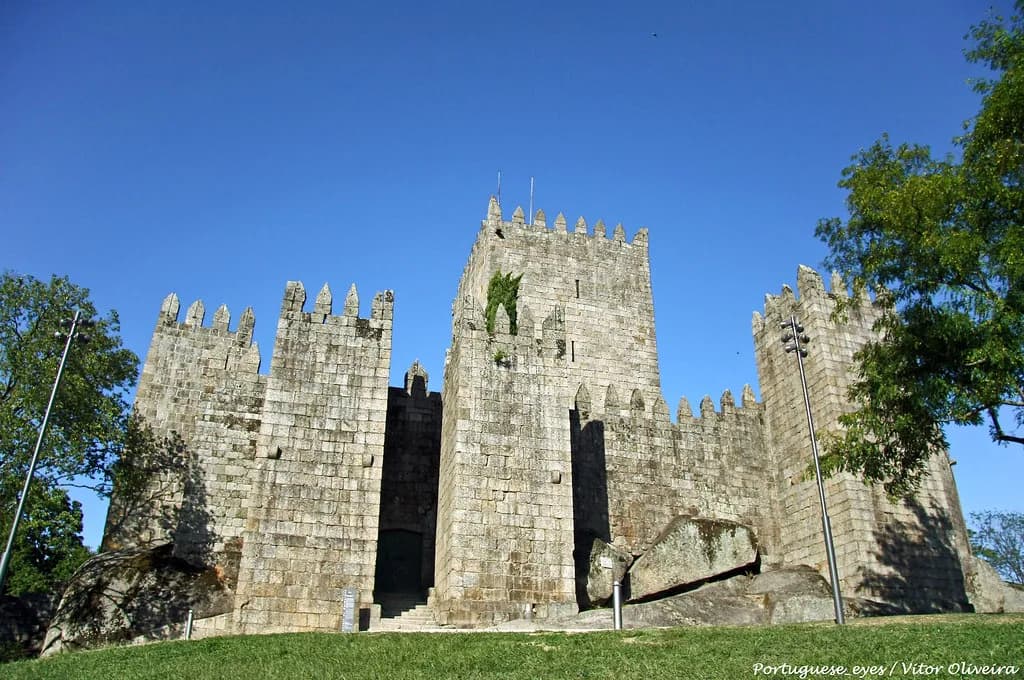
The castle is the reason most people come, and the visit is as much about the walls and the enclosed medieval district as about any single room. Climb the walls for photographs back over the town and the surrounding hills, then wander the lanes inside the old perimeter, where the streets and stone houses give the hilltop its sealed-off, centuries-old feel. Come for the position and the atmosphere rather than for a long interior tour.
Portugal has no shortage of celebrated castles, from island-set Almourol on the Tagus to the great monastic complexes of the centre, and the castle at Castelo de Vide belongs to a more intimate class. If your trip is castle-led, read around Portugal's castles before deciding where to spend your days, and accept that Castelo de Vide's appeal is the walled village inside the defences rather than spectacle.
The Museum of the Synagogue and the town's Jewish heritage
Castelo de Vide's Jewish heritage is the second reason to come, and it is inseparable from the old Jewish quarter in the historic centre. The Museum of the Synagogue sits close to the castle, and the surrounding streets let you see the quarter as a neighbourhood rather than a single exhibit. Give this part of town its own slot rather than squeezing it in after the castle, because the two visits ask for different attention.
For context on the wider story, read up on the Jewish history and heritage of Castelo de Vide before you arrive, so the museum and the street names mean something when you are standing in them. If you are comparing towns with a Jewish heritage thread, Belmonte Portugal is the other obvious name in this part of the country, and the two make a coherent theme for a longer tour. On a short break, though, Castelo de Vide's quarter plus its museum is enough on its own.
Other sights to fit around the castle
Beyond the castle and the synagogue museum, the pleasure of Castelo de Vide is the old streets themselves: stone doorways, small squares and long views that reward an unhurried hour. Check locally which churches and civic buildings are open for visitors, since religious buildings in small Portuguese towns often keep limited hours, and the tourist office's information sheets are the quickest way to confirm what is open on your dates. Do not build a day around a single interior you have not verified.
If you enjoy the schist-and-granite village atmosphere, the wider region has plenty of it, from the mountain schist of Piódão: Portugal's Schist Village in the Serra do Açor to the walled streets of Sortelha. Castelo de Vide is the Alentejo version, and it combines easily with a second town in a day or two. Use the Historic Villages of Portugal page as your map of what else is within reach.
How many days Castelo de Vide needs, and pairing it with Marvão
One full day covers the castle hill, the medieval district and the synagogue museum at a comfortable pace, with time for a long lunch. Two nights is better: it gives you a relaxed first afternoon, a full day for the sights and a slow morning before moving on, and it lets you see the town in evening light when the day visitors have gone. Three nights only makes sense if you are using Castelo de Vide as a base for the surrounding Serra de São Mamede countryside.
The natural pairing is Marvão, another walled hilltop village a short drive away, and the two make a genuinely good double bill of border-country castles. Read up on Marvão before you go so you can decide which of the two gets the sunset. Treat the drive as a simple logistics decision rather than a day-trip production: check the route and travel times yourself, and keep the afternoon free for whichever village you prefer.
Opening times and ticket prices for the castle and museums
Ticket prices for the castle and the museum centre are not something to guess at, and the reliable approach is to check the Castelo de Vide castle and museums page on the Parque Natural da Serra de São Mamede site before you travel. Opening hours in small Alentejo towns can change with the season and with public holidays, so confirm them for your dates rather than assuming a standard pattern. If a museum is closed on the day you arrive, the castle walls and the old streets still fill a morning.
The one timing worth building into your day is lunch, because small-town Portugal goes quiet in the early afternoon and some places close one day a week. Ask at the tourist office which day that is locally, and plan the museum and castle for the morning. Carrying your own water and a little patience for closed doors is more useful here than a strict timetable.
Getting around on foot: slopes, stairs and calçada underfoot
Castelo de Vide is a walking town, and the walking is uphill. The climb from the lower town to the castle involves steep streets and uneven calçada underfoot, so wear shoes with grip and leave the smooth soles at home. The medieval district inside the walls has narrow lanes and steps between levels.
If anyone in your party has mobility limitations, plan the day so that the castle is reached by the shortest possible climb and the rest of the time is spent in the flatter lower town and around the synagogue museum. Late afternoon is the kindest time for the ascent in warm weather. None of this is difficult walking, but the cumulative gradient is what catches people out.
Where to eat in Castelo de Vide and what Alentejo dishes to order
Eat Alentejo food while you are here: the region is known for pork, migas, soups and robust red wines, and a tasca lunch is the most honest introduction. In a town of this size, the choice of restaurants is limited and many close one day a week, so decide where you want your main meal early in the day rather than at eight in the evening. Ask at your accommodation or the tourist office which places are open on your dates.
Do not expect city hours. Lunch service is generally the main event and the window between services is long, so a late-afternoon coffee and a pastry is a better bet than a full meal at four o'clock. If you are moving on to Marvão or deeper into the Alentejo, plan your evening meal around whichever town you are sleeping in.
The tourist office and maps for walks in the area
The Posto de Turismo de Castelo de Vide is small, but it holds information sheets on the town, maps with suggested places to visit and maps of walks in the area. That makes it worth ten minutes on arrival, especially for the paper maps, which are more useful than a phone in the narrow streets. Pick up the town map and the walk maps in one go.
Use the walk maps to choose a short outing into the Serra de São Mamede rather than to plan a full hiking day, and ask staff which routes suit your time and fitness. The Castelo de Vide castle and museums page on the natural park site gives the official framing of the castle and its museum centre. Between the two, you have enough to plan without guesswork.
Practical trade-offs: what to skip if you have one day
With a single day, choose between the castle hill and the Jewish heritage rather than trying to do both properly. If you want the views and the medieval streets, give the morning to the castle and walls, then eat in the lower town and leave the synagogue museum for next time. If the Jewish story is why you came, do the museum and quarter first, then climb to the walls only if time and energy allow.
Skip the surrounding countryside, the longer walks and any second village. Trying to add Marvão to a one-day visit means spending the best hours in the car and seeing both places badly, so keep Marvão for an overnight of its own. If you are building a wider tour of Portugal's historic stone villages, Monsanto Portugal is the other name worth planning a separate day around, and the Historic Villages of Portugal page gives you the full menu to choose from.
Is Castelo de Vide worth an overnight?
Yes, if you care about the Jewish heritage and the castle together and want to see them without hurrying. The town is small enough that a day covers the main sights, but an overnight turns a steep, hot climb into a gentle sequence of morning castle, afternoon museum and evening in the old streets. One night is the sensible minimum; two is better.
If you only have half a day, pick one thread and do it well rather than trying to fit both. Check ticket prices, opening days and restaurant closing days for your own dates before you commit, and let the walking pace of the town set the shape of the day.
Explore more Portugal guides
Sources
Notes for your next Portuguese break
Optional updates to our town guides.
You might also like
Continue reading
More guides you'll find useful