
Monsaraz: A Short Break Guide to the Walled Village Above the Alqueva
Plan a short break in Monsaraz, the walled Alentejo village above the Alqueva lake: the castle and walls, the old centre, what to see and how long you need.
On this page
Monsaraz needs half a day for the village inside the walls and a full day if you add the Alqueva lake and the prehistoric monuments scattered around it. It is a small fortified hilltop village in the Alentejo, not a town with a museum quarter, so the pleasure is in the walking, the views and a handful of named sights rather than a long checklist. This guide sets out what stands where, how the walls and castle work, which museums and megaliths are worth your time, and how to fit Monsaraz into an Alentejo short break anchored on Évora.
What Monsaraz is and why it is worth visiting
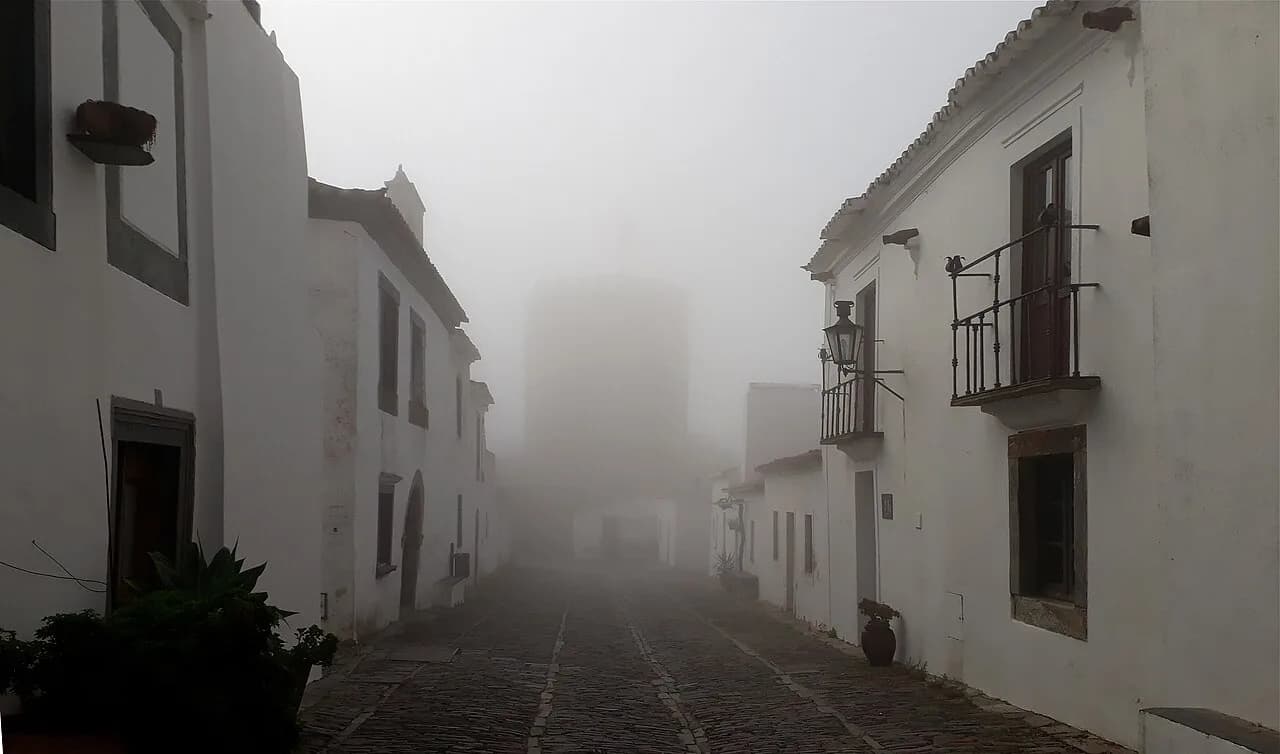
Monsaraz is a tiny fairytale walled village with a medieval atmosphere that has survived largely intact on its hilltop, according to the travel guide Golisbon. The walls were originally raised by the Knights Templar, and the fortifications still ring the old settlement today. What makes it worth the detour is the combination: a compact medieval core you can cross on foot in minutes, and a sudden, wide view over the Alqueva reservoir and the plains beyond.
The village rewards slow walking rather than ticking off sights: cobbled lanes, whitewashed houses and low gates do most of the work, with the castle and viewpoints at the top of the slope. It sits naturally in the same family as Portugal's other historic villages, so build it into a route rather than treating it as a single errand. Try to reach the lanes before midday, when the light is flatter and the streets quieter, and keep the afternoon free for the lake side.
How the village is laid out
Monsaraz works as two rings. The outer ring is the wall itself, with gates that lead into the old centre; the inner ring is the top of the hill, where the castle sits. Everything between is a tight web of lanes, small squares and whitewashed houses, so you rarely walk more than a few minutes between one gate and the next, and you can leave the car outside the walls and walk the whole village on foot.
The Urban and Traditional Center of Monsaraz is itself one of the village's headline attractions, alongside the castle and walls, so treat the streets as the sight rather than a corridor between sights. The surface is uneven calçada and cobbles, so shoes matter more than distance; the outer lanes near the gates are easier than the climb to the castle.
The castle and walls
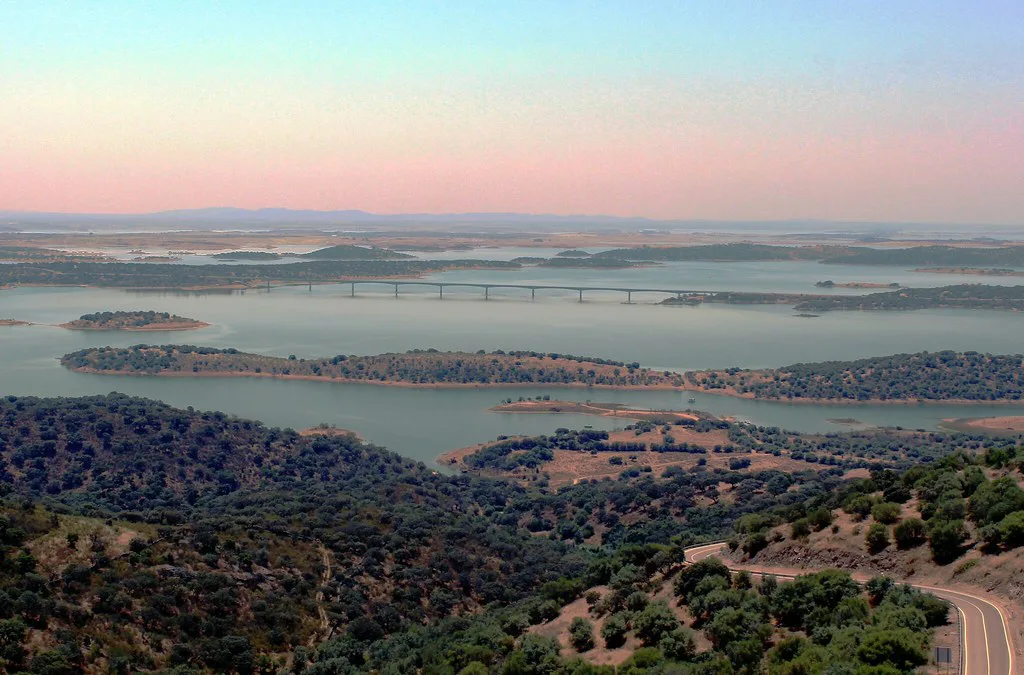
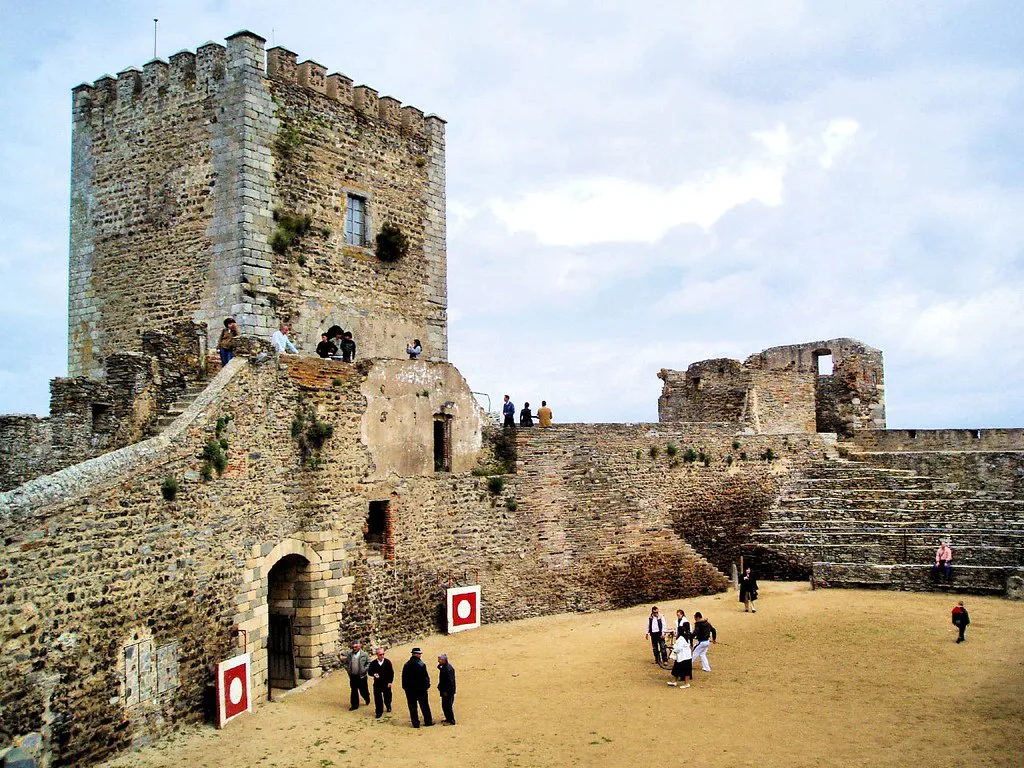
Monsaraz Castle is the anchor of the village: a fourteenth-century fortress on the summit, with panoramic views across the valley, Lake Alqueva and countryside dotted with olive groves and vineyards. The castle and walls are consistently rated among the top things to do in the village, so this is the one stop to build the rest of your day around.
The walk between the gates and the castle is short but uphill, and the reward is the outlook rather than a furnished interior. Give the views their own time, with the Alentejo plains stretching away on one side and the water of the Alqueva on the other, and carry water in warm months because the stone holds heat and shade inside the walls is patchy.
The old centre walk
Start at one of the main gates and walk the lanes towards the castle, letting the slope guide you. The route passes whitewashed houses, small chapels and a handful of squares, and the Igreja de Nossa Senhora da Lagoa is one of the churches named among the village's attractions.
Rua de Santiago is the village's best-known lane for a slow wander, and it makes a natural spine for the walk between the gates and the castle. Take it uphill in the morning, then drop back through the quieter lanes on the far side for the views, and allow about an hour without rushing.
Museums and heritage inside the village
The Museu do Fresco is the village's dedicated fresco museum, and it gives the old centre a cultural stop beyond the walls and views. Pair it with the castle on the same morning, since both sit within the compact core, and leave it for the hottest part of the day when you want shade.
The Casa da Inquisição is an interactive centre on Jewish history, and it is the other heritage stop worth building into your walk. Together with the fresco museum, it gives Monsaraz a genuine half-day of indoor content, so ask at the door about entry and opening times before you plan around either. If you are weighing a Jewish heritage stop against similar centres elsewhere in Portugal, the Castelo de Vide option offers a useful comparison for a longer trip.
Prehistoric and megalithic sights around the village
The countryside around Monsaraz holds a serious concentration of megalithic monuments. The Menir do Outeiro is a standing stone in the surrounding landscape, and the Cromeleque do Xerez is the best-known stone circle in the area, listed among the village's attractions. Plan these for daylight and the cooler parts of the day, since they sit out in open country.
The Anta 2 do Olival da Pega is a further megalithic tomb in the same landscape, and together with the menir and the cromeleque it makes a half-day loop for anyone interested in prehistory. You need a car or an organised tour to reach them comfortably rather than walking from the village gate. If you only have one day, pick either the cromeleque or the fresco museum, not both, and give the castle its proper time.
The Alqueva lake
The Alqueva is the largest artificial lake in Western Europe, spanning roughly 250 square kilometres as reported, and it is the reason the views from Monsaraz open out so dramatically. The Centro Náutico de Monsaraz by the water runs the Sports Lake Alqueva activities, from boating to birdwatching, for anyone who wants time on the reservoir rather than just looking at it.
The Observatório do Lago Alqueva is the lake's astronomy stop, and it gives the reservoir a purpose after dark for travellers staying overnight. The Praia Fluvial de Monsaraz is the village's river beach, a single optional stop rather than a reason to come. Access, sessions and booking vary with season, so check directly with the operators before building the afternoon around them; time the lake for late afternoon and keep the village for the morning.
How long you need
Half a day covers Monsaraz properly: the gates, the lanes, the castle and one museum, with time for the views. A full day lets you add the lake and one or two megalithic sites, and an overnight stay is what makes the stars over the Alqueva worth it, so give Monsaraz one day of a one-to-four-day Alentejo break rather than treating it as a standalone destination. More than a day inside the walls becomes repetition; the surrounding landscape is what justifies a second day.
If you want a walled hilltop with a stronger castle and more indoor sights, the Marvão option is the better comparison for a longer itinerary. For a boulder-built contrast in the same tradition, Monsanto is the other name to weigh against Monsaraz.
How to get there and how it fits with Évora
Monsaraz sits in the Alentejo, east of Évora, and the natural way to see it is as a stop on an Alentejo driving route anchored on Évora rather than a standalone trip. Évora gives you the museums and the city evening; Monsaraz gives you the walls, the castle and the lake the next morning. A car or a booked tour is the practical approach, and the approach roads wind, so allow more time than a map suggests.
Where to eat and drink in the village
The village has a small cluster of eateries: Sabores de Monsaraz, Taverna Os Templários and Xarez among them, with O Alcaide also named in the village guides. These are village-scale places rather than a restaurant row, so book ahead if you are a group and plan your day around the meal rather than expecting to eat wherever you land.
Closing days are set individually by each venue, so confirm your intended choice directly before you rely on it for lunch. If you would rather not gamble, eat a substantial lunch in Évora and treat Monsaraz as a coffee-and-pastry stop.
What to skip or save for another trip
With one to four days in the Alentejo, skip the lake activities if you are not a water person and skip the megaliths if you have no car. The castle, the lanes and one museum are the core, and the rest is optional texture. Equally, do not treat Monsaraz as a base for a whole Alentejo break: it is a half-day to a day, not a hub.
If you are collecting walled villages, the northern options such as Sortelha and Belmonte sit on a different route and deserve their own trip. Monsaraz's neighbours in the same southern cluster are best paired with Évora and the Alqueva rather than with the northern fortress towns.
Monsaraz compared with Évora
Évora deserves the overnight: it has the Roman temple, the cathedral and a full museum offering, and it works as a base for the whole region. Monsaraz is the day out from Évora, the place you drive to for the walls, the castle and the view over the Alqueva. If you only have one night in the area, spend it in Évora and day-trip to Monsaraz.
Monsaraz's own identity is the lake view, and no other village in the cluster offers that combination of walls, castle and water. The northern hilltop option at Castelo de Vide gives you a castle and a Jewish heritage centre in a different landscape, which makes a useful second stop on a longer trip.
Should Monsaraz get the night or the day?
Give Monsaraz the day, not the night, unless you specifically want the Alqueva observatory after dark. Base yourself in Évora, drive out in the morning, walk the lanes and castle, eat in the village or back in the city, and add the lake or a megalithic site if the afternoon holds.
If your Alentejo trip runs to three or four days, the same logic applies to the rest of the route: one base, day trips out, and no more than one walled village a day. Confirm museum opening and restaurant hours before you set out, since these are the two things most likely to reshape a Monsaraz day.
Explore more Portugal guides
Frequently Asked Questions
Is Monsaraz, Portugal worth visiting?
Yes, for the combination of a compact medieval walled village, a castle with wide views and the Alqueva reservoir below. Half a day covers the core, and a full day adds the lake and the megalithic sites around the village.
What is the Alentejo famous for?
The Alentejo is Portugal's wide, sparsely populated southern interior, known for its plains, olive groves, vineyards, whitewashed villages and hilltop fortifications. Monsaraz, with its walls and views over the Alqueva, is one of its classic stops.
Sources
Notes for your next Portuguese break
Optional updates to our town guides.
You might also like



Continue reading
More guides you'll find useful



