
Monsanto, Portugal: the Boulder Village Guide
Plan a visit to Monsanto, Portugal's hilltop boulder village: what to see, how long it takes, the climb to the castle and why early morning works best.
On this page
Monsanto is worth the long drive, but it needs about two hours rather than a full day. The village sits on a steep hill in eastern Portugal, its granite houses woven between giant boulders, with a ruined castle at the summit. This guide covers what to see, the walking route through the village, how the hill affects access, and how to fit Monsanto into a wider tour of the region.
What Monsanto is and where it sits in eastern Portugal
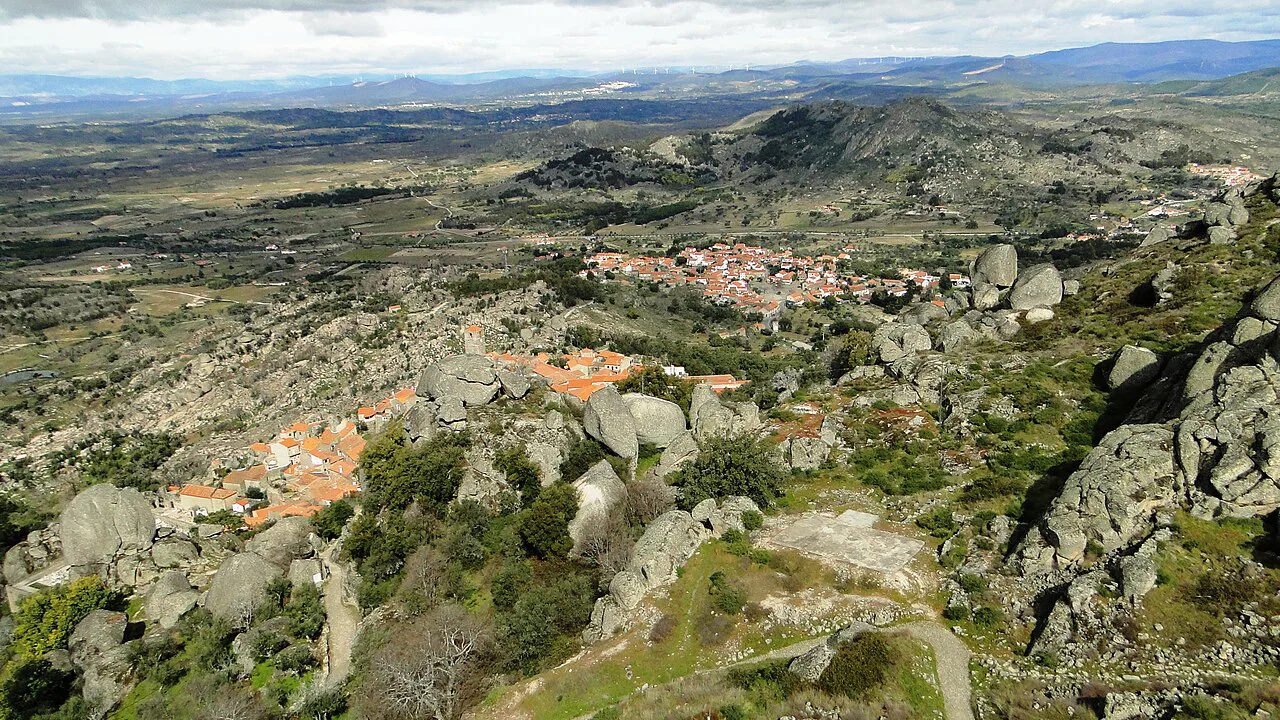
Monsanto is a village in the civil parish of Monsanto e Idanha-a-Velha, within the municipality of Idanha-a-Nova in the District of Castelo Branco. It lies in the Beira Baixa region, close to the Spanish border, in the arid and thinly populated eastern side of Portugal.
The setting explains both the village's history and its appeal. Its hilltop position made it a defensive stronghold, and the built fabric has changed little since the medieval era. Many travellers reach it as part of a tour of the historic villages of Portugal, which clusters several hill towns across this border country.
Why Monsanto is called the 'most Portuguese village in Portugal'
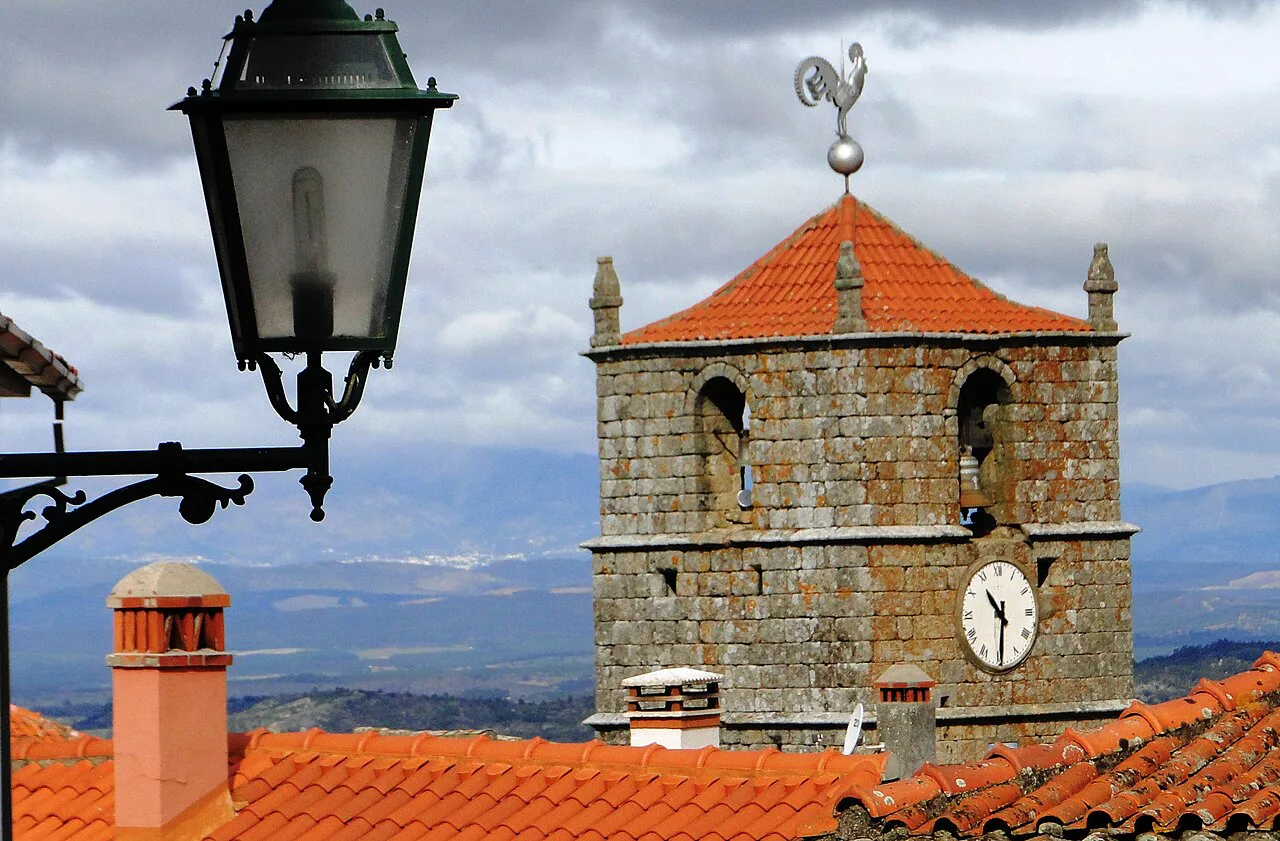
The label dates from 1938, when the Estado Novo regime held a competition between twelve villages to romanticise rural life and encourage farming. Monsanto won, and the prize was a silver Barcelos Rooster, which now stands on top of the Torre de Lucano clock tower.
The award had lasting practical effects. Development limits were written into law for the village and its surroundings, and the village has remained almost unchanged since 1938; the Edifício Multifunções is the only new building. The Torre de Lucano itself began life as a watchtower.
What to see: boulders, granite houses and cobbled lanes
The boulders are not confined to one photogenic corner but run through the whole village, and there are more of them than most visitors expect. Some have been hollowed out at the base to serve as pig-pens, and others are incorporated directly into houses. Granite cottages line narrow cobbled paths that wind up the hillside towards the castle.
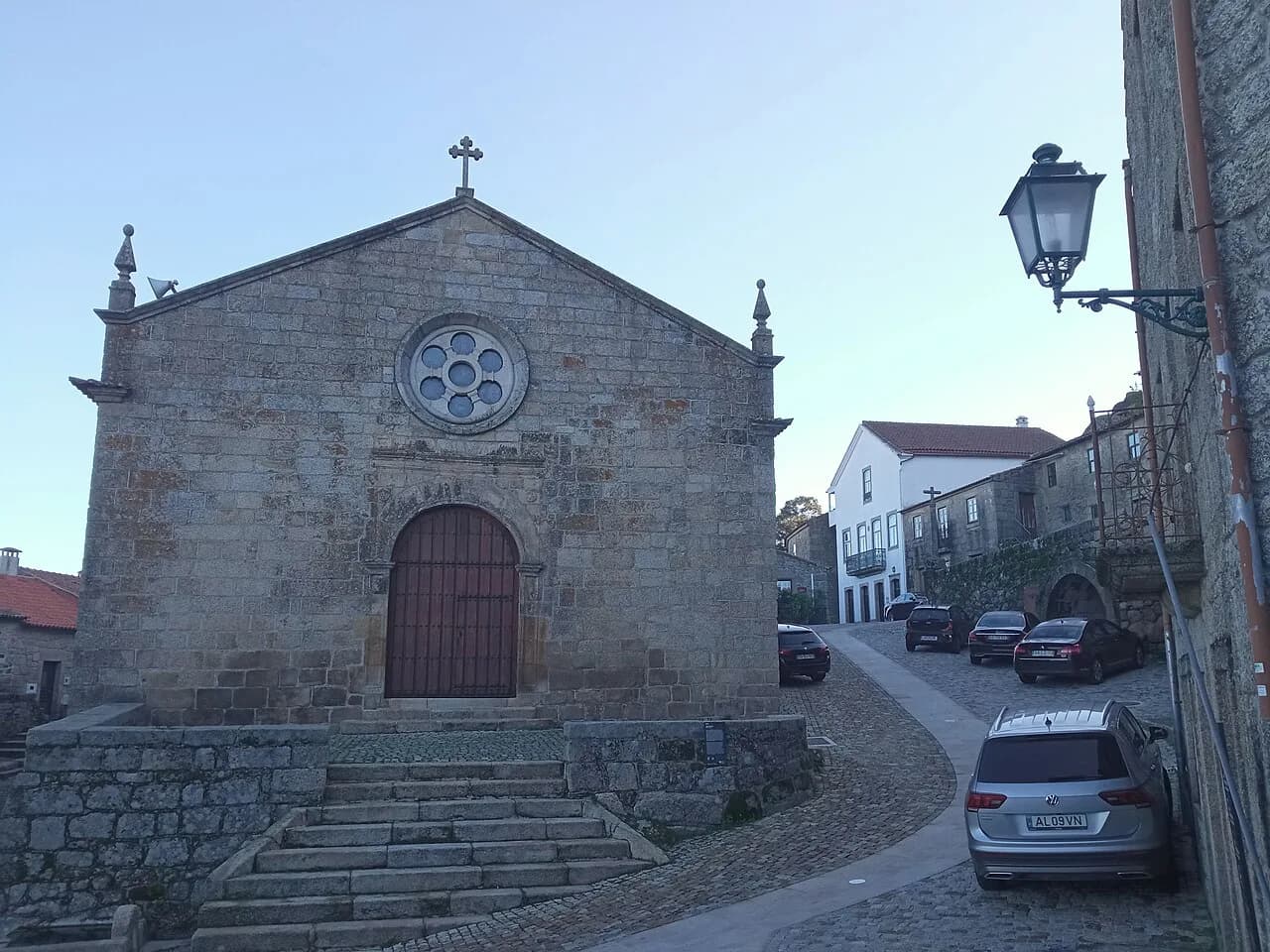
Two viewpoints frame the village. The Miradouro do Forno looks over the Petiscos & Granitos restaurant, which has a giant boulder as its roof, while the castle summit gives the broadest view back over the rooftops. The Igreja Matriz de São Salvador is the main church on the route up from the lower village.
The suggested walking route from Rua Fernando Namora to the castle
Most visits begin on Rua Fernando Namora, where cars must stop. The Miradouro de Monsanto car park at the top of that street holds only nine cars and marks the limit for traffic entering the village, so the walk starts there rather than at the castle gate.
The route then passes eight named sights in order: the Igreja Matriz de São Salvador, the Miradouro do Forno, the pig-pens dug beneath the boulders, the Ruínas da Igreja de São Miguel, the Castelo de Monsanto, the Igreja de Santa Maria, the Torre de Lucano and the Igreja da Misericórdia. The yellow-shaded area on the village map marks where most of the boulder buildings are concentrated. Allow time to wander off the main lane, because the boulders and houses continue beyond the direct path to the summit.
The castle ruins and the views from the top
The Castelo de Monsanto spreads across the summit, and much of it is ruinous after a large explosion in 1815 that began in the ammunition store. The ruins are sprawling and give fine views, but treat them as a side attraction to the village itself rather than the main event. The climb from the village lanes is on rough footpaths and cobbles, so sturdy shoes matter more than camera gear.
The view is the reward, and it is best earned early. The Torre de Lucano, with its silver rooster, stands near the top of the route, so the castle and the tower can be combined in a single loop before you walk back down through the village.
How long a visit takes and whether to combine it with Penha Garcia
Two hours is enough to see Monsanto properly. It is not a full-day destination, and most visitors explore the village and have a long lunch before leaving. The walking is short in distance but steep, so the time goes on the climb and the pauses rather than on covering ground.
Penha Garcia, 11km to the east, makes the best pairing: its castle was built by the Knights Templar, and a 3km fossil walk leads through granite hills to a reservoir. At a push you could add Castelo Branco, about an hour away, or drive the N339 through the Serra da Estrela, roughly 1h50. Further afield, the schist village of Piódão lies in the Serra do Açor and rewards a separate day rather than a detour from here.
When to go: time of day, summer heat and weekend crowds
Go as early in the day as you can. Early arrival gives you a better chance of a parking space near the top of the hill and avoids the draining summer heat, which is intense in this far eastern corner of Portugal from June to September. Exploring the cobbles under the midday sun is no fun.
Monsanto is popular with Spanish day-trippers, so weekends and Spanish public holidays bring the heaviest car traffic. If you are staying overnight, early evening is the best time to explore, once the day visitors have left and the village takes on a calm atmosphere.
Parking and the climb: what the hill means for mobility
Monsanto sits on top of a steep hill, and any visit involves a lot of uphill walking along cobbled streets and rough footpaths. This is the detail most promotional descriptions skip. If you have mobility issues, Monsanto is not the place for you, because it is not somewhere you can park and enjoy the sights from the car.
The car park at the top of Rua Fernando Namora is the practical limit for vehicles, but even from there the route to the castle is uphill on uneven surfaces. Build in rest stops at the Miradouro do Forno and the churches, and carry water in summer.
Should you stay the night in Monsanto?
Staying overnight is worthwhile if you want the village without the day-trippers. After they leave, Monsanto becomes calm and peaceful, and early evening is when it is at its best. The restaurants tend to offer better service in the quieter evenings, too.
The trade-off is that you are committing to a remote base with a long drive in and out. If you are touring the border villages, Sortelha and Belmonte lie further north in the same granite country and make more practical overnight stops for a wider circuit.
Getting there: the long drive from elsewhere in Portugal
Wherever you start from, Monsanto will be a long drive. The village sits in a sparsely populated part of eastern Portugal, and the road distances from the coast or the main cities are substantial. Plan the journey around a two-hour visit rather than the other way round, or fold it into a route that includes Penha Garcia or Castelo Branco.
The nearest larger towns set the shape of the trip: Castelo Branco is the regional hub to the west, and the N339 over the Serra da Estrela is a scenic but slow approach. Check your route and fuel stops before setting out, because services thin out across this country.
Is Monsanto worth the long drive?
Yes, if you accept what the journey involves. The boulder village is as striking as its photographs, and the castle ruins and viewpoints add a proper walk to the visit. Come early, park at the top of Rua Fernando Namora, allow two hours and pair it with Penha Garcia for a full day in the border country.
Explore more Portugal guides
Frequently Asked Questions
How far is Monsanto from Porto?
Monsanto lies in eastern Portugal near the Spanish border, so the drive from Porto is long. Check current route options and driving times before you set out, and consider breaking the journey with a stop in the Serra da Estrela or Castelo Branco.
Sources
Notes for your next Portuguese break
Optional updates to our town guides.
You might also like



Continue reading
More guides you'll find useful





