Lamego, Portugal: the Baroque Staircase and the Town Below
Plan a short break in Lamego with the Nossa Senhora dos Remédios staircase, the Sé cathedral and the Museu de Lamego, plus how much time the town needs.
On this page
Lamego needs a day rather than a fortnight, and the heart of it is one staircase. The Santuário de Nossa Senhora dos Remédios climbs the wooded hillside above town in 686 zigzagging steps past statues, fountains and tiled landings, and it is the reason most travellers get off the Douro boat. This guide covers the sanctuary, the Sé cathedral, the Museu de Lamego, the castle and the walking order that links them, then sets out how to fit the town into a short northern Portugal trip.
Lamego is not on the Douro itself but on a plateau roughly seven kilometres south of the river, which is why it feels like a functioning town rather than a cruise stop. Pinhão and Peso da Régua handle the boats; Lamego keeps the granite cathedral, the eighteenth-century mansions built on Port wine money and the market stalls. That geography is the first practical decision you make: base here, or visit from the river.
What Lamego is known for
Lamego carries a reputation as one of the principal cities of the Portuguese Baroque, thanks to its churches, palaces and civic buildings. In practice that means one monumental pilgrimage sanctuary on the hill, a severe granite cathedral in the middle and a dense old town of streets between the two. The Douro wine country wraps around the plateau on all sides, so the town works as a sightseeing stop and as a base.
If you are weighing Lamego against other stops in the region, it sits comfortably among the best towns in northern Portugal as a half-day of Baroque and a half-day of Douro landscape. The alternative is a riverside town such as Pinhão, prettier for an evening but thinner on monuments. Lamego wins on things to go inside.
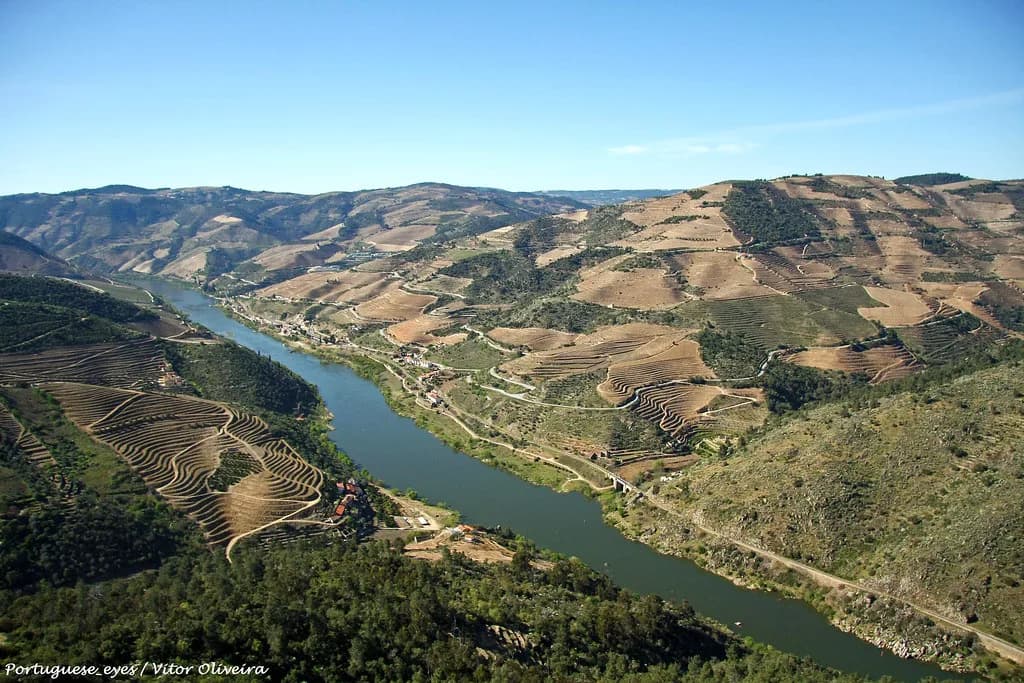
Where Lamego sits above the Douro, and whether to base yourself here
The plateau position has a real consequence: Lamego is quiet in the evenings and short on river views, while the Douro quintas and boat jetties are a drive away. Choose Lamego as a base if you want a working town with restaurants, a market and a cathedral on the doorstep, and accept that you will drive to the river. Choose Pinhão or Peso da Régua if the river itself is the point.
Coming from Porto, Lamego is manageable as a day trip and pairs naturally with the Baixo Corgo if you have a car. The town also sits within reach of the Dão wine city of Viseu, which makes a sensible second stop on a northern circuit rather than a same-day add-on.
The Santuário de Nossa Senhora dos Remédios: the 686-step staircase
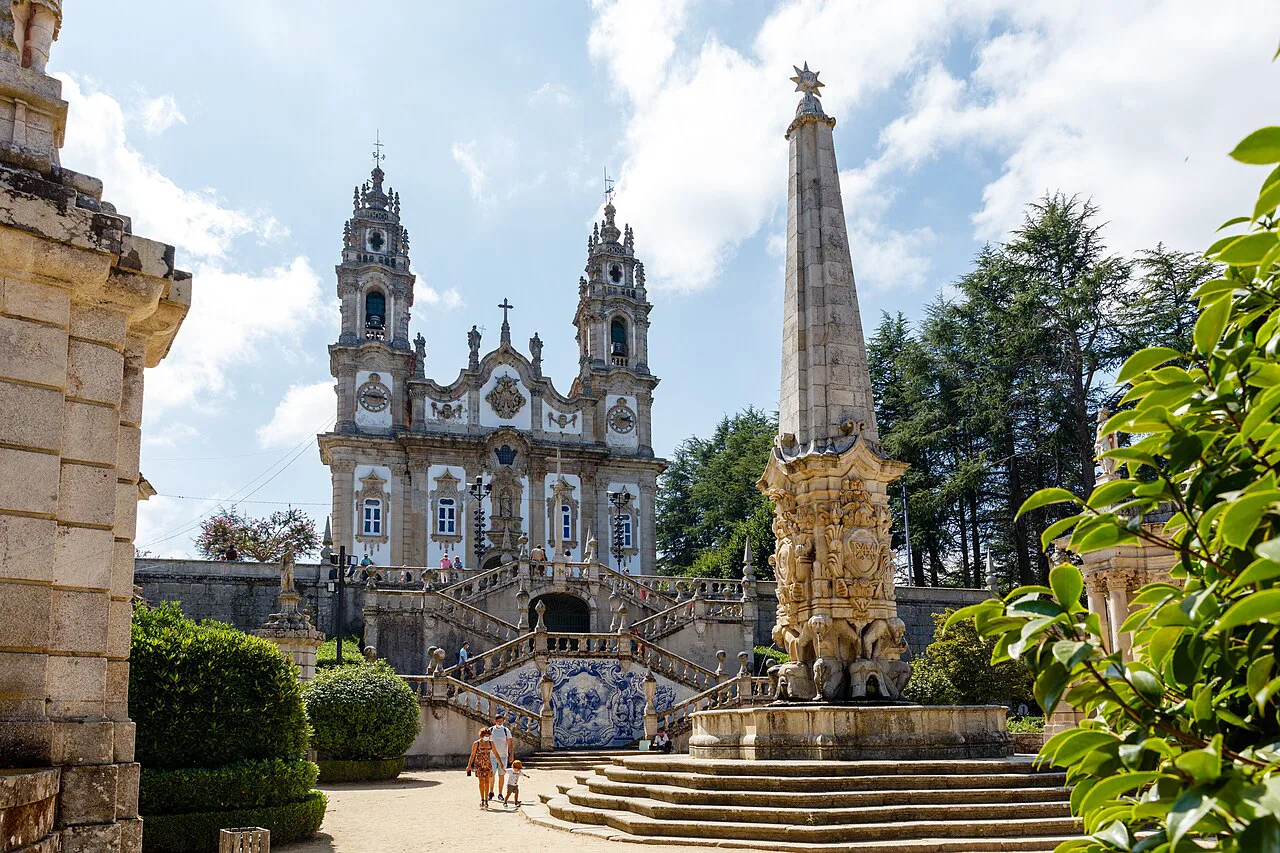
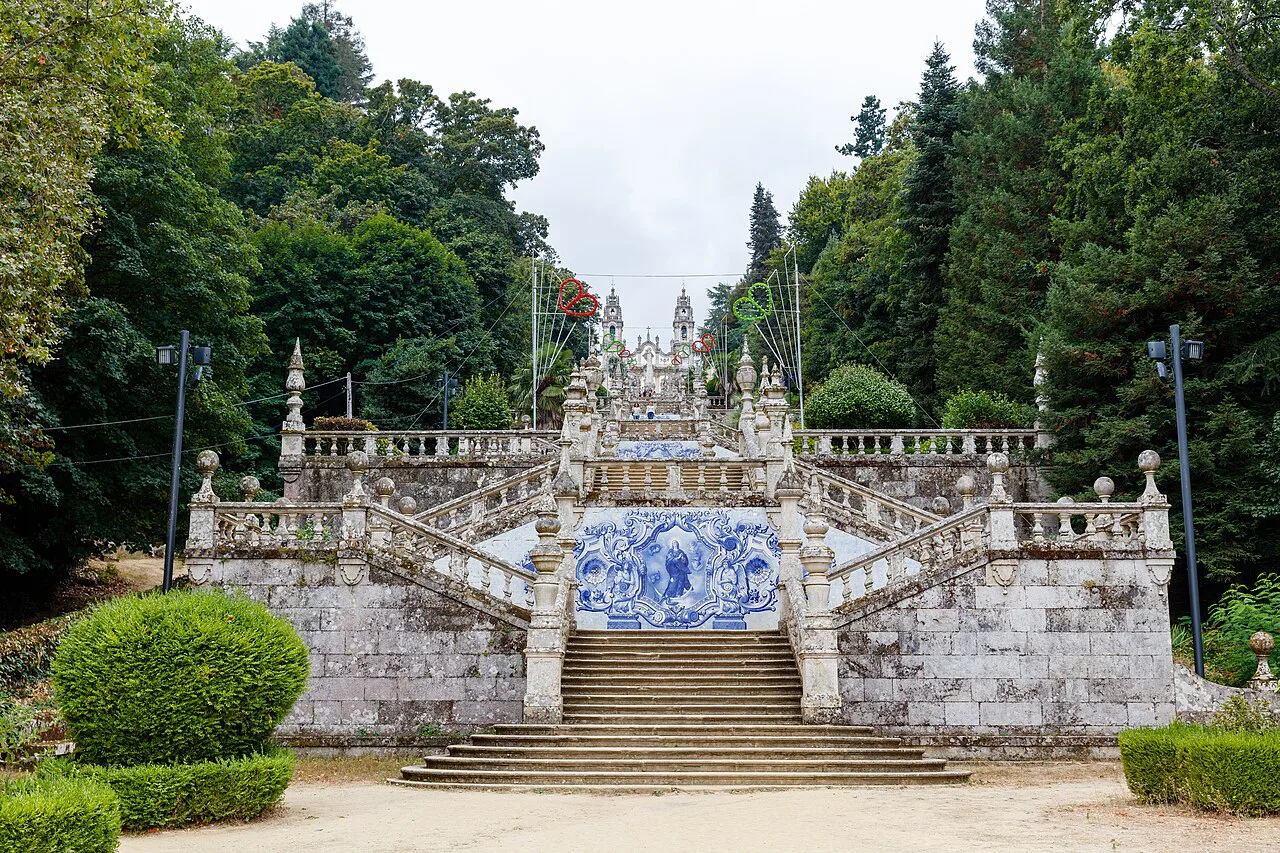
The sanctuary's Baroque staircase is the town's signature: 686 steps switching back up the hillside, fronted by statues, fountains and landings faced with azulejos. The pilgrimage church at the top is one of the most elaborate in Portugal, but the honest reward is the view back across the roofs and out to the Douro hills. Its design invites comparison with Bom Jesus do Monte in Braga; Lamego's version sees a fraction of the crowd.
Treat the climb as a physical decision, not a photo stop. Do it first thing in the morning and carry water; the ascent is punishing in summer heat, and the old town is best saved for the descent. Walking down through the Escadas and into the streets below is the natural walking order for the whole town.
Lamego's Sé cathedral: granite outside, Nasoni inside
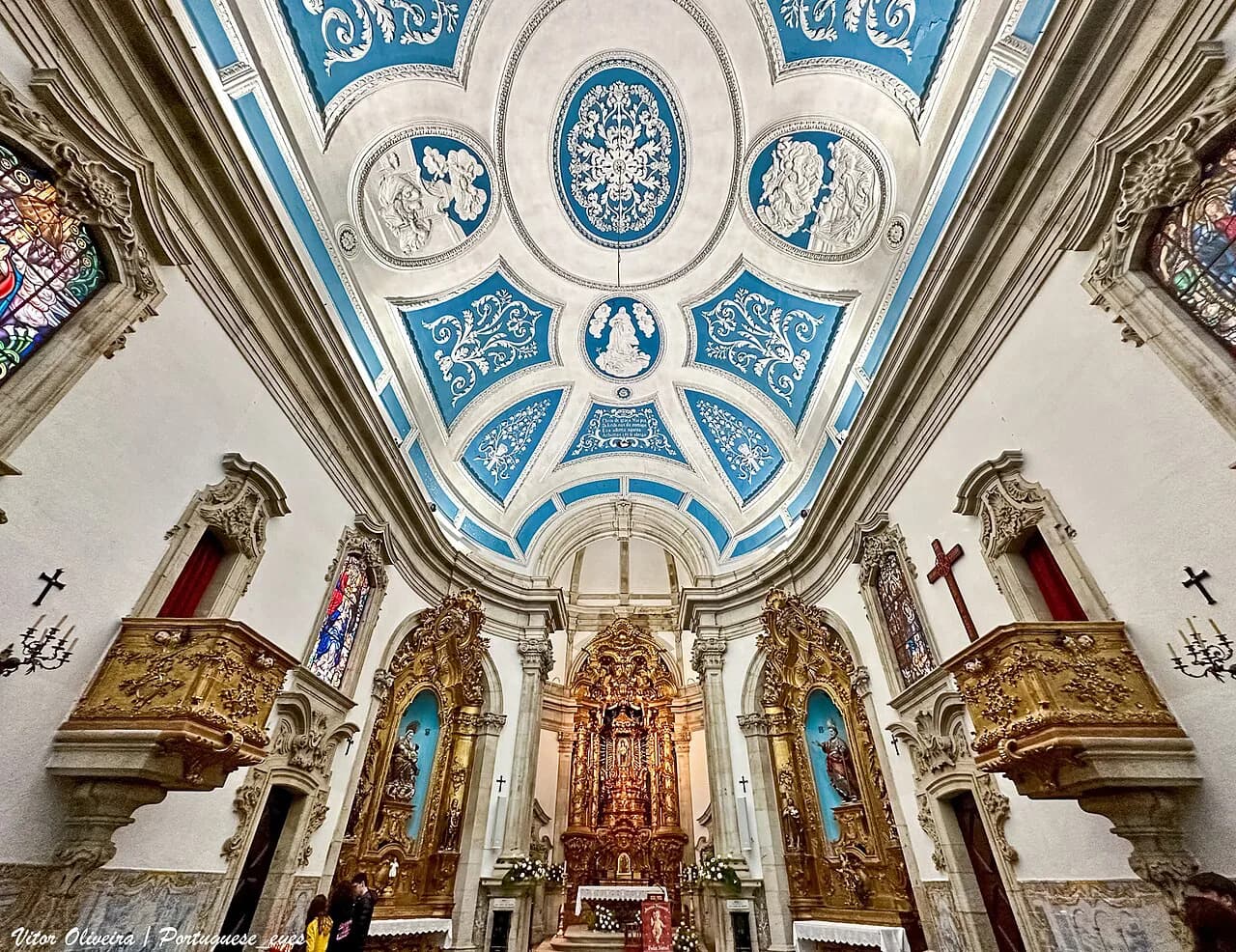
The Sé de Lamego looks like a fortress from the street: austere twelfth-century granite with a square Romanesque bell tower. Inside, the mood changes to a Renaissance cloister and a three-dimensional trompe l'oeil ceiling painted by Nicolau Nasoni, the Italian architect behind Porto's Clérigos tower. That contrast between forbidding shell and painted interior is the specific reason to step through the door.
The Museu de Lamego in the former Bishops' Palace
The Museu de Lamego occupies the former Bishops' Palace and ranks among the finest regional museums in Portugal. Its collection includes five panel paintings by the Renaissance artist Grão Vasco and sixteenth-century Flemish tapestries telling the story of Oedipus. On most days you will have whole rooms to yourself, which is rare for a collection of this quality.
Give the museum an hour if you like religious art and less if you do not; the tapestries are the part most travellers remember. Pair it with the cathedral, which is a short walk away, rather than saving both for the end of the day when energy runs out.
Castelo de Lamego, the Cisterna and Santa Maria de Almacave
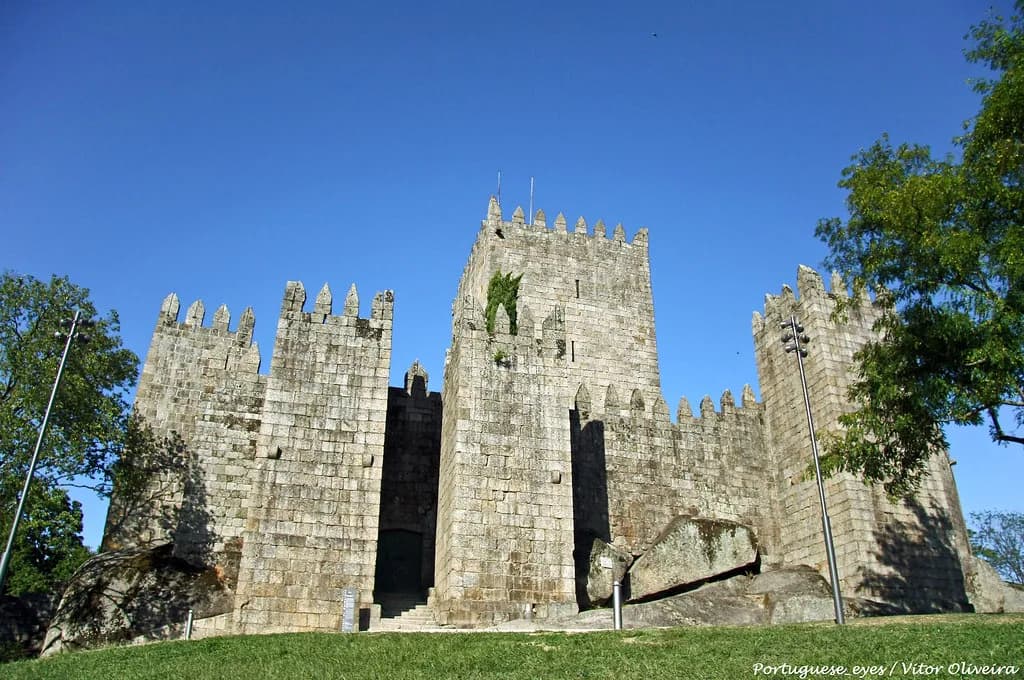
The Castelo de Lamego is a ruined Moorish castle whose keep still looks down on the town from the hill opposite the sanctuary. Below it, the Cisterna de Lamego is a stone water cistern worth a few minutes, and the Igreja de Santa Maria de Almacave is one of the old town's older churches. None of these needs long, but together they round out the walk between the museum and the lower streets.
If you enjoy comparing Romanesque and later church architecture across the north, the same instinct is rewarded in Chaves, Portugal, where the old town and castle sit tightly together. Lamego's version is smaller and steeper, and it fits into a single morning.
How much time Lamego needs: three hours or a slow day
Three hours of sightseeing covers Lamego's main monuments, which is why it works as a day trip from Porto. Rushing it means missing the point, though: the town's pleasure is the unhurried Avenida, the cafés and the evening light on the staircase. Book the three-hour version if Lamego is one stop on a longer Douro day; give it a full day and a night if you want the slower town.
Opening days and ticket prices for the Sé, the museum, the sanctuary and the castle vary, so check the town's own tourism pages or the venue noticeboards before you build a day around them. Everything else here is about order and pace, which you can plan now.
An evening on the Avenida
The Avenida Doutor Alfredo de Sousa is the town's grand tree-lined spine, with market stalls selling local presunto ham and cafés full of people socialising. An evening there, with a glass of Raposeira sparkling wine, is the version of Lamego that stays with people. The Caves da Raposeira sit within the town and are the local name to look for on a label.
If your northern Portugal loop also takes in Barcelos, the market culture will feel familiar, though Lamego's stalls lean towards cured meat rather than ceramics. Both towns reward travellers who turn up on an ordinary weekday morning rather than a set-piece occasion.
Getting the walking order right
Start at the sanctuary, climb the staircase while it is cool, then walk down through the Escadas and Pátio dos Reis into the old town. Take the cathedral, then the museum, then the castle and cistern, and finish on the Avenida. This order puts the hardest walking first and the cafés last, which is the reverse of the usual mistake.
Wear shoes with grip: the calçada and the staircase landings are uneven and slippery when wet. The full climb takes in the fountains and statues that make the staircase worth the effort, so allow time for them rather than treating the steps as pure transport.
What a day trip from Porto can realistically combine with Lamego
A realistic Porto day trip is Lamego in the morning and a quinta visit or a Douro boat ride in the afternoon, with lunch in Lamego itself. A car makes this comfortable; public transport makes it tight. Adding Peso da Régua to the same day is possible, though the riverside town is more of a transport hub than a sight in its own right.
If you are heading north afterwards, Valença, Portugal offers a walled border town that pairs well with a drive up the Minho, while Lamego pairs with the Douro. Both are fortress towns; only one comes with a Baroque staircase.
Where Lamego fits in a one to four-day northern Portugal itinerary
On a three- or four-day northern circuit, Lamego earns a half-day or a full day, usually paired with the Douro rather than with Porto itself. Travellers building a Baroque and palace itinerary often add the Mateus palace near Vila Real, whose formal gardens and house sit within easy reach of the Douro corridor.
For travellers heading further north-east, Bragança, Portugal is the natural extension of a Douro trip, with its walled citadel and mountain setting. Lamego is the gentler, wine-country counterpart: less fortress, more sanctuary.
Is Lamego worth the detour?
Yes, if you have a spare half-day in the Douro and can start early. The staircase alone justifies the stop, and the cathedral ceiling, the Grão Vasco panels and the Flemish tapestries give you three distinct reasons to go inside rather than photograph from the square.
Skip it only if your northern Portugal trip is already full of churches and your time is better spent on the river. Otherwise, put Lamego on the first morning of your Douro leg, climb while it is cool, and leave the afternoon free for the water.
Sources
Notes for your next Portuguese break
Optional updates to our town guides.
You might also like
Continue reading
More guides you'll find useful