Valença, Portugal: A Guide to the Walled Town on the Minho
Valença is a walled fortress town on the Rio Minho facing Spain. Walk the battlements, find the chapels and squares, cross to Tui and see how long it needs.
On this page
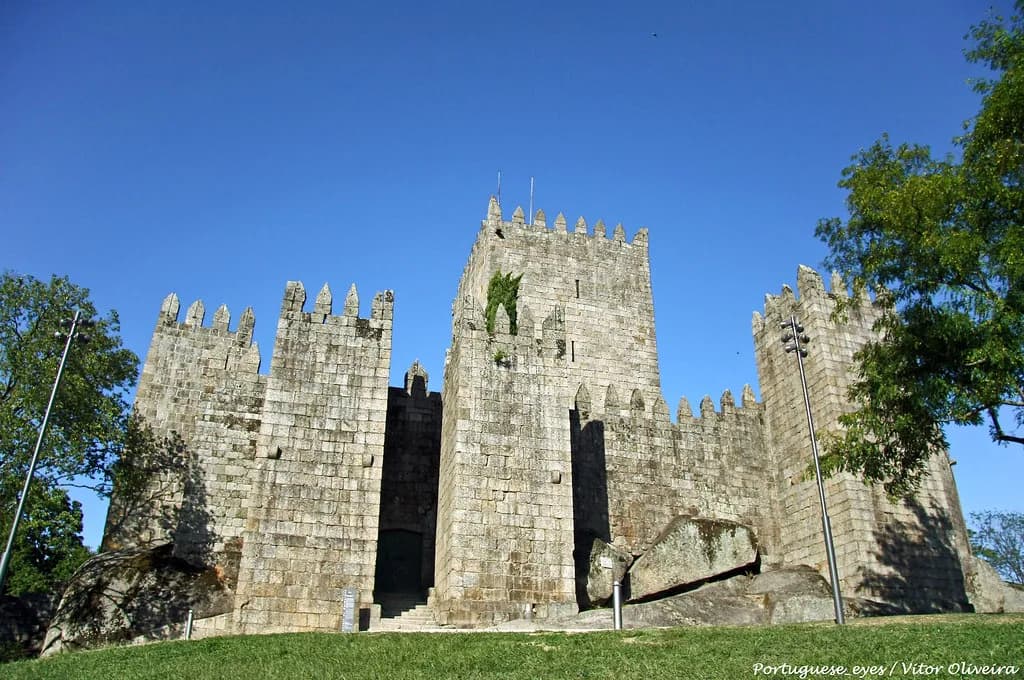
Valença is worth a stop of about three hours, and it earns those hours with walls rather than with museums. The town sits on the Rio Minho at the Spanish border, wrapped in a double ring of bastions that make it one of the most imposing fortifications in northern Portugal. This guide walks you through the gates, squares, churches and battlements in a sensible order, then explains the train and parking options and how to stretch the visit into a full day.
The municipality is small and border-bound: it covers 117.13 square kilometres alongside Tui in Galicia and recorded 14,127 residents in the 2011 census. That gives you a sense of scale before you arrive, because the historic centre you came to see is compact enough to cross on foot in minutes.
What Valença is and why it is worth the stop
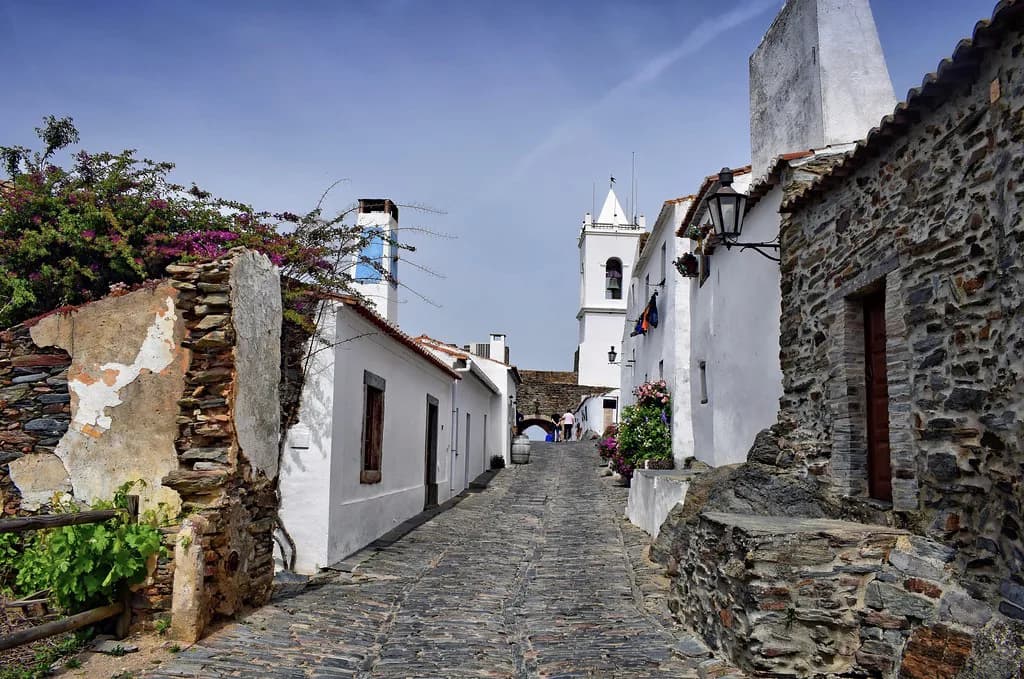
Valença is as far north as Portugal's regional railway line runs, so it makes an easy day out from Viana do Castelo without a hire car. The old town grew as the defensive answer to the Spanish town across the water, and the fortifications that survive are the reason to come. Expect a scenic, characterful historic centre inside the walls, with a drab modern town outside them that has little for a visitor.
The first walls went up in the thirteenth century, with major rebuilding in the seventeenth and eighteenth. Tui sits directly across the river in Spain, and the international bridge is the visual link between the two. If you are weighing up bases for a short break, this fits neatly with the fortresses, river towns and old centres covered in our guide to the best towns in northern Portugal.
How the fortress is laid out: two forts and a bridge
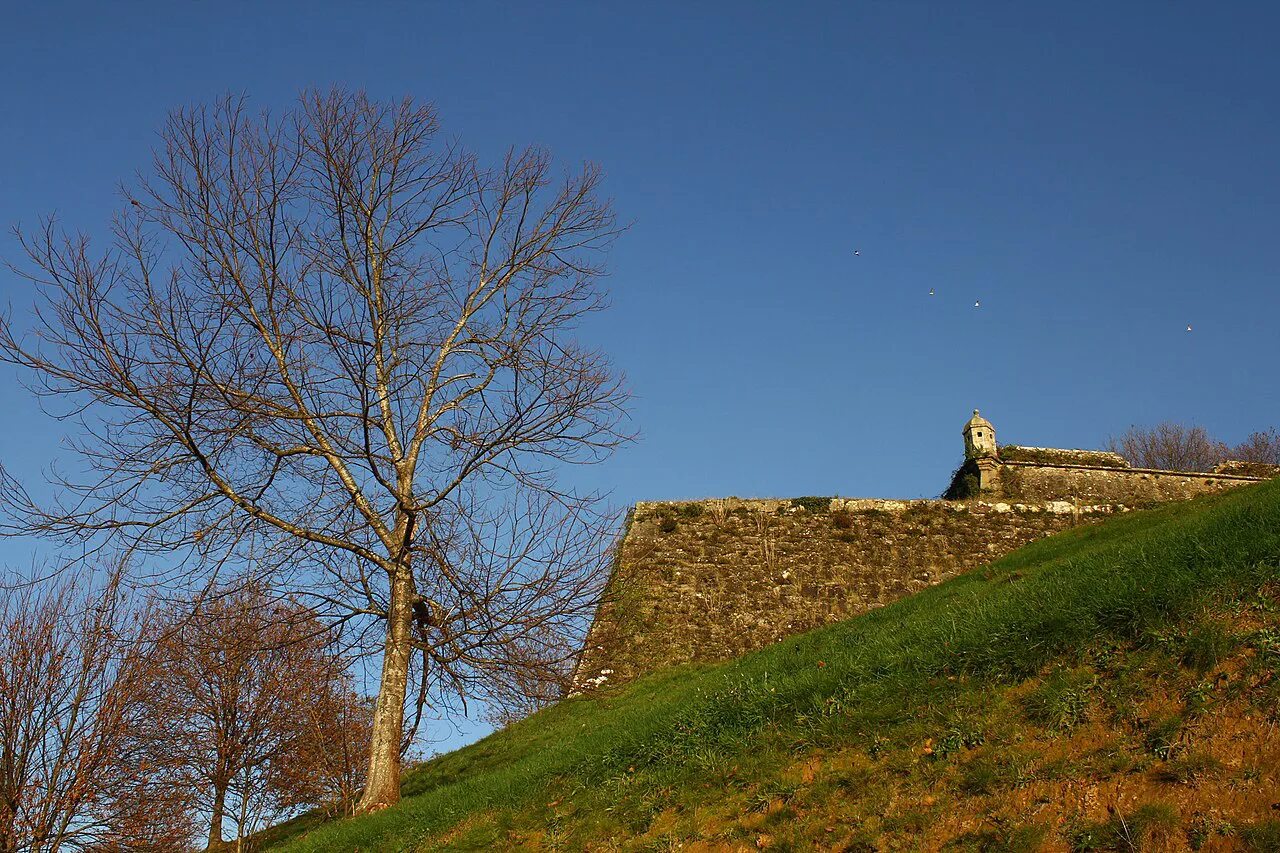
The town is effectively two fortresses on adjoining hills, joined by a raised walkway. The northern section is the larger one and holds the historic centre, the shops and the churches. The southern fort is less than half its size and quieter, with a significant portion given over to a car park.
Entering through the Portas do Sol
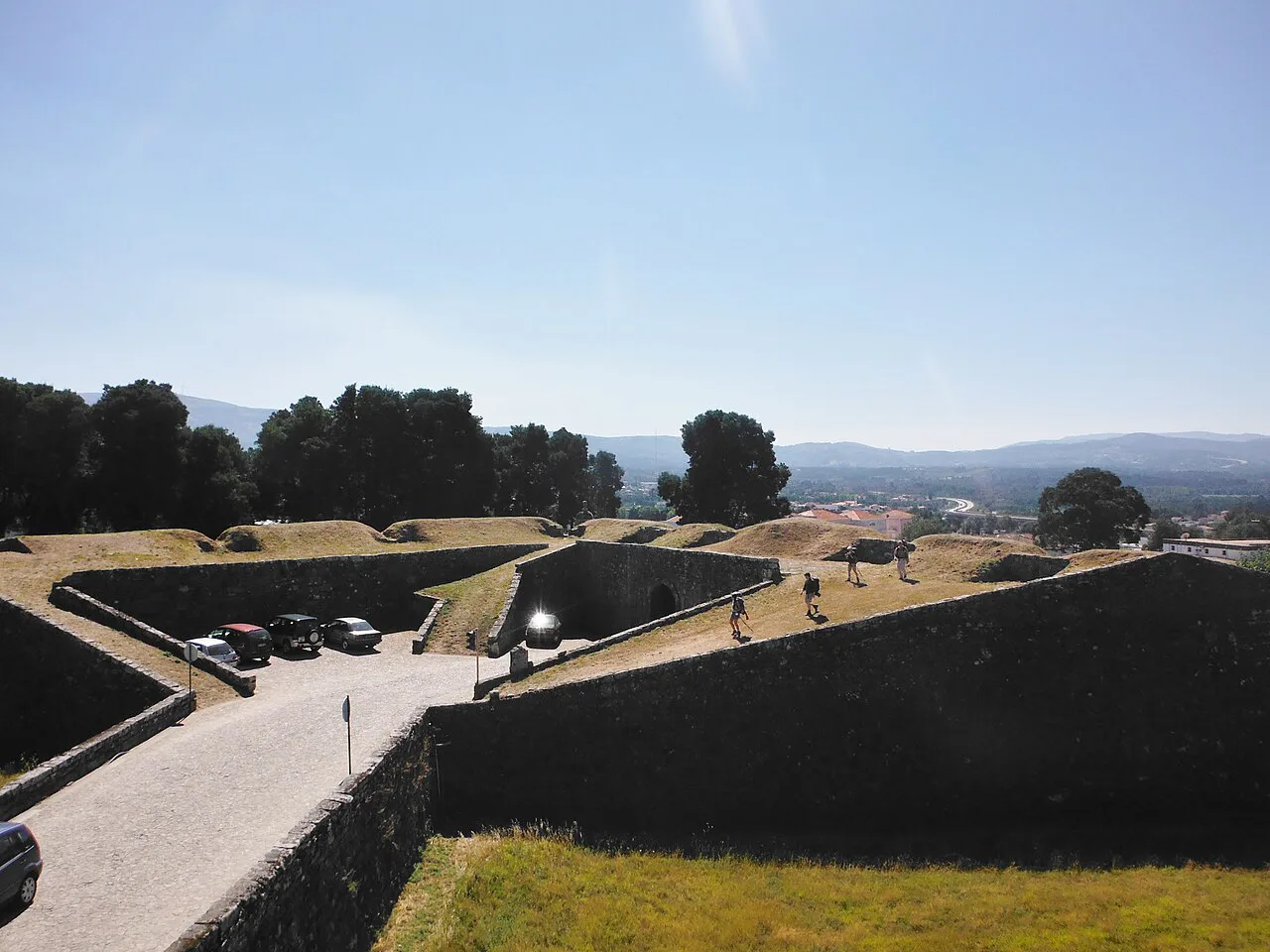
Arriving by train, the station lies to the south-east of the historic centre, and the standard approach is a direct walk to the Portas do Sol gate. If you come by car, the roads inside the walls are narrow, so the simpler option is to park just outside the Portas do Sol; the route guide quotes €1 per day for that car park, a figure published when the guide was written and worth confirming on the payment machine. Adopt the same order as a walker even with a car: gate first, then the squares.
From there, walk to the main shopping street and turn right for the Praça da República, overlooked by the town hall. Barcelos is a useful comparison for this pattern of a compact historic centre built around a long shopping street and an open square.
Rua de Mousinho de Albuquerque and Igreja de Santo Estevão
From the Praça da República, continue along Rua de Mousinho de Albuquerque, the busy shopping street, which is particularly crowded at weekends. The linen and textile shops are the reason many Spanish visitors cross the river, so expect to share the pavement with serious shoppers. Take the side detour to the Igreja de Santo Estevão: the outside is standard Portuguese Baroque, but the interior is beautifully decorated.
In an alcove to the right of the altar is an image of Mary breastfeeding the baby Jesus, extremely rare in Portuguese religious art and the single most distinctive thing in the church. Further along the street, the old prison has been converted into the Núcleo Museológico de Valença.
Largo de Santa Maria dos Anjos
At the end of the shopping street lies the Largo de Santa Maria dos Anjos, the town's most scenic square, fronted by the Igreja de Santa Maria dos Anjos, first recorded in 1276 and much altered since. It is a good place to pause before the viewpoints. The square also has a resident population of cats that emerges the longer you sit, a small, odd pleasure rather than a sight, but the kind of thing that makes a short visit memorable.
Baluarte do Carmo: the best viewpoint
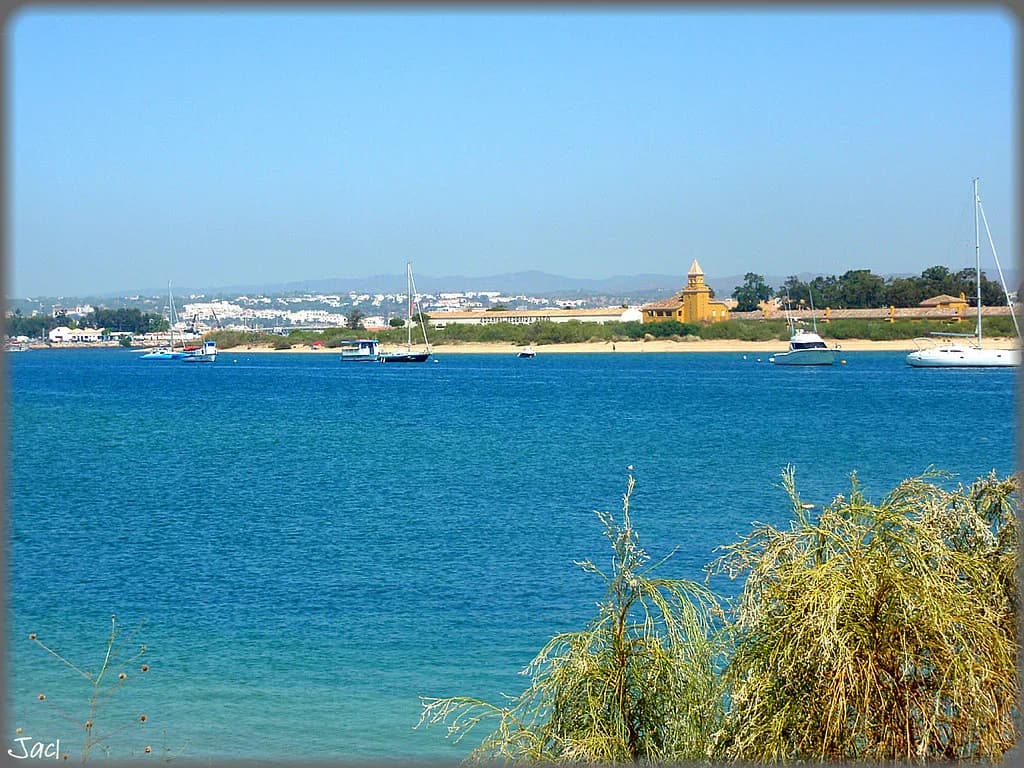
Beyond the square is the Baluarte do Carmo, the fort's best viewpoint. From here you look over the Rio Minho, the Ponte Internacional bridge and the original border crossing point. The glassy river and the Spanish bank make the geography of the whole place click, and you cross the bridge later in the route, so use this stop to look at it rather than hurry across.
Following the battlements and tunnels to the Portas do Meio
Trace the western fortifications round to the Portas do Meio on the southern side of the fort. Along the way you can reach some of the quietest stretches of battlements through tunnels, which is where the fort feels most like a work of military engineering rather than a shopping destination. A raised walkway from the Portas do Meio connects the two distinct sections of the fort.
The southern fort: Capela do Bom Jesus and Largo do Bom Jesus
The southern section has much less to see, with a large share of it converted into a car park. Its main sight is the pretty Capela do Bom Jesus, paired with the equally attractive Largo do Bom Jesus. Small chapels punctuate the whole complex: the Capela de Nossa Senhora da Misericórdia, built in 1749, is another, and the sentry boxes along the walls are miniature versions of the same instinct to tuck a small building into a fortified edge.
Crossing the Ponte Internacional to Tui
The Ponte Internacional connects Valença to Tui in Spain, and walking across is a practical way to see the fortress from outside. From the Spanish bank you get the classic view of the impregnable walls above the river, the shot that explains why the town was built here in the first place. The road bridge is narrow and carries an active railway on its upper level, so take the crossing as a stroll rather than a driving shortcut.
How long Valença needs
The main sights fit comfortably into three hours, which is why Valença works so well as a half-day from Viana do Castelo. Add a slow walk around the perimeter of the battlements and a proper lunch, and you have a full day without any filler. For lunch, Rua Apolinário da Fonseca has a selection of restaurants, and a coffee at the end of the meal is the local rhythm.
Getting there: train and car
The town is the final stop on the regional railway line, so a train from Viana do Castelo needs no car and no parking. From the station it is a straightforward walk through the modern town to the Portas do Sol. Arriving by car, aim for parking outside the Portas do Sol where the roads are easier, rather than threading through the narrow streets to the car park in the southern fort.
Valença also pairs naturally with other walled stops on the northern circuit: Bragança, Portugal, with its own hilltop castle and medieval streets, is a longer detour but the same breed of place; Chaves, Portugal adds Roman remains and a spa town's pace; and Lamego, Portugal is the baroque-staircase town above the Douro if you are heading south.
When to go: shoppers, evenings and quiet hours
The weekend shopping trade is part of the atmosphere and part of the crowd; the textile shops are why Spanish visitors come. Once those shoppers leave for the day, the historic centre becomes peaceful and atmospheric, and the restaurants fill with locals instead. Early mornings and dusk are the best times to explore.
Is Valença worth the detour?
Yes, if you want walls, river views and a border crossed on foot rather than another museum. The classic visit is three hours on the ramparts and in the squares, with lunch on Rua Apolinário da Fonseca stretching it to a day. Base the trip on the train from Viana do Castelo if you are carless, and park outside the Portas do Sol if you drive.
If you have a longer northern-Portugal loop planned, compare notes with Viseu, Portugal for a Dão wine city with an old centre, and Casa de Mateus near Vila Real for a baroque palace visit.
Frequently Asked Questions
How do you pronounce Valença?
Valença is pronounced val-EN-sah, with the cedilla giving the second syllable a soft s sound rather than a k. The stress falls on the middle syllable, and the final a is open as in Portuguese.
Is Valença, Portugal worth visiting?
Yes, above all for the fortress and the river views. Three hours covers the fortifications, the churches and the squares, and adding lunch or a walk around the battlements makes it a full day. It is a natural day trip from Viana do Castelo on the regional railway, and it requires no car.
Can you walk from Valença into Spain?
Yes. The Ponte Internacional links Valença with Tui in Galicia, and the walk across gives you the best view of the fortress from the Spanish side. The bridge is narrow and has a railway on its upper level, so treat it as a stroll rather than a driving route.
Sources
Notes for your next Portuguese break
Optional updates to our town guides.
You might also like
Continue reading
More guides you'll find useful