
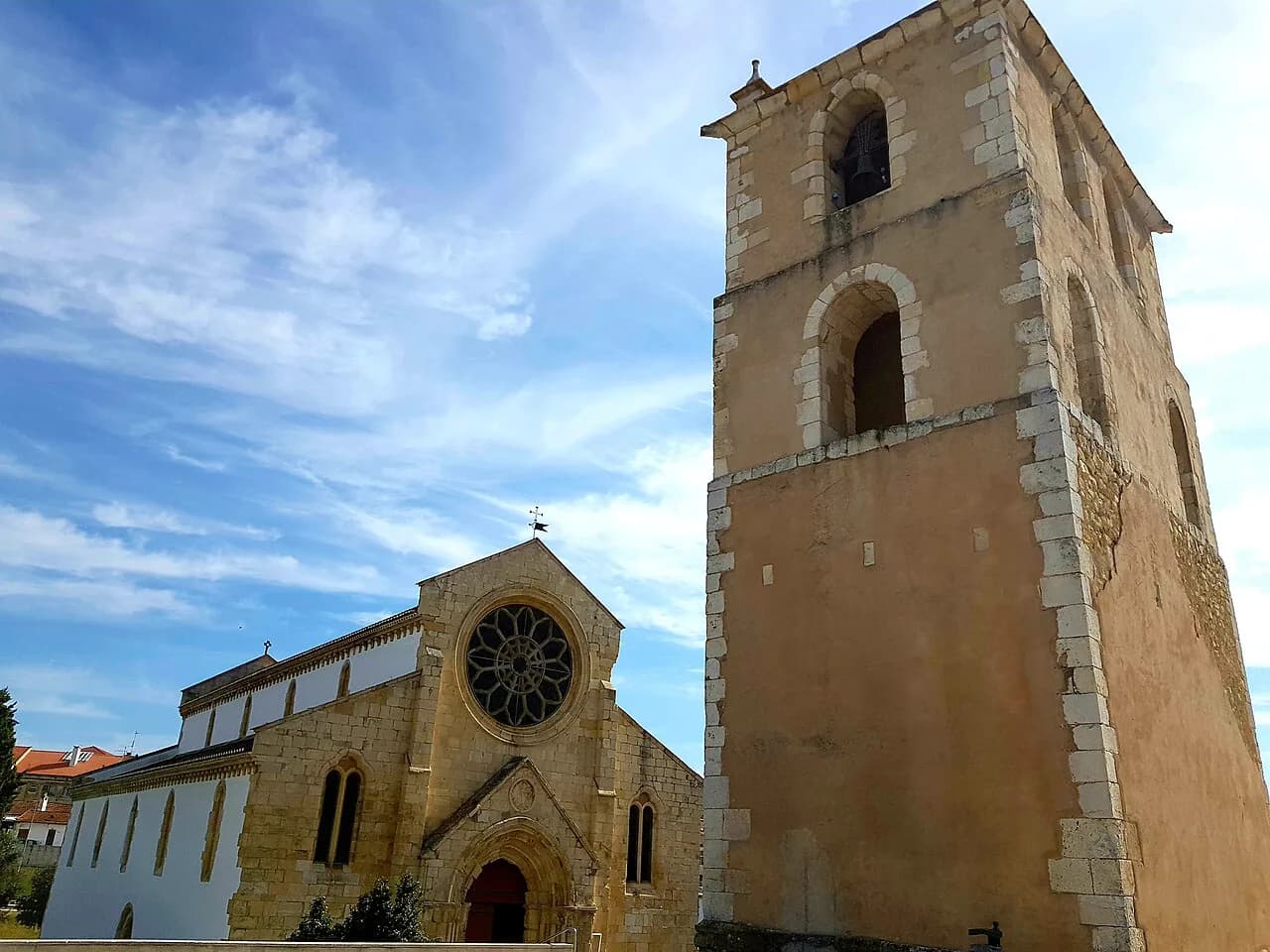
Tomar, Portugal: What to See and How Many Days to Allow
A practical guide to Tomar: the Convent of Christ, the old town and the river Nabão, how long you need, and whether it works as a day trip from Lisbon or Coimbra.
On this page
Give Tomar one full day. The Convent of Christ alone takes a solid morning, and the old town below it deserves the afternoon rather than a quick photo stop. This guide covers what you actually see inside the convent, how to walk the town in a sensible order, and whether Tomar works better as a day trip from Lisbon or as an overnight stop between Lisbon and Coimbra.
Tomar sits in the Ribatejo, in Santarém district, on the river Nabão. The town is small enough to cross on foot and layered enough to hold your attention: a hilltop convent that was the headquarters of the Templars in Portugal, a grid of old streets around Praça da República, and a riverside park at the Mouchão. It suits travellers who want one strong monument rather than a checklist, and who are happy to build a day around a single building.
Tomar in short: what the town is known for and who it suits
Tomar is known above all for the Convento de Cristo, the fortified convent on the hill above the town. It began as a Templar stronghold and later passed to the Order of Christ, and the result is a building that mixes a round church, cloisters and a famously ornate Manueline window. For most visitors that complex is the reason to come.
The town below is a different pleasure: compact, quiet and easy to wander. It suits travellers on a short break who want a named sight with real substance plus a pleasant hour or two of streets, squares and river. It is less suited to anyone hunting for a beach scene or a big-city restaurant choice, because Tomar is a small provincial city and behaves like one.
Compared with the walled towns of the centre, Tomar has more weight inside its main monument and less picturesque packaging around it. If you are choosing between several Portuguese towns for a one- to four-day trip, put Tomar in the bracket of places with one unmissable building rather than places that are charming street by street. It sits naturally in a shortlist of the best towns in Portugal for that kind of focused visit.
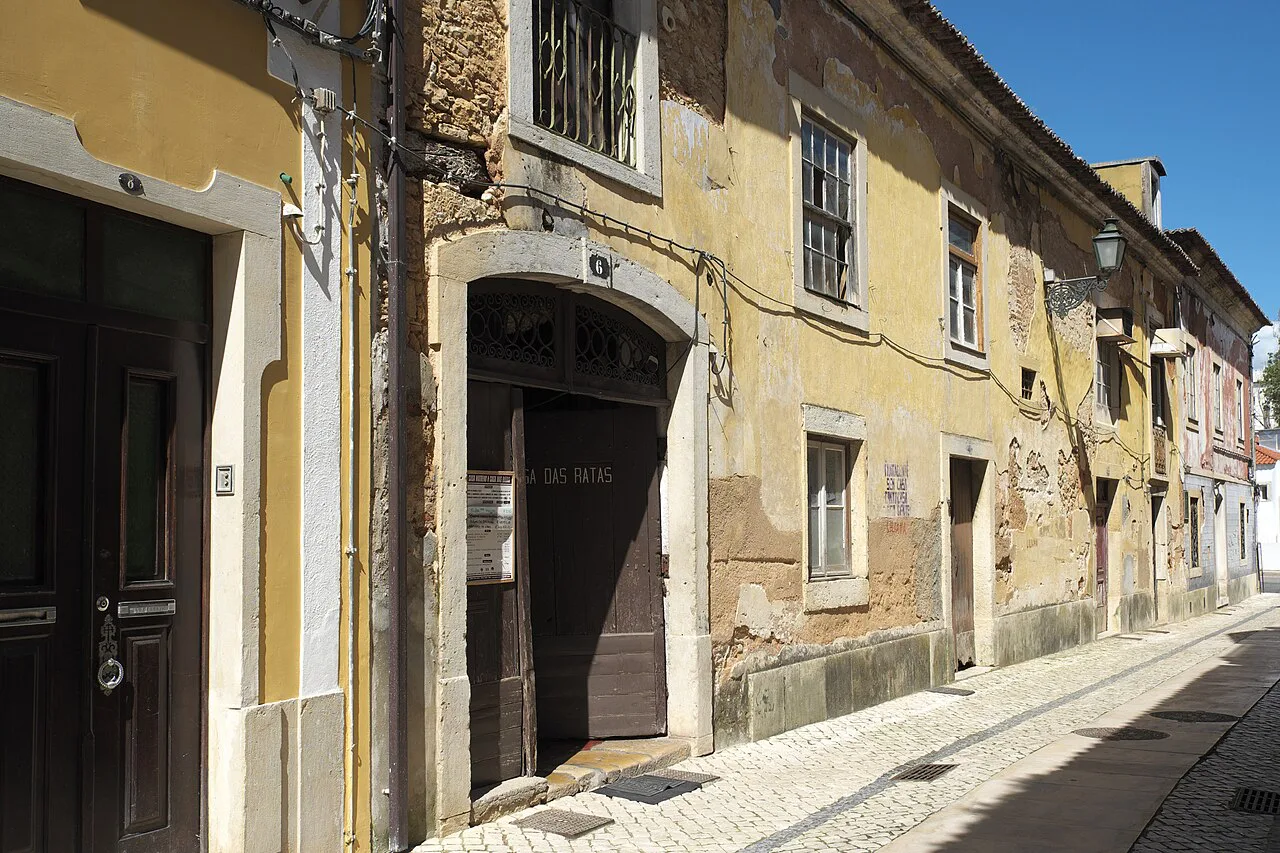
Where Tomar sits in central Portugal and how it links to Lisbon, Coimbra and Fátima
Tomar lies in the Ribatejo, in Santarém district, roughly between Lisbon and Coimbra. That position is why it fits so easily into a short break: it sits on the Lisbon–Coimbra axis, which is also the rail line, so you can slot it into a journey between the two cities rather than making a separate expedition.
Fátima is close enough that many travellers pair the two, but they are different days out: Fátima is a pilgrimage site, Tomar is a historic town with a fortress-convent. If your time is limited, decide which one interests you and give it proper time rather than trying to do both in a morning. Confirm train times and connections before you commit to a plan.
If you want a wider menu of towns with the same kind of rail access, the best cities in Portugal beyond Lisbon and Porto include several that work as one- or two-night stops. Tomar is smaller than most of them, which is part of the appeal. For a multi-stop trip, use the town as one link in the chain rather than the base for everything.
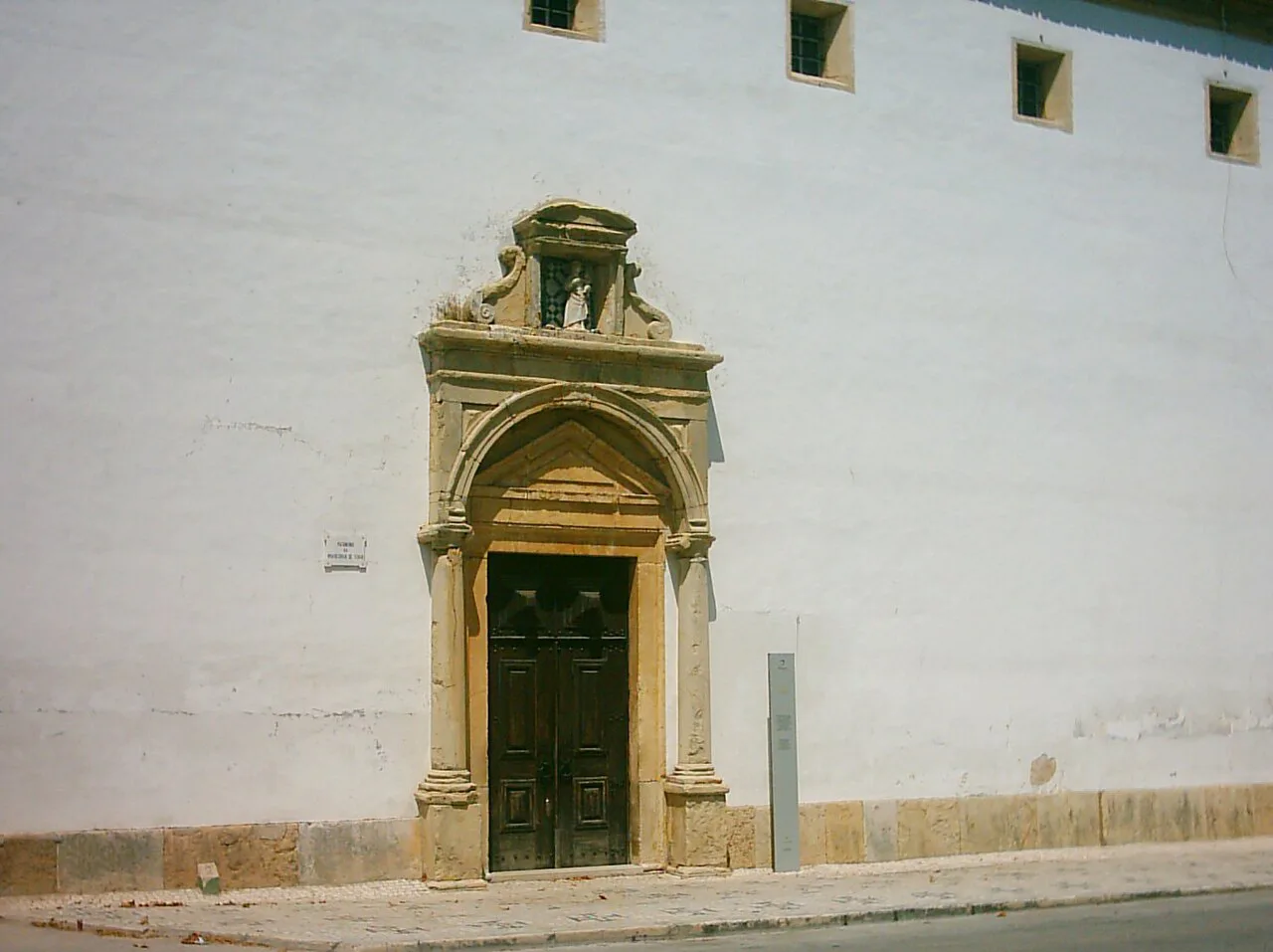
The Convent of Christ (Convento de Cristo): what you see inside and why it anchors the visit
The Convento de Cristo is the reason Tomar appears on most itineraries. The complex is a former Templar stronghold that later belonged to the Order of Christ, and its layers are what make it worth the climb: the Charola, a round church, the ornate Manueline window, and a sequence of cloisters added over centuries. Allow at least two hours for the interior and the walls.
The building sits on a hill outside the old centre, so the visit is a separate movement in the day rather than something you pass through. Go up first, while you are fresh and the light is good, then come back down for the town. Buy your ticket at the entrance and keep the price in mind when budgeting; current admission is set by the monument and should be checked before you go.
If you enjoy castles and fortified walls, Tomar compares well with the medieval towns in Portugal that trade on the same appeal. The difference is that Tomar's monument is a religious complex as much as a fortress, so the interiors repay slow looking rather than a quick circuit of the ramparts.
The old town on foot: Praça da República, the Igreja de São João Baptista and the Synagogue
Come down from the convent and start at Praça da República, the main square of the old town and the natural place to orient yourself. From there, the Igreja de São João Baptista is the parish church worth stepping into, and the Synagogue of Tomar sits in the old Jewish quarter nearby, a small building that says more about the town's history than its size suggests.
The streets between these three points are short and made for walking, so there is no need for a plan more elaborate than a loop. Allow an hour or so for the square, the church and the synagogue together, and leave room for the streets in between rather than rushing from one door to the next.
If you like the feeling of a compact historic centre, Tomar delivers it without the crowds of the headline towns. It sits comfortably alongside the most beautiful towns in Portugal precisely because you can see the whole centre on foot in an afternoon.
A walled town with the same small-scale charm is Óbidos, and the Óbidos guide shows how to handle a place where the pleasure is the enclosure itself. It is not on Tomar's doorstep, so treat the comparison as a way of choosing between them rather than combining them.
The Nabão river, the Mouchão park and the riverside streets
The river Nabão runs through the centre of Tomar, and the Mouchão is the park island in the middle of it. It is a simple place: trees, paths and the water on both sides, and it works as the pause between the convent and the old town. Walk the riverside streets on either bank and you get a view of the town from below that the square and the hill do not give you.
This is the part of Tomar that costs nothing and asks nothing of you, and it is worth an hour on a warm afternoon. Cross the footbridges, find a bench and look back at the convent on its hill. It is also the best place to sit if you are waiting out the lunchtime closure of a church or museum.
How many days Tomar needs: a half day, one day or two
Plan one full day. That covers the Convento de Cristo, the old town and the river without hurrying, and it is the version most travellers should book.
A half day is possible only if you pick one thing. If the convent is your priority, go straight up, allow two hours or more, and skip the old town. If you would rather have the streets and squares, stay below and accept that you will miss the monument that makes Tomar famous.
Two days adds a slower morning in the old town, a longer riverside walk and the option of a short excursion. Keep the second day loose rather than filling it, because Tomar's pleasure is its unhurried scale.
If your trip is a tour of several central Portuguese towns, give Tomar the full day and cut time elsewhere. On a list of the best places to visit in Portugal beyond Lisbon and Porto, Tomar earns a stop rather than a passing glance.
A one-day walking plan that puts the Convent of Christ first
Start early and go up to the Convento de Cristo first, before the day warms up and before you have spent energy on anything else. Give it two hours or more, including the Charola, the cloisters and the walls.
Come down into the old town and head for Praça da República. See the Igreja de São João Baptista and the Synagogue, then take lunch in the centre before the afternoon lull.
Finish at the Mouchão and the riverside streets, where you can sit and look back up at the convent. This order works because the hill is a morning's business and the river is an evening's.
Tomar as a day trip from Lisbon or Coimbra: the trade-offs
Tomar works as a day trip from both Lisbon and Coimbra because it sits on the rail line between them. The trade-off is the time at each end: coming from Lisbon leaves less of the day for the town, while coming from Coimbra is shorter and leaves room for the convent and the old town together.
If you day-trip from Lisbon, treat the convent as the fixed point and let the old town fill whatever remains. If you come from Coimbra, you can do the full day described above. Check the current train times for your chosen direction before fixing the plan.
Staying overnight changes the trip: you get the old town in the evening and the convent without a deadline. The cost is a night away from your base and the effort of moving bags. For a one- to four-day break, one night in Tomar is the version that makes the day feel unhurried.
Where to base yourself for a short break and what a two-day version adds
Base yourself in Tomar itself rather than commuting from a larger city. The old town is small, and a night in the centre puts the square and the river on your doorstep.
A two-day version adds a slower second morning: the synagogue and the side streets you missed, a longer riverside walk, and a second visit to a square you liked. It does not add another major monument, so do not plan for one.
If you are building a route of small historic towns, the schist villages Portugal has to offer make a different kind of trip, with stone-built hamlets rather than a single grand convent. Tomar is the urban and monumental counterpoint to that rural style.
What Tomar costs in euros: tickets, meals and the everyday budget
Budget for one paid ticket: entrance to the Convento de Cristo. The price is set by the monument and is not fixed for ever, so check the current admission before you travel rather than relying on an old figure.
Meals in Tomar are provincial in the best sense: a lunch in the centre costs less than the same meal in Lisbon or Porto. Expect to pay in euros, and keep some cash for small cafés and pastries even where cards are accepted.
The rest of the day is close to free: the square, the churches and the riverside walk cost nothing. That is the shape of a Tomar budget: one significant ticket, modest food, and no need for transport inside the town.
Practical timing: which days museums and monuments open and how Portuguese lunch closures affect a plan
Opening days matter in Portugal and Tomar is no exception. Check the Convento de Cristo's current opening days and hours on the monument's own information before you set your date, and do the same for the churches and synagogue you want to see. Many Portuguese museums and monuments close on Mondays, but treat that as a question to verify rather than a guarantee for any given building.
Churches in Portugal often close for lunch, so build the middle of the day around the river or a long lunch rather than a church visit. Put churches at the start or end of an afternoon and you will lose less time to locked doors.
Restaurants commonly take one day a week off, so a town that looks busy on Saturday may be quiet on Tuesday. If a particular place matters to you, check before you go rather than assuming it will be open.
Common mistakes on a first Tomar visit
The first mistake is treating the convent as one stop among many and arriving late in the day. It is the anchor of the visit, and it needs the morning.
The second is skipping the old town because the convent was tiring. The square, the church and the synagogue are short walks apart and give the town its character.
The third is underestimating the hill. The convent sits above the centre, and the walk up is part of the day; wear shoes you can climb in and do not schedule anything tight immediately after.
Should Tomar be your day out, or your overnight stop?
Choose Tomar as an overnight stop if you want the full day: the convent in the morning, the old town in the afternoon, and the river in the evening without a train to catch. Choose it as a day trip only if you are coming from Coimbra, where the journey is short enough to leave the day intact.
From Lisbon, the day works but it is tight, and you will have to accept a shorter visit to the old town. Either way, check the Convento de Cristo's opening days and current admission before you fix the date, and plan the rest around a long lunch and a riverside walk.
Frequently Asked Questions
Is Tomar in Portugal worth visiting?
Yes, for the Convento de Cristo. It is a substantial monument with a round church, cloisters and Manueline detail, and the old town below adds a pleasant square, a parish church and a synagogue within a short walk. If you want one strong sight plus an easy afternoon, Tomar earns a full day.
What does “Tomar” mean?
In Portuguese, Tomar is a verb meaning to take, and it is also the name of the city. The town's name is not a translation of anything visitors need to worry about; use Tomar as the place name when you search for trains, tickets and directions.
Is Tomar a day trip from Lisbon?
It can be, because Tomar sits on the rail line between Lisbon and Coimbra. The trade-off is time: from Lisbon you will have to prioritise, with the convent first and the old town second. From Coimbra the journey is shorter and the full day is easier to manage.
Sources
Notes for your next Portuguese break
Optional updates to our town guides.
You might also like



Continue reading
More guides you'll find useful





