
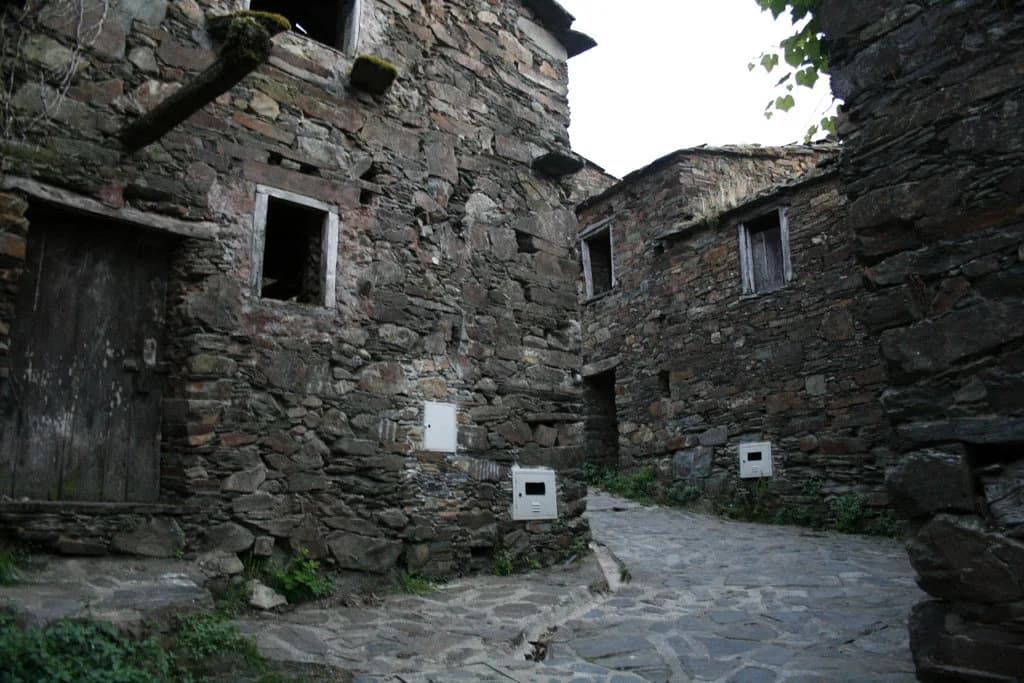
Schist Villages in Portugal: Which Stone Villages to Visit
A practical guide to Portugal's schist villages, from Serra da Lousã to Piódão and the Zêzere valley, with how the clusters group and how many days you need.
On this page
The schist villages of Portugal are best treated as three separate clusters, not one list: the Serra da Lousã, the Serra do Açor and the Zêzere and Tejo-Ocreza valleys. For a short break of one to four days, the Serra da Lousã cluster above Coimbra is the practical choice, with Talasnal as the busiest village and Casal Novo, Chiqueiro and Cerdeira as quieter alternatives.
This guide groups the villages by cluster, picks out the ones worth your limited time, and explains how the Lousã mountain, Piódão and the Zêzere valley fit into different trip lengths. It also flags the small details that make a village worth lingering in, from the mills at Candal to the chestnut sweets of Talasnal.
What the schist villages are and where the clusters sit
The schist villages are small mountain settlements built from schist and quartzite, scattered across central Portugal. They are commonly grouped into three areas: twelve villages in the Serra da Lousã, five in the Serra do Açor, and ten across the Zêzere and Tejo-Ocreza valleys. Which cluster you choose shapes the trip more than any individual village.
The Serra da Lousã list runs Casal de São Simão, Ferraria de São João, Gondramaz, Talasnal, Casal Novo, Chiqueiro, Cerdeira, Candal, Aigra Nova, Aigra Velha, Pena and Comareira. The Serra do Açor five are Aldeia das Dez, Benfeita, Fajão, Sobral de São Miguel and Vila Cova de Alva. The Zêzere and Tejo-Ocreza ten are Barroca, Janeiro de Baixo, Janeiro de Cima, Álvaro, Mosteiro, Pedrógão Pequeno, Água Formosa, Figueira, Martim Branco and Sarzedas.
Almost half of Portugal's schist villages sit in the Lousã mountain range, which is why the area feels like the heart of the movement rather than one stop on a longer list. That density is the reason the Lousã cluster suits a short break: you can see several villages without long transfers.
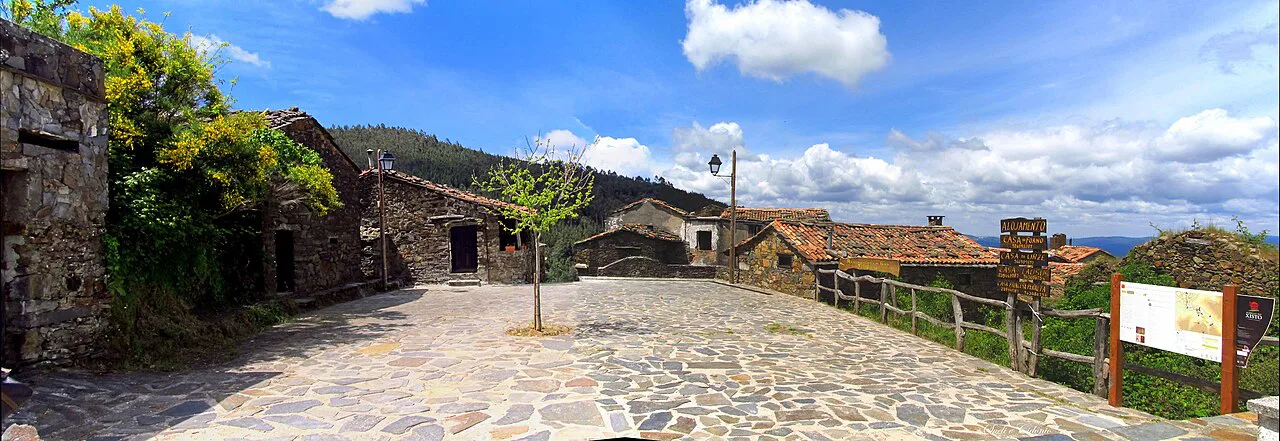
Serra da Lousã: Talasnal, Casal Novo, Chiqueiro and Cerdeira
Talasnal is the busiest of the Lousã villages and the one most associated with the recent visibility of the schist villages as a destination. It has restored schist houses and a reputation for chestnut-based sweets called Talaniscos and Retalhinhos, which gives a short visit a clear focus beyond the stone lanes.
Casal Novo rewards a slower approach than the quick look most visitors give it, and it sits near the Lousã Schist Path's Mills Route if you want to combine the village with the surrounding nature. Chiqueiro is quieter again, with the Chapel of Senhora da Guia, described as apparently the most important of the three chapels in these villages, plus local cheese and honey worth seeking out.
Cerdeira greets you with a slate-surfaced access road and schist houses that dominate the surrounding green, leading to a fountain set in dense vegetation. The Atelier da Cerdeira is the village's own draw if you prefer to stay put rather than walk the surrounding routes.
Beyond the official twelve, Catarredor is singled out by the Portugal Tips blogger as his favourite in the whole area, which is a useful reminder that the official list is a starting point rather than a boundary. If you have a spare half-day on the mountain, it is worth adding to the loop.
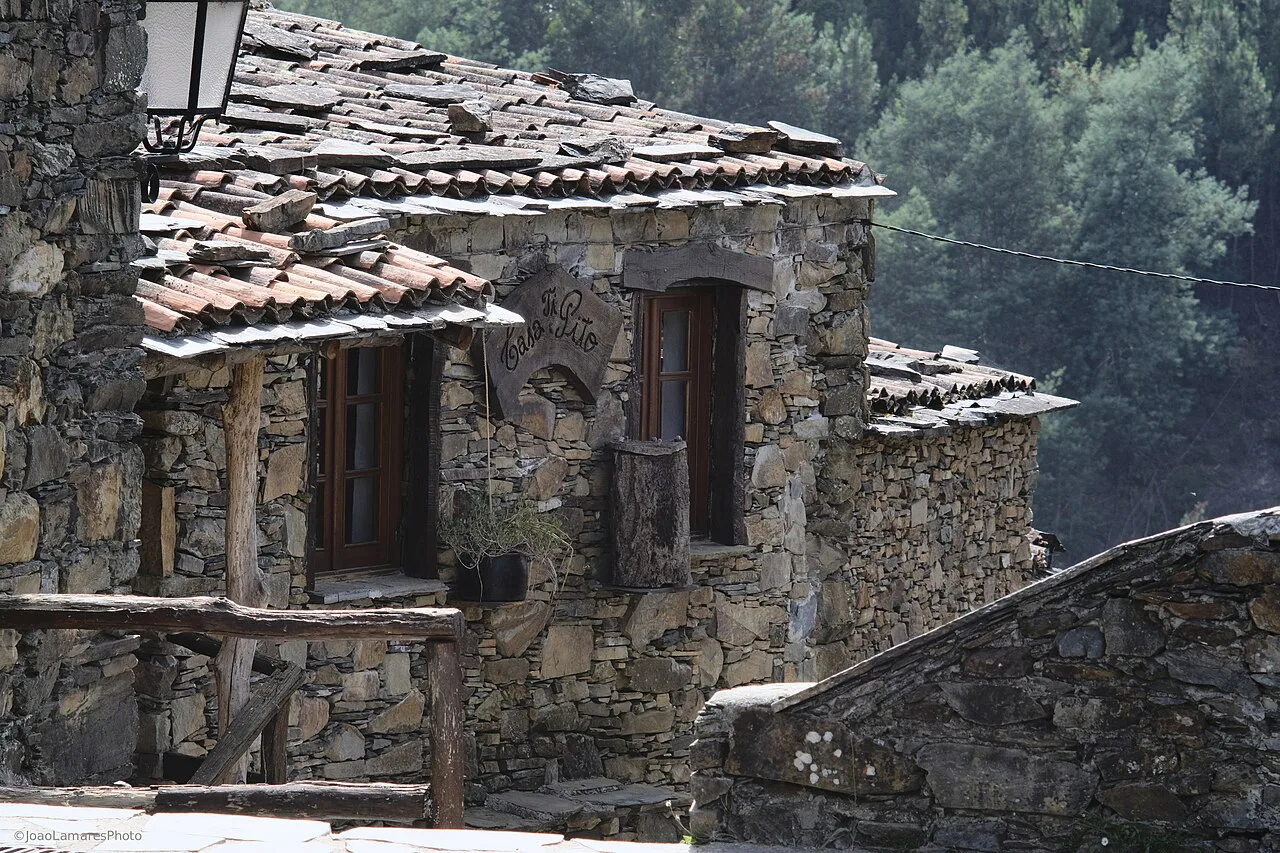
Candal: steep streets, a valley viewpoint and 1920s mills
Candal is a cosy haven of steep streets and alleys, with a viewpoint at the top that repays the climb with a view over the valley. That combination of physical effort and reward makes it one of the more satisfying villages to walk properly rather than photograph from the car.
On the way back down, the Aldeias de Xisto store is the place to pick up a souvenir. Along the right bank of the Ribeira de Candal you will find hydraulic mills built in the 1920s, a detail that makes the village especially good with children.
Candal's seasonal fruits are the thing to try here, and the village's accessibility by the national road makes it a common gathering point for families and friends. That ease of access makes Candal a sensible first or last stop on a Lousã day.
Serra do Açor and Piódão: the five listed villages and the neighbouring historic village
The Serra do Açor's listed schist villages are Aldeia das Dez, Benfeita, Fajão, Sobral de São Miguel and Vila Cova de Alva. They sit further inland than the Lousã set, so they suit a trip that prioritises the mountains over a quick circuit from Coimbra.
Piódão is not on that schist list, and the reason the blogger gives is that it is already counted among Portugal's historic villages. That technicality does not change the verdict: it remains one of the most striking stone villages in the country and belongs on any Serra do Açor itinerary.
Treat the Serra do Açor as a separate leg rather than an extension of a Lousã day. If your break is three days or fewer, the Lousã cluster will fill it comfortably; Piódão is the reason to stretch to four days or to plan a second trip.
The Zêzere and Tejo-Ocreza cluster: Janeiro de Cima, Álvaro, Pedrógão Pequeno and Água Formosa
The Zêzere and Tejo-Ocreza group spreads across ten villages, including Janeiro de Cima, Álvaro, Pedrógão Pequeno and Água Formosa. This is the cluster for travellers who want to go beyond the most-visited Lousã villages and are willing to trade convenience for space.
The Zêzere rises in Serra da Estrela and meets the Tagus, and the schist villages sit not far from its banks. That geography explains why the valley rewards a slower pace: the villages are strung along a river corridor rather than packed into one mountainside.
Água Formosa and Pedrógão Pequeno are the names to anchor a Zêzere day, with Janeiro de Cima and Álvaro as the supporting stops. If you only have a long weekend, choose one of these or the Lousã cluster, not both.
How the clusters fit into one to four days
For a one-to-four-day break, base yourself on the Lousã mountain and use Coimbra as the approach hub. The density of villages in the Serra da Lousã means you can see Talasnal, Casal Novo, Chiqueiro, Cerdeira and Candal across two focused days without long drives.
With three or four days, add the Serra do Açor and Piódão as a second leg rather than trying to reach the Zêzere valley as well. The Zêzere and Tejo-Ocreza cluster is the deeper option: it rewards more time and is the one to save for a longer trip.
If your interests lean towards historic architecture rather than mountain hamlets, it is worth comparing the schist villages with the country's walled and medieval towns before you commit. Our guide to the best towns in Portugal covers the alternatives, from castle towns to river cities, and helps you decide whether stone villages or town streets suit your days better.
Getting between the villages with and without a car
A car is the realistic way to link the villages: they are scattered across mountainsides and the gaps between them are not designed around public transport. Renting a car lets you move at your own pace between the Lousã villages, which is the model the area is set up for.
Without a car, the half-day Schist Villages of Lousã Mountain tour from Coimbra is the practical alternative, covering the mountain's villages in a short outing. It suits a one- or two-day break where you would rather not drive mountain roads; the trade-off is less time in each village and no freedom to linger at Candal's mills or Chiqueiro's chapel.
If your wider trip includes other regions, the best places to visit in Portugal beyond Lisbon and Porto put the schist villages alongside the country's other short-break destinations. Use it to see whether the central mountains fit the shape of your trip before you book anything.
Practical rhythm: early starts, quick stops and when to linger
The villages are not just for seeing, and a visit can be done quickly if you treat them as viewpoints from the car. To experience them properly you need to stop and observe, because the beauty sits in small details like the slate paving and the schist walls.
Come early in the day, especially for Talasnal, and plan to linger at one or two quieter villages rather than ticking off the whole list. Spending the night in a schist house is presented as the way to understand a village through the eyes of those who live there, which is a strong argument for at least one overnight on the mountain.
Seasonal produce is part of the rhythm: Chiqueiro is known for cheese and honey, Candal for seasonal fruits, and Talasnal for chestnut sweets. Checking what is in season before you go is more useful than any fixed menu, and the villages' own shops are where to ask.
If you want the same mountain-village atmosphere in a more formal historic setting, Portugal's medieval towns offer a useful contrast, with walls, castles and Jewish quarters rather than schist lanes.
What to eat: chestnut sweets, cheese and honey
The food of the schist villages follows the mountain: chestnuts, cheese and honey rather than seafood. Talasnal's Talaniscos and Retalhinhos are the signature sweets, made with the chestnut that characterises these villages, and they are the easiest local speciality to try on a short visit.
Chiqueiro's cheese and honey are worth seeking out before you move on to the next village, and Candal's seasonal fruits are the local thing to try there. These are small, village-level specialities rather than restaurant scenes, so plan around what you find rather than a fixed address.
If the trip also takes in walled towns, Óbidos is the obvious pairing with the central mountains for anyone who likes stone streets and compact old quarters.
Is the Lousã mountain or the Zêzere valley the right cluster for you?
Choose the Serra da Lousã for a one-to-four-day break: it has the greatest concentration of villages, the clearest base at Coimbra, and enough variety between busy Talasnal and quiet Casal Novo, Chiqueiro and Cerdeira to fill a long weekend. Choose the Zêzere and Tejo-Ocreza valley only if you have more time and want fewer people.
Whichever you pick, build the day around one village you linger in rather than five you drive past, and check current opening details for any atelier, shop or tour before you set out. If you are weighing up other Portuguese short breaks, the most beautiful towns in Portugal give you a broader shortlist to compare against the schist villages.
Explore more Portugal guides
Frequently Asked Questions
How many days do you need for the schist villages in Portugal?
Two days is enough for a focused look at the Serra da Lousã cluster, and three or four days lets you add the Serra do Açor and Piódão. The Zêzere and Tejo-Ocreza valley is better suited to a longer trip, because its villages are spread along a river corridor rather than packed onto one mountainside.
Are the schist villages worth visiting without a car?
Yes, but with limits. The half-day Schist Villages of Lousã Mountain tour from Coimbra covers the mountain's villages without you driving mountain roads, at the cost of less time in each village and no freedom to stop at Candal's mills or Chiqueiro's chapel. Outside that, a car is the realistic way to link the villages.
Which schist village is the busiest?
Talasnal is the busiest of the Lousã villages and the one most associated with the area's recent visibility. Casal Novo, Chiqueiro and Cerdeira are the quieter alternatives, and Candal works well as a first stop because it is easy to reach by the national road.
Sources
Notes for your next Portuguese break
Optional updates to our town guides.
You might also like



Continue reading
More guides you'll find useful




