Medieval Towns in Portugal: Walled Towns and Castle Villages
Meet Portugal's walled towns and castle villages, from the 12 Aldeias Históricas to Óbidos, Marvão and Monsaraz, and see how much time each one needs.
On this page
If you want medieval Portugal, start with the twelve Aldeias Históricas de Portugal: a network of fortified border villages, eleven of them in the Beira Interior, where you can walk castle walls, gates and pillories in a single short break. This guide lists all twelve, picks out the four or five that work best in one to four days, and explains what each one actually contains so you can match the village to your interests.
The villages are not interchangeable set pieces. Some are hilltop ruins with a café and a view; others, such as Belmonte and Trancoso, are working towns with Jewish heritage, shops and restaurants. Knowing which is which stops you spending three hours somewhere that needs forty minutes.
What counts as a medieval town in Portugal
The formal label is Aldeias Históricas de Portugal: a project to recover, protect and promote a group of border settlements, most of which were fortified against Spain over centuries of war. The list has twelve members, and all but one sit in the central Beira Interior region. That is the definition worth using, because it is a fixed, published list rather than a loose aesthetic.
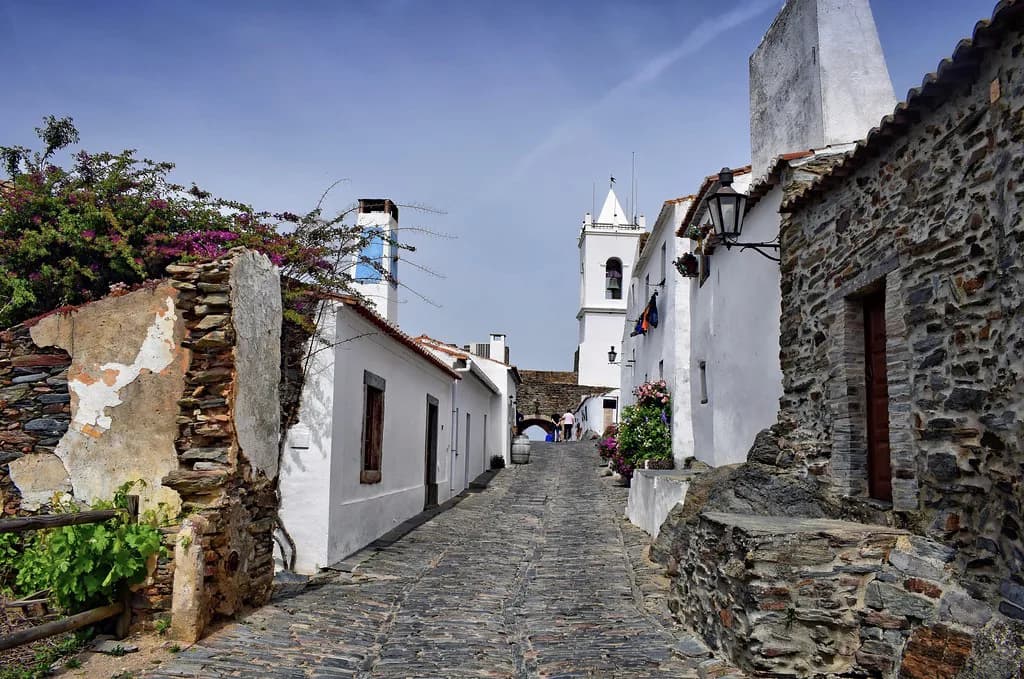
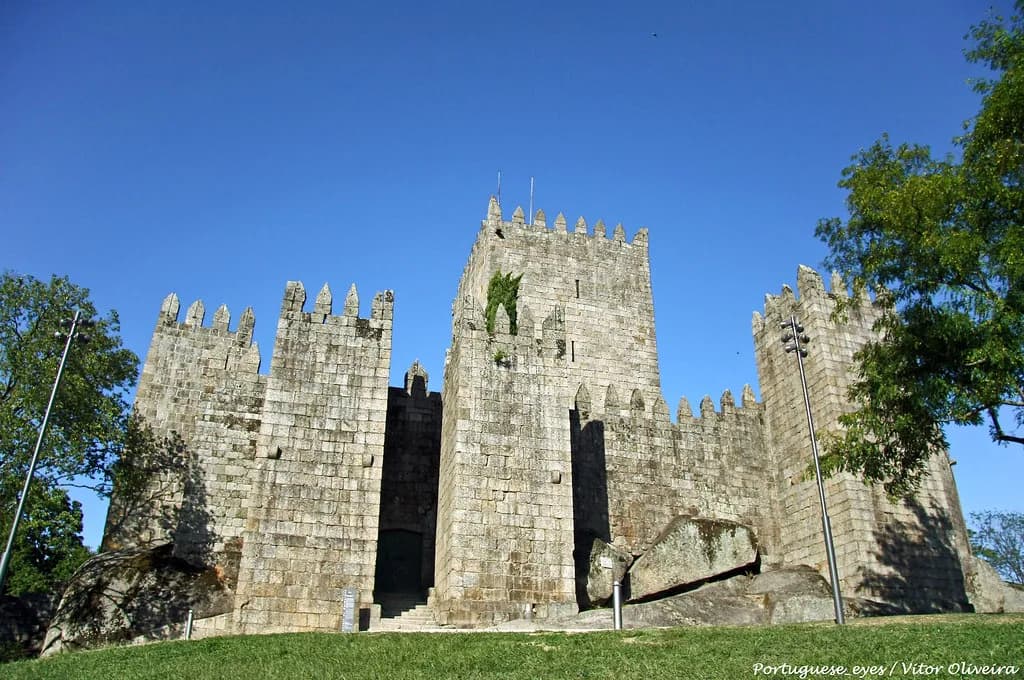
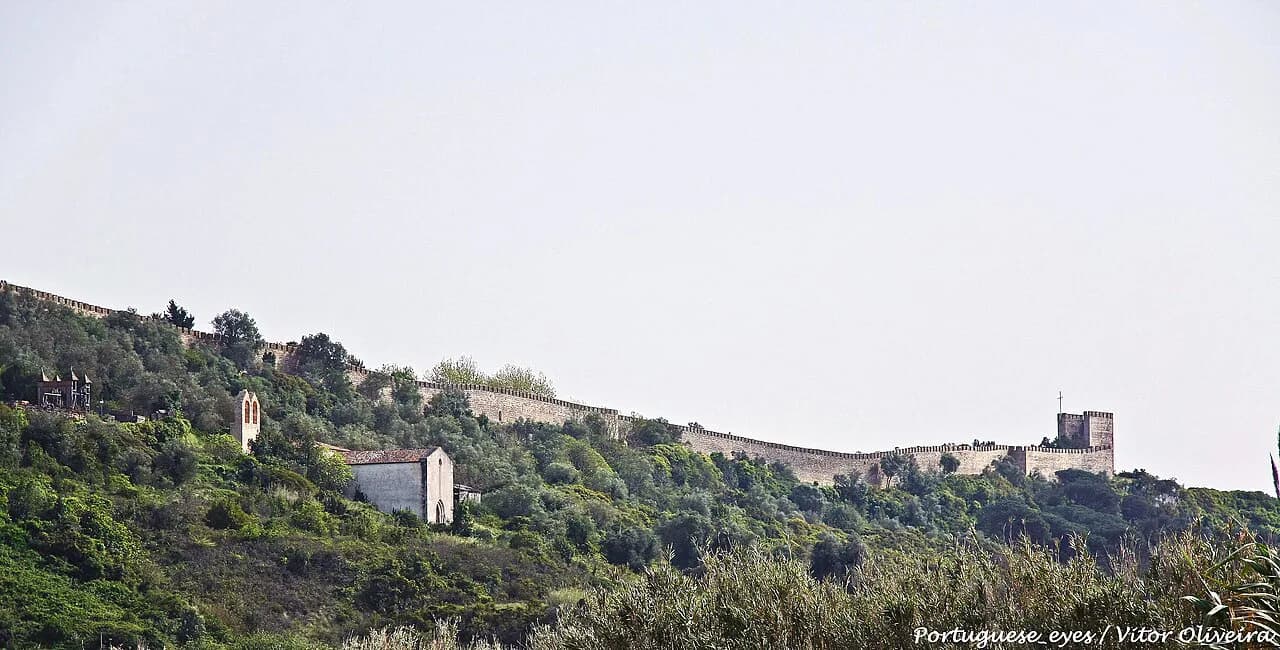
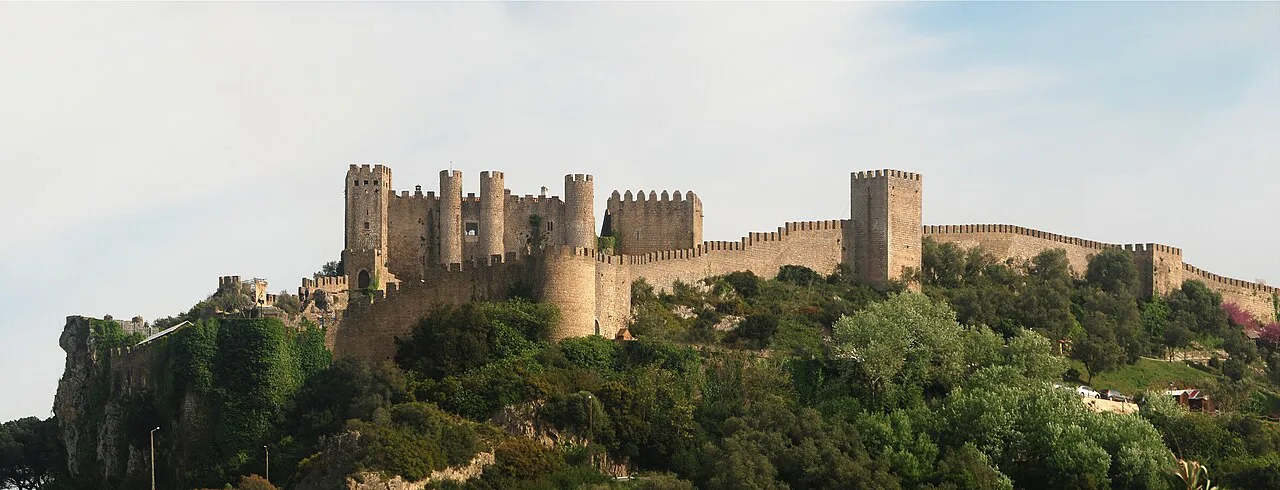
Plenty of other Portuguese towns have medieval cores, walls or castles but are not in the network: Óbidos with its complete ring of walls, Marvão on its rock, Monsaraz above the Alentejo plain, and the old centres of Guimarães and Évora. Treat them as a second list. They are easier to reach on a short break, but they are not the border villages, and their visitor infrastructure is different.
The 12 Historic Villages: the full list and where they sit
The twelve are Almeida, Belmonte, Castelo Mendo, Castelo Novo, Castelo Rodrigo, Idanha-a-Velha, Linhares da Beira, Marialva, Monsanto, Piódão, Sortelha and Trancoso. They run roughly from the Serra da Estrela and the Serra da Gardunha east towards the Spanish frontier, with Piódão the odd one out, sitting further west in the schist country.
Almost all of them began as border defences, which is why castles, citadels, gates and stretches of wall survive in most. They are linked by a network of walking, driving and cycling routes, so you can string several together in a day or treat one as a base and radiate out. The distances are short on a map but slow on the ground, because the roads climb and twist.
If your taste runs to schist cottages and river valleys rather than castle walls, the western end of the list overlaps with the schist villages Portugal network, which includes Piódão and rewards a separate look.
Which walled towns suit a one-to-four-day short break
For a three- or four-day break, base yourself in one town with a hotel and restaurant supply and pick two or three villages a day. Castelo Rodrigo, Marialva, Almeida and Trancoso sit close enough together to combine without long drives, and Belmonte adds a proper town centre with Jewish heritage. Two days is enough for a first taste; four lets you slow down and eat properly.
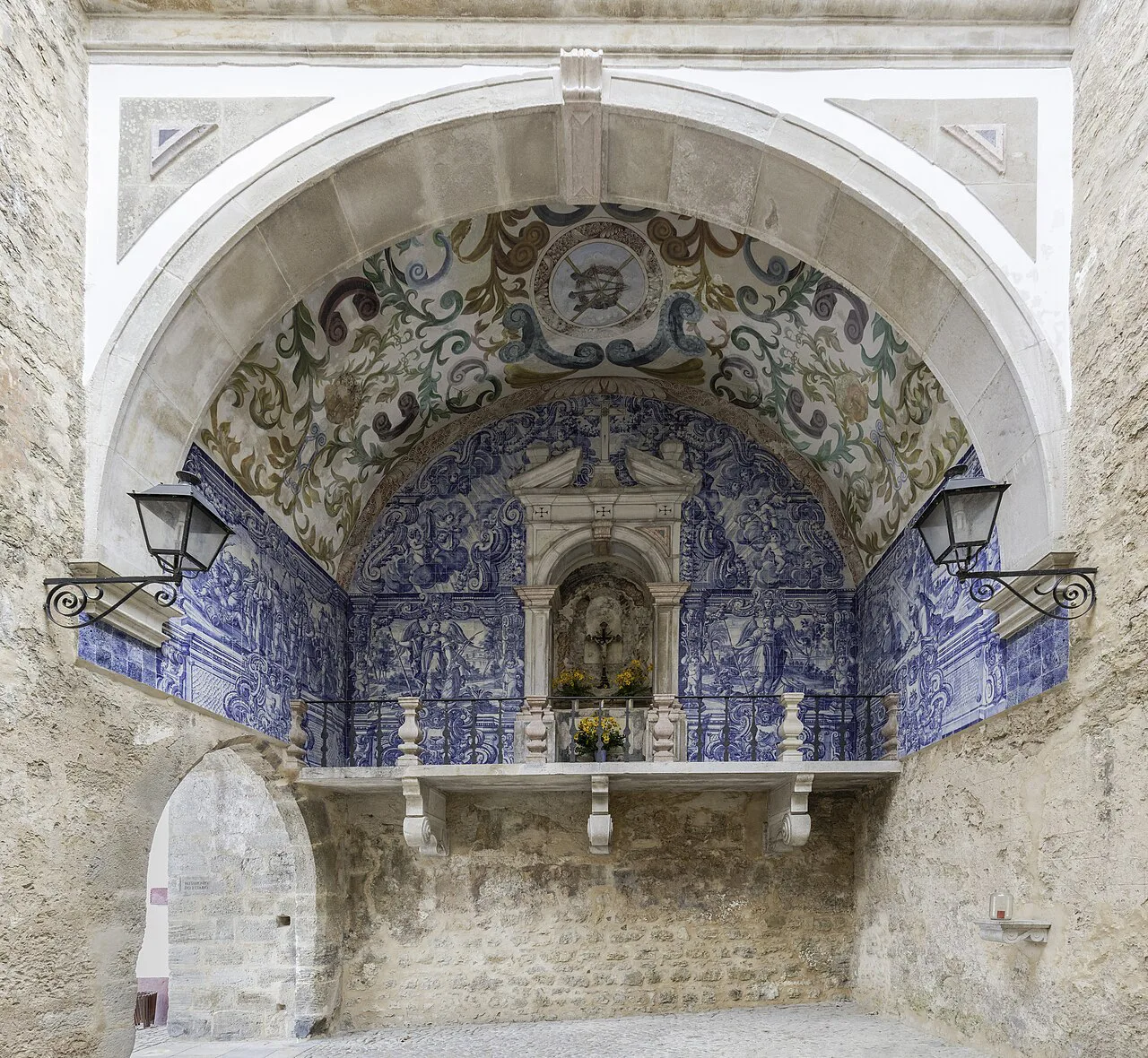
If you have only a day or two and no car, skip the border villages and head for Óbidos, a complete walled town within easy reach of Lisbon. The walls, gates and Rua Direita give you the medieval picture in an afternoon, and you can walk the ramparts if you have a head for heights.
For a wider choice of short-break bases, from walled towns to river cities, the best cities in Portugal guide covers the larger alternatives. The most beautiful towns in Portugal is the companion list when you are choosing on looks rather than on surviving medieval fabric.
Castelo Rodrigo: walls, pillory, palace ruins and views to Spain
Castelo Rodrigo is a small medieval village on a hilltop looking east over the plateau towards Spain and north over the Douro valley. It has been restored as part of the historic villages project, and the medieval street plan survives inside a ring of walls. It was recognised in 2021 as one of the World Tourism Organisation's best tourism villages.
The features to look for are the walls and their gates, a sixteenth-century Manueline pillory, the ruins of the Cristóvão de Moura Palace, the medieval church, the parish church and a medieval cistern. Because the village is tiny, an hour or two covers it comfortably, with extra time for the view. It is best explored on foot, as the lanes are narrow.
For sleeping inside the walls, Casa da Cisterna takes its name from the old village reservoir and has a small pool facing the plateau. The same village also has a café on Rua da Sinagoga with a craft-beer following. Prices change, so check the properties directly rather than relying on any figure you read elsewhere.
Marialva: castle, church, chapel and the Roman city of Civitas Aravorum
Marialva is layered rather than merely old: a Lusitanian settlement, then Roman, Visigothic and Arab occupation, with a castle on the massif above. The village has a church, a chapel, a seventeenth-century court and jail, and the excavated Roman city of Civitas Aravorum nearby. This is one of the villages where archaeology rewards a slower visit.
It is small and quiet, so a half-day is realistic unless you want to walk the Roman remains properly. Pair it with Castelo Rodrigo or Trancoso rather than treating it as a day out on its own. The fortifications sit above the houses, so expect a climb.
Monsanto: boulders, hilltop castle and Romanesque chapel
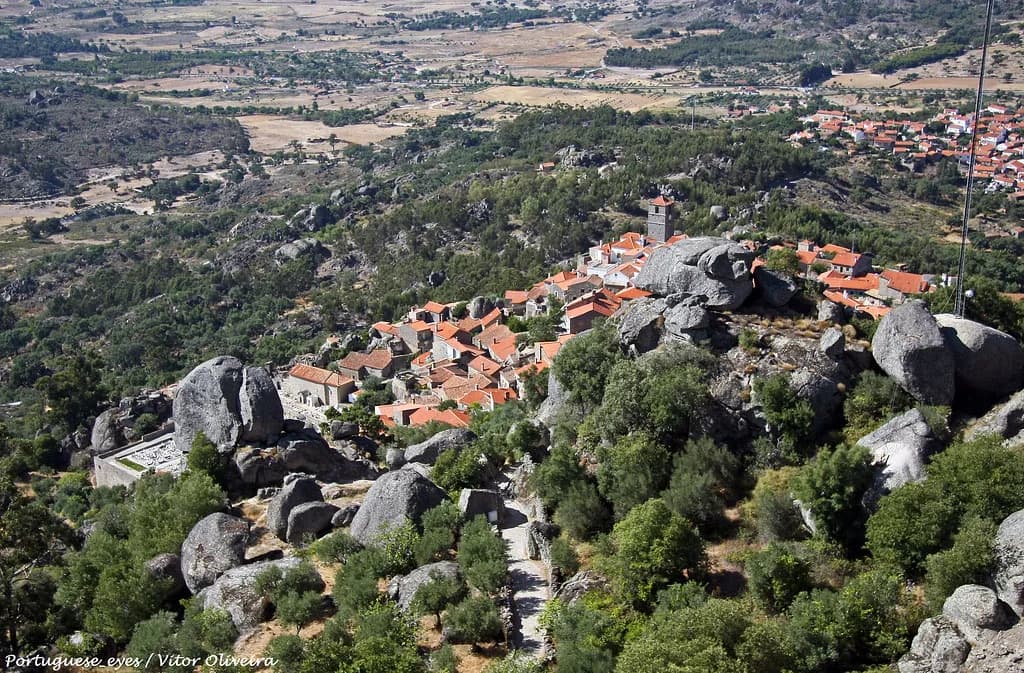
Monsanto is the village built into and around giant granite boulders, and it is the most striking in that respect. The hilltop castle ruins and Romanesque chapel are worth the climb, and the views over the surrounding landscape are the other reason to come. The boulders are not a gimmick: houses are wedged under and between them.
Inside the cobbled maze you will find a handful of restaurants, craft shops and the everyday basics, and the surrounding country is part of the Naturtejo Geopark. For a short break, give Monsanto half a day and combine it with Idanha-a-Velha or Penha Garcia. The climb from the lower village is steady, so wear shoes with grip.
Sortelha: castle, citadel walls and gates
Sortelha sits on a hill above a boulder-strewn landscape, with its castle and citadel enclosed inside medieval stone walls. You can walk the battlements and find the various gates into the village, which makes it one of the more engaging villages for anyone travelling with children. Stone cottages inside the walls hold restaurants, cafés and shops selling local liqueurs and woven baskets.
Allow two to three hours rather than a full day. Sortelha works well as a morning stop before Belmonte, which has more besides the walls. Parking sits outside the citadel, so the last stretch is on foot.
Belmonte: Jewish heritage and medieval streets
Belmonte is the practical anchor of the northern group: a castle, a medieval core and a Jewish history that gives the town a different weight from the hill villages. It has more shops, cafés and services, which makes it a sensible base for two or three nights. If you want one place where the medieval fabric comes with a working town around it, this is it.
It also pairs naturally with Sortelha and Castelo Novo, both a short drive away. The castle is the obvious first stop, then the old streets on foot. Check opening days for the castle and any museum before you set out, because Portuguese monuments often keep limited hours.
Linhares da Beira: castle walls and Romanesque church
Linhares da Beira has a castle dating from the reign of Dom Dinis and a Romanesque church containing wooden paintings attributed to Vasco Fernandes, known as Grão Vasco. The combination of walls and a painted interior makes it one of the more rewarding stops for anyone interested in early Portuguese art. The village sits among huge rocks, with swallows overhead in season.
It is small, so an hour or two covers the village, leaving time for a meal. Walk the castle walls first, then the church, then the lanes. Book nothing on the assumption that the church will be open: check locally when you arrive.
Trancoso: castle towers, Portas d'El Rei and Jewish heritage
Trancoso is a medieval stronghold with a castle of fifteen towers, the Portas d'El Rei gate, and the Centro de Interpretação da Cultura Judaica Isaac Cardoso. The Casa do Bandarra, home of the sixteenth-century shoemaker-poet Gonçalo Anes Bandarra, adds a literary stop. Of the twelve, Trancoso is among the easiest to spend a whole afternoon in because it has a town around the monuments.
Eat near the gate at Taberna do Bacalhau Frito, which serves fried cod, or simply use the town as a lunch stop between Marialva and Almeida. The Jewish heritage centre is the reason to linger rather than pass through. Check the centre's opening days before you build an afternoon around it.
Almeida: the star-shaped fortress town
Almeida is the exception in the group: a fortress town built on a star-shaped plan, with bastions and a dry ditch rather than a hilltop castle. It is the most obviously military of the twelve and the easiest to read as a piece of engineering. Walk the ramparts to understand the geometry, then look at the gates and the grid of streets inside.
Because it is flat and compact, Almeida suits a shorter stop of an hour or two, or a longer one if you want to walk the full circuit of the walls. It sits close to the Spanish border, so it combines well with Castelo Rodrigo and Castelo Mendo. Bring a windproof layer: the plateau is exposed.
Idanha-a-Velha, Castelo Mendo, Castelo Novo and Piódão: what each adds
Idanha-a-Velha adds Roman inscriptions and artefacts, which none of the others match; it is the stop for anyone who wants epigraphy rather than battlements. Castelo Mendo contributes long views and stretches of wall. Castelo Novo sits in the Serra da Gardunha and works as a link towards the west.
Piódão is the outlier: a schist village of stacked stone houses that looks quite unlike the granite border towns. It is a long drive from the others, so treat it as its own outing or leave it for a separate trip. If you are choosing on looks rather than history, it may be the one you remember.
How the towns are laid out and how long to give each one
Most of these villages are one street or one square wide, with a castle or citadel at the top and houses tumbling below. That means a short stop is often enough: forty minutes for Castelo Mendo, an hour or two for Castelo Rodrigo, two to three hours for Sortelha and Trancoso. The exceptions are Belmonte and Trancoso, which have enough besides the walls to fill half a day.
Plan on two villages a day if you want lunch and a proper look, or three if you are content with a walk and a coffee. Distances between them look short but the roads are slow, and parking usually sits outside the walls. A four-day break lets you see six or seven without rushing.
Getting between the villages with or without a car
A car is the practical way to link the border villages: they sit along the Spanish frontier, and the network of driving routes is designed for exactly that. Without a car, the realistic option is a guided small-group tour from a base such as Coimbra, or a train to Guarda and local arrangements from there. Guarda is the main town of the Beira Interior and a sensible rail arrival point.
If you are combining the villages with a larger trip, the best places to visit in Portugal beyond Lisbon and Porto sets them alongside river towns, university cities and the Alentejo. Tomar, with its Convent of Christ, makes a natural stop on the way east or west.
Where the medieval core ends and the rest of the town begins
The honest trade-off is that most of these villages are very small and very quiet. Outside a handful of restaurants and guesthouses there is little to do in the evening, and some have only one café. If you want museums, shops and a choice of dinner, base in Belmonte, Trancoso or Guarda and visit the smaller villages by day.
The second trade-off is authenticity versus convenience: the most atmospheric villages, such as Castelo Rodrigo and Sortelha, have the least in the way of services. Staying inside the walls is memorable but limits your dinner options. A two-night stay in one base with day trips is usually the better use of a short break.
Opening days, lunchtime closures and ticket prices
Opening days and ticket prices for the castles, churches and heritage centres vary by village and are not published in one place, so confirm each site with the local turismo before you travel. Portuguese monuments often close one day a week and churches often shut at lunchtime, but assume nothing for a specific building without checking. The same applies to restaurants, many of which close one day a week.
For any price you are quoted, treat it as current only for the day you check. Where a source gives a figure, such as a room rate, it is a snapshot rather than a promise. Budget for entrance fees and meals in euros and keep some cash for small village cafés.
Which village should you book around?
For a first short break, base in Belmonte or Trancoso and visit Castelo Rodrigo, Marialva and Sortelha by day. That combination gives you walls, a pillory, Roman remains and a Jewish heritage centre without long drives. Add Almeida if you have a fourth day and want the star-shaped fortress.
If you have no car, choose Óbidos for the walled-town experience or join a small-group tour from Coimbra. The border villages reward the effort, but they are not a place to arrive without transport and a plan. Check opening days for the specific monuments you want to see before you commit.
Frequently Asked Questions
What are the 12 historic villages of Portugal?
They are Almeida, Belmonte, Castelo Mendo, Castelo Novo, Castelo Rodrigo, Idanha-a-Velha, Linhares da Beira, Marialva, Monsanto, Piódão, Sortelha and Trancoso. Eleven sit in the Beira Interior near the Spanish border, with Piódão further west. They form the Aldeias Históricas de Portugal network.
What is the oldest town in Portugal?
The villages here are medieval, but some stand on much older settlements: Marialva was occupied by Romans, Visigoths and Arabs, and Idanha-a-Velha has Roman remains. For the oldest continuously settled places, look beyond this list; the historic villages are defined by their medieval fortifications rather than by age alone.
Did Portugal exist in medieval times?
Yes. The Kingdom of Portugal was founded in the twelfth century, and the border castles here were built and rebuilt through the medieval and early modern periods. Castelo Rodrigo, for example, came into Portuguese hands in 1297, and its Manueline pillory dates from the sixteenth century.
Sources
Notes for your next Portuguese break
Optional updates to our town guides.
You might also like
Continue reading
More guides you'll find useful