
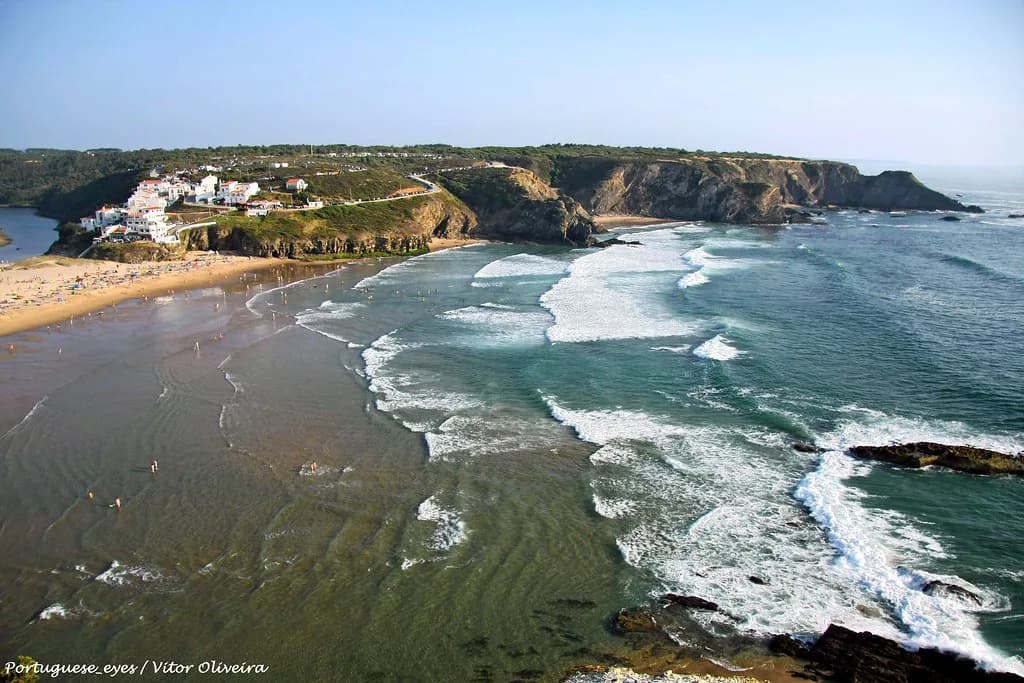
Most Beautiful Towns in Portugal: 12 Places Worth the Trip
The most beautiful towns in Portugal, from walled hilltop villages to whitewashed river towns, with why each is worth the trip and what to see when you arrive.
On this page
The most beautiful towns in Portugal split into two practical groups: the whitewashed Algarve towns of Tavira, Silves, Lagos, Loulé, Monchique and Alte, and the walled hilltop villages of the Centro region such as Monsanto, Sortelha, Piodão, Marialva, Belmonte and Idanha-a-Velha. Pick one group rather than plotting a twelve-stop tour, because they sit at opposite ends of the country. This guide gives each town its named sights and a realistic time allowance, so you can see how it fits a break of one to four days.
Most beautiful towns in Portugal: the short answer
The best single choice for a short break is Tavira, which has remained quite authentic and shows both whitewashed houses and façades full of colourful tiles, with bridges over the river that earned it the Venice of the Algarve nickname. In the Algarve, Silves adds a Moorish castle you can climb for views over the green hills, while the Centro villages reward anyone willing to drive between granite strongholds.
The Algarve cluster works as a compact trip because the towns sit within easy reach of each other, and Lagos is the busiest of them thanks to its cobbled streets, colourful buildings and cliffs. The Centro cluster is quieter and more spread out, and the medieval villages each come with castle walls and steep cobbled lanes. If you would rather compare the country's larger urban bases first, our guide to the best cities in Portugal sets out the alternatives.
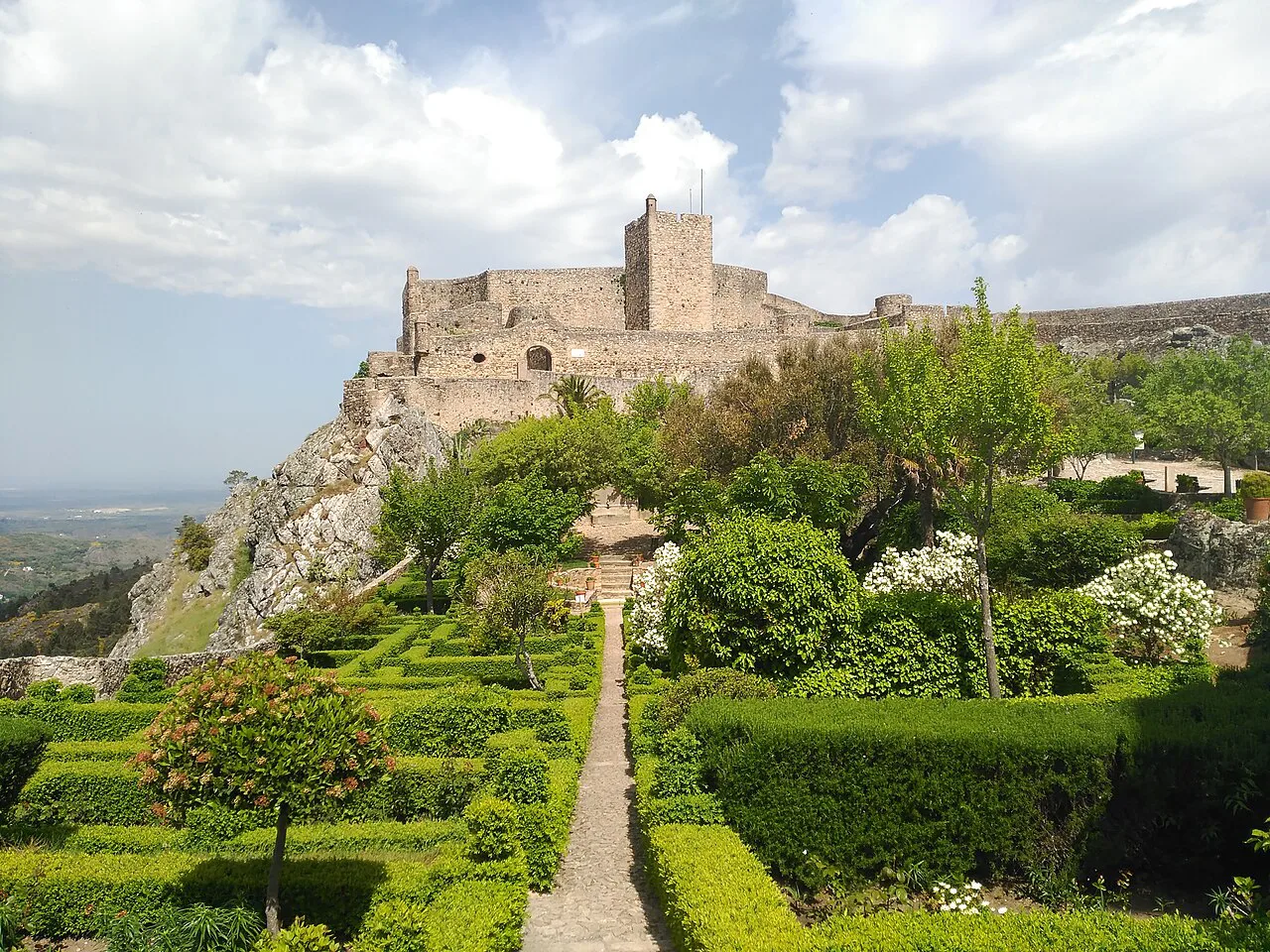
How this list is chosen: walled hilltops, river fronts and whitewash
The list follows three qualities: a townscape worth walking slowly, at least one named sight you can actually enter or climb, and enough compactness that a morning or a full day covers it. Algarve towns such as Tavira, Silves and Loulé offer river fronts, castles and market halls within a few minutes of each other. The Centro villages are grouped under the Aldeias Históricas de Portugal banner, twelve villages in the Centro region that mostly began as border towns with a defensive role, which is why so many still have medieval castles and fortresses to explore.
Treat the order below as a way to compare character and time, not a ranking. Busy towns such as Lagos buy you more restaurants and streets to wander; quiet villages such as Marialva buy you empty lanes inside the walls. For the wider picture of where these fit alongside the rest of the country, start with the best towns in Portugal.
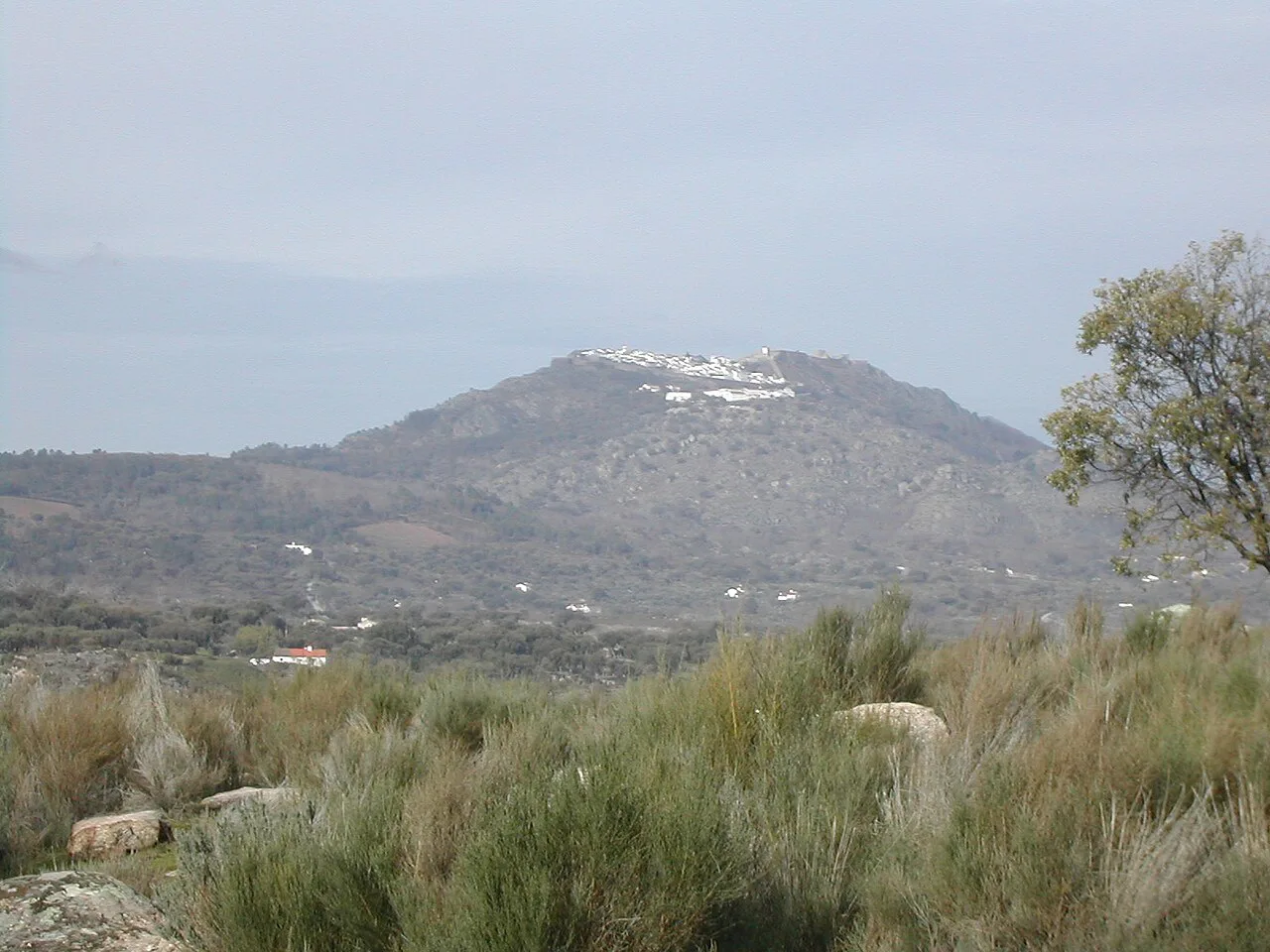
Tavira, Algarve: bridges, tiled façades and the Castelo de Tavira
Tavira is sometimes called the Venice of the Algarve for its bridges and the large river running through the centre, and its old town mixes Moorish architecture with Roman remains. Walk the whitewashed streets for the tiled façades, then climb to the Castelo de Tavira for views across the rooftops. A morning plus a long lunch on a riverside terrace is a fair allowance.
Silves, Algarve: the Moorish castle walls and the cathedral
Silves is considered the oldest town in the Algarve, and the first thing you see on arrival is the imposing castle above the town. Climb the walls for views over the green hilly surroundings, then drop into the narrow streets below. Two more stops fill the rest of the day: the cathedral (the Sé) and the Museu Municipal de Arqueologia de Silves for the town's history.
Lagos, Algarve: cobbled streets behind the crowded reputation
Lagos is one of the most famous and therefore crowded places in the Algarve, and the historic centre of cobbled streets and colourful buildings is still worth an afternoon. The cliffs and beaches sit alongside, though this is a town to explore on foot rather than a beach stop. Allow a full day if you want the centre plus the waterfront, less if you only want the old streets.
Loulé, Algarve: the market hall and the Church of São Clemente
Loulé is best known for its lively market, held in a historic indoor hall with fresh produce, local crafts and traditional delicacies. Saturdays are the day the market expands into the surrounding streets, with live music adding to the atmosphere. Pair the market with the cobbled historic centre, the colourful tiles of the Church of São Clemente and the view from Loulé Castle.
Monchique, Algarve: steep streets between the highest hills
Monchique sits between the highest mountains of the Algarve, a village of narrow, steep streets surrounded by lush forest and green hills. It suits anyone who wants to escape the coastal bustle for a few hours. Nearby Caldas de Monchique is known for its medicinal springs, and the climb to Fóia, on foot or by car, opens up views across the region.
Alte, Algarve: whitewash, flower pots and craft workshops
Alte, inland from Loulé, is one of the most picturesque villages in the Algarve: whitewashed houses, colourful flower pots and winding streets in an oasis of calm. It is also known for local crafts including pottery, weaving and basket weaving, sold in several shops around the village. Half a day is enough, and it pairs naturally with Loulé on the same drive.
Monsanto, Centro: a village built into boulders
Monsanto is the most striking of Portugal's boulder villages, with gigantic rocks worked into the architecture and cobbled lanes threading between them. The remains of its hilltop castle and Romanesque chapel are worth the climb for the views, and craft shops and a handful of restaurants sit in the village centre. Give it a half day or more; the Naturtejo Geopark landscape around it rewards a slower pace.
Sortelha, Centro: a walled citadel on a granite hill
Sortelha puts its castle and citadel inside medieval stone walls, so exploring the battlements and finding the different gates into the village is part of the visit. Stone cottages scatter over the rocky ground, with a few restaurants, cafés and shops selling local liqueurs or handwoven baskets. The views over the boulder-strewn landscape are the reason to linger.
Piodão, Centro: the schist village on the slope
Piodão is the picture-perfect schist village, its dark stone houses stacked on a slope rather than spread across a hilltop. Its position in the schist villages network, which links the region's dry-stone settlements, makes it a natural stop on a drive through the Centro. Plan a couple of hours for the lanes and viewpoints, more if you want to walk the surrounding slopes.
Marialva, Centro: medieval streets inside the walls
Marialva delivers medieval charm in compact form: a walled settlement with ruined castle remains and lanes to wander inside the fortifications. It is one of the quieter stops on the Aldeias Históricas circuit, so the reward here is atmosphere rather than a list of sights. An hour or two covers the village, which makes it easy to combine with a second stop the same day.
Belmonte, Centro: Jewish history and a hilltop castle
Belmonte stands out from the other walled villages for its Jewish and Portuguese history, which gives the visit a different focus from castle walls alone. The hilltop castle and the old streets reward a half day, and the stories attached to the village justify reading up before you arrive. It is a strong choice if you want one Centro stop with more than a view.
Idanha-a-Velha, Centro: Roman remains in a quiet village
Idanha-a-Velha is the Roman-history stop of the group, with epigraphs and artefacts that survive in a village small enough to cross on foot. It is among the least visited of the twelve, which is exactly the appeal for anyone wanting quiet lanes and old stone. Allow a morning, and combine it with nearby Monsanto or Castelo Rodrigo if you are driving.
Castelo Rodrigo and Linhares da Beira: two more walled stops
Castelo Rodrigo is small but charming, a walled village where the circuit of the walls is the main event. Linhares da Beira counters with huge rocks and swallows, a village where the granite outcrops frame the views. Both sit naturally on a Centro driving route, so treat them as half-day stops.
Which town suits a one-to-four-day break
For one or two days, base yourself in the Algarve and pick Tavira, Silves and Loulé, which share a whitewashed, castle-and-market character and sit close enough to visit in sequence. The related guide to the best places to visit in Portugal widens the choice if none of these quite fit.
For the Centro villages, accept the driving and choose two or three rather than chasing all twelve: Monsanto and Idanha-a-Velha in one loop, Sortelha and Belmonte in another. The same logic applies to other walled Portuguese towns such as Óbidos, which works as a single-day stop from Lisbon. If you are weighing up a longer version of this trip, the best towns in Portugal picks out where to start.
Which of these towns should you build your trip around?
Choose Tavira if you want one Algarve town that feels authentic and gives you tiled façades, a river and a castle climb in a single morning. Choose the Centro villages if quiet walled streets matter more than restaurants and terraces, and accept that two strong bases will beat a long list. Whichever you pick, build the day around one named sight and let the lanes fill the rest of the time.
Explore more Portugal guides
Frequently Asked Questions
What are some medieval towns in Portugal?
The twelve Aldeias Históricas villages in the Centro region are the clearest answer, among them Monsanto, Sortelha, Piodão, Marialva, Belmonte, Idanha-a-Velha, Castelo Rodrigo and Linhares da Beira. Most began as border towns with a defensive role, which is why so many still have castle walls and fortresses to walk.
Which part of Portugal is the most beautiful?
There is no single answer, but the two strongest clusters for a short break are the Algarve, for whitewashed towns such as Tavira, Silves and Loulé with river fronts and castles, and the Centro region, for granite hilltop villages inside medieval walls. Choose the Algarve if you want towns with restaurants and terraces, and the Centro if you want quiet.
What is the most beautiful small town in Portugal?
Monsanto makes the strongest case among the small villages, with gigantic boulders built into the houses and a hilltop castle and Romanesque chapel above the lanes. In the Algarve, Alte is the comparable pick: whitewashed houses, flower pots, winding streets and local craft workshops selling pottery, weaving and baskets.
Sources
Notes for your next Portuguese break
Optional updates to our town guides.
You might also like



Continue reading
More guides you'll find useful




