
Best Places to Visit in Portugal: 11 Towns and Regions Worth Your Break
The best places to visit in Portugal beyond Lisbon and Porto, from Évora and Óbidos to Coimbra, Aveiro and the Algarve, with honest trade-offs for short breaks.
On this page
The best places to visit in Portugal on a one-to-four-day break are Évora, Óbidos, Coimbra, Aveiro and Setúbal, with the Algarve and the Douro Valley for travellers happy to base themselves in one region. Each of these is a compact, walkable sort of place where the key sights sit close together, so you spend your time looking rather than travelling. This guide groups them by region, says how long each one realistically needs, and names the trade-offs so you can cut the list to fit your days.
Two things shape every choice. First, the country's historic centres are dense: a walled town such as Óbidos can be walked end to end in an afternoon, while a city such as Coimbra asks for a full day because its university sits on a hill above the old town. Second, museums and monuments set their own weekly closing days, so check them locally and let the day you arrive fit around the place you most want to see.
The short answer: which Portuguese places suit a one-to-four-day break
Rank by days, not by beauty. Óbidos and Aveiro can be covered in a day each, while Évora, Coimbra and Setúbal reward a full day and often a second; the Algarve, Douro and Minho repay two or three days based in one spot. Keeping the stays short and the bases few is what makes a one-to-four-day break work.
Pair places that sit on the same line rather than crossing the country. Évora works with Setúbal on an Alentejo-and-estuary loop, Óbidos with Coimbra on the route north from Lisbon, and Aveiro with Coimbra for a two-centre break in the Centro region. Lisbon and Porto are useful here mainly as the airports and rail hubs you arrive at and leave from, not as the trip itself.
Évora: Roman temple, Sé and Capela dos Ossos in a walled Alentejo city
Évora is a strong single-city choice in southern Portugal: a walled Alentejo capital with a Roman temple and historic core within a short walk of each other. The old town sits inside medieval walls, so you can cover the core on foot without a bus or a car. Give it a full day, and a second if you want to see it at an unhurried pace.
The trade-off is heat and hill. Évora stands on high ground in one of Portugal's hottest regions, so build the day around shaded lanes and indoor stops in the middle hours, and keep the Roman temple and city walls for early or late. Check the day's opening times locally before you commit, because individual museums and monuments set their own weekly closing day.
Óbidos: the fully walled town you can walk in half a day
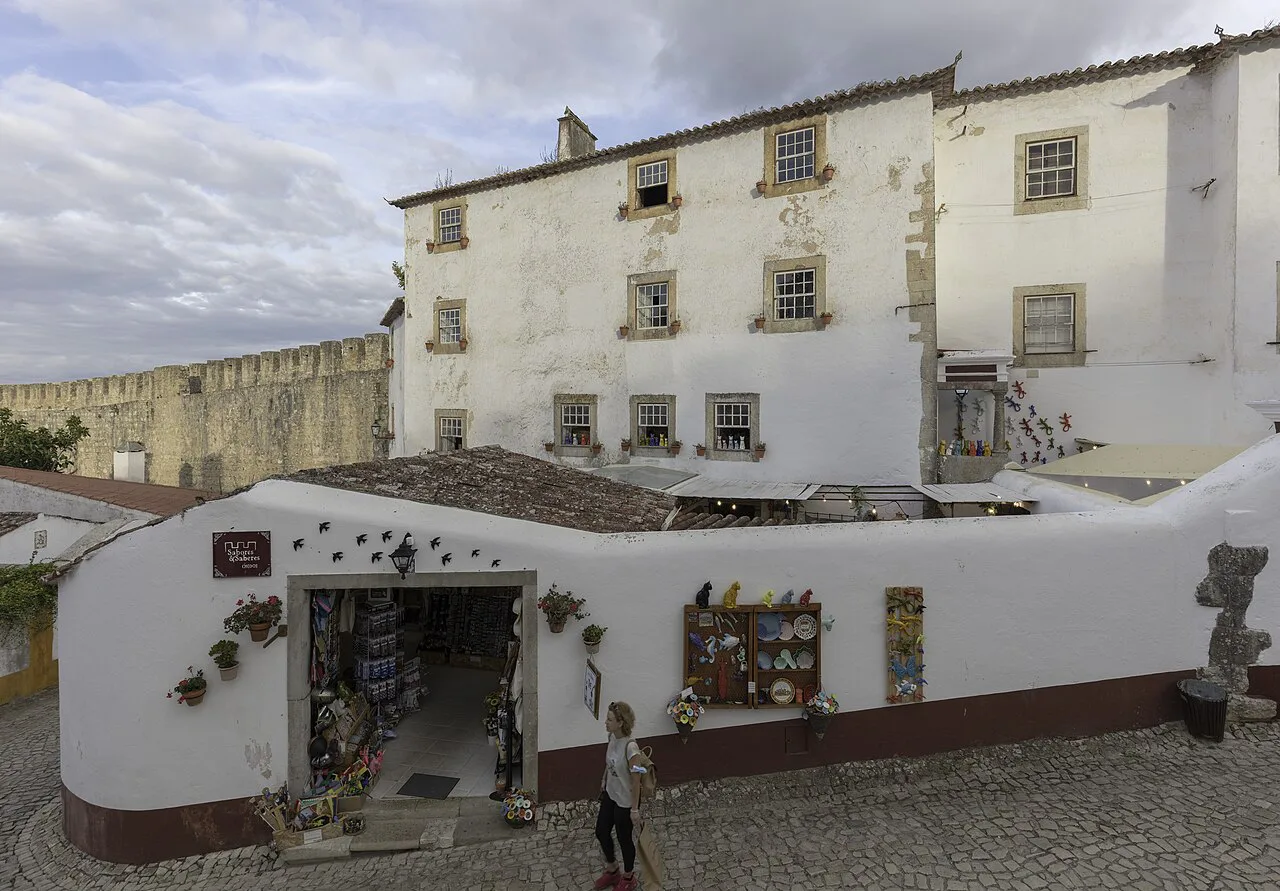
Óbidos is one of Portugal's simplest wins: a complete ring of medieval walls around a whitewashed town, entered through a gate, with the whole centre walkable in an afternoon. It suits a half-day stop or an overnight, and it sits on the route between Lisbon and Coimbra, which makes it a natural first or last stop on a short break.
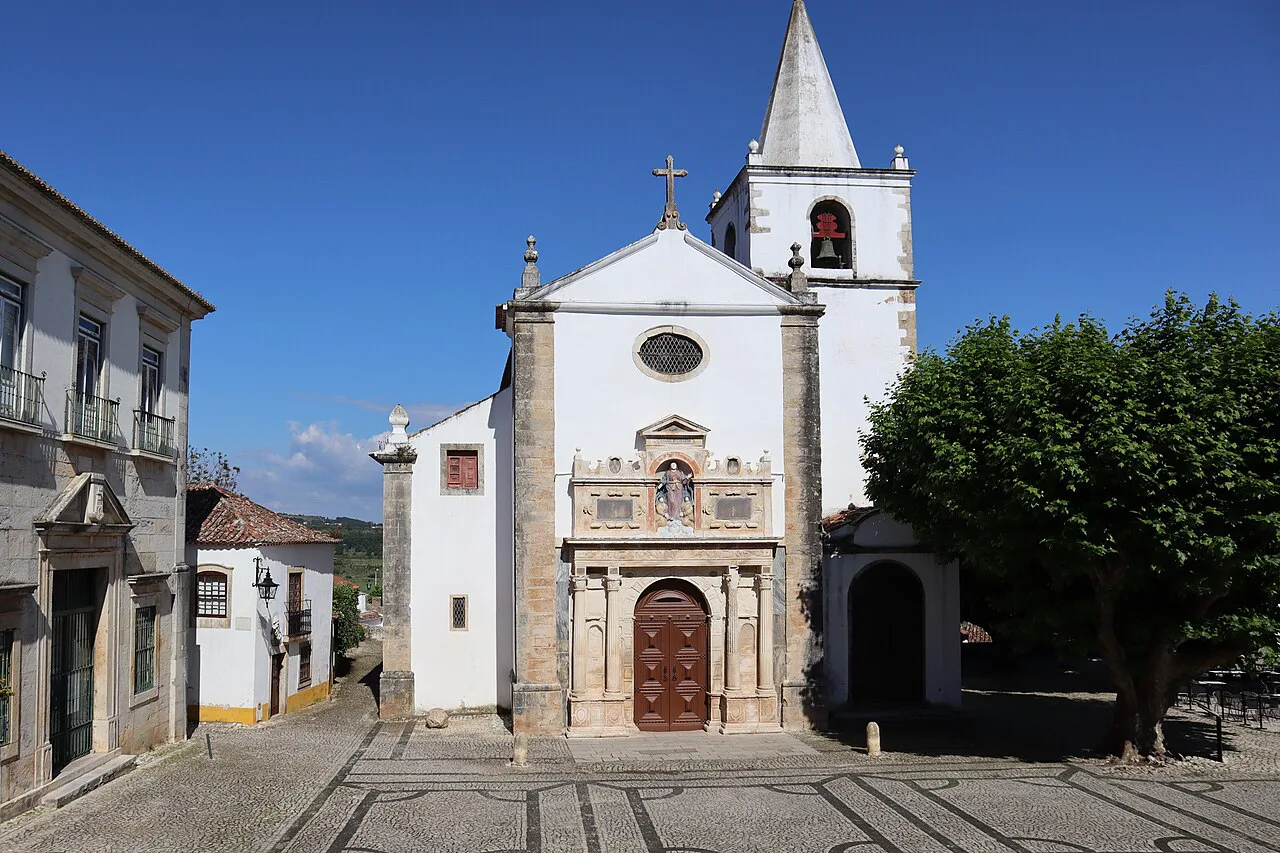
Its weakness is the same as its strength. Because the town is small and famous, the main street fills quickly and the visit can feel thin if you arrive without a plan; walk the wall circuit for the view back over the rooftops and give the churches and bookshops their own hour. Staying overnight buys you the quiet early morning that day-trippers miss.
Coimbra: Universidade de Coimbra, Biblioteca Joanina and the old town climb
Coimbra is a university city built on a slope, and the climb is the point: the Universidade de Coimbra sits at the top, with its historic buildings, and the old town tumbles down towards the river below. Set aside a full day, wear shoes that grip, and accept that you will be walking uphill more than once.
The practical catch is that Coimbra's sights are concentrated in the upper town, so plan your day around the university quarter first and use the afternoon for the old town and the riverside. If you only have a few hours, head straight for the university quarter and leave the lower town for another visit.
Aveiro: canals, moliceiro boats and the Costa Nova striped houses
Aveiro is a canal city on the Ria de Aveiro, where the traditional moliceiro boats carry visitors along the waterways and the centre is flat enough to cross on foot in a morning. The draw is the combination of canals, the tiled facades of the old quarter and the nearby Costa Nova. One day covers the centre; add a half-day for the coast.
Aveiro is also a convenient stop between Lisbon and Porto, since it sits on that rail corridor without pulling you far off it. The compromise is that it is a working town rather than a museum piece, so come for the canals and the lagoon rather than a grand monument.
Setúbal and the Sado estuary: a peninsula base for markets and the water
The Setúbal peninsula gives you a market town, a harbour and the Sado estuary in one base, with the estuary as the main reason to get on the water. Setúbal itself is compact, and the contrasting scenery of the peninsula is within reach for an afternoon. Two days is the comfortable minimum.
The honest trade-off is that Setúbal is not a classic prettified old town; it is a real working port with a gritty edge and a strong seafood tradition. Choose it if you want the estuary and the market rather than postcard streets, and confirm local opening days before you build a morning around a particular market or museum.
The Algarve: why Praia da Marinha and the golden cliffs still earn the trip
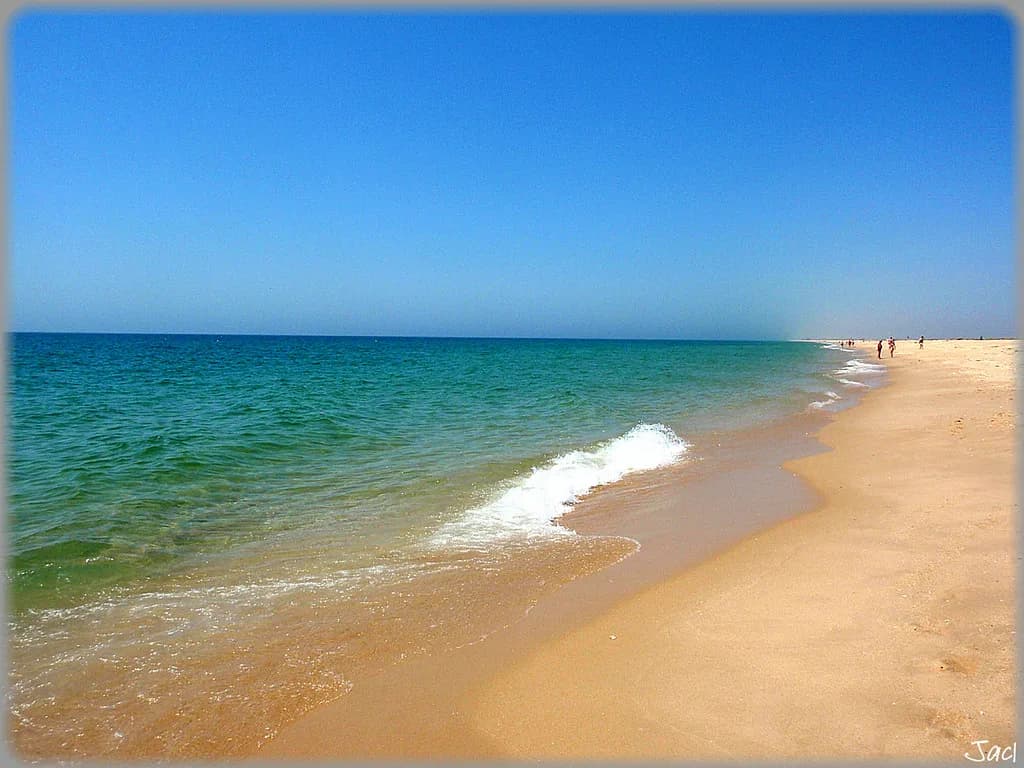
The Algarve earns its reputation on the coastline between Albufeira and Lagos, where honey-coloured limestone cliffs drop into clear water and small coves sit below the clifftops. Praia da Marinha is the showpiece, with rock formations and caves that are best seen from the water on a boat trip. Base yourself in one town for two or three days rather than touring the whole coast.
The region is developed, and in high summer the car parks and access roads to the famous beaches fill early. That is the price of the scenery; go early, pick one beach a day, and treat the cliffs as the main event rather than trying to tick off every cove. Away from the sand, the whitewashed hill towns inland give you a quieter half-day.
Sintra: palaces in the hills, and why it works as a day from Lisbon
Sintra packs palaces and gardens into a wooded hill town, and it works as a day trip because it sits close enough to Lisbon to reach in the morning and leave in the evening. The catch is volume: the main palace and the hilltop palaces draw crowds, so pick two rather than trying to see them all, and expect queues at the bus that links the sites.
Use Sintra as a comparison rather than a base if your trip is about smaller Portuguese towns, because its appeal is courtly and monumental rather than everyday. Confirm opening days for the individual palaces you plan to visit, since they set their own schedules. An overnight stay buys you the town after the coaches leave.
Douro Valley: terraced vineyards and how it fits a short break
The Douro Valley is a river landscape of terraced vineyards, best understood by boat or by train along the water rather than by car on the winding roads above. It suits two or three nights at a single quinta or village, with the river as the spine of the day. From Porto it is a natural extension of a northern trip.
The valley is not a place to squeeze into a day between cities: the distances are long and the roads slow, so a rushed visit becomes a drive rather than a stay. If wine is your reason for coming, note that tastings are a separate activity from sightseeing. Travel light and plan one river trip rather than several.
The Minho: Viana do Castelo and the green north
The Minho is Portugal's greenest corner, with Viana do Castelo as its coastal anchor: a riverside northern town with the Atlantic close by. It is quieter than the Algarve and less visited than the Centro cities, which makes it a good choice for a two-day stay with a car. The reward is a softer, slower version of the Portuguese coast.
The trade-off is access: the Minho sits beyond Porto and its highlights are spread out, so it rewards a driver and punishes a traveller on foot. Give it two days at least, use Viana do Castelo as your base, and keep the itinerary short rather than chasing every viewpoint. First-timers with only a few days should leave it for a second trip.
Parque Natural da Serra da Estrela: mountains for a slower pace
The Serra da Estrela is Portugal's highest mountain range and its protected natural park, a landscape of granite plateaus and hill villages that suits travellers who want altitude and quiet rather than sights. It works as a two-day detour between Lisbon and the north, or as a base for a slow break in any season.
This is a place where weather decides the day: the high road can be clear in the valley and cold and wet on the plateau, and in winter snow affects access. Build in flexibility, keep a village as your base, and Don't plan a tight schedule around a mountain pass.
Marvão and Amarante: two smaller stops worth the detour
Marvão is a hilltop village on the Spanish border, wrapped in walls with a castle at the top and views across the Alentejo plain; it is small enough for a morning but dramatic enough to justify the drive. Amarante, further north on the Tâmega river, is a riverside town with a leafy centre. Together they show the range of inland Portugal away from the coast.
Both are best as stops on a longer drive rather than destinations in their own right, and both repay an overnight if you want the evening quiet after the day visitors leave. Marvão's position on the border makes it a natural pause between the Alentejo and the north, while Amarante fits neatly on a route east of Porto. Try one of the schist villages if you want a third stop in the same landscape.
How to choose: travel time, days needed and what each place asks of you
Start with the days you actually have in each town, not the days of the trip. Flights, trains and transfers eat half a day each way, so a four-day break supports two bases comfortably or three if you keep moving. Óbidos and Aveiro ask the least of you; Coimbra and Évora reward a full day on foot.
Then match the place to your tolerance for hills, heat and crowds. Coimbra and Sintra are steep and busy, Évora is hot in summer, the Algarve is developed and the Douro and Minho reward a car. If you want the prettiest places rather than the most practical, read the companion list of the Most Beautiful Towns in Portugal before you commit, or start from the Best Towns in Portugal.
Which Portuguese place should you book first?
For a first short break outside Lisbon and Porto, book Évora for history in one walkable city, or Óbidos and Coimbra together for a walled town and a university city on one line. Add Aveiro if you want canals and a coastal suburb, or Setúbal if you want a market and an estuary. Save the Algarve, Douro and Minho for a trip with two or three nights in a single base.
Whichever you choose, check the opening days of the one museum or monument you care most about before booking transport, because that detail decides which day you arrive. Two full days in one place beats four rushed ones, and in Portugal the towns reward walking rather than driving between them.
Explore more Portugal guides
Sources
Notes for your next Portuguese break
Optional updates to our town guides.
You might also like



Continue reading
More guides you'll find useful




