
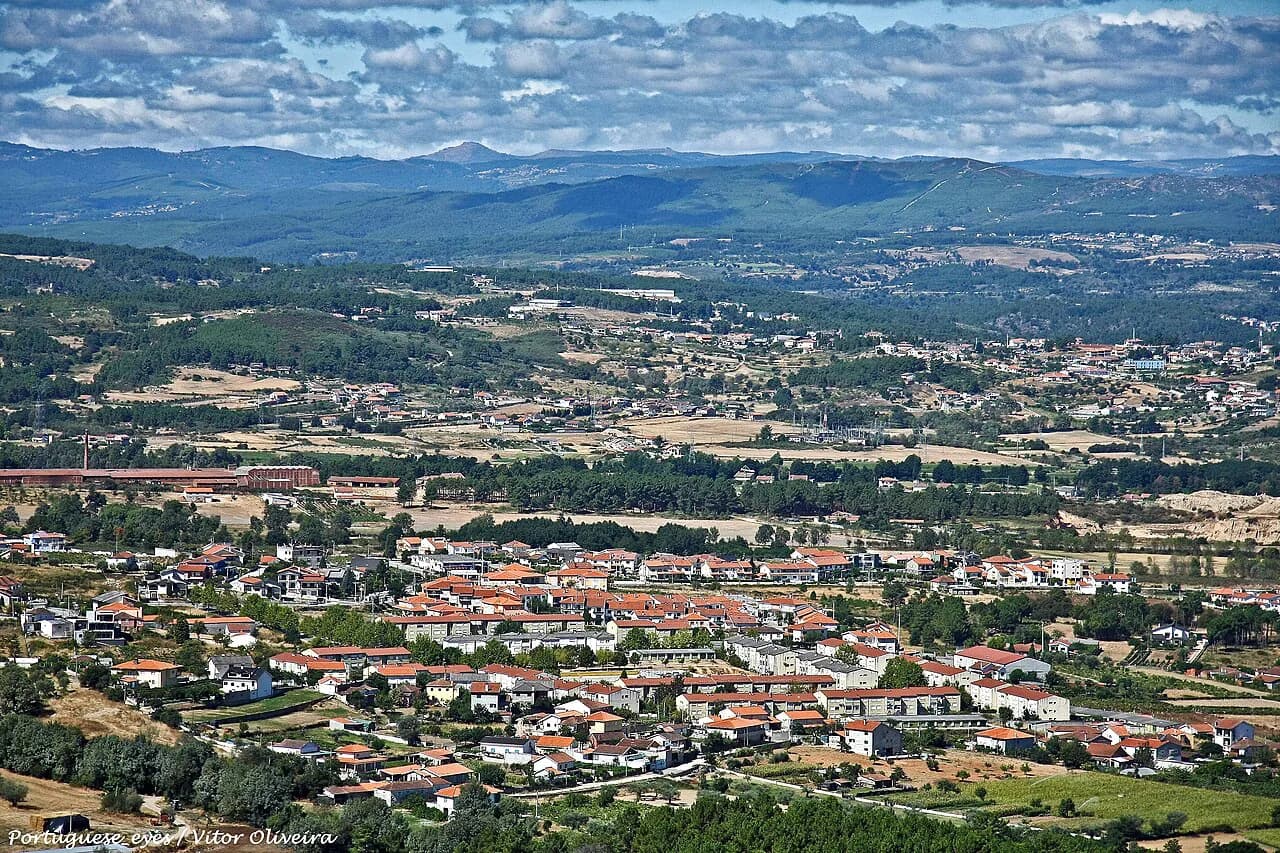
Chaves, Portugal: Roman Bridge, Castle and What to See
Plan a short break in Chaves, Portugal: the Roman bridge, castle keep and military museum, riverside and hot springs, plus how much time the town needs.
On this page
Chaves is worth a day, and two if you want the hot springs as well as the sights. The compact centre puts a Roman bridge, a castle keep and a riverside garden within an easy walk of each other, so you can cover the headline monuments in a morning and an afternoon without transport. This guide explains how the town is laid out, what the Roman bridge and castle actually give you, how the baths quarter fits in, and where Chaves sits in a wider northern trip.
Set in the Alto Tâmega sub-region, Chaves is a small inland town rather than a city break in the Lisbon or Porto mould. That is the appeal: the Roman bridge and the castle are the reason to come, and the rest of the centre fills a short break neatly. If you are weighing it against larger northern stops, the best towns in northern Portugal comparison is the honest starting point.
How Chaves is laid out, and how to walk it
Chaves sits on the River Tâmega, and the town's shape follows it. The Roman bridge of Trajan crosses the water on one side, the castle and its keep sit in the older core, and the Praça do Brasil anchors the modern centre with hotels and the main streets around it. Working out this triangle first saves you from zig-zagging.
A sensible walking order starts at the bridge, climbs into the castle quarter, then drops to the Praça do Brasil and the public garden. Everything is close enough to do on foot in a half-day at an unhurried pace, which is why Chaves suits a one-day stop so well. The public garden and the Roman bridge are both flagged as must-see places by the town's own spa, alongside the castle.
Two details are worth noting before you set out. The bridge and castle area sit on one bank and the spa quarter on the other side of the centre, so a loop rather than an out-and-back works better. Beyond that, museum and monument opening days are not something to guess at, so confirm them before committing your day.
Ponte de Trajano: the Roman bridge
The Ponte de Trajano is Chaves's defining sight and the reason the town calls itself Aquae Flaviae. The stone bridge arches over the calm Tâmega, reflecting the riverside buildings in the water, and it is best seen from the bank rather than from a car window. Give it twenty minutes on foot and you have the photograph and the sense of the place.
This is the sight to build your morning around. Walk the bridge, then follow the riverbank to see the arches from the side, which is where the scale reads properly. Confirm current access conditions before you rely on a particular route across it, so it is the one thing in Chaves you can plan around your own timetable.
Chaves Castle, Torre de Menagem and the military museum
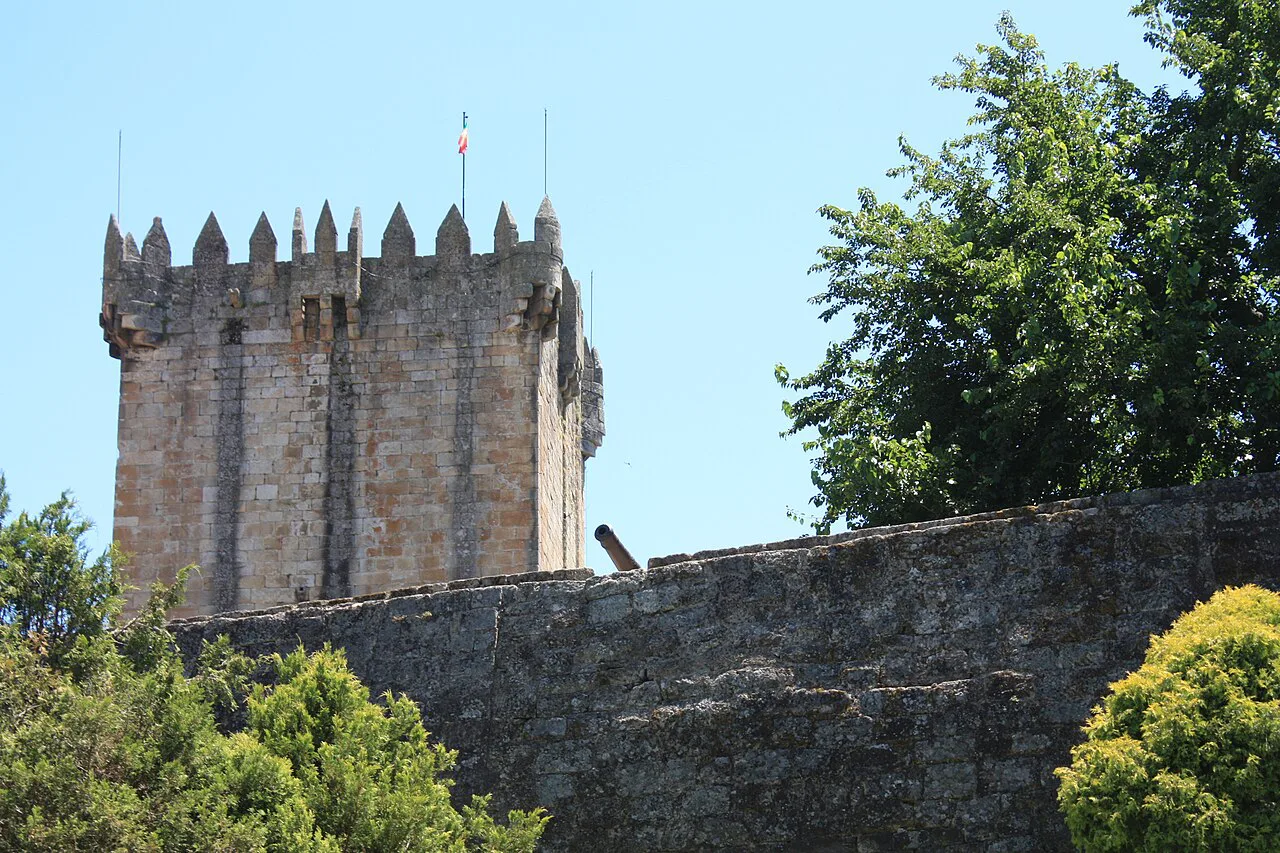
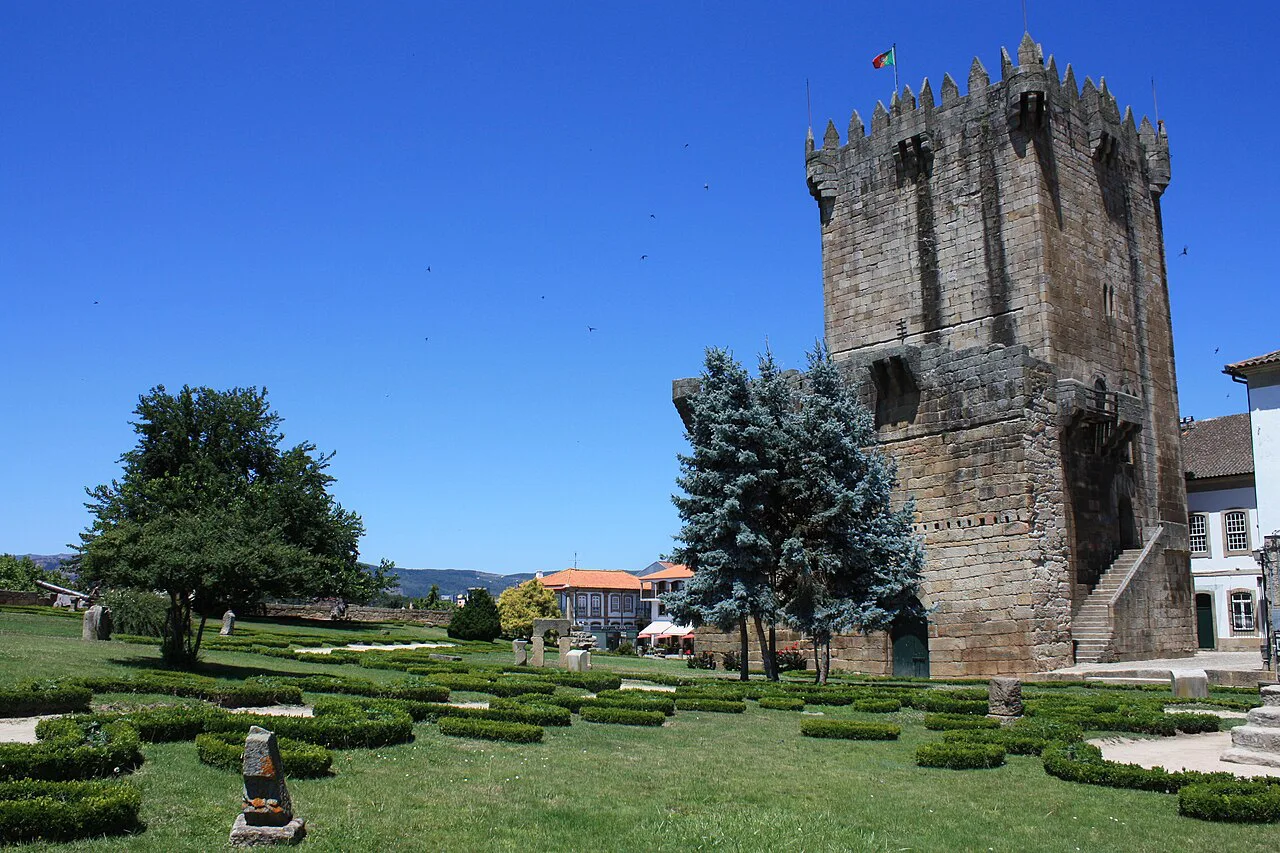
Chaves Castle and its Torre de Menagem, the keep, anchor the old core and pair naturally with the Museu Militar housed alongside them. The castle and Torre de Menagem with the military museum are among the attractions visitors most often pair with the bridge, and they sit close enough to combine in one stop. Allow an hour if you go into the museum, less if you only want the castle exterior and the views.
The museum's collection is military history, so it suits travellers who like that subject and is skippable if you do not. The castle and keep themselves are the reason most people climb up. Entry arrangements and opening days are the variable here, so check them before you build the day around them.
Aquae Flaviae: the Roman baths and the hot springs quarter
Chaves's Roman identity runs through its baths as much as its bridge. The Roman Baths Museum of Chaves is listed among the attractions near the Ponte de Trajano, so it slots into the same morning as the bridge. The Termas de Chaves spa is a separate operation on Largo das Caldas, where the Buvete and the Fonte do Povo invite you to try a glass of Água Termal Flaviense before you go in.
The spa is the part of Chaves that eats time. The Termas de Chaves publishes its own opening calendar and working hours, and its therapeutic season runs on a high/low season split rather than fixed year-round hours, so the times you get depend on your dates. It also runs short-stay programmes that take a few days rather than an afternoon. If you want the baths as part of a short break, book ahead and treat it as a half-day rather than a quick add-on.
Keep the two experiences separate in your mind. The Roman Baths Museum is sightseeing; the modern Termas is a wellness visit with its own timetable and booking. Trying to squeeze both into one afternoon is where short-break plans for Chaves usually fall apart.
The centre: Praça do Brasil, churches and the public garden
Praça do Brasil is the working centre of Chaves, the square where the larger hotels sit and where you will orient yourself on arrival. It is a practical base rather than a sight in itself. From here the older streets climb towards the castle and fall towards the river, which makes the square a useful midpoint in a walking day.
The public garden gives you a green pause between the bridge and the centre, and it is one of the three places the town itself names as must-sees. Pair it with a coffee rather than a full stop. If you want a comparison with another compact northern town where a square does the same job, Barcelos works well, but Chaves is the quieter of the two.
How many days does Chaves need?
One full day covers Chaves's core on foot: the Ponte de Trajano, the castle and keep, the military museum if it interests you, and a loop through the Praça do Brasil and the public garden. Two days only make sense if you add the Termas de Chaves spa, which takes a half-day with booking, or if you want an unhurried pace.
If you are squeezing Chaves into a longer northern Portugal itinerary, keep it to a day and treat the spa as an optional extra. If Chaves is your main stop, two nights gives you the town plus a spa morning without rushing. Larger northern cities such as Viseu, Portugal's Dão wine city, need more time than Chaves, so decide which you want before you book.
Where Chaves fits in a northern Portugal trip
Chaves sits in the far north-east, close to the Spanish border and Verín, which makes it a natural stopping point on a route between Portugal and Spain. It is a shorter, quieter stop than the bigger northern towns, and it works best as a one-day pause rather than a base for a whole week. In a northern itinerary, Chaves and Bragança, Portugal's walled north-eastern town, pair neatly as a two-stop loop.
If you are coming from the coast, Valença, Portugal, is the other border town many travellers meet first, though Chaves has the Roman bridge and the spa quarter, which Valença does not. Vila Real and its baroque Mateus palace sit south of Chaves and make an easy onward leg. Lamego, Portugal's Baroque staircase town above the Douro, is a further southern option if you are heading towards the river.
Getting there and getting around
Chaves is an inland town in the Vila Real district, with road links to the Spanish border and to Verín on the Spanish side. Most travellers arrive by car or coach rather than by train, so plan the arrival leg around your wider route. Once you are in the centre, the bridge, castle and Praça do Brasil are all within walking distance, and you will not need a car for the sightseeing itself.
Timetables and operators change, so check the specifics for your dates before you travel. The walking plan is the part you can lock in now: arrive, orient yourself on the Praça do Brasil, and walk the bridge-and-castle loop the same day.
Is Chaves worth the stop?
Yes, if you want one compact day built around a Roman bridge, a castle keep and a riverside centre, with a hot springs quarter as the bonus. No, if you want a big-city break with a long list of museums and evening options. Chaves is a small inland town that rewards a focused day rather than a week.
Book the spa if you want it, build the walking loop around the bridge and castle first, and leave the museum detail for the morning itself. For a wider comparison before you commit, go back to the northern towns overview and weigh Chaves against the bigger stops on your route.
Frequently Asked Questions
What is the climate like in Chaves?
Chaves sits inland in the Alto Tâmega, so summers are warm and winters are colder than on the coast. Pack a layer for the evening even in summer, and expect the riverside to be cooler than the centre.
Where is Chaves and how does it fit into a northern trip?
Chaves is an inland town in the far north-east of Portugal, in the Alto Tâmega sub-region, close to the Spanish border and Verín. It pairs naturally with Bragança and other northern stops, and works best as a one-day pause on a longer route rather than a base for a week.
Sources
Notes for your next Portuguese break
Optional updates to our town guides.
You might also like



Continue reading
More guides you'll find useful





