
Viseu, Portugal: What to See in the Dão Wine City
Plan a short break in Viseu, the Dão wine city, with its cathedral square, Grão Vasco Museum and old-town streets, plus how long the centre needs.
On this page
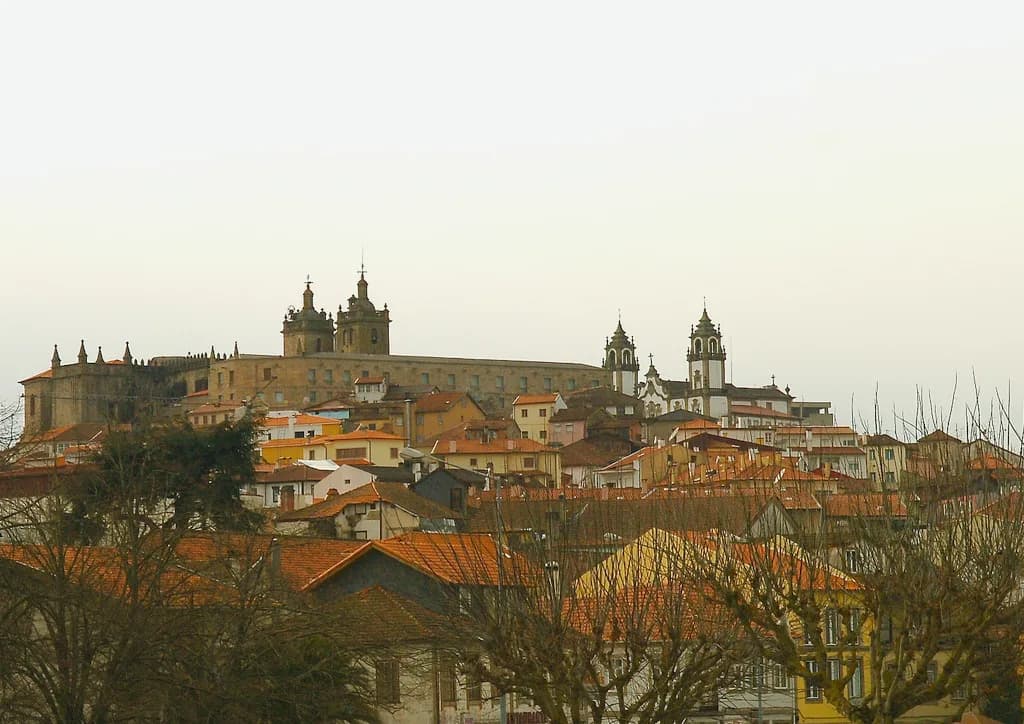
Give Viseu one full day for its historic centre and two if you want a slower pace with time in the Grão Vasco Museum and the lanes around the Sé. The city is the capital of the Dão wine country in northern Portugal, and its compact, hilly core is best walked rather than driven. This guide covers the layout of the old town, the cathedral and its square, the museum that anchors most visits, how the days fit together, and how to reach the city.
Why Viseu suits a short break
Viseu works as a short-break city in its own right rather than an add-on to Lisbon or Porto: the sights cluster on and around one hilltop square, so you can cover the essentials on foot in a day. Its identity is tied to the Dão, the wine region that surrounds it, which gives the city a working-Portuguese feel rather than a tourist-strip one. What it does not have is a monumental set piece on the scale of a major cathedral or palace complex, so the appeal is the square, the museum and the streets between them.
Where Viseu is and how to get there
Viseu sits in the Viseu Dão Lafões region of northern Portugal, on the plateau between Coimbra to the south-west and the Douro valley to the north. The city has no useful airport for most travellers, so the practical approach is by road or by bus from Coimbra or Porto. Check current timetables and fares with the operator before you commit, because services on this corridor are not frequent enough to improvise. If you are extending the trip, Viseu slots naturally into an itinerary built around the Best Towns in Northern Portugal.
If you are driving, Viseu is an easy stop on a loop that also takes in the Serra da Estrela and the historic villages of the interior. The Monastery of Alcobaça, a Cistercian foundation with the tombs of Pedro and Inês, shows the scale of monument you find further south in the Centre region, and its published visiting hours run from 09:00 to 18:00 between October and March with the last entrance at 17:30. Plan fuel and parking in the city centre in advance, as the old streets are steep and narrow.
How the centre is laid out
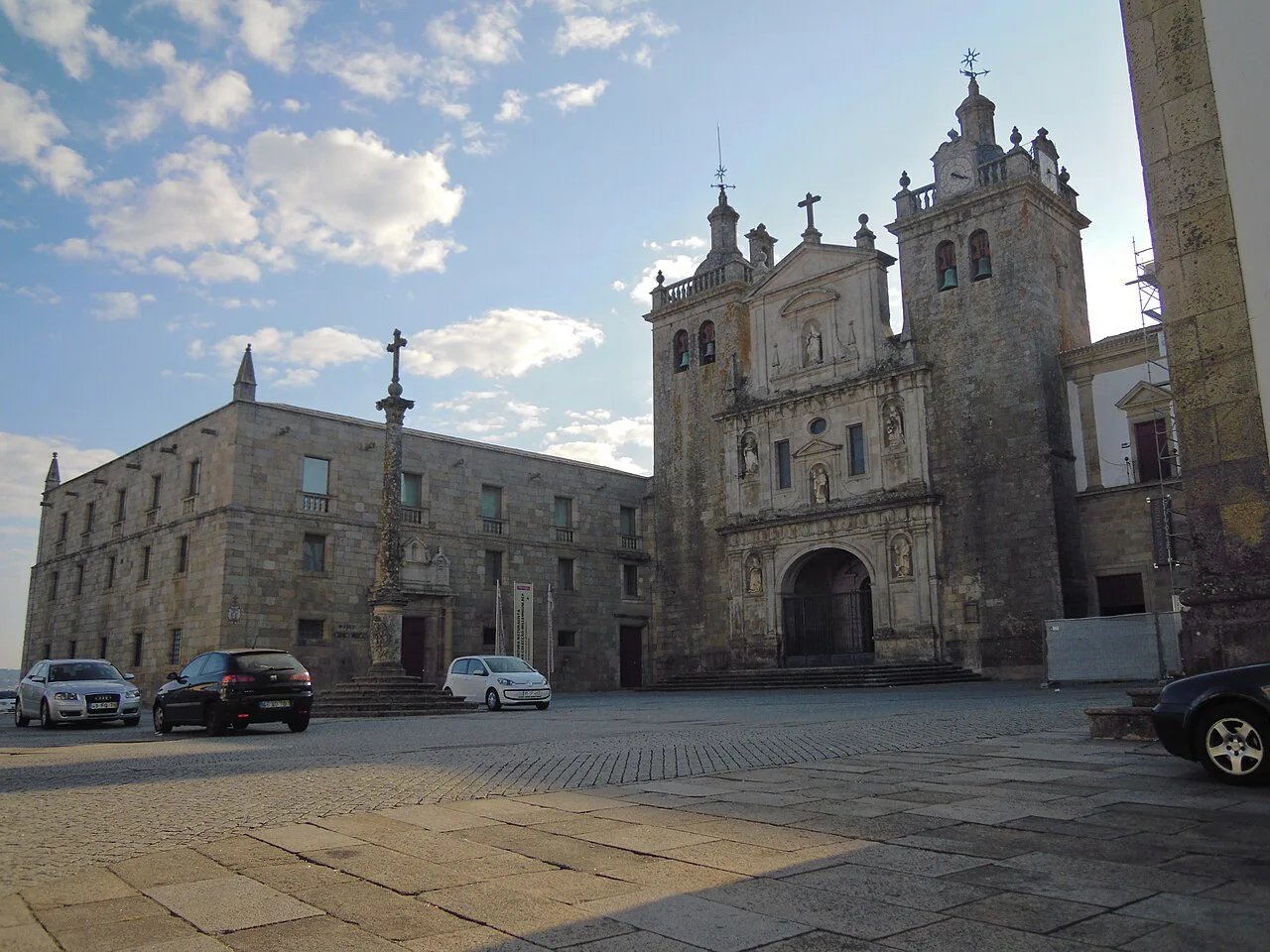
The historic core climbs to the Adro da Sé, the cathedral square, which is the hinge of any visit: the Sé de Viseu stands on it and the Grão Vasco Museum sits alongside. From there, lanes drop away in several directions through the old town, with churches, small squares and viewpoints appearing as you go. Allow for gradients, because the streets are steep and the calçada paving is slippery when wet; comfortable shoes matter more here than in a flat city.
The Sé and the Adro da Sé
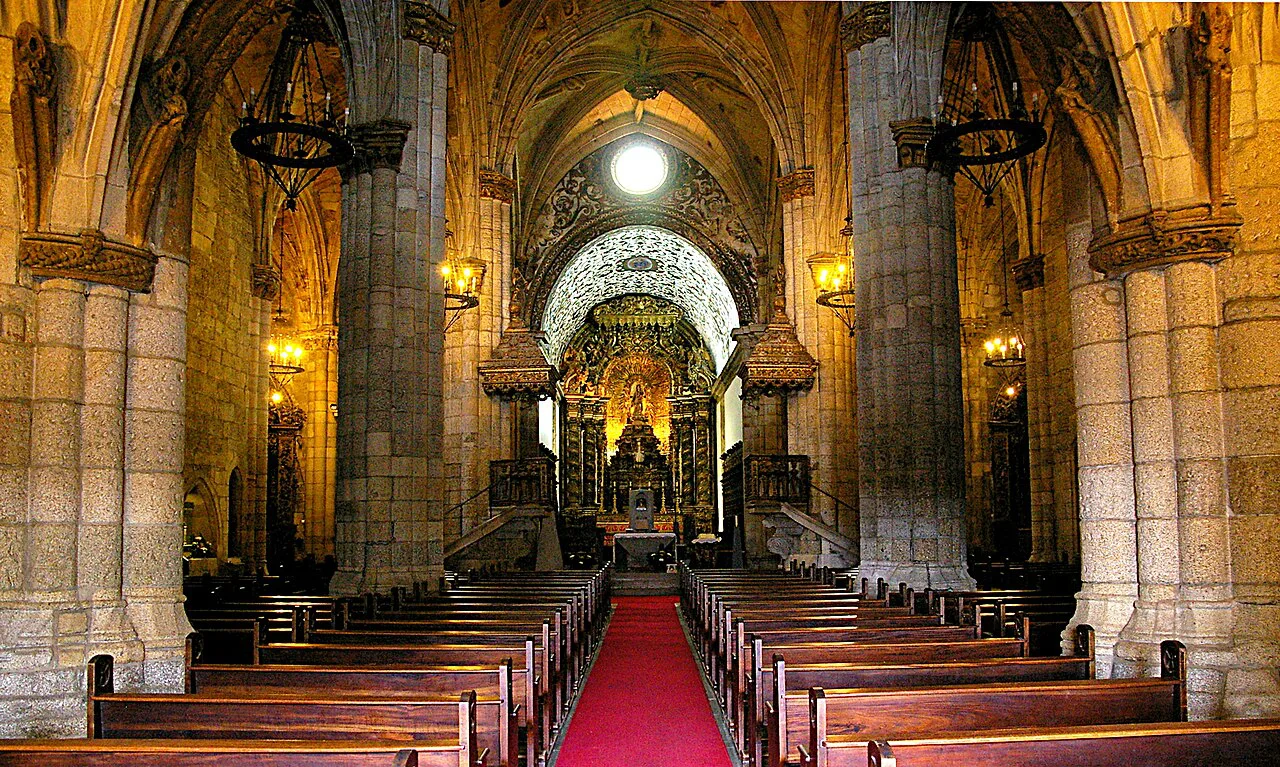
The Sé de Viseu is a composite building, with Romanesque and later Gothic and Baroque layers, and the square in front of it is the natural place to start and end a day. Give the cathedral and its immediate surroundings around an hour, more if you sit out on the square with a coffee. Opening times for the interior are not consistent across the year, so confirm them locally on the day rather than planning around a fixed slot.
The Adro da Sé is also the best orientation point in the city: stand here first and the rest of the old town makes sense. From the square you can see how the streets fall away towards the lower town, which helps you plan a route rather than doubling back up the hill.
The Grão Vasco Museum
The Grão Vasco Museum, next to the cathedral, is the reason many travellers stop in Viseu at all: it holds the work of Vasco Fernandes, the sixteenth-century painter known as Grão Vasco, and it anchors a visit to the city. Build the museum into the middle of your day rather than the end, because the religious paintings reward a fresh eye. Ticket prices and closing days are set by the museum and change, so check them before you travel rather than assuming a pattern.
Old-town streets, churches and viewpoints
Away from the square, the pleasure of Viseu is wandering: the Rua de São Miguel and the lanes running off it, small churches, and the gates and stretches of old wall that survive in the town. The historic villages of the interior, places like Almeida, Belmonte and Castelo Rodrigo, give a sense of the fortified settlement pattern of this part of Portugal, and Viseu's own old core follows a similar logic of walls and narrow streets. Two or three hours covers the centre at an unhurried pace, with pauses.
If you have a car, the schist village of Piódão, built into the slopes of the Serra do Açor, makes a strong half-day excursion from the city, with its slate roofs, steep stairs and white matriz church. It is a mountain village reached on winding roads, so treat it as a separate outing rather than something to squeeze in after the museum. Similar in spirit is the walkable old core of northern towns such as Barcelos, where the central square gives the same pleasure of a square to orbit.
How many days Viseu needs
One day is enough for the Sé, the Adro da Sé and the Grão Vasco Museum, with a couple of hours left for the old-town lanes and a long lunch. Two days lets you slow down: revisit the museum, take in the churches you skipped, and use the afternoon for a drive into the Dão countryside. A third day only makes sense if you are using Viseu as a base for the Serra da Estrela or the historic villages, not for the city itself.
Where Viseu fits a longer trip
Viseu pairs naturally with the Dão countryside around it and with the Serra da Estrela to the south-east, Portugal's highest mainland range, which is a separate trip rather than a city sight. It also sits within reach of Coimbra and the Douro, so it works as a stop between them rather than a destination you fly to. Towns such as Lamego, with its baroque staircase and sanctuary, and Chaves in the far north, show how varied the northern interior is if you are building a longer route.
For travellers heading north towards the Spanish border, Valença and Bragança are useful comparisons: Valença's fortress town and Bragança's walled citadel show the military architecture of the region, while Viseu is the commercial and cultural centre of its own wine country. Build the route around driving distances rather than trying to link everything by public transport.
Practical points: opening days and tickets
Opening days in Viseu's museums and churches are not uniform, and the city has no single published pattern to rely on, so confirm the Grão Vasco Museum and the Sé interior for your dates before setting out. Elsewhere in the Centre region, schedules vary widely: the Castle of Almourol, on its island in the Tagus, is visited by boat from Tancos with departures every hour, running from 10:00 to 13:00 and 14:30 to 19:00 between 1 March and 31 October. Expect some sights to be closed on one weekday and to shut at lunchtime, and plan the museum for the day you know it is open.
Should Viseu be on your northern Portugal route?
Yes, if you are building a route through the northern interior and want a genuine Portuguese city with one excellent museum and a hilltop square, rather than another stop on the coast. Give it a day, or two if you want the Dão countryside as well, and confirm museum and cathedral hours for your dates before you arrive.
Explore more Portugal guides
Frequently Asked Questions
Is Viseu worth visiting?
Yes, for a compact historic centre built around the Adro da Sé and the Grão Vasco Museum, which holds the work of the painter Vasco Fernandes. It suits travellers who want a working northern Portuguese city and a base for the Dão countryside rather than a beach or a monument-heavy stop.
Does it snow in Viseu?
Viseu sits on a plateau in northern Portugal and can be cold in winter, but the city's snowfall is not something to plan a trip around. Check a forecast for your dates rather than relying on averages.
Is Viseu a good place to live?
That is a question for residents and relocation services, not a short-break guide. As a visitor, what stands out is a walkable, hilly centre with a strong local identity rather than a tourist-oriented one.
Sources
Notes for your next Portuguese break
Optional updates to our town guides.
You might also like



Continue reading
More guides you'll find useful





