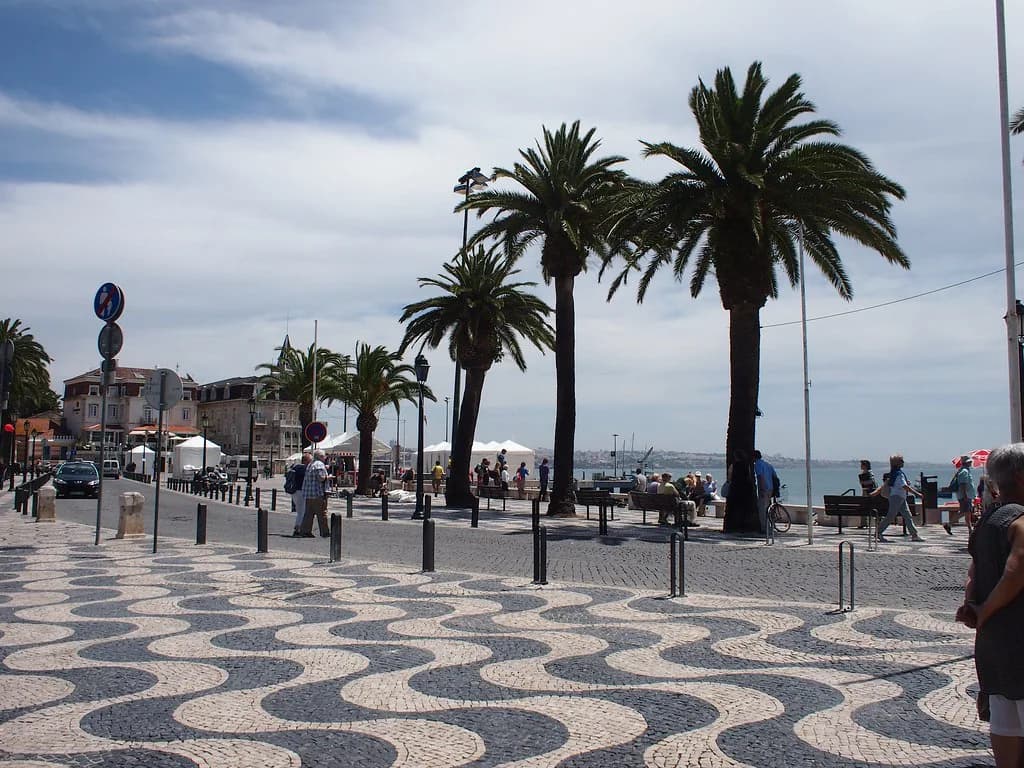
Cascais vs Sintra: Which Day Out Suits Your Short Break?
Cascais and Sintra suit different days out: Cascais is a flat seaside town of museums and gardens, Sintra a hillside town of palaces above its old centre.
On this page
Pick Cascais if you want an easy, flat day of seafront strolling, municipal museums and public gardens; pick Sintra if palaces and hillside estates are what you came for. The two are neighbouring municipalities in the Lisbon district but offer quite different days, and they ask different things of your legs, your time and your budget. This guide sets out how each is laid out, what you actually see, how much time each needs and how the decision changes on a one-to-four-day break.
Cascais works as a relaxed base with a seafront centre and a compact museum quarter, while Sintra is a hill town where the main sights sit above the old centre. Neither is a quick hop from the other, so the honest question is not which is better but which fits the day you have.
The short answer: flat seaside versus palace hills
Choose Cascais for a low-effort day: a level town centre, a museum quarter, public parks and gardens, and the sea in front of you. Choose Sintra when the palaces, estates and wooded hillsides are what you came to Portugal to see, and go in expecting a hillier day.
The trade-off is effort against spectacle. Cascais gives you more variety per hour on foot; Sintra gives you bigger set-piece sights but eats time in transit between them. On a short break, that difference decides more than any ranking of the two towns.
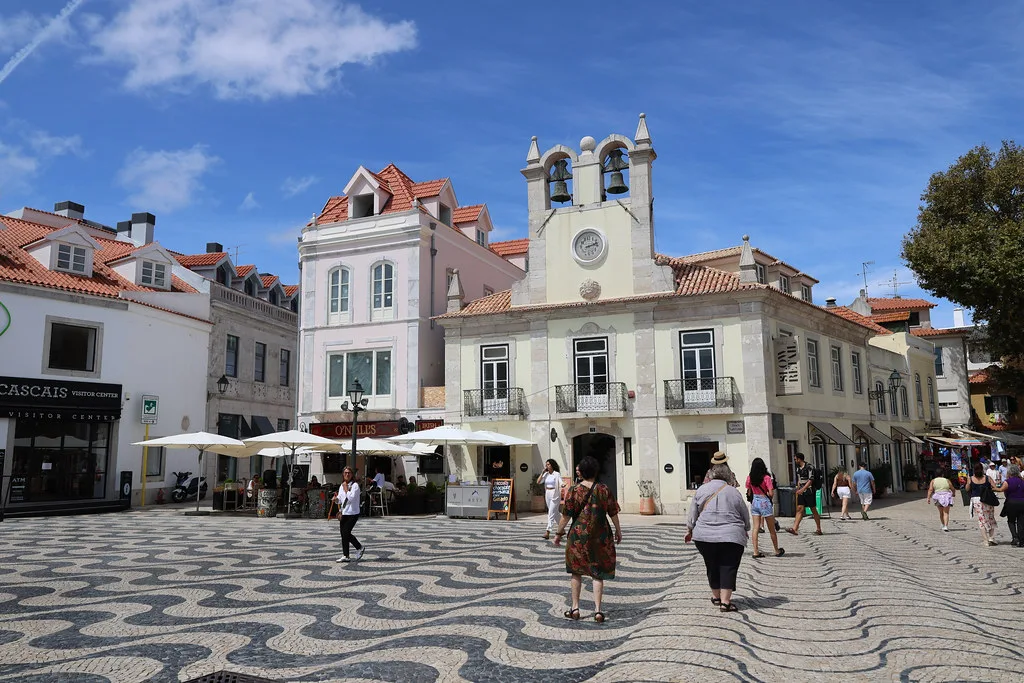
How the two towns are laid out
Cascais is arranged around a seafront centre, with the old town lanes, the citadel area and the museum quarter within a walkable radius. The Bairro dos Museus groups several municipal cultural venues together, and the Centro Cultural de Cascais sits within that network, so you can move between sights without planning transport.
Sintra has a different shape again: a hill town where the main sights sit above the old centre. Movement between sights is the main cost of a Sintra day, so it pays to plan the order of visits before you arrive rather than improvising on the day.
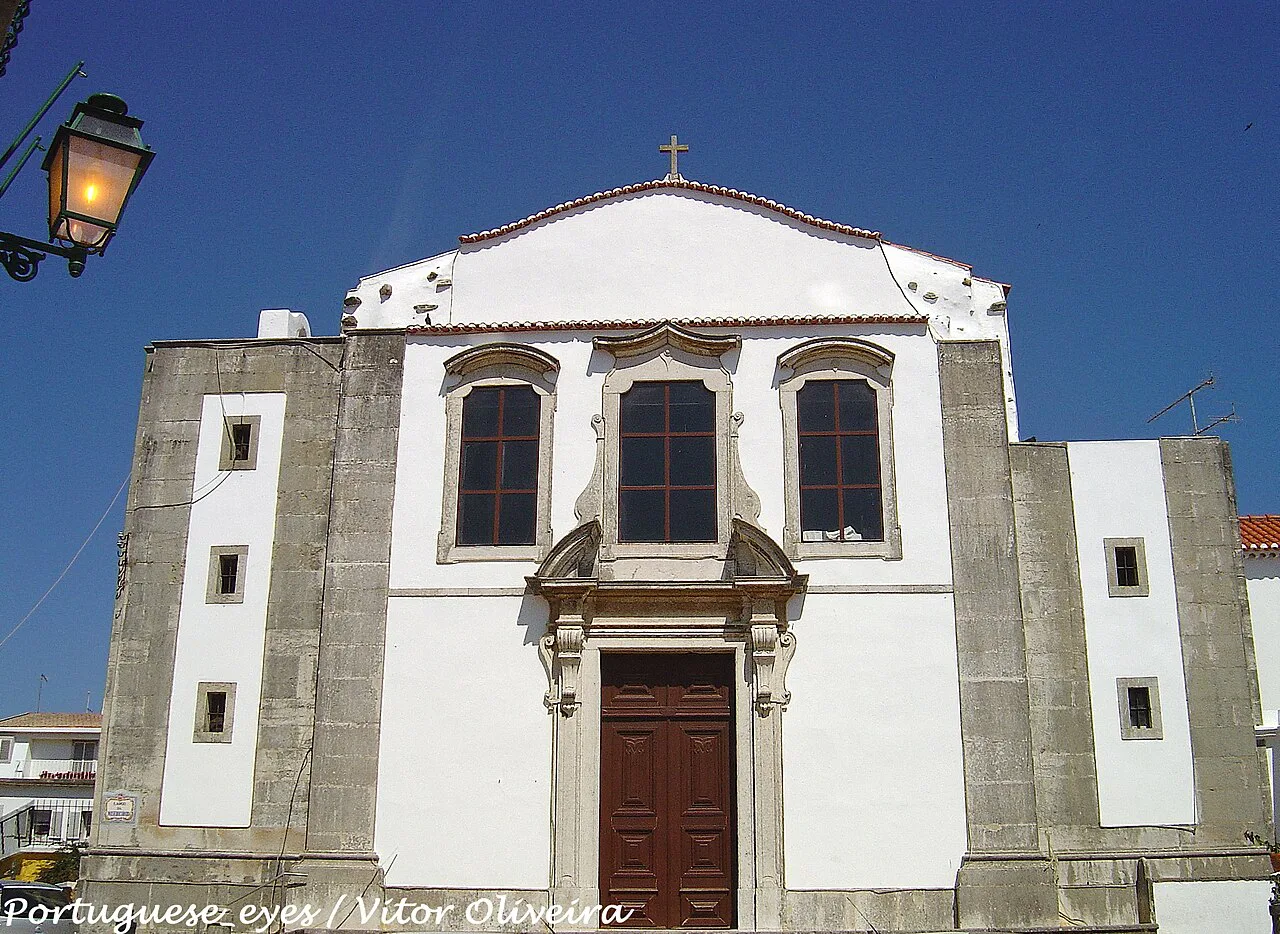
What you actually see in Cascais
Start with the seafront and the old town, then give the museum quarter a block of time. The Centro Cultural de Cascais publishes its exhibition programme and visitor information on its own pages, so you know what is actually on before you commit an afternoon to it.
Parque Marechal Carmona is the town's green breathing space, with gardens to walk through and shade to sit in between sights. Pair it with the seafront rather than treating it as a separate excursion, and you have a half day that never feels rushed.
The Cascais citadel area and the museum neighbourhood, grouped under Bairro dos Museus, are the cultural anchors of a short visit, and the town's own tourism pages set out the beaches, parks and gardens alongside the cultural venues. Build the day around what you actually want to see rather than around a fixed tick-list.
What you actually see in Sintra
Sintra's draw is its palaces, estates and wooded hillsides up above the old town. These are ticketed attractions rather than municipal venues, and each publishes its own opening times and admission on its official site.
Budget the day around two or three sights rather than trying to collect them all. The hillside gardens and viewpoints between the estates are part of the experience, and rushing past them to fit in another ticket defeats the purpose of going.
Walking effort and pacing
Cascais is gentle: level pavements, a seafront promenade and short hops between the centre, the parks and the museum quarter. Travellers with young children, older relatives or limited stamina can cover the core of the town on foot without any demanding climb.
Sintra is a hill town, so expect slopes and allow slack in the schedule, capping how many sights you book rather than sprinting between them. A realistic plan beats an optimistic one.
How much time each needs
Cascais fits comfortably into half a day, or a full day if you add the parks and a long seafront walk. That makes it easy to slot into a short break without dedicating the whole trip to it, and you can see how the pieces fit in a Cascais itinerary before you book anything.
Sintra wants a fuller day: the palaces are spread out above the old centre, and the ticketed sights take time in themselves. Trying to compress Sintra into a morning usually means seeing one estate and missing the rest.
If Cascais is your base for several days, the maths changes: the town is a place to return to rather than tick off. How many days in Cascais you give it depends on whether you want the museums, the parks or just the seafront rhythm.
Opening days and access: check each venue
The two towns behave differently at the ticket desk. Cascais runs a municipal museum network plus public parks and gardens, where access arrangements are set by the local authority (Cascais Ambiente manages the parks); Sintra's palaces and estates are separately ticketed attractions with their own pricing and calendars. Check each venue's own page rather than assuming a shared pattern.
The Centro Cultural de Cascais has its own Bairro dos Museus page with a dedicated opening-hours and contacts section, so that is the place to confirm the day of your visit before travelling.
Parque Marechal Carmona is managed by Cascais Ambiente, whose site lists the town's parks and gardens and their visitor arrangements; confirm any seasonal variation there rather than relying on a guidebook.
Cascais's own visitor pages are a sensible starting point for what is on across the town, including the museum neighbourhood.
For Sintra, use each palace's official site for admission and times; outside guides can suggest an order of visits but cannot substitute for the venue's own published information.
Doing both in one day: the honest trade-off
Combining the two in a single day costs you the best of each. You would see a slice of Sintra's palaces in the morning and a stretch of Cascais's seafront in the afternoon, with much of the day spent moving between them rather than looking at anything.
If you only have one free day, pick one town and do it properly. Two half-days in the same day rarely beat one full day in the right place, and the two towns reward different moods: palace-chasing and seafront ambling do not compress well.
Getting between them
Cascais and Sintra are neighbouring municipalities in the Lisbon district, and the most straightforward way to plan the transfer is as a proper leg of the day rather than an afterthought. Check current road and rail connections before you set out.
The most straightforward base for either is Lisbon, the transport hub for this stretch of coast. If Cascais is your base, our guide to getting from Lisbon to Cascais covers the rail link into town.
Where each works best in a one-to-four-day break
On a one-day break, Cascais is the lower-risk choice: it is flat, compact and easy to fill without booking ahead. Sintra suits a dedicated day when the palaces are your priority and you can start early.
On a two- or three-day break, Cascais works well as a relaxed base with the museum quarter, the parks and the seafront filling the days. Give Sintra its own full day rather than squeezing it alongside something else.
On a four-day break you can have both, with Cascais as the base and Sintra as a focused excursion. That is also when Cascais's near neighbours come into play: the neighbouring resort of Estoril is a short hop along the coast.
If you are still weighing whether the town deserves a slot at all, our honest answer on whether Cascais is worth visiting sets out what you get and who it suits.
Who should choose which
Families, slower travellers, older visitors and anyone who wants a low-stress day should choose Cascais. The flat centre, public parks and museum quarter give plenty to do without a single demanding climb.
Garden and palace chasers should choose Sintra, and go in expecting a hill town with ticketed estates. If you want to see how Cascais fills a single day on foot, our One Day in Cascais plan covers the ground.
Which town gets your day?
Cascais wins on ease and Sintra wins on spectacle, so decide which you need more on this trip. With one free day, take Cascais if you want a gentle, varied day and Sintra if palaces are the reason you came.
With three or four days, base yourself in Cascais and give Sintra its own full day. Browse the Cascais Attractions: 7 Visitor Guides to see what else in town is worth your time.
Explore more Cascais guides
Frequently Asked Questions
How do you get from Sintra to Cascais?
Sintra and Cascais are neighbouring municipalities in the Lisbon district, but not a direct town-to-town hop; the connection runs by road and rail around the surrounding hill country. Plan the transfer as a proper leg of your day and check current bus, coach and rail options with the operators before you travel rather than treating it as a quick shuttle.
Is Cascais better than Sintra?
Neither is better in the abstract; they suit different days. Cascais is flat, compact and easy on the legs, with a municipal museum quarter and public parks. Sintra is a hill town of separately ticketed palaces and estates that rewards a full day and a willingness to climb.
Sources
Notes for your next Portuguese break
Optional updates to our town guides.
You might also like
Continue reading
More guides you'll find useful