Is Cascais Worth Visiting? An Honest Answer for a Short Break
Yes, Cascais is worth visiting for a short break if you want an easy seaside town with an old quarter, a museum quarter and coastal walks near Lisbon.
On this page
Yes, Cascais is worth visiting for a one- to four-day break if you want an easy, compact seaside town where the old quarter, the waterfront and the museums sit within walking distance of each other. It is not the place for monumental architecture or a packed sightseeing checklist; it is the place for a gentle rhythm, a coastal cycle and a good fish lunch. This guide sets out which beaches and museums are worth your time and who should choose somewhere else.
The town sits on the Atlantic west of Lisbon, and its centre is small enough to cross on foot in an afternoon. That compactness is the main argument for basing yourself here rather than visiting on a rushed excursion. The trade-off is that Cascais rewards people who slow down and frustrates those hunting a big-city museum hit.
What Cascais gives you in one to four days
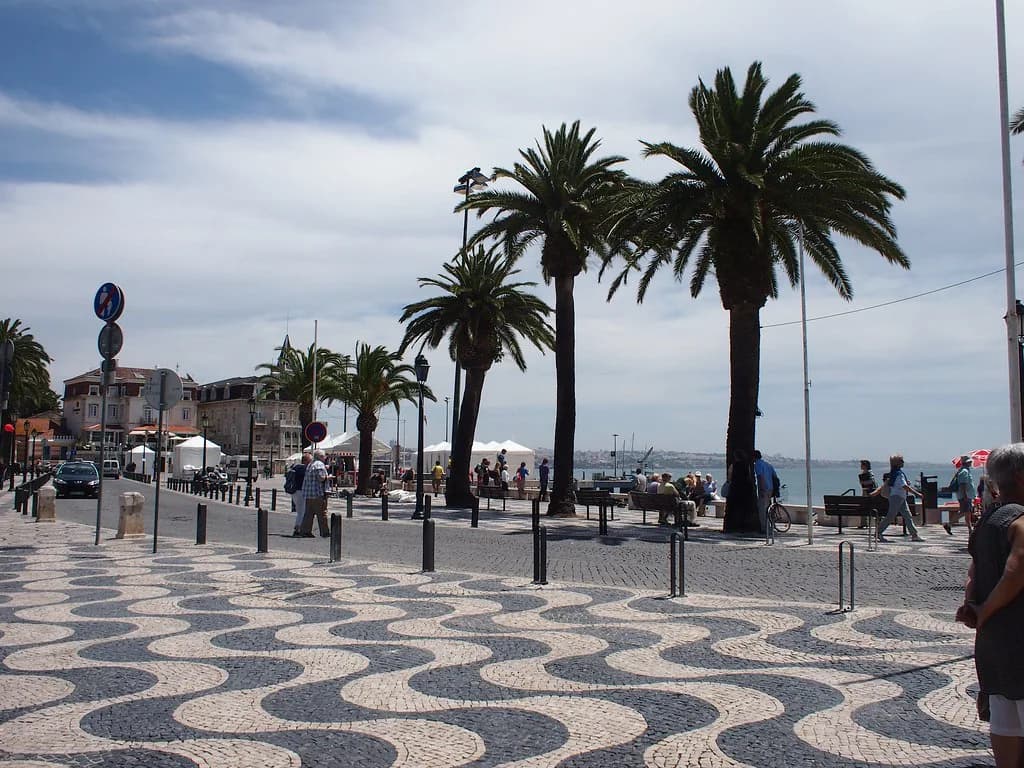
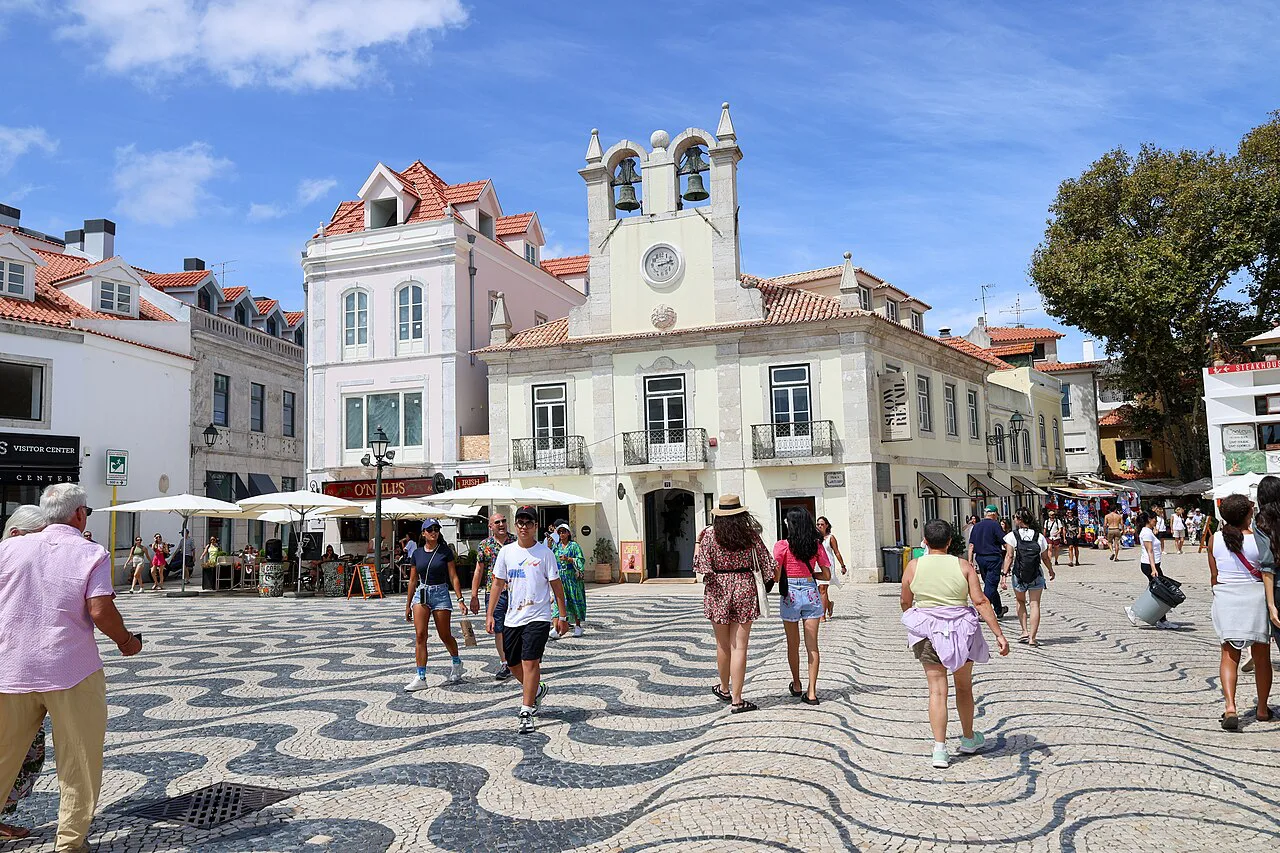
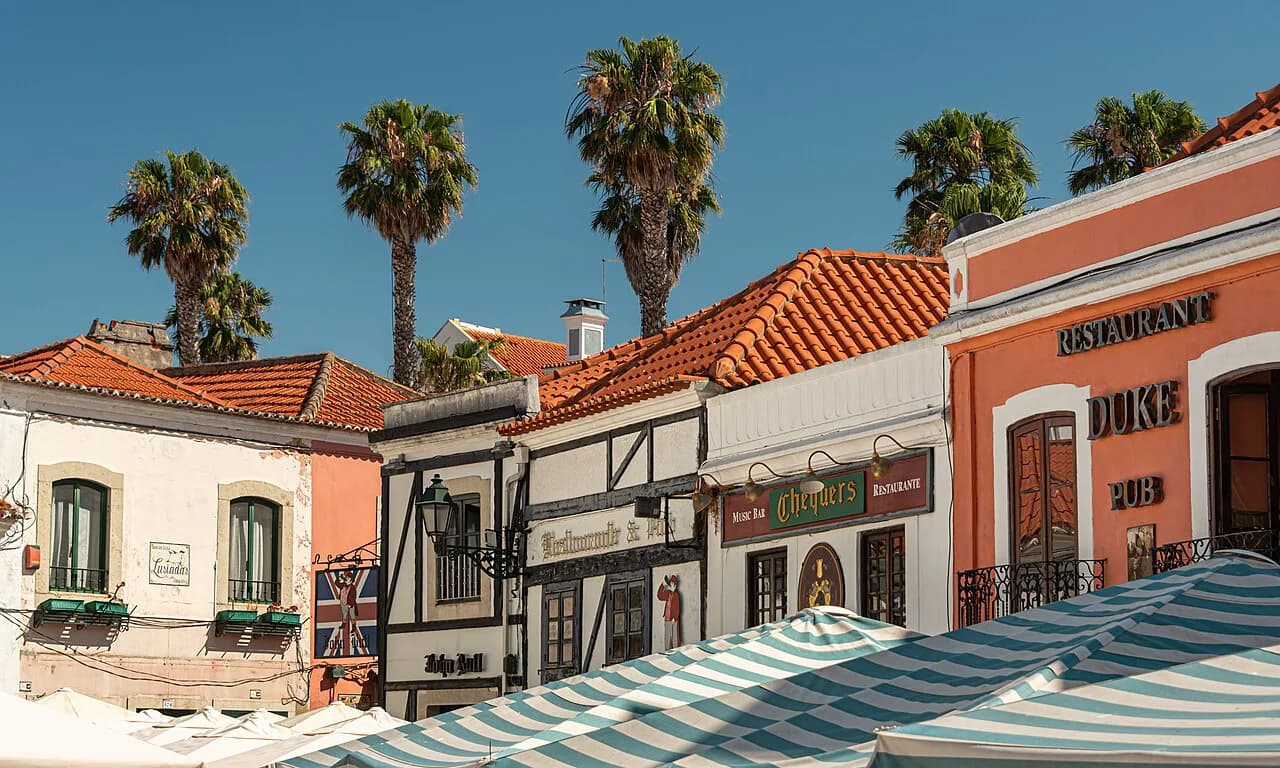
The historic core was a fishing village long before it became a resort, and it still reads that way: narrow lanes, colour-washed houses and small squares rather than grand set pieces. Set aside an hour to wander the old quarter, and go in the morning before the day crowds build. The Portuguese pavement underfoot is handsome and slippery when damp, so wear shoes with grip.
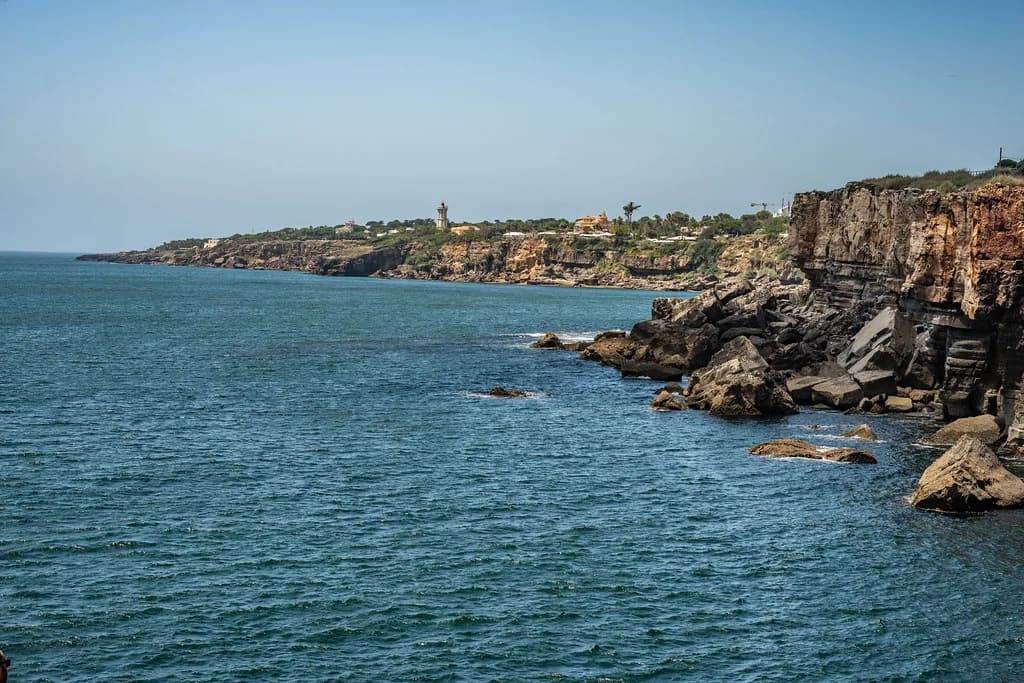
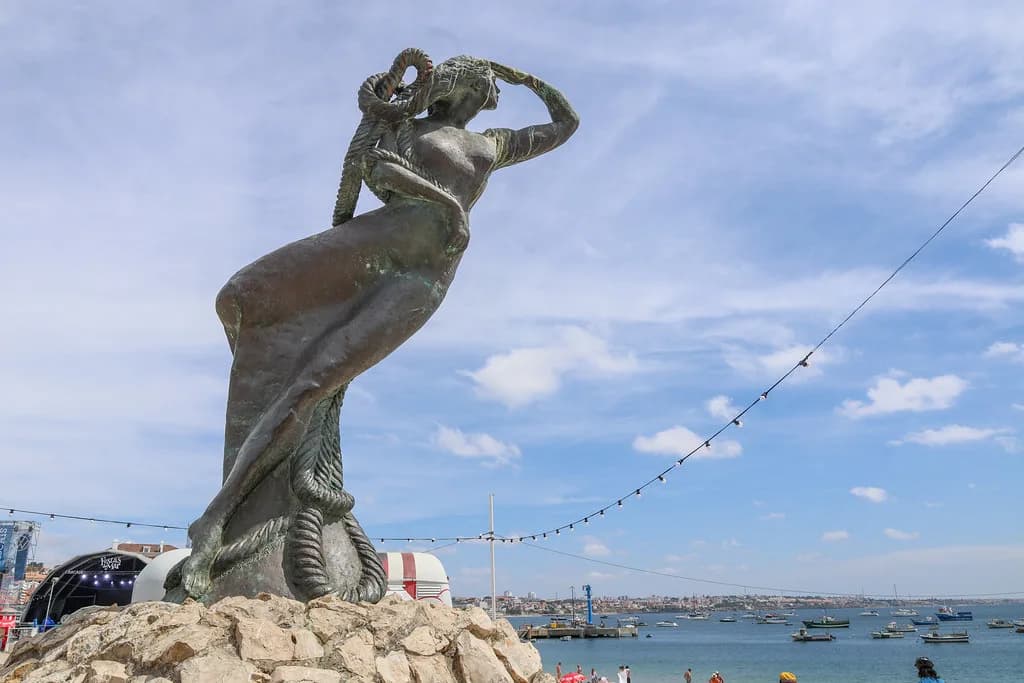
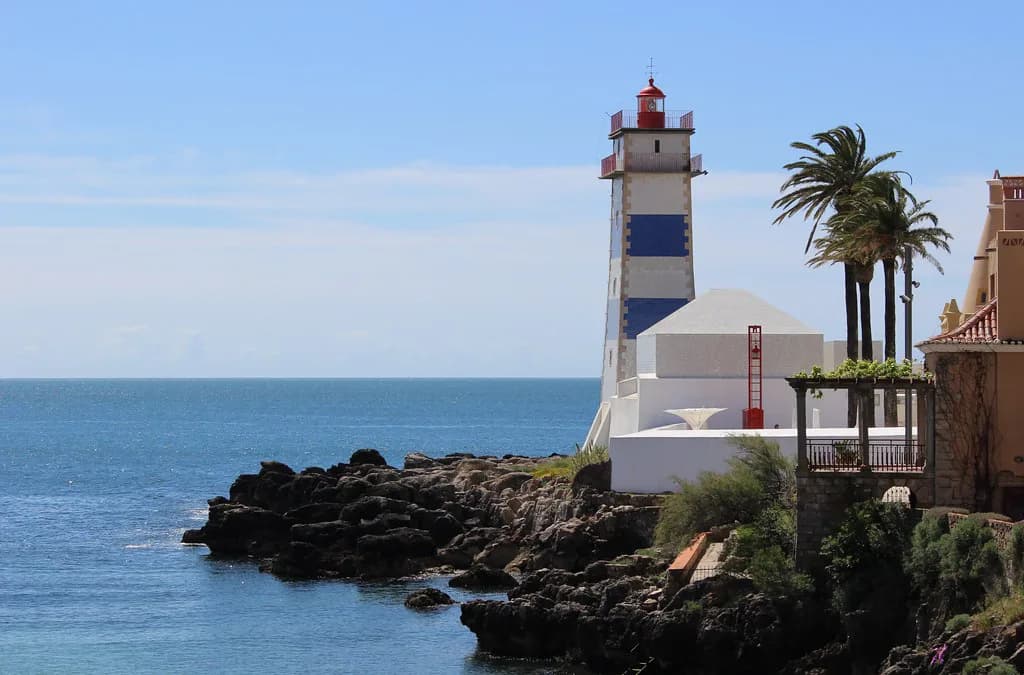
The waterfront shows the town's resort side, with the marina and the lighthouse and Casa de Santa Maria next to each other near the centre. From there the coast turns wilder towards Boca do Inferno, a collapsed sea arch that is one of the town's signature sights. A sensible first day is old quarter in the morning, museum quarter around midday and the coast in the late afternoon.
With a single day, the essential loop is the old town, the Casa de Santa Maria and Santa Marta Lighthouse pairing, Boca do Inferno and one beach. Adding Guincho by bike on the same day makes it a rush rather than a break, so save the coastal ride for a second day.
The museum quarter and the 24-hour museum pass
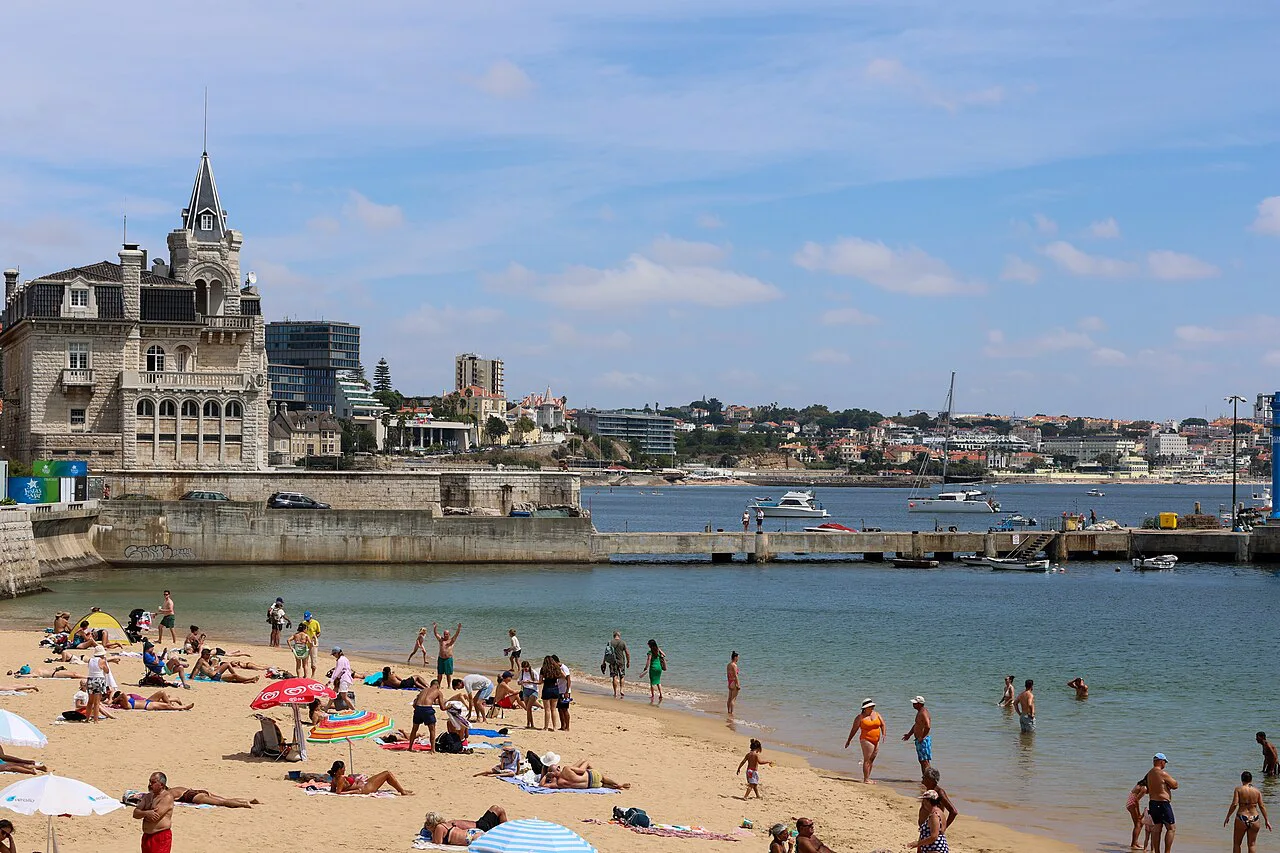
Cascais's museums are small, clustered and pleasantly unstuffy, which makes them a good rainy-morning or midday-heat option. The Museu Condes de Castro Guimarães, the Casa de Santa Maria and the Santa Marta Lighthouse are the trio most visitors combine, and the pass covers them along with other municipal museums in the quarter. In 2023 a 24-hour museum pass cost 10 euros and covered 13 museums, bought online or at the door, so treat that as the published structure rather than today's price.
The value calculation is simple: the pass pays for itself if you plan to enter three or more included museums within its 24-hour window. A one-day visitor who only wants the lighthouse and one mansion may do better buying single tickets at the door. Because the clock starts at first use, buy it on the morning you intend to museum-hop.
Confirm opening days and individual ticket prices directly with the museum entrance before you build a day around a particular collection, and check whether the lighthouse is open on the day you plan to climb it.
Boca do Inferno, the coast path and Praia do Guincho by bike
The cycle to Praia do Guincho is one of the best reasons to stay in Cascais rather than pass through. A dedicated, well-maintained path runs along the coastal road from town to the beach, so you are not riding in traffic with cars. Rentals in town include ordinary bikes and e-bikes, and the e-bike is money well spent if the wind is up.
The honest trade-off is the wind. Guincho is an exposed Atlantic beach known for waves and kite-surfing, so it is a place to watch the water rather than a calm family swim, and the return leg to Cascais climbs gently into the breeze. A boardwalk across the dunes protects the sand, and there is a cafe near the beach for a pause before you turn back.
Boca do Inferno fits naturally on the same ride or a shorter walk from the centre, and it is at its most dramatic when the swell is running. Keep back from the edge in wet weather, when the rocks are slick.
The beaches in town and who they suit
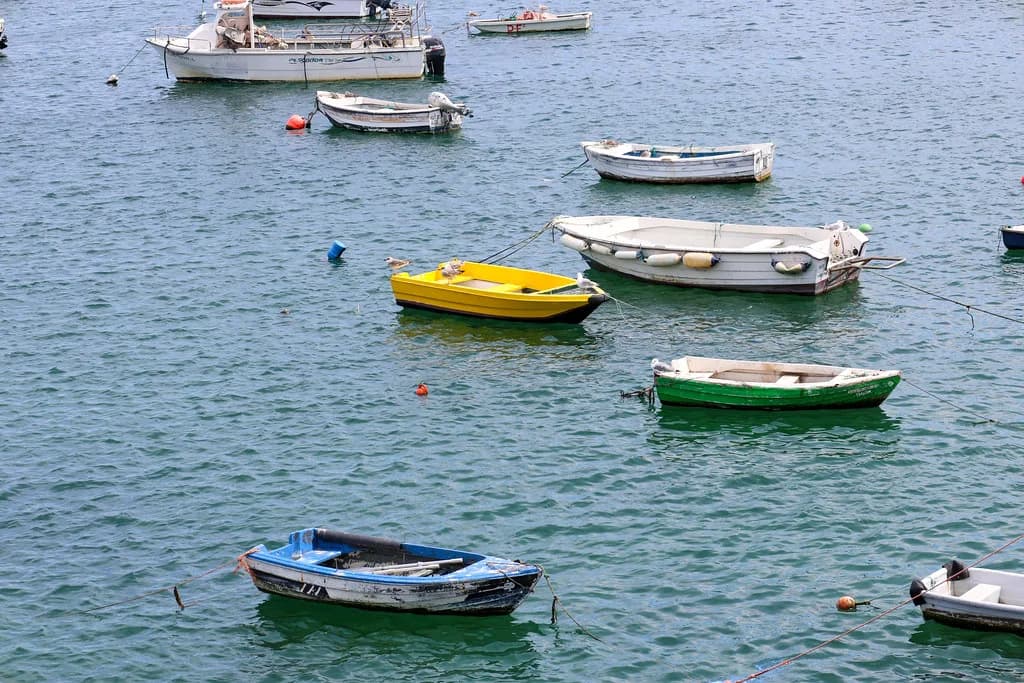
Cascais's town beaches are small, golden and convenient rather than vast, which is exactly why they suit a short break. Praia da Rainha is the prettiest, a tiny cove used privately by Queen Amélia in the 1880s and still sheltered by rock outcrops. Praia da Duquesa and Praia da Conceição form the main town beach, with more space and beach activity, while Praia da Ribeira faces the fishing harbour, which makes the water quality so-so for a swim.
Pick one rather than wandering between them: Rainha for a short dip and a photograph, Duquesa for a longer lie-down, Ribeira for the harbour atmosphere. Atlantic water here is bracing even in high summer, so most people treat the beaches as a place to sit and paddle.
Seafood, pastries and where the food reputation comes from
Cascais's food reputation rests on fish, and the town delivers it at every level from tasca to fine dining. Taberna da Praça, inside the Cascais Citadel, is a fine-dining pick for seafood and grilled plates, while the everyday pleasure is a pastel de nata from a pastelaria and a coffee in the old quarter.
Book dinner for the nights that matter and keep a tasca in reserve for the others. Fish is what Cascais does best, so ask what came off the boats that day before you look further down the menu.
Menus are strongest on what comes off the boats, so order the fish of the day and the shellfish rather than reaching for meat. A long lunch is the most Cascais thing you can do with an afternoon.
How Cascais compares with Sintra as a base
Sintra and Cascais sit in the same natural park but offer opposite holidays. Sintra is palaces, forested hills and cool mist, and it rewards early starts and a tolerance for crowds; Cascais is sea level, flat walking and easy swimming and cycling. If your short break is about monuments, base in Sintra; if it is about decompressing by the water, base in Cascais.
Trying to do both from one base eats a lot of your day in getting between them. A cleaner plan is to choose one for the break and treat the other as a half-day outing if time allows.
Who will love Cascais and who should skip it
Cascais suits couples and solo travellers on a three- or four-day break, first-time visitors who want an easy introduction to Portugal outside Lisbon, and anyone who values a flat seafront walk over hill climbing. It also works for mixed-ability groups, because the centre, the coast path and the museum quarter are undemanding on foot.
Skip Cascais if you want grand cathedrals, medieval walls or a dense old town that takes days to exhaust; Évora, Coimbra or Guimarães answer that better. Skip it, too, if you need the sea to be warm and calm for long swims, or if you are travelling specifically for nightlife.
How many days Cascais actually needs
Two full days is the honest minimum: one for the old quarter, the museum quarter and Boca do Inferno, and one for the Guincho cycle and a long lunch. Three days lets you add a proper beach afternoon and a slow morning without cutting anything. Beyond three days, most short-break travellers are better off using Cascais as a base for the surrounding coast.
If your time is tighter, a single well-planned day still gives you the old town, the lighthouse and mansion pair, the sea arch and one beach. The key is accepting that you will not also cycle to Guincho.
Should Cascais make your short break?
Choose Cascais if your ideal break is a small seaside town walked at an easy pace, with a handful of good small museums, a breezy coastal cycle and fresh fish at lunch. Choose Sintra or an inland town if palaces, walls and cathedrals are what you came to Portugal for.
Once you have decided, shape the days around the coast and the old quarter rather than trying to cover everything, and leave slack for weather and a long lunch. That is what makes a Cascais break work.
Explore more Cascais guides
Frequently Asked Questions
Is Cascais in the Algarve?
No. Cascais sits on the Atlantic coast just west of Lisbon, well north of the Algarve. Its beaches face the open Atlantic, so expect cooler water and stronger swell than the sheltered stretches of the Algarve.
Is Cascais better than Sintra for a short break?
It depends on the holiday you want. Sintra is for palaces, forested hills and monument-heavy days, while Cascais is for sea-level walking, beaches, small museums and a flat coastal cycle path. If you only have a couple of days and want to relax, Cascais is the easier choice.
Do you need a car in Cascais?
No. The old quarter, waterfront, museum quarter and the coast path towards Guincho can all be reached on foot or by bike, and bikes including e-bikes are available to rent in town. A car is only useful if you plan to explore further along the coast.
Sources
Notes for your next Portuguese break
Optional updates to our town guides.
You might also like
Continue reading
More guides you'll find useful