Cascais Market: Mercado da Vila Days, Stalls and What's Sold
Plan a morning at Cascais market: the days Mercado da Vila's farmers and fishmongers trade, what else is inside the hall, and how long to allow.
On this page
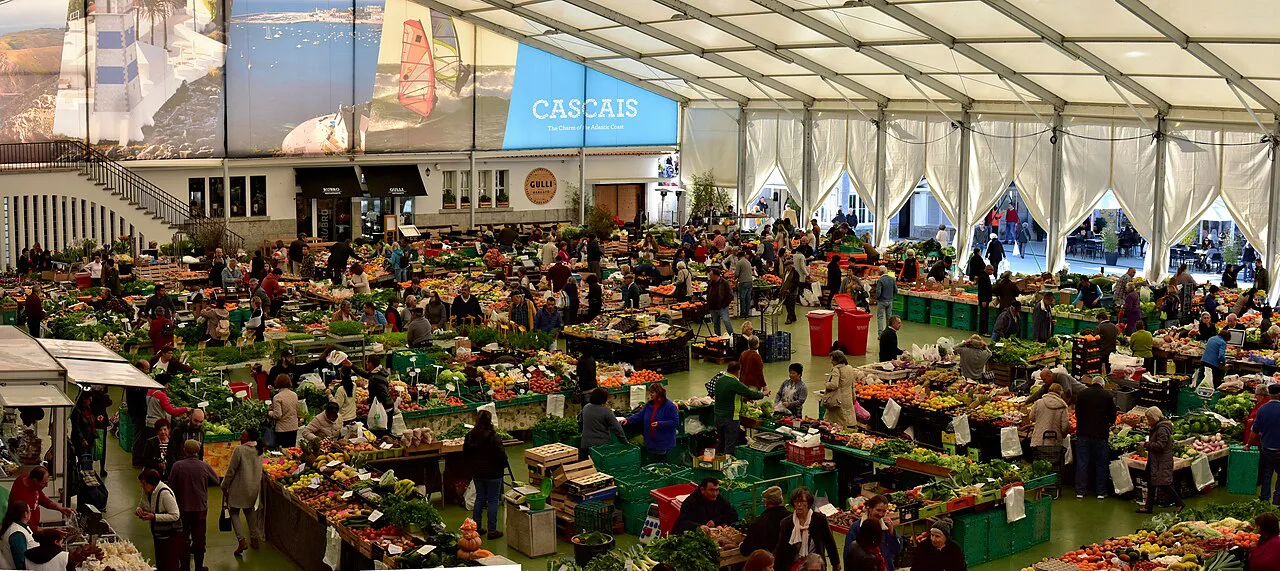
For a market morning in Cascais, head for the Mercado da Vila, the town's covered market hall, and go on a Wednesday or Saturday if you want the full farmers-and-fishmongers event. On those two days the village market adds produce growers and fish sellers to the regular traders inside the hall.
This guide separates the two things visitors usually mean by "Cascais market": the permanent hall that trades most of the week, and the themed market days layered on top. It also covers what to buy, how to pay, how long to allow and what to see once you step back out into the centre.
What Cascais market is and where it sits in the town centre
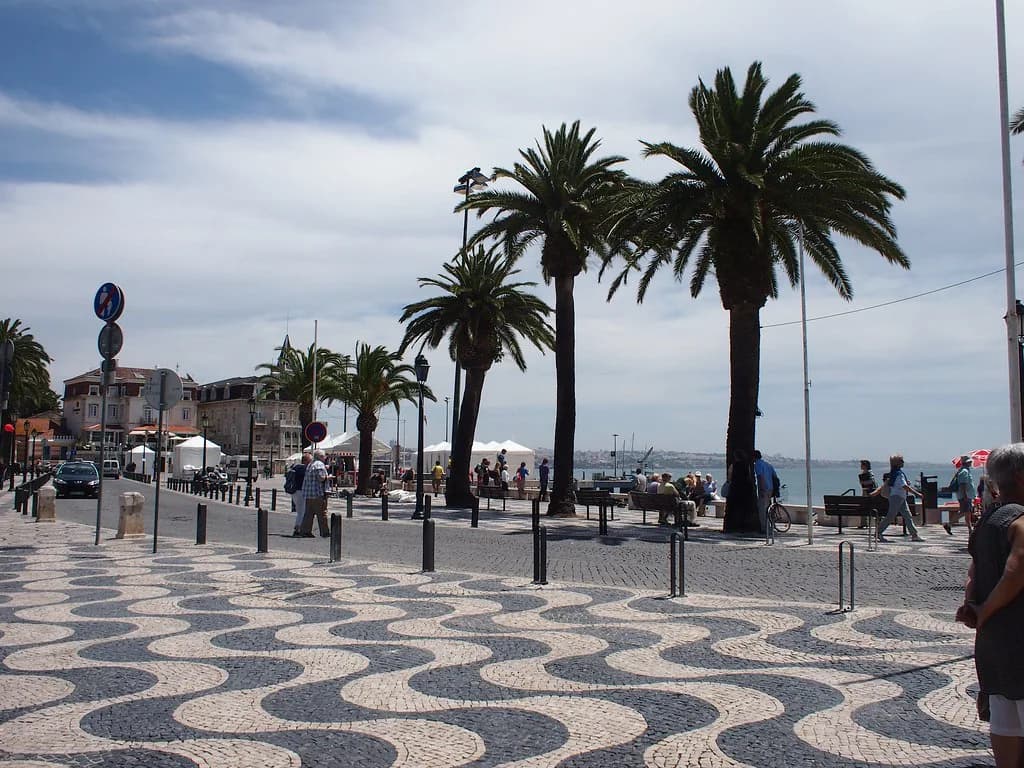
The Mercado da Vila is Cascais's municipal market, a covered hall of individual counters rather than a single open-air square. It sits within easy walking distance of the seafront and the main squares, so it slots naturally into a morning in the centre.
That position makes it a sensible first stop on a short break: you can shop, eat something small and then continue to the harbour and the fort without a bus or taxi. Pair it with a wander through the lanes of the Cascais old town, where the market sits among the everyday life of the centre rather than on its edge.
Which days the Mercado da Vila market runs, and what changes on those days
The Mercado da Vila runs a themed village market on Wednesdays and Saturdays, when farmers and fishmongers set up alongside the regular traders. Treat those as the days to aim for if you want the fullest version of the market rather than the quieter everyday hall.
On other days the hall's permanent shops and counters still do their normal business, so a midweek or Sunday visit is not wasted. If a specific stall matters to your plan, confirm the day before travelling rather than assuming every trader appears at every session.
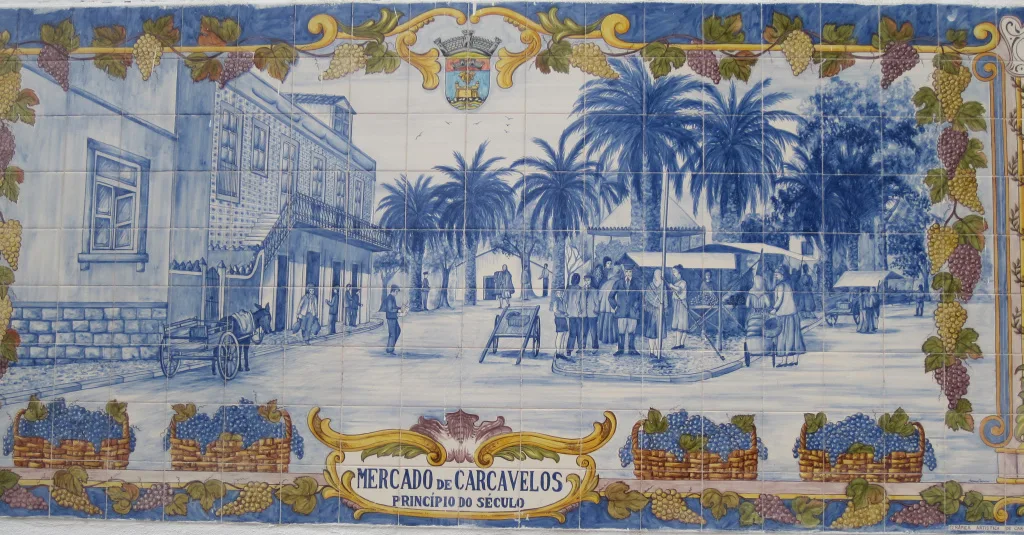
The fish market and talhos: what is sold and when they open
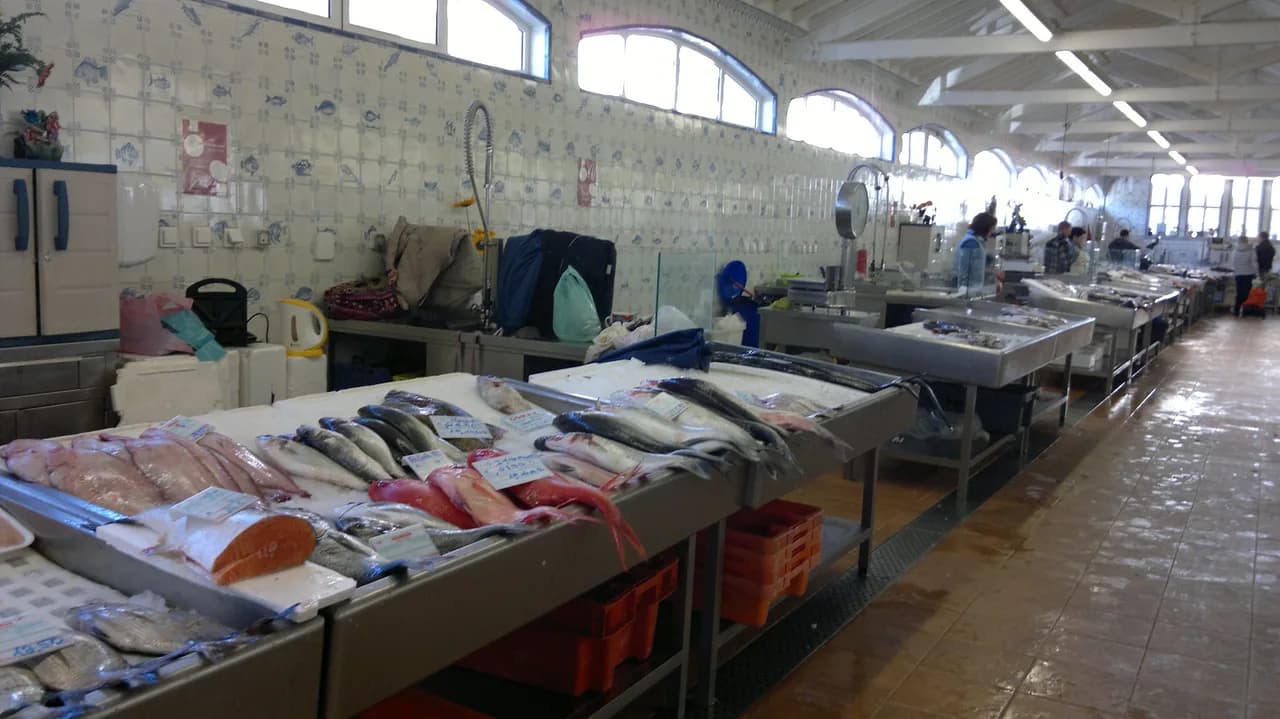
The fish market and the talhos, the butcher counters, trade six days a week. That makes the hall a working food market rather than a weekend-only attraction, and it means you can build a visit around whichever morning suits your itinerary, with one day each week when these counters stay shut.
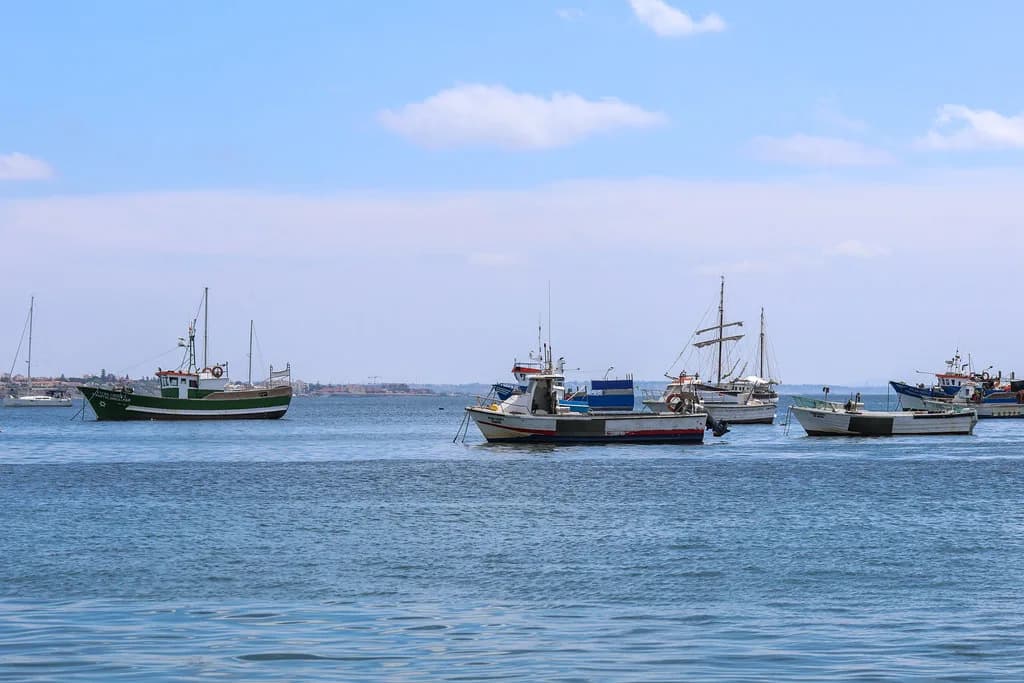
Expect the fish side to reflect what comes off the boats nearby: whole fish, shellfish and the day's catch laid out on ice, sold by weight and often cleaned on request. The butchers are the practical stop for travellers self-catering in an apartment, where a kilo of something local goes further than a restaurant dinner.
The other shops inside the hall — bakery, cheese, Italian produce, nuts and dried fruit
Beyond fish and meat, the hall holds a bakery, a French cheese counter, an Italian market and a shop selling nuts and dried fruit. That mix turns a quick errand into a proper grazing circuit, and it is where most visitors end up buying more than they intended.
Because these are permanent tenants rather than Wednesday-and-Saturday arrivals, the food-shop side of the hall is the reason to come even if your dates miss the themed market days. If you are collecting picnic supplies or edible gifts to take home, this is the most concentrated place in the centre to do it.
What to buy and how to shop it like a local
Buy in the quantities you will actually eat: cheese and charcuterie by the slice, nuts and dried fruit by the bag, bread for the same day. Fish is priced by weight, so ask for a smaller piece than looks right on the slab and let the vendor cut it down.
Carry some cash for small purchases and keep a note of what you spend if you are watching a daily budget. Ask for fish to be cleaned and bagged if you are taking it back to an apartment, and bring a tote for the rest.
For anything you plan to eat later, remember that fresh fish and cheese do not enjoy a long afternoon in a warm bag, so shop the market last if you have more sightseeing ahead. If you want more ideas on where to spend the rest of your euros, our guide to shopping in Cascais covers the wider spread of Cascais shops beyond the hall.
How long to allow and how to fit the market into a Cascais short break
Allow around 45 minutes to an hour for a proper look, longer if you stop to eat or queue at the fish counters on a Wednesday or Saturday. It works best as the opening move of a morning, before the centre fills up and while the produce is at its freshest.
In a one- to four-day break, give the market one morning and build the rest of the day around it: the old town lanes, the seafront and a museum or two. Our guide to things to do in Cascais helps you see what else fits alongside a market visit without overfilling the day.
If you are planning to walk the centre on foot, the market is a natural stop on a loop that takes in the main squares, the marina and the fort. A self-guided Cascais walking tour keeps the route logical so you are not doubling back to the hall.
Nearby after the market: Praça 5 de Outubro, the marina and the Cidadela
Step out of the hall and you are minutes from Praça 5 de Outubro, the square at the heart of the historic centre, and from the fishing harbour and marina beyond it. The Cidadela de Cascais, the restored fort on the waterfront, holds an upmarket artisan hub that makes a good contrast to the market's everyday trade.
Also close by are the Praia da Rainha beach, the Parque Marechal Carmona park and the Casa das Histórias Paula Rego gallery, all listed among the town's highlights. That cluster means a market morning can roll into an afternoon of sights without any transport at all.
If you would rather spend the afternoon indoors, the museums in Cascais include the Castro Guimarães collection in its colourful villa, a short walk from the centre. Our round-up of museums in Cascais sets out what each one holds so you can pick one rather than trying to see them all.
Is a Wednesday or Saturday market morning worth rearranging your trip for?
Yes, if the market is a highlight you care about: Wednesday and Saturday bring the farmers and fishmongers into the hall alongside the permanent traders, which is the fullest version of the visit. If your dates fall elsewhere, the fish market, talhos and food shops still trade six days a week and make a worthwhile stop on their own.
Either way, give it an hour in the morning and walk out into the old town rather than treating it as a standalone errand. Confirm the day's trading pattern locally before you set out if a particular counter is the reason for your visit.
Explore more Cascais guides
Frequently Asked Questions
Is the Cascais market open on Sundays?
The fish market and the talhos trade six days a week, so one day is closed. If you are visiting on a Sunday and a particular counter matters, check with the market or your accommodation before setting out rather than assuming it will be open.
Do I need cash at Mercado da Vila?
Carry a little cash as a backup for low-value purchases at individual counters, and keep track of spending if you are on a daily budget.
Can I buy fish and take it away?
Yes. Fish is sold by weight at the fish market counters and can be cleaned and bagged for you, which suits self-catering visitors. Buy it towards the end of your outing so it spends as little time as possible in a warm bag.
Sources
Notes for your next Portuguese break
Optional updates to our town guides.
You might also like
Continue reading
More guides you'll find useful