Museums in Cascais: Which Ones Are Worth Your Time
Museums in Cascais for a short break, from the free Museu da Vila to the Paula Rego gallery, with what each holds and how to order them on foot.
On this page
Two days is enough to see the best museums in Cascais, and one well-planned day covers the core. The town's museums are small and close together, clustered around the Centro Histórico de Cascais and the citadel beside the harbour, so you can walk between most of them in minutes rather than planning bus hops. This guide takes each museum in turn, says what it holds and how long to allow, and ends with a walking order that fits a short break.
The logic of the day is simple: start free, pay for one or two highlights, and leave the modern gallery for the afternoon. The Museu da Vila orients you for nothing, the Citadel Palace and the lighthouse cluster at the harbour end, and the Castro Guimarães house sits in a park a short footbridge away from the centre. The Paula Rego gallery works best as a flexible final stop, because its rooms can be partly closed for events.
How Cascais's museums fit together
Cascais was a fishing village before it became a royal summer resort, and its museums tell that story in fragments rather than one blockbuster. The town museum covers the long sweep, the citadel and its palace cover the monarchy and the republic, and the smaller houses cover art, the sea and lighthouse keeping. Because each is modest, the pleasure is in stringing three or four together rather than spending a whole day in one.
Geographically the museums divide roughly by end of town. The Museu da Vila sits in the heart of the old town, while the harbour end gathers the citadel, the Citadel Palace, the Farol da Santa Marta and the Casa de Santa Maria within a few minutes of each other. The Museu do Mar and the Casa das Histórias Paula Rego are the more scattered stops, and the Castro Guimarães house sits in its park just across the footbridge. Plan one end for the morning and one for the afternoon rather than criss-crossing town.
Distances are short: the walk from the old centre to the citadel is a matter of minutes on foot, and the footbridge links the harbour side to the Castro Guimarães park. That means a single day can absorb four museums without rushing, provided you check the days each one opens before you set out.
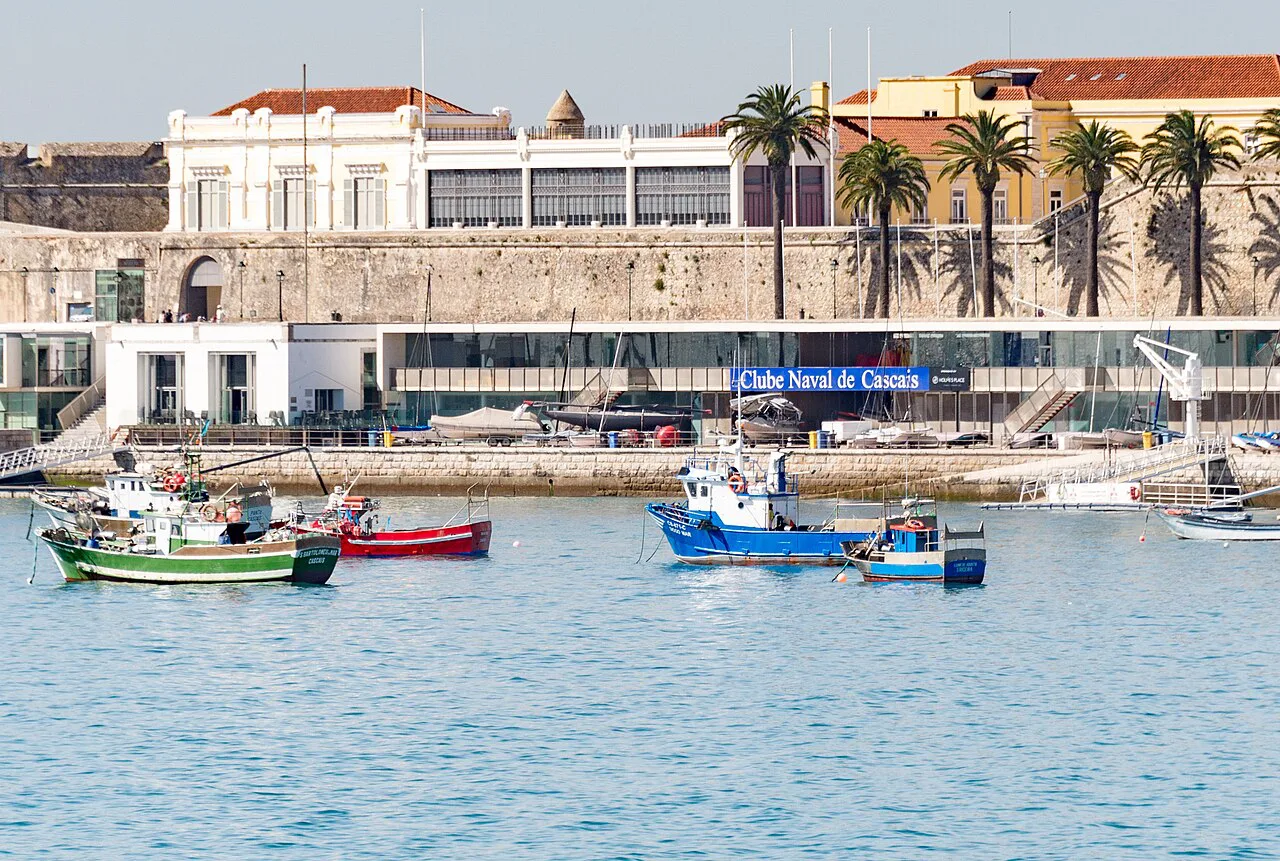
Museu da Vila: the free starting point
Start at the Museu da Vila, the town museum in the heart of the village, which is free to enter. It runs from the palaeolithic period through the Roman era and the fishing-village years to the town's adoption by royalty and wealthy summer visitors. Exhibits also cover the area's role in housing exiled royal families and refugees during the Second World War, and you can study the symbolism of the town crest and its Medal of Merit.
Allow around an hour. Because it gives you the chronology, it makes everything else legible: the citadel's royal summers, the lighthouse's working past and the resort architecture all click into place afterwards. If you only have an afternoon in town, this is the one to keep.
Cidadela and the Citadel Palace
The Citadel Palace occupies part of the old defensive fort on the harbour side. The fort began as the Tower of Santo António, built in 1488 under King João II; the Spanish added the distinctive triangular fortress in the 16th century, and the Portuguese built on it after regaining independence in the 17th century. From 1870 King Luís used the former commander's house as his summer family home, and later the building served the presidency of the republic before being abandoned after the 1974 revolution. It was renovated from 2007 and reopened as a museum in 2011.
Visits run at weekends and follow a guided tour, which is the only way round the interior; the palace is closed on New Year's Day, Easter and Christmas. Entry costs €4 for the palace alone or €8 for the palace plus the gallery below. The gallery is the better buy if you have the time, since it turns a single-room stop into a fuller visit, and you should check the current tour times before you build a day around it.
Allow about an hour for the tour, more if you add the gallery. The trade-off is the weekend-only access: if your break falls midweek, put this aside and give the time to the town museum and the harbour-side houses instead.
Farol da Santa Marta and Casa de Santa Maria
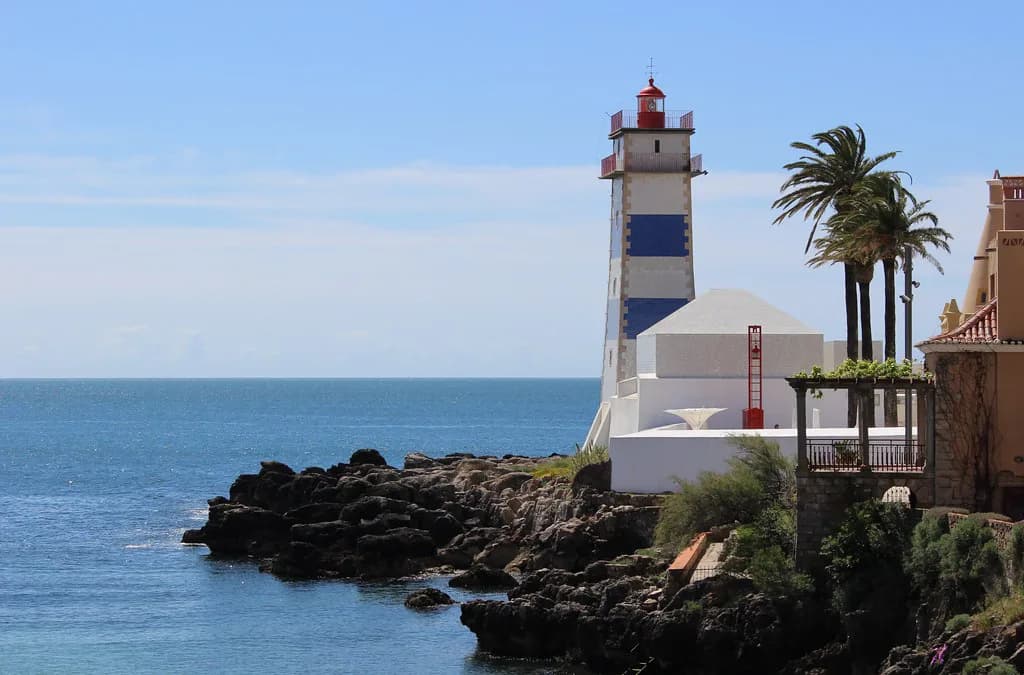
The Farol da Santa Marta is the harbour lighthouse, and for €5 you can visit it, climb its narrow stairway and see the adjacent lighthouse museum. Entry is free on the first Sunday of the month and the lighthouse is closed on Mondays. The museum explains the work of the faroleiros, the keepers, and how lighthouse technology changed their lives.
The same entry fee covers the neighbouring Casa de Santa Maria, so treat the two as one stop rather than two. The house was built in 1902 and bought by an engineer, José Lino, in 1917; it is rich in azulejos, the painted wooden ceilings recall the National Palace in Sintra on a smaller scale, and you can see the private chapel on the top floor and follow the dumbwaiter down to the basement kitchen and servants' quarters. If the tilework is what draws you, our piece on Cascais tiles goes further into the town's azulejo tradition.
Allow around 45 minutes for both. The pairing is the best value in town: one small ticket, two quite different interiors, and a lighthouse climb for the view over the bay. The Monday closure is the one thing to plan around, and the first Sunday of the month is the obvious day to go if you want the entry free.
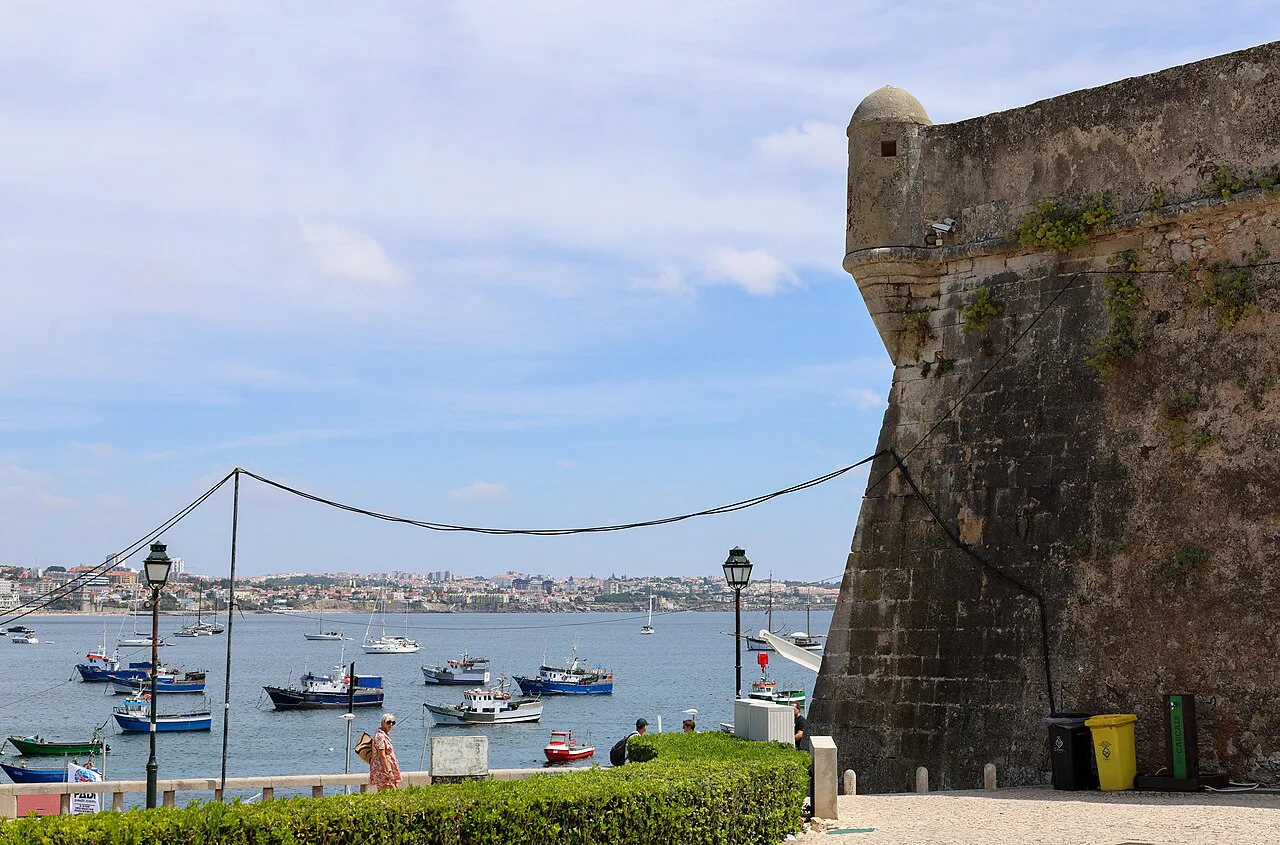
Museu Condes de Castro Guimarães
Across a short footbridge from the harbour end, in the corner of the Jardim Marechal Carmona, sits the Museu Condes de Castro Guimarães. The house was built in 1900 for an Irish tobacco businessman, Jorge O'Neil, and sold to the Count of Guimarães in 1910; the Count, a serious collector with no heirs, gave the house and its collection to the town on condition it be used as a museum. The collection runs from portraits to scenes of Cascais and Portugal, and the period furniture and painted ceilings reward looking up.
The park around it is free and public, with short paths and a chorus of roosters and peacocks. That makes this the easiest museum to combine with a break outdoors: see the house, then walk the gardens before moving on. Allow around 45 minutes inside, plus whatever the park takes.
Casa das Histórias Paula Rego
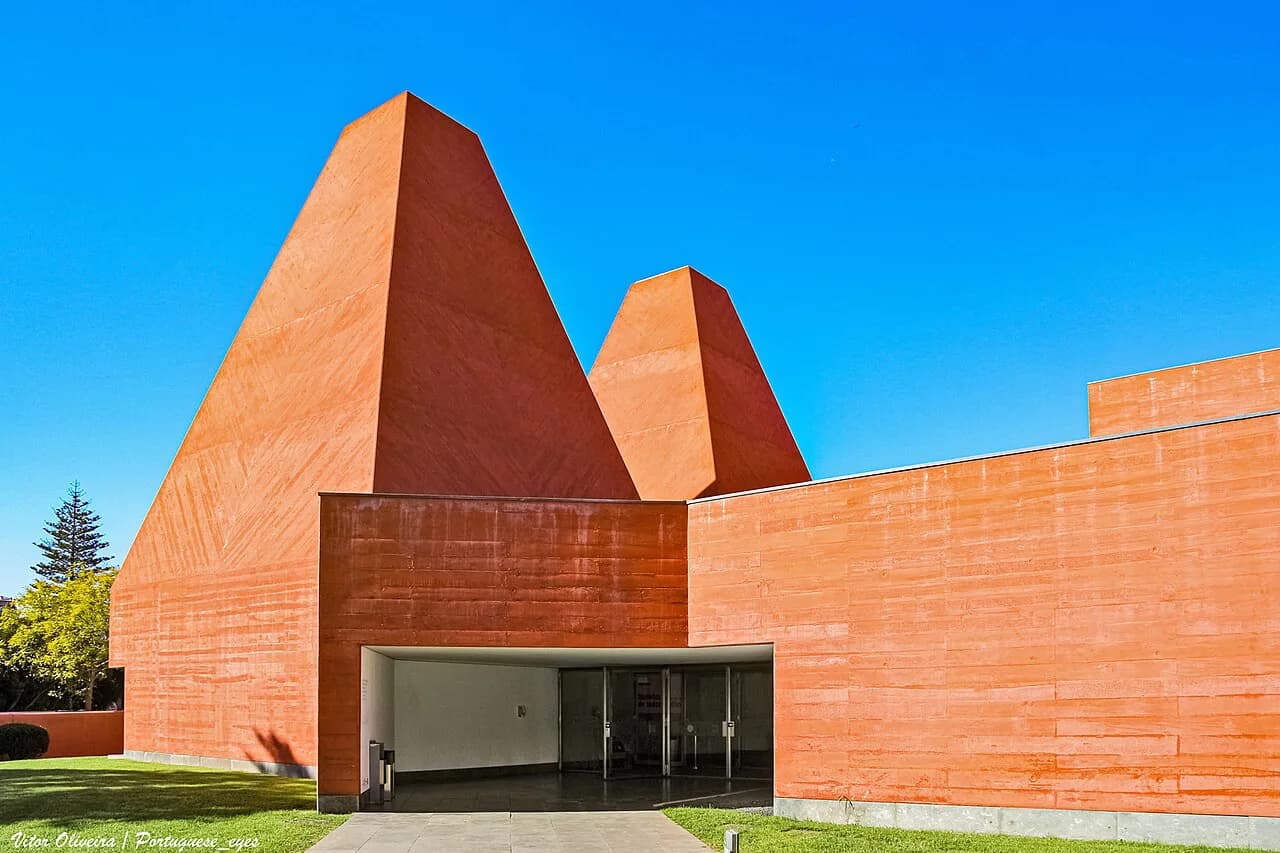
The Casa das Histórias Paula Rego is the town's modern-art gallery, built around the work of the Portuguese-British artist. It is the one museum in Cascais where a fixed hour is hard to promise, because rooms can be closed for events in the afternoon. Treat it as a flexible stop rather than the anchor of your day, and go earlier if the galleries are the reason for your visit.
Even a partial visit is worth it for anyone interested in Rego's work, since the building and the rotating displays carry the visit. Allow an hour if the galleries are fully open, less if only part of the building is accessible. If you want a fixed itinerary, put this last so a closure costs you nothing else.
Museu do Mar
The Museu do Mar, the Museum of the Sea, covers marine life alongside the history of the military, professional and leisure mariners who came in and out of this fishing village and resort. It is a modest, old-fashioned museum rather than a modern aquarium, and it suits families with children better than anyone hoping for a headline attraction. Allow around 45 minutes.
Its position near the old centre makes it easy to slot in on the way to or from the Paula Rego gallery. If you are choosing between the two, the sea museum is the more local, the gallery the more ambitious.
A one-day walking order
Begin at the Museu da Vila in the old centre, which costs nothing and takes about an hour. Walk out to the Casa das Histórias Paula Rego and the Museu do Mar and give them the late morning, then pause for lunch. In the afternoon, cross to the Jardim Marechal Carmona for the Castro Guimarães house, then head to the harbour end for the Citadel Palace and finish with the lighthouse and Casa de Santa Maria if you still have legs for it.
That order puts the free museum first and the weekend-only palace in the afternoon, when your day has already delivered value if the tour is full. It also keeps the outdoor park between two indoor stops, which matters more than it sounds when you are fitting four houses into a day. If you would rather have a guide do the navigating, a walking tour of the centre covers the same ground.
Realistically, four museums is a full day and five is pushing it. Pick the town museum plus one paid highlight if you have a single day, and spread the rest over a second morning. The Museu da Vila and the lighthouse museum together give you the town's story and its working past for very little.
Closing days and how to plan around them
Plan around the days each place opens. The Farol da Santa Marta is closed on Mondays and free on the first Sunday of the month, so a Monday break should put the lighthouse and Casa de Santa Maria aside. The Citadel Palace opens at weekends only and is closed on New Year's Day, Easter and Christmas, which makes a Saturday or Sunday the strongest day for the harbour end. The Museu da Vila is free, and the Castro Guimarães house sits in a public park that stays open whatever the museum does. For the wider picture of what to see around these museums, see Things to Do in Cascais and our Cascais Old Town guide.
Build your break around a Saturday or Sunday if the Citadel Palace is a priority, and use weekdays for the town museum, the gallery and the sea museum. Opening days can change with the season, so confirm the current ones before you travel.
Which museum to choose if you only have an afternoon
With one afternoon, take the Museu da Vila and then walk to the Farol da Santa Marta and Casa de Santa Maria on a single ticket. That combination gives you the town's history for free and two of its most distinctive interiors for the price of a coffee, all within a short walk of the centre.
If your visit falls on a weekend and you want a single memorable stop, book the Citadel Palace tour and add the gallery for the fuller ticket. Save the Paula Rego gallery for a longer stay, when a partly closed afternoon costs you nothing else on your list.
Explore more Cascais guides
Frequently Asked Questions
Are the museums in Cascais free?
The Museu da Vila is free to enter, and the Jardim Marechal Carmona park around the Castro Guimarães house is a free public space. The Citadel Palace, the Farol da Santa Marta, the Casa de Santa Maria and the other museums charge admission, and the lighthouse is free on the first Sunday of the month.
Which museums in Cascais are open at weekends?
The Citadel Palace opens at weekends and follows a guided tour, so Saturday and Sunday are the days to plan around if it is a priority. The Farol da Santa Marta, the Casa de Santa Maria, the Museu da Vila and the Castro Guimarães house are the other main stops to build into a weekend.
How long do the museums in Cascais take?
Most are small: allow around an hour at the Museu da Vila, an hour for the Citadel Palace tour, and 45 minutes each for the lighthouse and Casa de Santa Maria together and for the Castro Guimarães house. Four museums fill a day comfortably, and five is a stretch.
What should I not miss in Cascais?
The Museu da Vila gives the town's story for free, and the harbour end pairs the Citadel Palace with the lighthouse and the azulejo-rich Casa de Santa Maria. The Castro Guimarães house and its park add the resort era, while the Paula Rego gallery covers modern art.
Sources
Notes for your next Portuguese break
Optional updates to our town guides.
You might also like
Continue reading
More guides you'll find useful