Cascais History: What Shaped the Town You Walk Today
A short history of Cascais for visitors, from fishing village to royal summer resort, and the buildings and museum where you still see that past.
On this page
Cascais began as a fishing village, was largely destroyed by the 1755 Lisbon earthquake, and rebuilt itself as the summer resort of the Portuguese royal family. That sequence explains why the centre feels half fishing port and half aristocratic garden suburb, and it is the thread to follow as you walk. This guide ties each phase of the town's history to a specific place you can visit today.
Cascais is a seaside town on the Estoril Coast, roughly 40 minutes by train from Lisbon, and it grew into one of Portugal's wealthiest areas while keeping a small-village atmosphere.
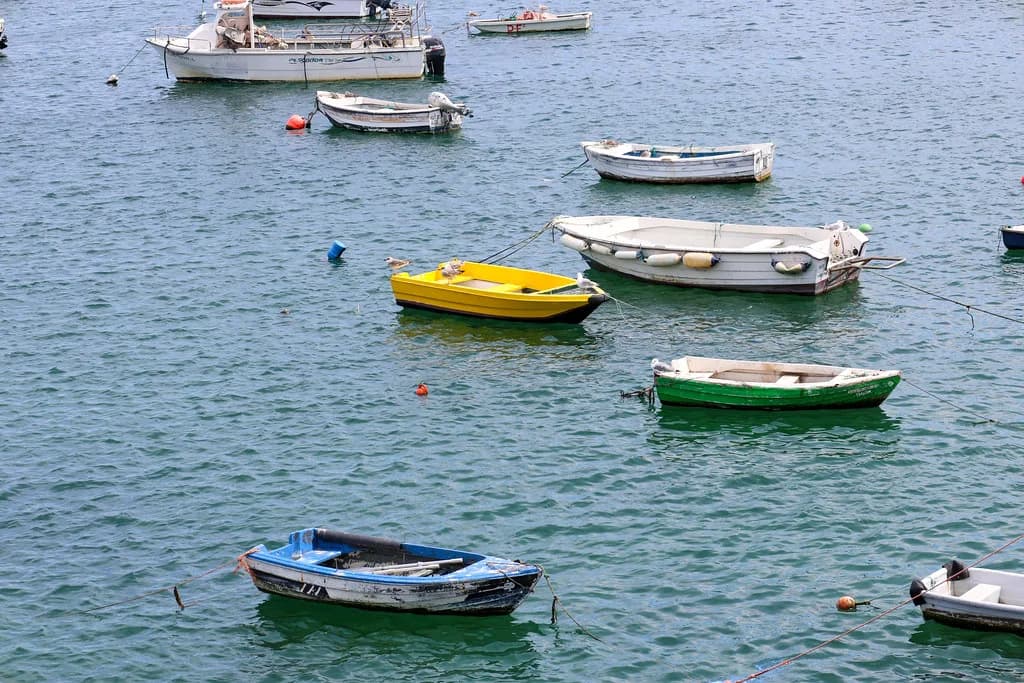
A fishing village on the Estoril Coast
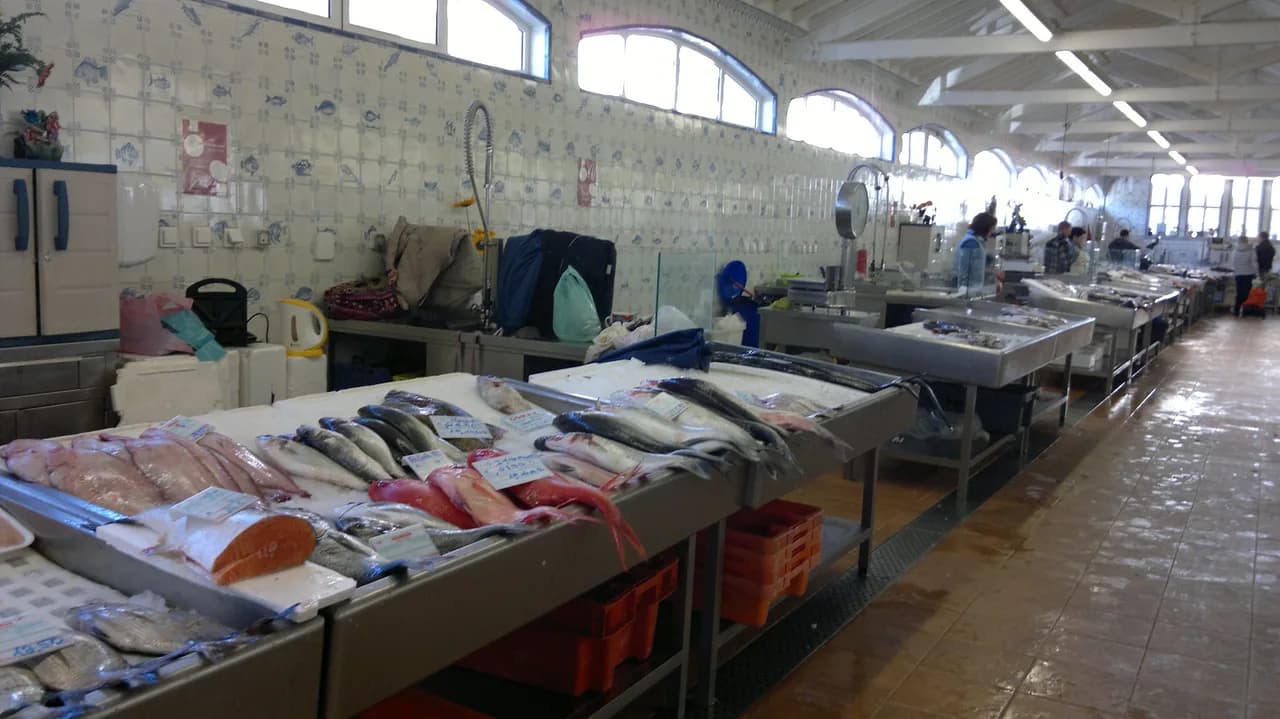
For most of its early life Cascais was a working fishing community rather than a resort, a role that only changed when the Portuguese royal family started spending summers here. The town's older core is where that earlier scale is easiest to sense: narrow lanes and low buildings that read as a port rather than a planned promenade.
Walking that core first is the most useful thing you can do for the rest of your visit, because later developments radiate out from it toward the coast road and the gardens. Come back for the details rather than trying to absorb everything in one pass.
The 1755 earthquake and the rebuilding of the centre
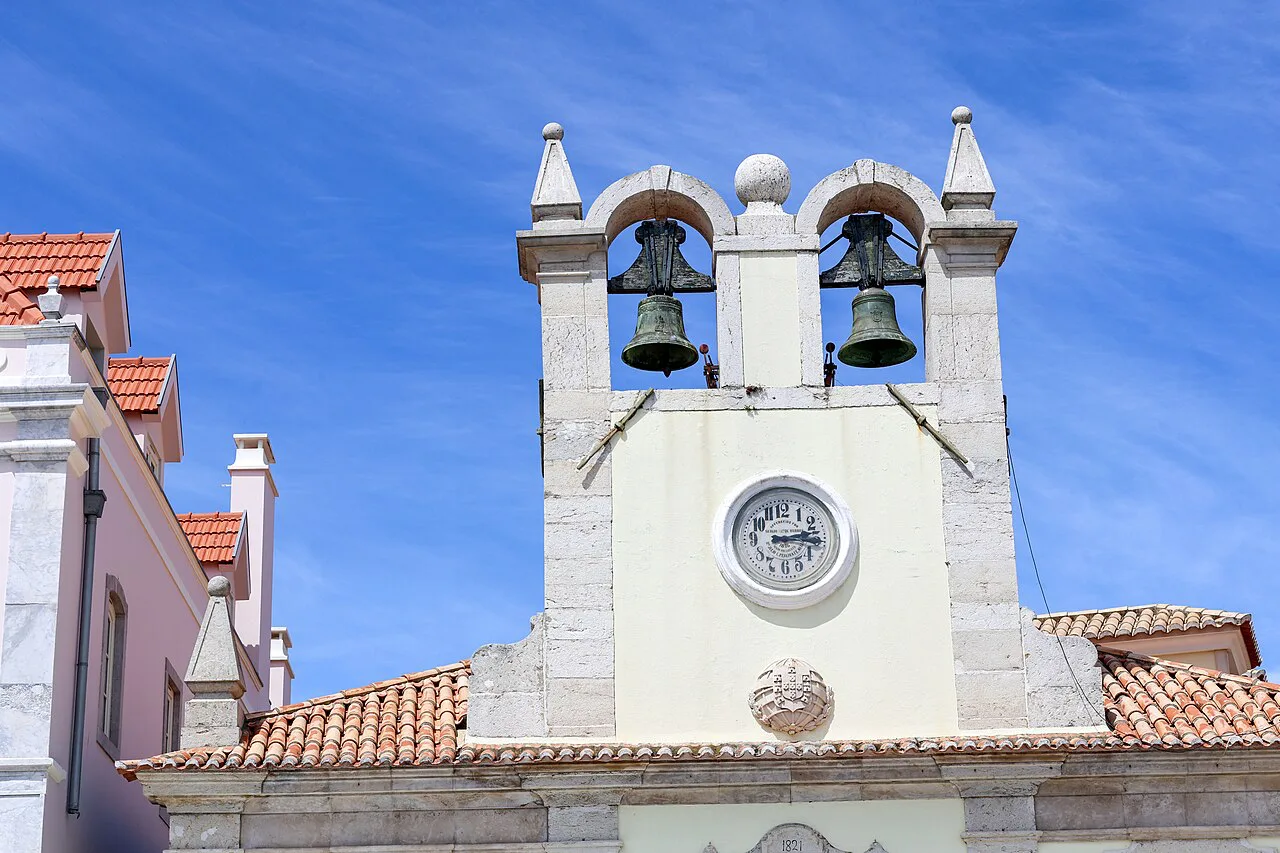
The great Lisbon earthquake of 1755 destroyed most of Cascais, which is the single most important fact for understanding why so little of the town looks medieval. The reconstruction that followed was possible in part because the Portuguese royal family came to spend their summers here and brought the resources the town needed to redevelop.
Read the centre with that in mind and its rebuilt character stops being unremarkable and starts being the point. Where a building looks older than its neighbours, it is usually a survivor rather than the rule.
Why the royal family chose Cascais
The royal summers are the hinge of the town's history: with the court in residence, a damaged fishing port rebuilt and re-emerged as a fashionable resort that drew aristocratic and royal families from across Europe. The same account records that Cascais was the first city in Portugal to be fitted with electricity, a detail that fits the town's self-image as a modern, well-connected resort rather than a remote backwater.
Later, neighbouring Estoril developed as a luxury holiday destination with a casino and grand hotels, and during the Second World War the coast became a high-class retreat where European royal families, including those of Spain and Italy, came to live. Treat that war-era chapter as history rather than as a description of the town today.
The practical consequence for a short break is that the historic sights cluster tightly between the old centre, the coastal fortifications and the gardens inland, so you can cover the royal-era layer in a single unhurried day.
Aristocratic villas and gardens: how the resort took shape
Nineteenth-century Cascais filled with aristocratic villas and landscaped gardens, and the town became fashionable during that century as the Portuguese royal family spent summers here. That villa-and-garden character is why the modern town feels green and residential rather than densely urban, and it is best appreciated on foot along the streets behind the seafront.
A self-guided route linking the historic core to the museum quarter is the efficient way to see this layer, and the town's museums are a sensible anchor for it.
Santa Marta Lighthouse and its museum
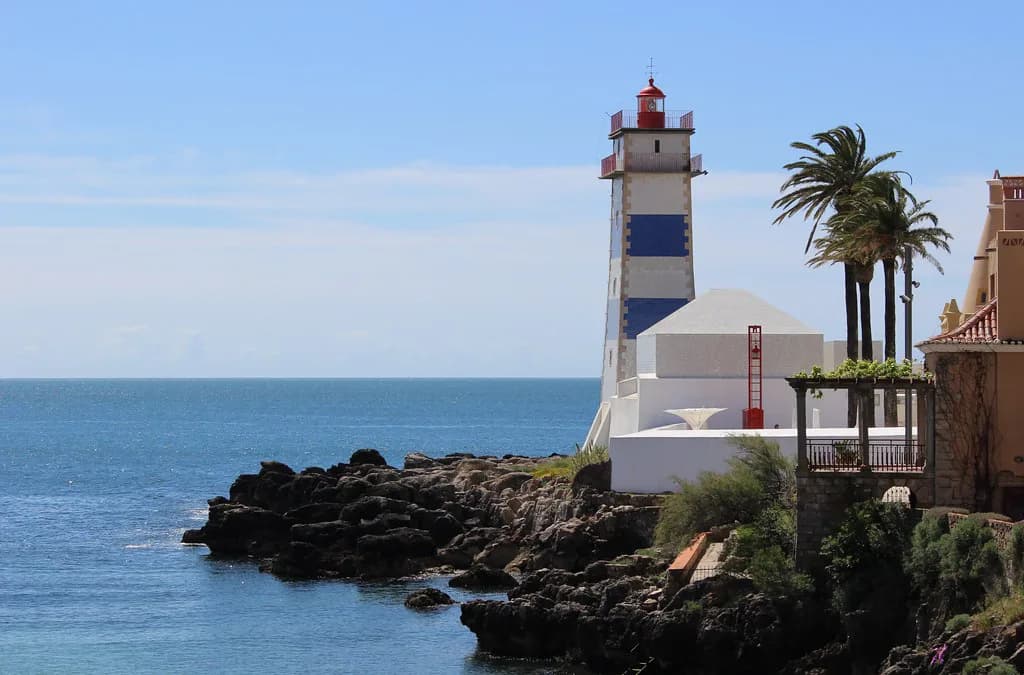
The nineteenth-century Santa Marta lighthouse now houses the Museu de Santa Marta, where Portugal's maritime history is told through a film about the oversized Fresnel lenses and the diaries kept by lighthouse keepers, all against a backdrop of open sea views. It is the best indoor stop for understanding how much of Cascais's identity was built on looking out to the Atlantic.
Pair it with the open-air sights nearby rather than treating it as a standalone museum, since the lighthouse sits close to the water and the fortifications. Confirm opening days and any admission charge on the museum's own listing before you build a day around it, because Portuguese museums commonly close one day a week and those details change.
The Fort of Our Lady of Light and the coastal defences
The Fort of Our Lady of Light was built to protect the Lisbon coast and is dedicated to Our Lady of Light, which places it squarely in the chain of defensive works that guarded the Tagus approach. Its surviving feature is a patio originally designed to allow communication between the fortress's three bastions, a reminder that these were working military structures rather than scenic follies.
See the fort and the lighthouse in the same coastal stretch, then head inland for the gardens. If you want the fuller list of museums and monuments before you commit a day to them, the guide to museums in Cascais sets out what is where.
The Paula Rego Museum: a twentieth-century artist raised in Cascais
Paula Rego was born in Lisbon but raised in Cascais, and she became one of Portugal's most acclaimed artists, known internationally for paintings drawn from storybooks and images of young girls in a strongly Portuguese colour palette. The Paula Rego Museum in the town shows many of her works, and for visitors it is the clearest link between Cascais's resort-era wealth and its modern cultural life.
Check the museum's current opening days and admission price directly before travelling; those are the details most likely to catch out a short break, and they are not fixed for the long term.
The town also hosts the World Press Cartoon Museum, an international exhibition of graphic humour and editorial cartooning, which makes a good contrast if you have already done the historical sights.
Parque Marechal Carmona and the Condes de Castro Guimarães Museum
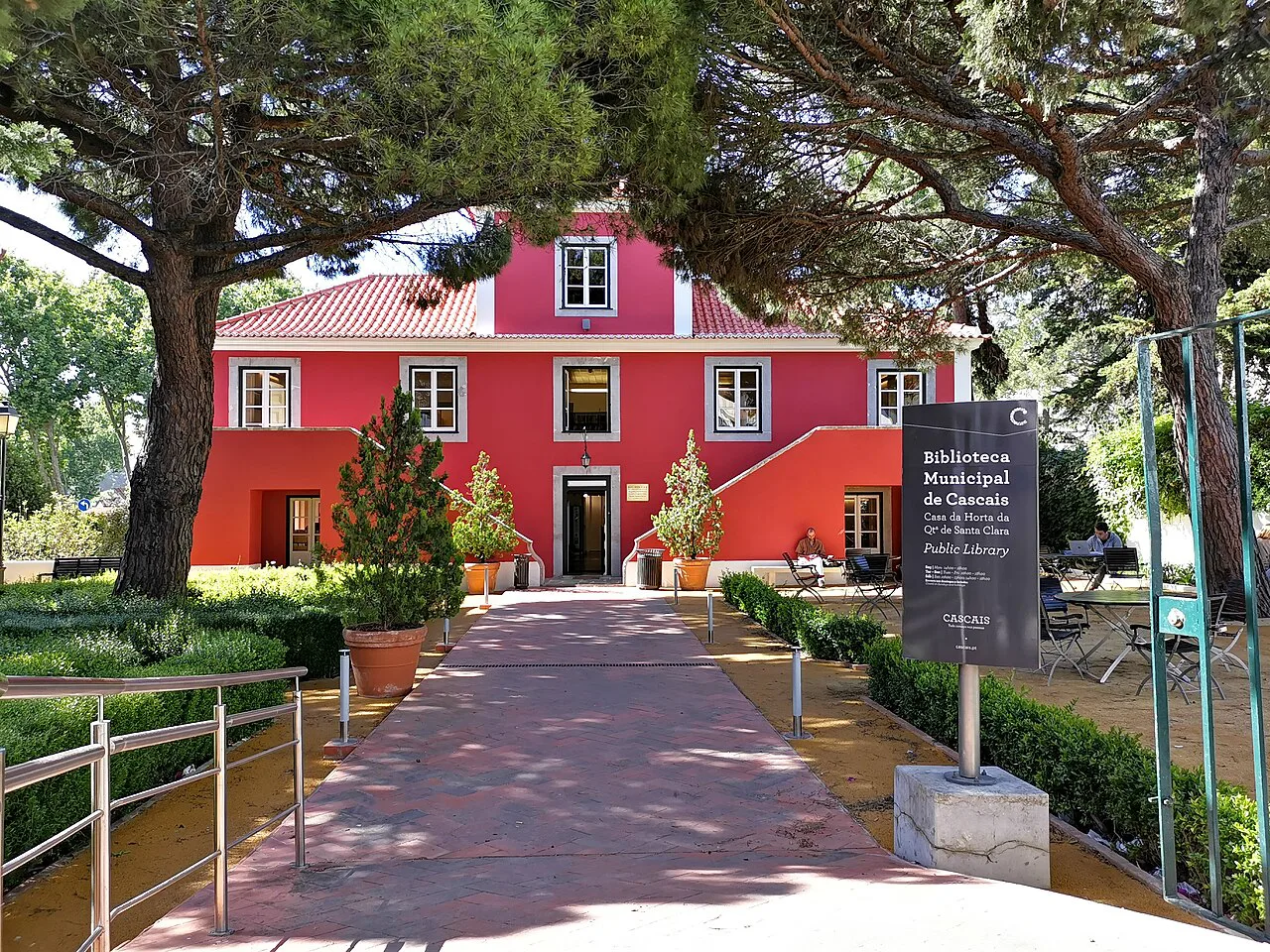
Parque Marechal Carmona is the grand park of the resort era, with spacious lawns, mature trees, a lake, picnic areas and a playground, and it holds the Municipal Library of Children. It is also home to the Condes de Castro Guimarães Museum, a twentieth-century building with a collection of Indo-Portuguese furniture, paintings, a chapel and a notable library.
The park is the easiest place in town to see the aristocratic-garden chapter of the story, and the museum inside it adds the interiors. A biological market has been held in the park on Saturdays; check locally whether it is running on your dates rather than assuming it.
Guincho Beach and the Atlantic edge
North of town, Guincho Beach is a broad sandy strand exposed to the Atlantic and popular with surfers and windsurfers drawn by its waves. It marks the point where the genteel resort gives way to raw coast, and the drive or ride out there is worth it for that contrast alone.
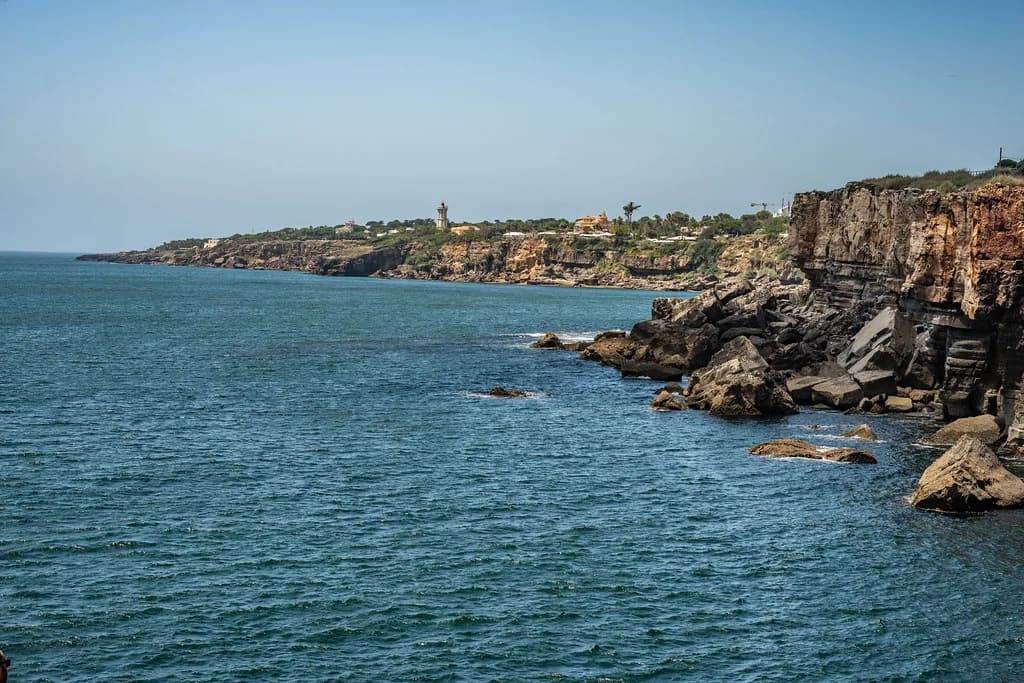
Boca do Inferno, a cave cut into the rock by the ocean, takes its name from the hellish sound the waves make as they crash inside it, and it sits on the same coastal run.
Cascais today: a large town that still feels like a village
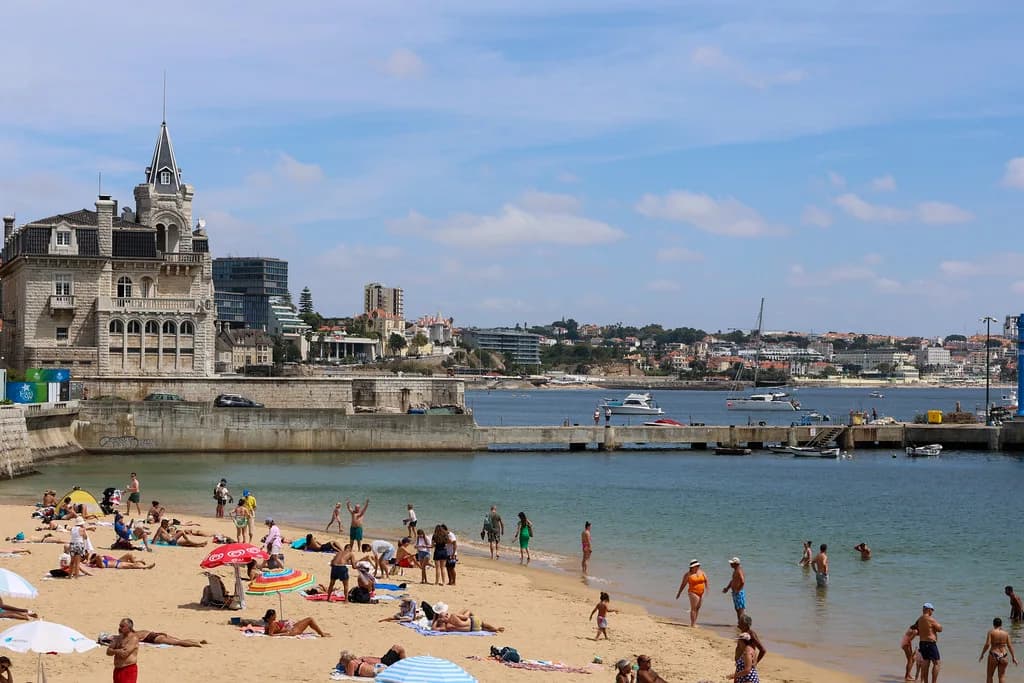
Modern Cascais is a cosmopolitan and wealthy place with a marina and handsome mansions, yet it still has the feel of a small, charming village despite its size. For a visitor the payoff is that a short break can hold both the historical sights and a genuinely relaxed waterfront without long transfers.
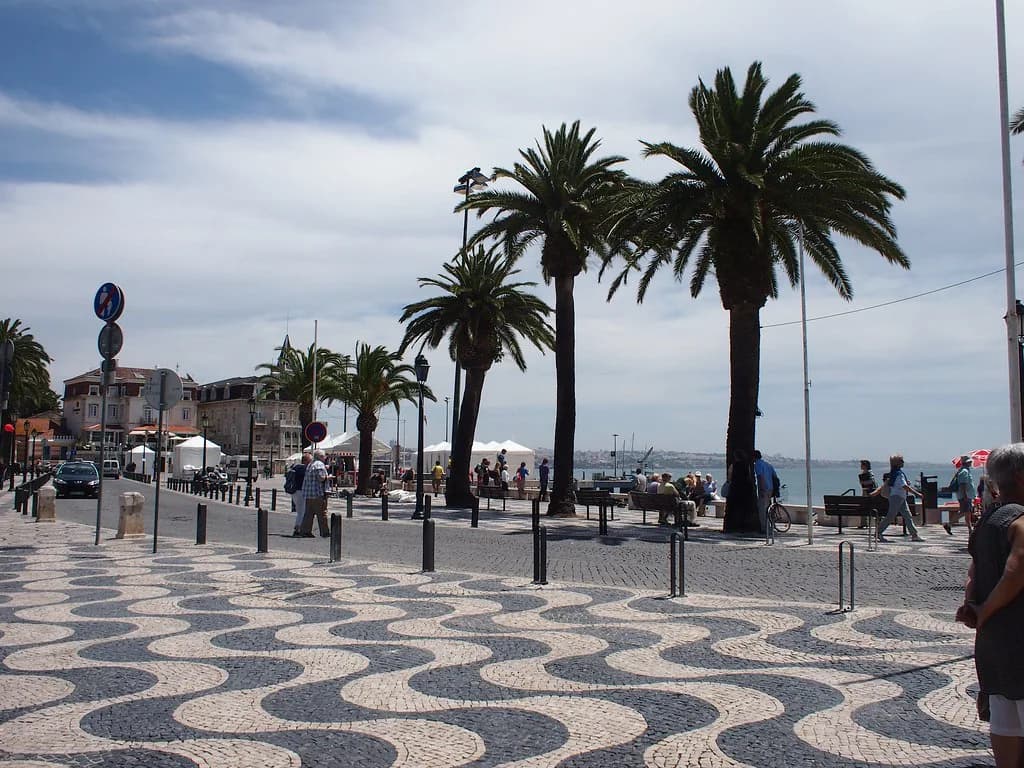
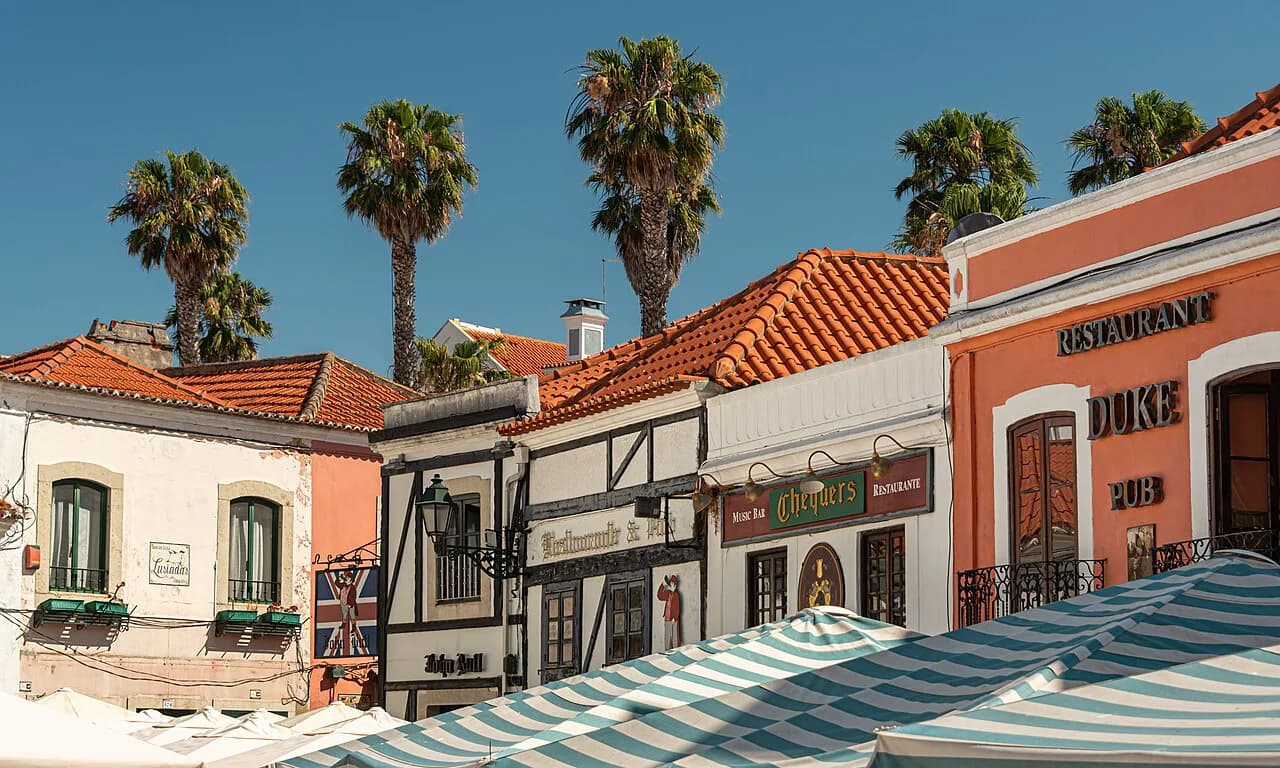
Food is part of the local story rather than an afterthought: Largo Luís de Camões gathers seafood, traditional Portuguese cooking and Italian options, and the town's own butter cakes, areias, are the thing to try with a coffee. Rua Frederico Arouca handles souvenir shopping, and Casa da Guia, an eighteenth-century mansion turned into shops and cafés, is surrounded by sea views.
If tiles are your interest, the town's decorative azulejo tradition rewards a closer look on the facades and in the churches, which is where the resort-era building boom left its most visible mark.
Which slice of Cascais history to see first
Start in the old centre to see the fishing village and the post-earthquake rebuild, then walk the coastal pair of fort and lighthouse museum, and finish in the parks and galleries. That order follows the town's own chronology and keeps you on foot for most of the day.
If you only have an afternoon, choose the old centre plus one indoor sight, and check that museum's opening day before you go. The rest of the story will still be there next time.
Explore more Cascais guides
Frequently Asked Questions
Was Cascais damaged by the 1755 earthquake?
Yes. The Lisbon earthquake of 1755 destroyed most of Cascais, and the town was rebuilt afterwards with resources that followed the Portuguese royal family's decision to spend summers there. That is why the centre reads as late-eighteenth-century rather than medieval.
Why did the Portuguese royal family spend summers in Cascais?
Cascais became the court's summer base, which turned a fishing village into a fashionable resort and drew aristocratic families from across Europe. Neighbouring Estoril later developed alongside it as a luxury holiday destination.
Where can I see Cascais's maritime history indoors?
The Museu de Santa Marta, housed in the nineteenth-century Santa Marta lighthouse, tells the story through a film on Fresnel lenses and lighthouse keepers' diaries, with sea views from the site. Check its current opening days before you go.
Sources
Notes for your next Portuguese break
Optional updates to our town guides.
You might also like
Continue reading
More guides you'll find useful