Madeira Food: What to Eat and Where to Try It in Funchal
A practical guide to Madeira food for short-break visitors, covering espetada, bolo do caco, espada, lapas and honey cake, with notes on what to order.
On this page
Madeira food is island cooking built on beef skewers, sweet-potato bread, black scabbardfish and limpets, with tropical fruit running through the desserts. Order espetada, bolo do caco, espada com banana and lapas across two or three meals and you will have covered the dishes most visitors come for.
These are dishes presented as traditional Madeiran cooking, and they recur on menus across Funchal. This guide takes each dish in turn, says what it tastes like and how it is served, and flags where portion sizes catch people out. It then covers ordering in a Funchal tasca, feeding a vegetarian or a fussy eater, and how to pace the menu over a short break.
What Madeira food is: fish, beef, sweet potato and tropical fruit
Madeiran cooking leans on the sea and the hills in roughly equal measure: grilled fish and shellfish along the coast, hearty beef and pork dishes inland. Sweet potato turns up in bread, and passion fruit, banana and honey shape the desserts.
The island's kitchen is not a single cuisine but a set of family dishes served in small tascas and larger restaurants alike. That means the same names recur across Funchal, and prices and quality vary more by venue than by dish.
The dishes to order first
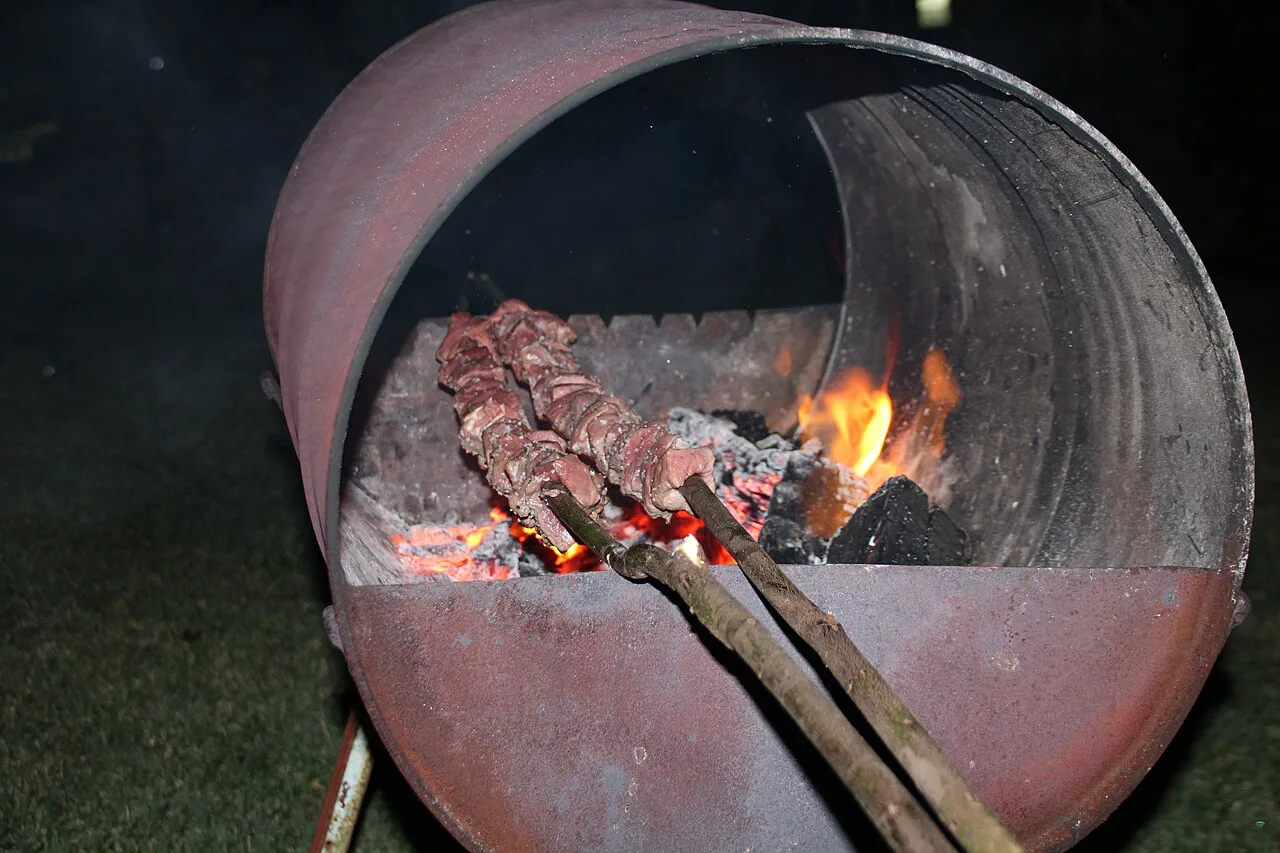
Six dishes give you a fair picture of the island: espetada (beef skewers), bolo do caco (sweet-potato flatbread), prego no bolo do caco (steak sandwich), espada (black scabbardfish), lapas (grilled limpets) and picadinho (cubed beef).
Espetada is beef cooked on skewers over hot coals and seasoned with garlic, salt and bay leaf, usually plated with vegetables, fried maize cubes or bread. Picadinho is beef cut small, fried with garlic and pepper, and generally brought as a platter to share rather than a single portion.
Carne de vinha d'alhos is pork marinated for a day in garlic and wine, then cooked in the marinade and served with milho frito, the fried cornmeal side. It is a substantial plate, so it suits a main meal rather than a light lunch.
Espada com banana: what black scabbardfish with banana actually tastes like
Espada is black scabbardfish, a long, dark, deep-water fish that looks alarming on a market slab and mild once cooked. The classic version pairs the fillet with banana, olive oil, flour and egg, seasoned with salt, pepper, oregano and garlic.
The trade-off is real: the banana version is sweet and soft, closer to a home-style bake than a clean grilled fish, so order it only if that appeals. If you want to taste the fish itself, look for espada grilled plainly and take the banana version as a second visit. Many kitchens also do a passion-fruit variant, which is sharper.
Bolo do caco: flatbread, garlic butter and the sandwich version
Bolo do caco is a flatbread made from flour and sweet potato, traditionally cooked on a hot basalt slab called a caco. Served as a starter it arrives warm with garlic butter, and it is easy to fill up on before the main course lands.
The same bread becomes a sandwich, most commonly the prego no bolo do caco: thin beef steak with garlic butter, with salad, ham, cheese or egg added as you choose. A useful rule is to decide at the start whether you want bolo do caco as your bread course or your lunch, because ordering both leaves little room.
Prego no bolo do caco: the steak sandwich that works as a cheap lunch
The prego is the most useful item on a Madeira menu for a short break: quick, filling and served at most hours in cafés and tascas as well as restaurants. It is a steak sandwich rather than a snack, so one is usually enough for lunch with a coffee afterwards.
For a lighter midday meal, pair half a prego with a bowl of soup rather than ordering a starter as well. If you are eating late, keep the sandwich as a fallback and save the sit-down dishes for the evening.
Lapas: grilled limpets and how to order them as a starter
Lapas are limpets, grilled in the shell and usually served with butter, garlic and a squeeze of lemon. They resemble mussels or clams, are chewy, and work well as a shared starter or a light bite with bread rather than as a main course.
The portion trap is simple: a plate of lapas disappears quickly and the shells mount up, so two people often order a second round. Ask for them before the main so they arrive as a starter, and look beyond limpets to grilled fish and shellfish if you want a fuller seafood meal.
Desserts: maracujá pudding and Madeira honey cake
Maracujá is a light passion-fruit pudding, sweet and sharp at once, and a sensible way to finish a heavy meal. Madeira honey cake is the denser, more traditional option, and it travels well if you want something to take home.
One dessert between two is usually enough after espetada or picadinho, particularly if bolo do caco started the meal. If you want something small with coffee instead, look for honey cake by the slice in a pastelaria.
Drinks: what to order with your meal
House wine and local beer are the simplest companions to fish and beef, and most tascas pour both without a written list. Madeira wine and poncha, the island's cane spirit drink, are both traditionally associated with the island; poncha is stronger than it looks and best treated as a separate stop rather than something to order alongside a full dinner.
If you are pacing yourself, order water with the meal and take the poncha later in the afternoon or early evening. Drink prices are printed on menus or the wall in most places, so read before ordering rather than guessing.
Where to try it in Funchal: menus, tascas and sharing dishes
A tasca is a small, plain eating house where the menu is short and the cooking is everyday Madeiran rather than restaurant presentation. Menus in Funchal usually list starters, mains and desserts separately, so decide early whether you are ordering a shared starter or going straight to a main.
For a first evening, share a bolo do caco and a plate of lapas, then take one espetada or one picadinho between two. That order covers the island's signature flavours without a table crowded with half-eaten plates. If you want to compare kitchens across the city, the broader Funchal restaurant scene is worth scanning before you commit to a single tasca.
Ordering for one, for a vegetarian and for a fussy eater
Solo diners should favour the sandwich and soup route at lunch and a single main at dinner, since espetada and picadinho are built for sharing. A half portion is rarely listed, but asking is normal in a small tasca.
For vegetarians, the safest bets are the dishes whose listed ingredients are plainly meat-free: bolo do caco with garlic butter, the maracujá pudding and vegetable-based sides, with milho frito as a filler. Cheese, salad and egg are standard prego add-ons, so a meat-free sandwich is usually possible, but confirm what is cooked on the same grill.
A fussy eater can stay with grilled fish, plain steak or a prego and avoid the banana-and-espada combination entirely. Breakfast is easy: bread, cheese, ham and coffee are the norm, and a pastry with coffee is the quickest start to a sightseeing day.
How many dishes to order on a short break
Over a three- or four-day break, plan one sit-down dinner for espetada or picadinho, one lunch for prego and bolo do caco, and one seafood meal for lapas and grilled fish. That leaves room for a dessert stop and a poncha without repeating a dish.
Portions are generous, so two starters and one main often feed two people comfortably at dinner. Set-menu prices and dish prices are posted in the venue itself, and the bill is the reliable guide to what a meal costs.
Which Madeira dish to order first
Start with bolo do caco and lapas to share, follow with espetada or espada com banana, and finish with maracujá if you have room. That single meal gives you the island's range, and you can decide afterwards whether the banana version of espada or the plain grilled fish is more your thing.
Use a tasca for lunch and a larger restaurant for one evening, and check the posted menu before sitting down so the bill holds no surprises.
Explore more Funchal guides
Frequently Asked Questions
Is Madeira very expensive for food?
Dish prices are posted in each venue, and the total depends on whether you order shared starters such as lapas and bolo do caco alongside a main. A tasca lunch of prego and soup costs less than a full dinner of espetada with wine, so compare posted menus before choosing.
What do people in Madeira eat for breakfast?
Bread, cheese, ham and coffee are the everyday start, with a pastry and coffee as the quick option. Bolo do caco can appear at breakfast too, but save it for a lunch sandwich if you plan to order it later in the day.
Can I eat well in Madeira without fish?
Yes. Espetada, picadinho, carne de vinha d'alhos and the prego are all beef or pork dishes, and milho frito and bolo do caco fill out a plate. Maracujá pudding and honey cake cover dessert.
Sources
Notes for your next Portuguese break
Optional updates to our town guides.
You might also like
Continue reading
More guides you'll find useful