Funchal History: What Shaped Madeira's Capital
A place-by-place history of Funchal, from sugar and shipping wealth to the Sé Cathedral, São Lourenço Palace and the Monte cable car.
On this page
Funchal history is easiest to grasp through four places: the Sé Cathedral and São Lourenço Palace in the centre, the Madeira Story Centre for the island's full sweep, and the churches and estates whose collections were paid for by sugar and wine. The city is the capital of Madeira, sitting on the island's south coast between Santa Cruz and Câmara de Lobos, which makes the historic centre compact enough to cover at a walking pace. This guide orders the past by the streets you actually stand in.
You do not need a timeline to enjoy it. One museum visit gives the sequence, a short loop around the cathedral quarter gives the architecture, and a cable car ride gives the higher, older suburb of Monte. The walk itself does the rest.
Where Funchal sits and why that mattered
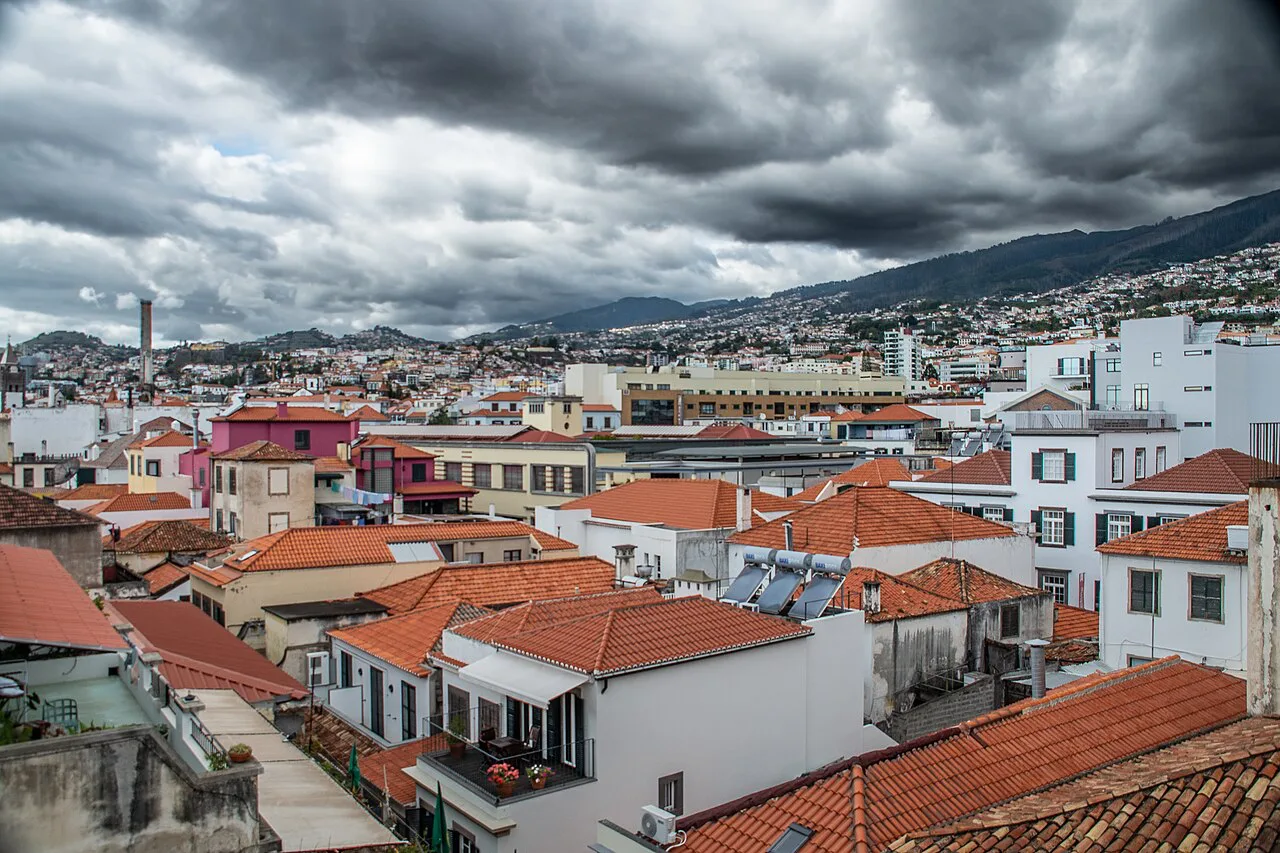
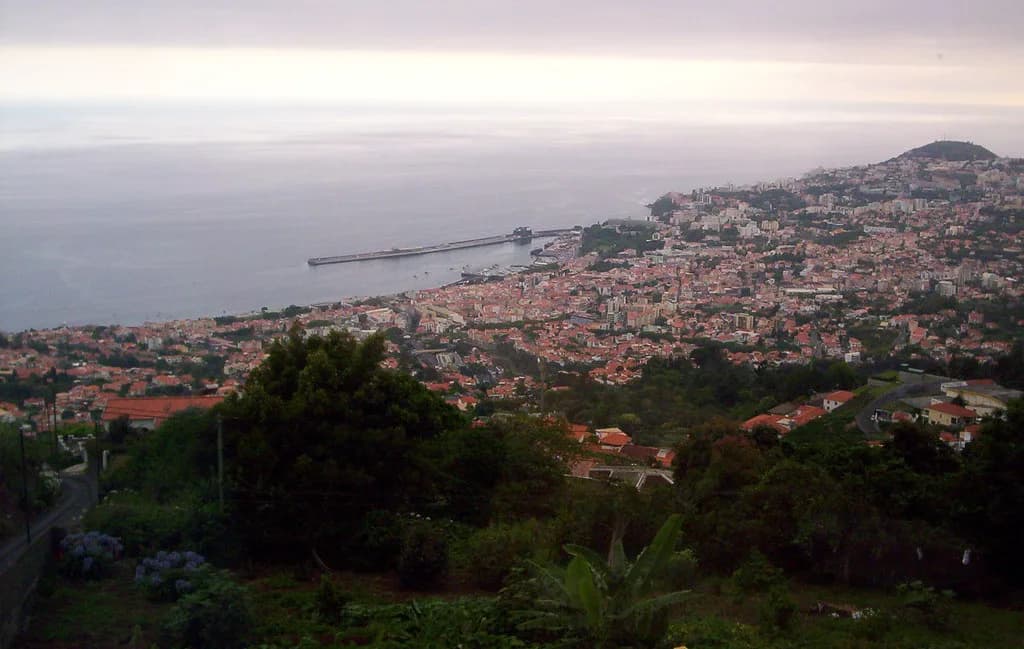
Funchal occupies the south coast of Madeira, the Portuguese island in the Atlantic, with Santa Cruz to the east and Câmara de Lobos to the west. That southerly position gave the settlement a sheltered harbour and a mild climate, which is why the island's main city grew here rather than on the wetter, steeper north coast.
For a visitor, the geography explains the shape of a short break. The seafront, the old lanes and the cathedral quarter sit low and close together, while Monte rises sharply behind the city and is reached by cable car. Plan the low town for a morning and Monte for an afternoon, and you will spend your time looking rather than travelling.
Sugar, wine and shipping: where the money came from
Madeira grew rich on sugar, wine and shipping, and the architecture of Funchal is the visible result of that wealth. The standout historic buildings are the São Lourenço Palace and the 16th-century Sé Cathedral, though the pleasure is in the whole ensemble of streets rather than in two façades.
That commercial history also explains the island's gallery collections. The Museu de Arte Sacra and the Museu de Arte Contemporânea hold works acquired by the island's sugar and wine families, so a visit to either is a way of looking at private fortune turned into public culture. If you only have time for one, pick according to whether you prefer religious art or modern work.
The same trading wealth left a fortified wine that visitors still associate with the island, and it is worth trying with a meal rather than treating as a museum piece. Keep the tasting short and the sightseeing long: the city's history is outdoors.
The Sé Cathedral at the centre of the old town
The 16th-century Sé Cathedral is the anchor of the historic centre and the obvious first stop on any history walk. Its situation, rather than any single detail, is what makes it useful: stand outside and you are already in the tangle of lanes that formed the original town.
Pair the cathedral with the lanes around it rather than rushing on. The Funchal old town, with Rua de Santa Maria as its best-known street, is where the city's age shows in doorways, balconies and paving; give the area an unhurried hour and it will teach you more than a caption board.
São Lourenço Palace and the governors of Madeira
The São Lourenço Palace is the second historic highlight in the centre and the one most easily missed by visitors fixed on the cathedral. It belongs to the same story of island government and mercantile confidence, and seeing both in one walk gives you the civic and the religious sides of old Funchal.
Treat the palace as a fixed point on the map and build the rest of your loop around it, keeping the seafront on one side and the cathedral lanes on the other. That way the walk covers the centre's history without doubling back, which matters when a short break only gives you a day or two in the city.
The Madeira Story Centre: the whole island in sequence
If you want the island's history in order, the Madeira Story Centre is the one museum to choose. Its displays begin with the land's volcanic origins, move through the period when the island was a target for pirate raids, and carry on to the present, using illustrations and models that work for children as well as adults.
Do it early in your stay rather than late. Giving names and context to everything you see afterwards, from the cathedral to the estates, it makes sense before you start walking the historic centre.
Monte and the Teleférico: history on the heights
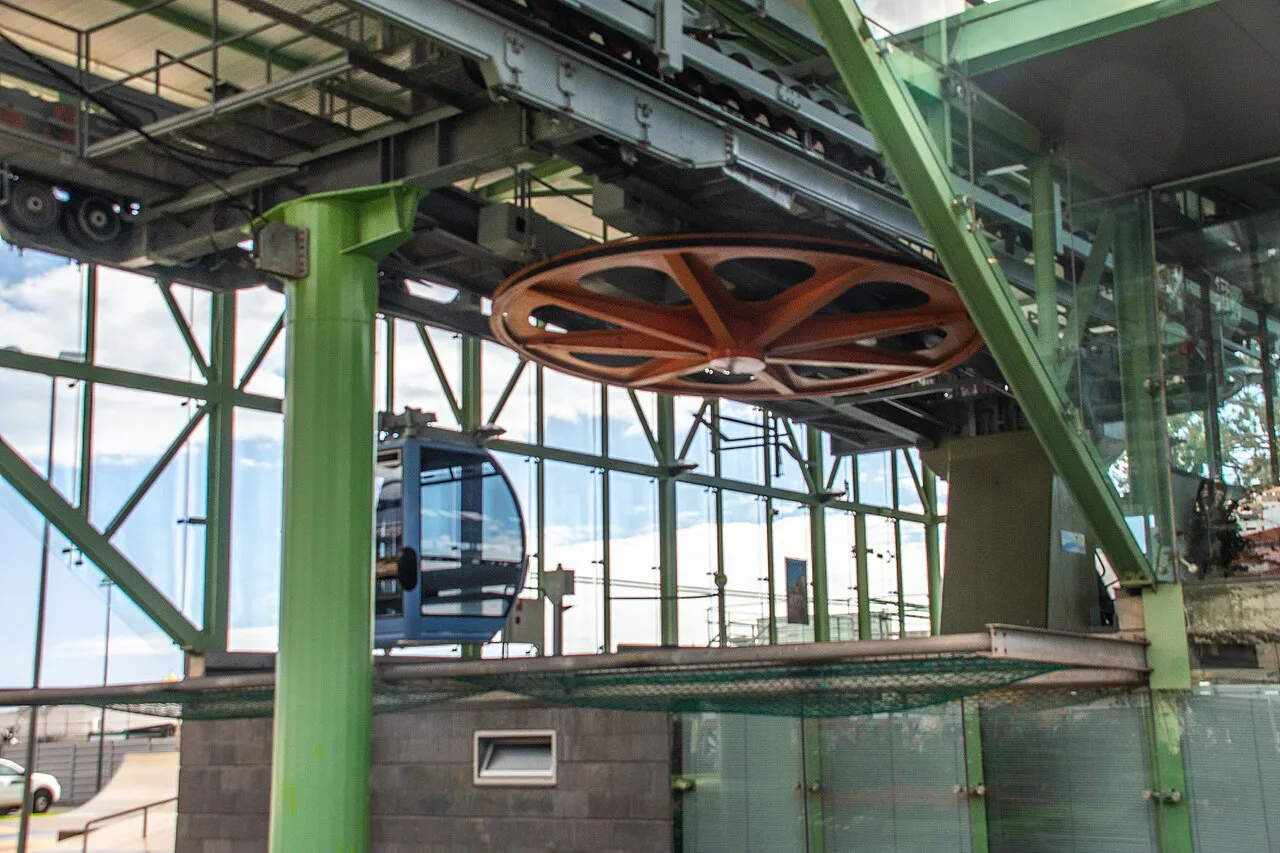
The Teleférico do Funchal is the cable car that carries residents and visitors from the lower city up to the highland suburb of Monte. The line runs for more than half a mile and climbs well over 1,500 feet, so the ride is a piece of practical transport as much as a way of seeing the city from above.
Monte itself is where the history rewards the climb. The church there holds the tomb of Emperor Charles I of Austria, an unexpected imperial connection for a mid-Atlantic island, and the suburb's old tourist character survives around it.
Ride up in the morning and take the cable car back down if you are short of time. The gondola gives you the harbour from above and sets you down beside Monte's church and its imperial tomb, so the trip doubles as transport and sightseeing.
Old town versus Monte: how the two halves fit together
Plan Funchal's history as two levels. The lower city is for the Sé Cathedral, the São Lourenço Palace and the lanes of the old town, all within easy walking distance of each other; Monte is for the cable car, the church and the views back over the harbour. Splitting the day this way keeps the walking manageable and the sightseeing varied.
If you prefer structure, a guided route around the centre is a quick way to get the chronology right before wandering alone. Otherwise, use the cathedral as your starting point and work outwards, and you will cover the same ground at your own pace.
How much history fits into a one-to-four-day break
On a single day, take the cathedral and the surrounding lanes, add the São Lourenço Palace, and finish with the cable car to Monte. That combination gives you the religious centre, the civic centre and the historic heights without spending the whole day indoors.
With two or three days, add one collection, choosing between the Museu de Arte Sacra and the Museu de Arte Contemporânea, and give the Story Centre its own morning. A fourth day lets you return to whichever quarter you liked best, which is usually more rewarding than adding a fourth museum.
Leave room for the unfashionable parts of a short break as well: the market, the gardens and a slow lunch. History is what you notice between them, and a packed itinerary leaves no space for that.
What the tiles tell you about the city
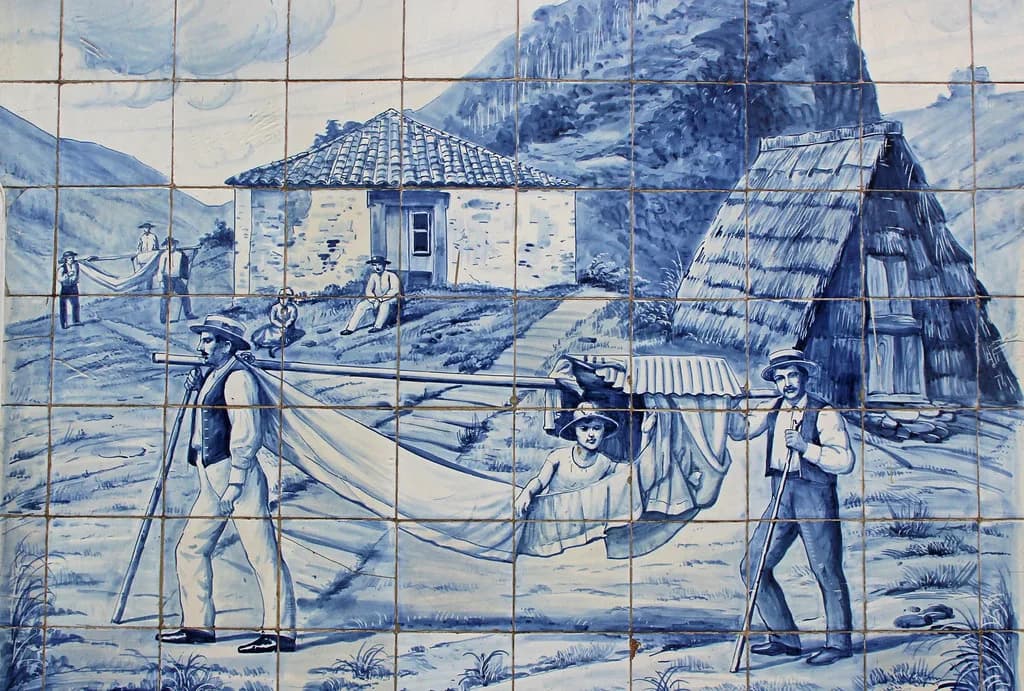
Funchal's tiled façades are a quiet record of the city's built fabric, since azulejos line many street-level and first-floor walls in the centre. Look up above shop level as you cross the centre and you will find ceramic work layered into the same old streets as the cathedral and the palace.
The tiles also give you a way to read the old town without a guidebook. Patterns vary from block to block, so a short walk with your eyes at first-floor height turns the façades into a record of how the city was built and rebuilt.
Which sight tells you the most about Funchal's past?
Start with the Madeira Story Centre if you want the sequence, and with the Sé Cathedral and São Lourenço Palace if you want the buildings. Both routes take about a morning and can be combined with a walk through the lanes.
Build the cable car to Monte into the same day, since it turns a sightseeing ride into a step through the city's older suburb and its imperial tomb. That single day of museum, cathedral and heights gives a fuller picture of Funchal than a week of beaches.
Explore more Funchal guides
Sources
Notes for your next Portuguese break
Optional updates to our town guides.
You might also like
Continue reading
More guides you'll find useful