Funchal Dolphin Watching: Boat Trips, Operators and What to Expect
Compare Funchal dolphin-watching trips: small-group RIBs, classic sailing boats and catamarans, plus trip lengths and what the crew does on board.
On this page
Funchal dolphin watching is a half-day outing rather than an all-day one, and the boat you pick matters more than the operator. Small sailing boats and RIBs carry a handful of passengers, while at least one catamaran tour leaves from the new marina with larger groups and more stability. This guide compares boat types, trip lengths and group sizes, then matches each to the traveller it suits.
Most trips start at the marina and last between roughly 2.5 and three hours, so a dolphin trip slots easily into a one- or two-day visit alongside the best things to do in Funchal. Departure times, fares and seasonal schedules come from each operator at booking, so confirm them before you commit and keep a spare morning in case the sea turns rough.
Which Funchal dolphin-watching trip suits you: quick RIB, small sailing boat or larger catamaran
Think of it as three products. A rigid inflatable boat (RIB) is fast and low to the water, and appeals to travellers who want to cover ground and feel the sea. A classic sailing boat is slower and quieter, with more space to move around. A catamaran is the most stable and the busiest, with room for a bigger group and, on some tours, swimming and an all-inclusive onboard service.
For a short break, decide by how much time you have and how comfortable you need to be. If you get seasick easily, a larger catamaran is the safer choice; if you want a small group and a closer view of the water, pick a sailing boat or RIB and accept that you will be more exposed to spray and swell. Dolphin watching is weather-dependent, so build in flexibility to move your trip to another morning.
How long a dolphin-watching trip from Funchal lasts and where it leaves from
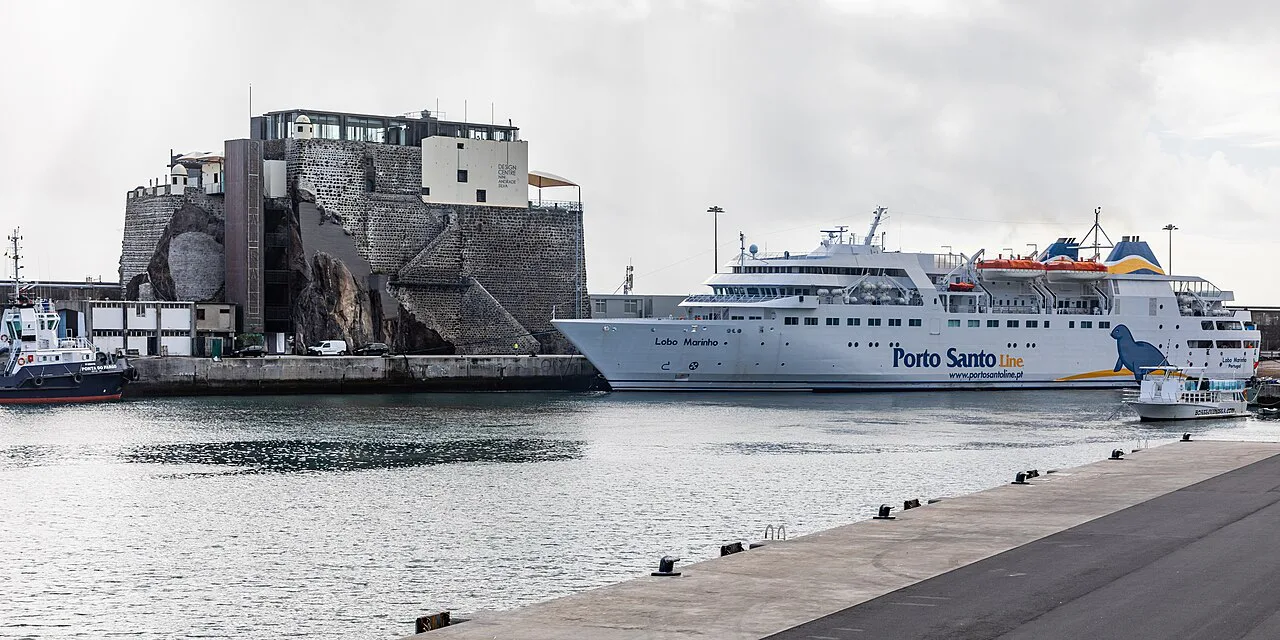
The whale and dolphin watching tour from Ventura do Mar lasts around 2.5 hours, and the company runs its activities out of the Marina do Funchal, where its desk opens daily from 9am to 6pm. That makes an early slot the easiest to fit around a day that also includes the old town and the market.
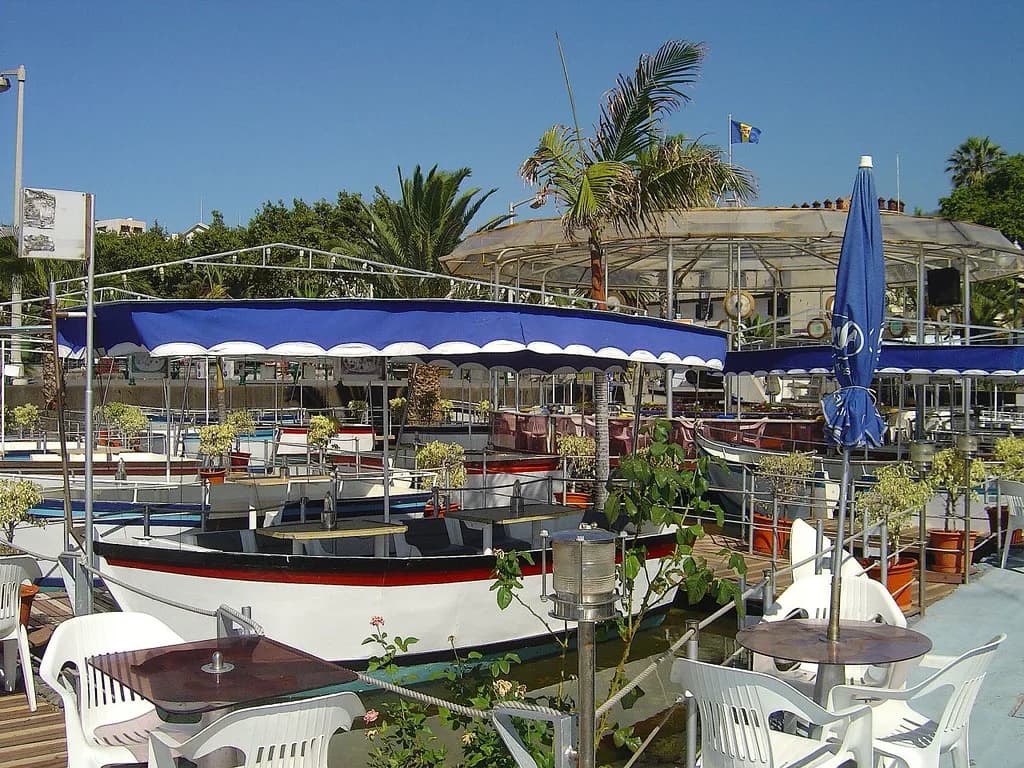
A described luxury catamaran tour for Funchal runs about three hours, starts at the docks of the new marina and includes an all-inclusive service on board. Group size is part of what you are choosing: Ventura do Mar's boats carry a maximum of 12, 16 or 18 passengers depending on the vessel, so check capacity when you compare offers.
What the crew does on board: spotting, identification and briefings
A good trip is led by people who know what they are looking at. Ventura do Mar's team includes marine biologists, skippers, guides and tour leaders, and they talk passengers through what they are seeing and help with identification. On the water that means someone on watch for blows and fins, a clear explanation of the species, and a briefing before the boat sets out.
Ask at booking whether the crew follow wildlife-watching guidelines, because distance and approach really do matter for dolphins and whales. A responsible trip will explain how close the boat gets and when to stay put rather than chase an animal.
Small groups versus big boats: the honest trade-off on comfort, crowding and wildlife impact
Small boats give you a quieter experience and less crowding at the rail, which is why passengers on Ventura do Mar's classic sailing boat praise the pace and the absence of the crowds you find on larger catamarans. The trade-off is more motion, less shelter and fewer onboard facilities.
Ventura do Mar runs small groups deliberately, to keep the impact on wildlife low. Bigger catamarans give you stability and space but can feel busy when a pod appears. Neither is wrong; match the choice to your stomach and your tolerance for company, and the stability of a catamaran usually wins for young children or older relatives.
Whale and dolphin watching with Ventura do Mar: boats, group sizes and trip lengths
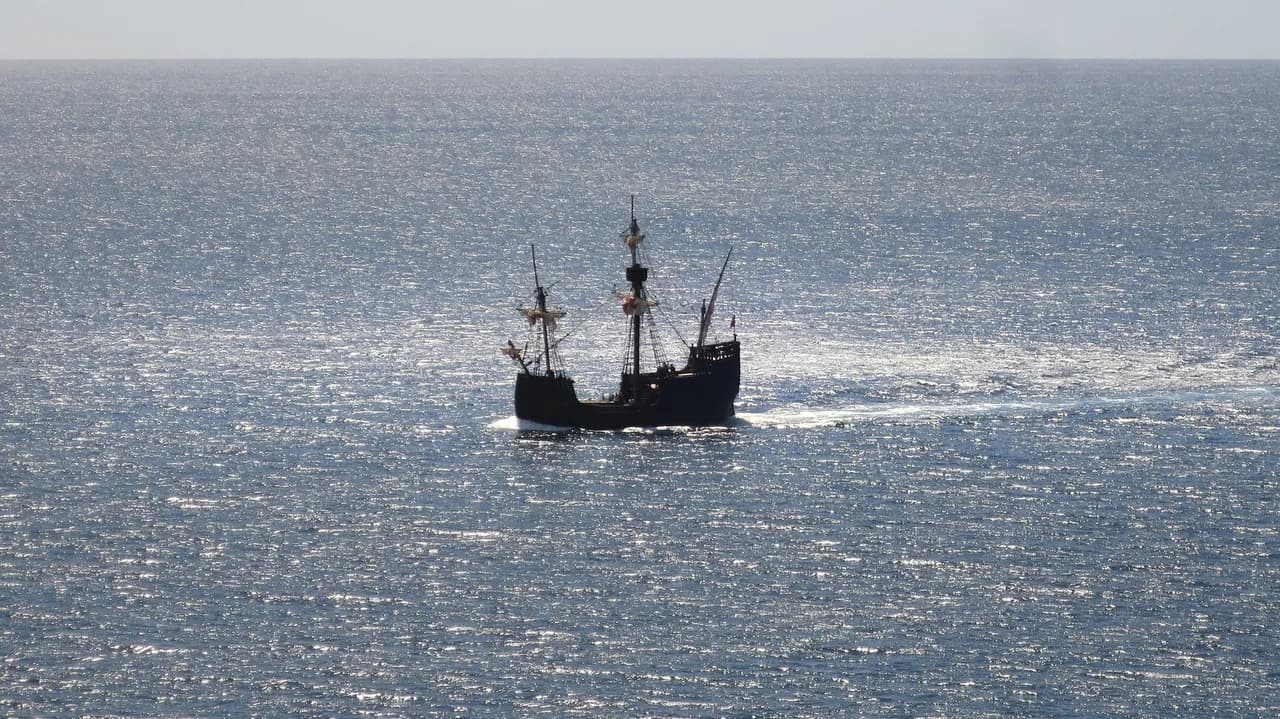
Ventura do Mar has been running nature trips from Madeira since 2001, with a fleet that covers both ends of the market. The Ventura do Mar is a 15.5-metre classic sailing boat carrying up to 16 passengers, while Tiger I is a 7.4-metre RIB for up to 12 and Tiger II a 10-metre RIB for up to 18.
The company also runs sailing trips along the south coast towards Fajã dos Padres, a sunset trip with a swim near Cabo Girão, and longer Desertas Islands tours with an overnight stay. Check the inclusions and current schedule with the operator before you book.
RIB options: fast, close to the water, and who should avoid them
A RIB is the fastest way to reach the animals and puts you close to the waterline, which suits photographers and anyone who finds a slow sail tedious. The trade-off is exposure: you will get wet, the ride is bumpy in swell, and there is little shade. If you have back or neck problems, are pregnant or are travelling with very young children, ask the operator before booking rather than assume a RIB is suitable.
Small-group RIB tours marketed in Funchal are pitched at wildlife enthusiasts who want close encounters with dolphins, whales and turtles. Read the inclusions closely: if a dolphin swim is offered as an optional extra, check what it actually involves before booking, and accept that conditions at sea decide whether any swim stop happens.
Catamaran and luxury options from Funchal marina
If comfort is your priority, consider a catamaran. A three-hour all-inclusive catamaran tour from the new marina described for Funchal includes food and drink on board and offers a stable platform for watching. Larger boats mean more passengers, so sighting a pod can turn into a scramble for the rail; pick a spot early and stay with it.
Check what all-inclusive covers before you compare headline fares, since drinks and food vary by departure. Confirm the meeting point at the marina and how early you need to arrive for check-in, and keep the confirmation on your phone in case the meeting point changes.
Combining dolphins with a swim stop, such as the sunset trip near Cabo Girão
Some trips are really two outings in one. Ventura do Mar's sunset tour watches the sun go down from the sea and includes a refreshing swim near Cabo Girão, with a bar service of cocktails and snacks on board plus stand-up paddle and snorkelling equipment. Bring a swimming costume and a towel if you plan to get in.
Decide which purpose comes first. A pure watching trip gives the crew more freedom to follow wildlife, while a sunset or swim trip keeps to a schedule and a fixed route. If dolphins are the main reason for the outing, book the dedicated whale and dolphin tour and treat the sunset cruise as a bonus.
What you might see: dolphins and whales recorded on Madeira trips
Madeira's deep water close to shore brings cetaceans within reach of a half-day trip. Passenger reviews on Ventura do Mar's site mention pilot whales, juvenile spotted dolphins and dolphins seen close to the boat, alongside stops at secluded beaches for a swim. No operator can promise a particular species on a particular day.
Treat any sighting as a bonus rather than a guarantee. Trips that run in small groups with an experienced spotter tend to give the best odds simply because more eyes are looking and the boat can manoeuvre gently. If a specific species matters to you, ask the operator which ones they see most often at the time of year you are travelling.
Morning or afternoon: which to book
Sea conditions usually matter more than the time of day, and operators will tell you which departures are running when you book. A morning trip leaves the rest of the day free for Funchal old town, the cathedral and the market, which suits a short break; an afternoon or sunset departure gives you a slower start and the chance to combine watching with a swim.
Where a trip runs into the evening, allow for a cool breeze on the water even when Funchal feels warm on land. Ask at booking how far in advance you need to arrive at the marina and whether the departure can be moved if the sea turns rough. Keeping the following morning free gives you a fallback date.
What to bring and how to behave around wildlife
Wear layers and bring a windproof top, even on a sunny day, plus sunscreen and a hat if you are on an open boat. Bring a swimming costume and towel for any trip with a swim stop. A camera with a zoom lens beats a phone for distant fins, and a dry bag protects your kit from spray.
On board, follow the crew's instructions on where to stand and how close to get. Keep noise down, do not lean over the side to reach an animal, and let the skipper decide the approach. If you are prone to seasickness, take medication before you board rather than once you are out.
Book the boat, not the brochure
Pick your Funchal dolphin-watching trip by boat and group size: a small sailing boat or RIB if you want intimacy and speed, a catamaran if you want stability and an easier ride. Book a dedicated watching trip if dolphins are the point, and a sunset or swim cruise if you want a gentler evening on the water.
Ask the operator directly about departure times, fares, cancellation terms and what happens if the sea is too rough to sail, since these details change with the season. Then build the rest of your day around the old town, where a walk through Funchal Old Town fills the time nicely before or after your trip.
Explore more Funchal guides
Frequently Asked Questions
Is it possible to see whales in Madeira?
Yes. Reviews of trips out of Funchal mention pilot whales alongside dolphins, and Madeira's deep offshore water brings cetaceans within reach of a half-day boat trip. No operator can guarantee a sighting on a specific date, so treat any whale as a bonus.
Is morning or afternoon better for whale watching?
Sea conditions usually matter more than the time of day, and the operator will tell you which departures are running. A morning trip leaves the afternoon free for the old town, while an afternoon or sunset departure suits a slower start and can combine watching with a swim.
Where is the best place to swim with dolphins?
Swimming with wild dolphins is not something every operator offers or encourages. Where a tour advertises an optional dolphin swim, ask what it actually involves before booking, and remember that conditions at sea decide whether any swim stop happens.
Sources
Notes for your next Portuguese break
Optional updates to our town guides.
You might also like
Continue reading
More guides you'll find useful