Aveiro Old Town: What to See and How to Walk It
Plan a walk through Aveiro's old town: Beira Mar lanes, tiled facades, the cathedral and São Gonçalinho chapel, and how long the centre needs.
On this page
Aveiro's old town needs half a day on its own, or a full day if you add the canals, the salt pans and Costa Nova. The historic heart is the Beira Mar quarter beside the Central Canal, a flat grid of narrow streets lined with azulejo-clad houses that feels lived-in rather than staged. Our other things to do in Aveiro picks out the boat trips and the sights beyond the centre.
This guide sets out how the centre is laid out, an order of sights that works on foot, which church or museum interior earns your time when you only have an afternoon, and the trade-offs the old town does not hide. The canal front is the postcard; Beira Mar is where the city actually lives, and the two should be judged separately.
What the old town is and where it sits
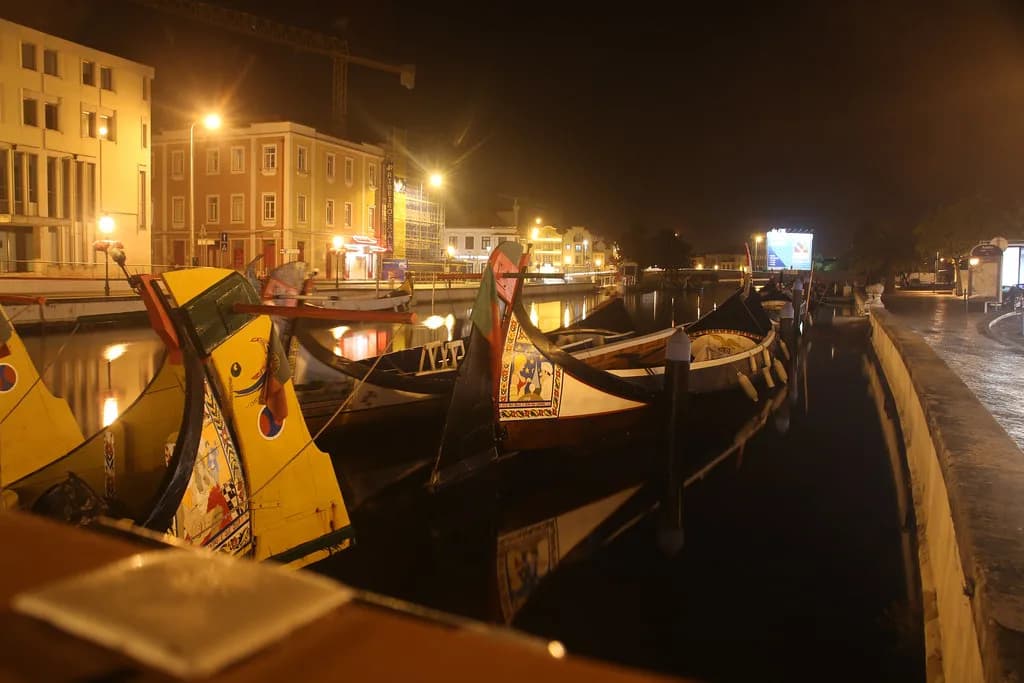
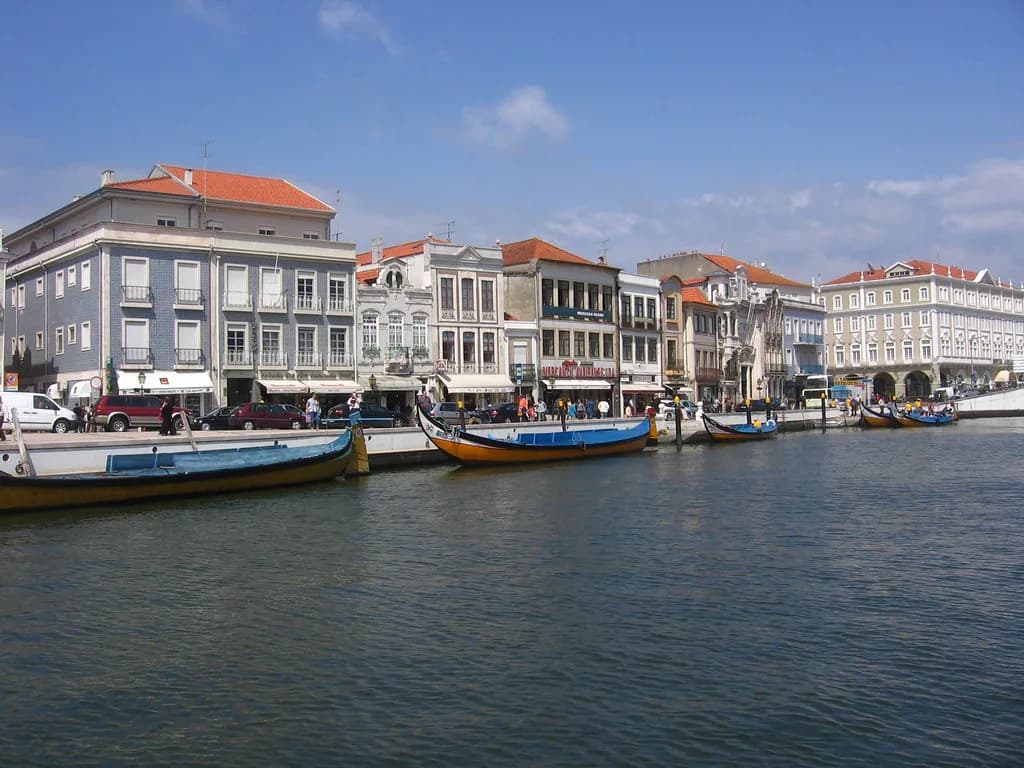
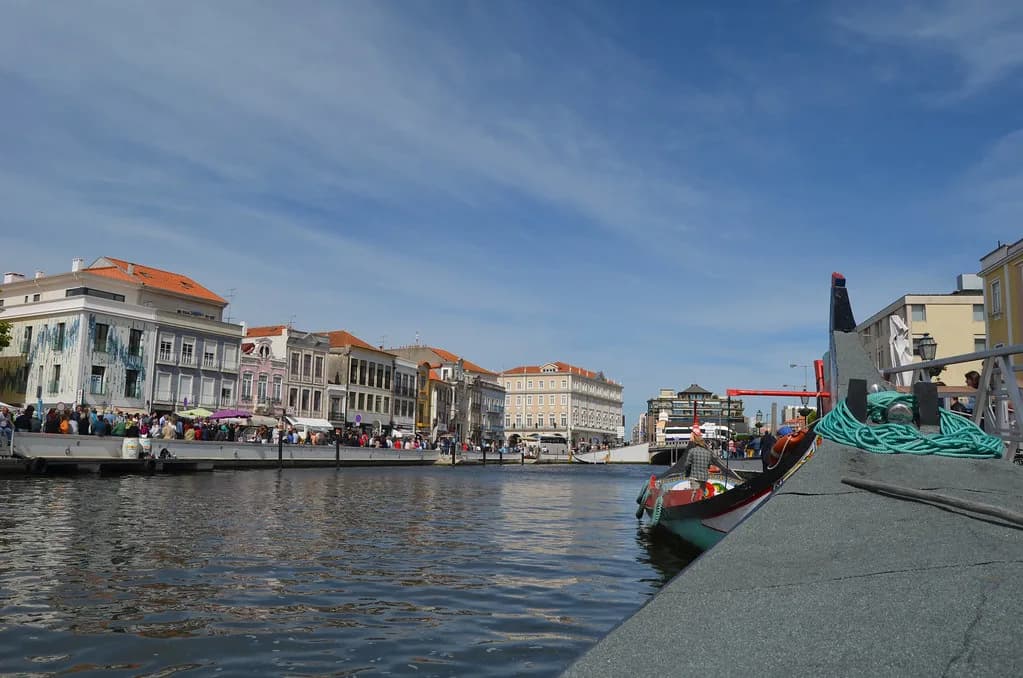
The old town sits immediately behind the Central Canal, with the Beira Mar neighbourhood as its core. The city is built on the edge of the Ria de Aveiro, a saltwater lagoon, and canals cut through the centre — which is where the 'Venice of Portugal' nickname comes from.
That billing sets expectations the centre does not always meet: the canals are few, the city is small, and cars are a constant presence, which dilutes the canal-side mood. Treat the nickname as a marketing line and the old town as a compact Portuguese city quarter with good tiles and a strong convent heritage, and you will enjoy it far more.

How long to give the old town
Give the old town alone a half-day, walking slowly and stopping for coffee. A full day covers the historic centre plus a moliceiro ride on the canals, the salt pans on the lagoon edge and a short run out to Costa Nova, whose striped fishermen's houses are the usual photo stop.
The centre is flat, which makes it unusually easy walking by Portuguese standards, and it is manageable with a pushchair. If you are in Aveiro for one day only, do the old town on foot in the morning and take the boat in the afternoon, when the canal front is busiest anyway.
A walking route through the old town
Start at the Central Canal, where the moliceiro boats moor, then turn inland into Beira Mar and let the lanes pull you north-west towards the cathedral and the convent museum. Work back towards the water via the Misericórdia church and finish on the canal front, so the modern bridges and the salt pans are a natural continuation rather than a separate trip.
Allow two to three hours for the core loop without museum stops, and half a day once you add one interior and a pastry pause. The distances are short; the time goes on looking up at facades and on the queues at the boat pier in high season.
Beira Mar: the lanes behind the canal
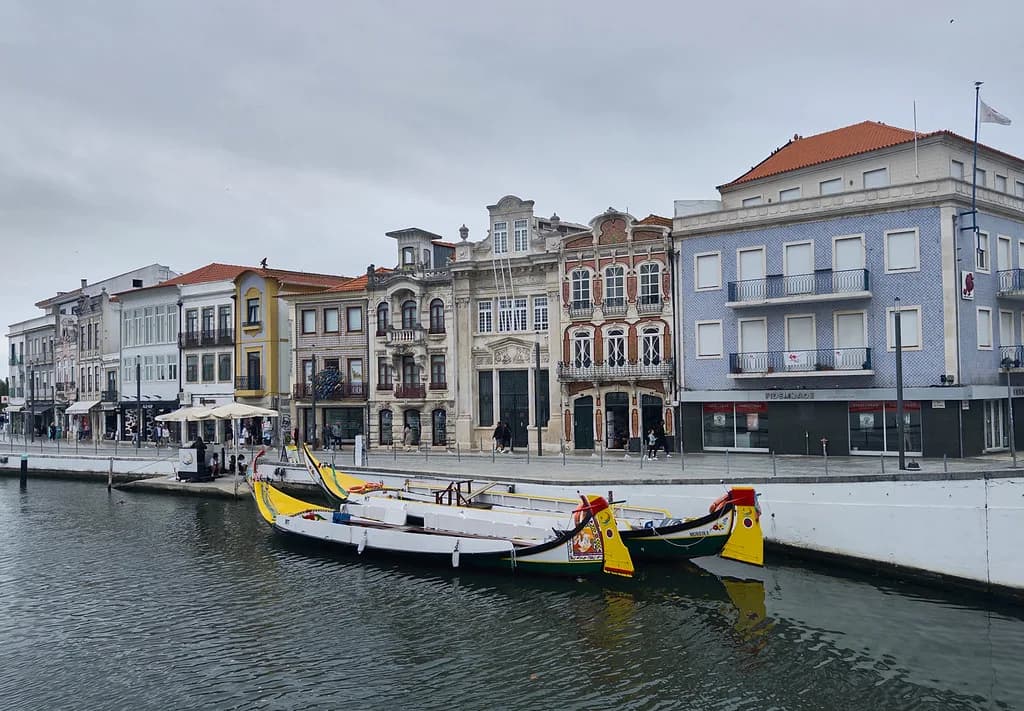
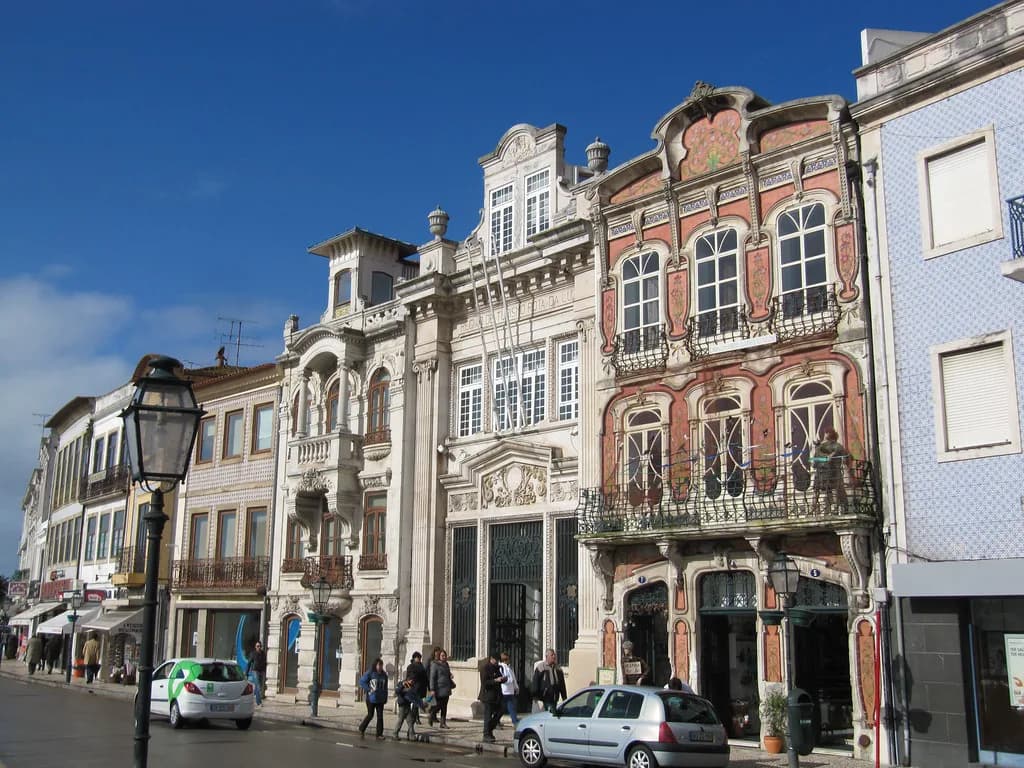
Beira Mar is the soul of old Aveiro, and the streets are lined with houses covered in intricate traditional tiles. This is where the quarter feels real rather than performed, and wandering without a fixed plan is the point — the alleys reward slow walking more than any single sight.
Look for the Obelisco da Liberdade and the Capela de São Gonçalinho as you go: the obelisk anchors the square, and the chapel is a tiny building dedicated to the city's patron saint of salt-workers and fishermen. Both are modest in scale, so treat them as punctuation on the walk rather than destinations in themselves.
The contrast with the canal front matters. The waterfront is where tour groups congregate around the boats, while one street back the tiled facades, corner cafés and ordinary doorways give you the old town proper — judge Aveiro on this, not on the water alone.
Sé Catedral de Aveiro and the convent museum
The cathedral, the Sé Catedral de Aveiro, sits at the higher end of the old town and slots naturally into the middle of the route.
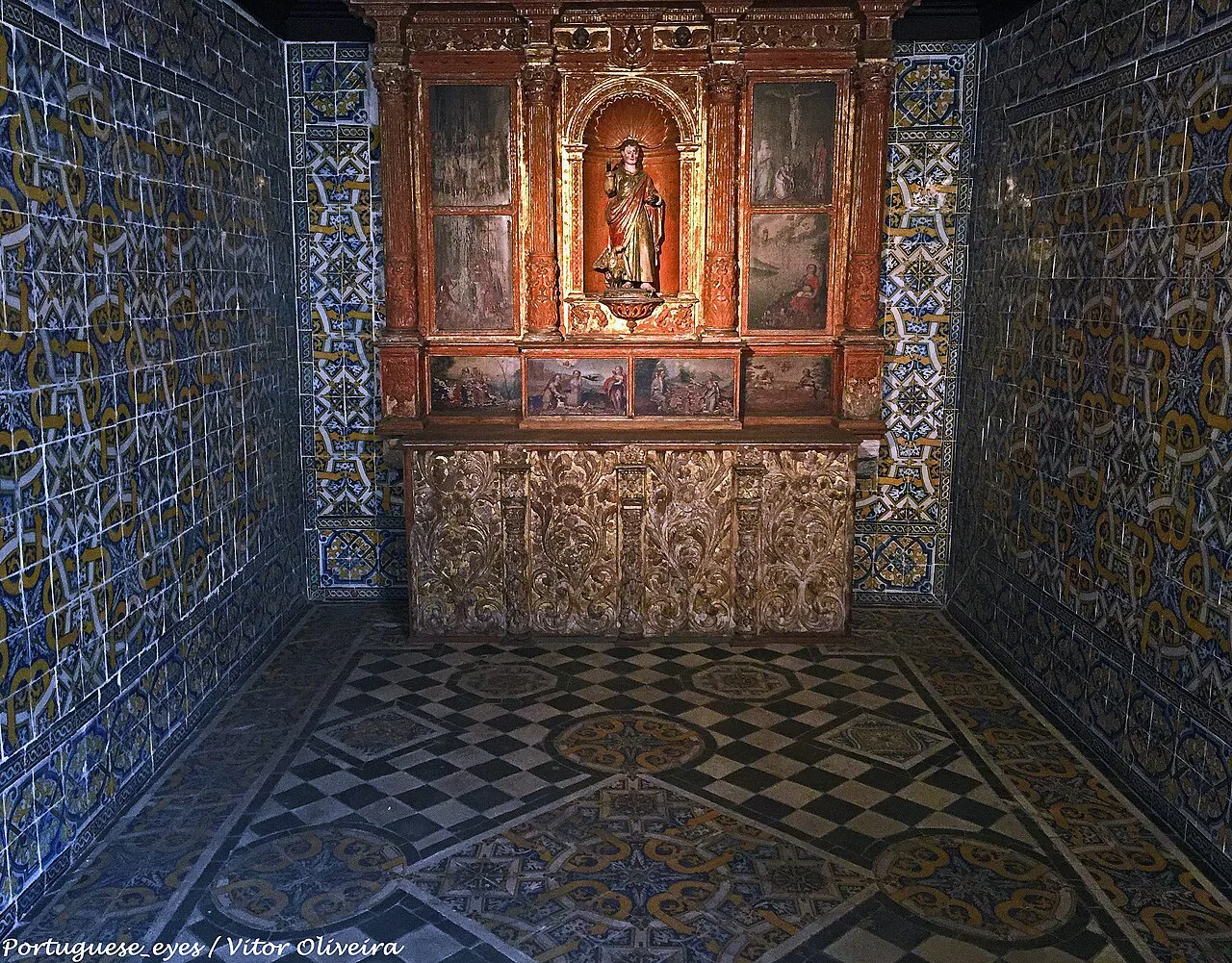
The stronger interior, though is the Aveiro Museum, housed in a 15th-century convent and holding the tomb of Princess Joana, whose story the gilded chapel and religious collections illustrate. It is a compendium of religious objects, paintings, sculpture and jewellery from the Renaissance, and it rewards an unhurried hour.
If you have time for only one interior, choose the museum over the cathedral: the convent setting and the Joana tomb give you something you cannot see elsewhere in the city, whereas the cathedral is a quieter, quicker visit.
Misericórdia, Carmo and the gold interiors
The Igreja da Misericórdia de Aveiro is worth a look inside as you thread back towards the canal, and the Carmelita de Aveiro church is the showiest of the centre's interiors, its gold decoration the kind of thing people photograph first and read about later.
With an afternoon in hand, prioritise in this order: the convent museum, the Carmo church, then the cathedral, with the Misericórdia as a passing stop. That sequence gives you the richest interiors early, before tired legs make the decisions for you.
The old railway station azulejo panels
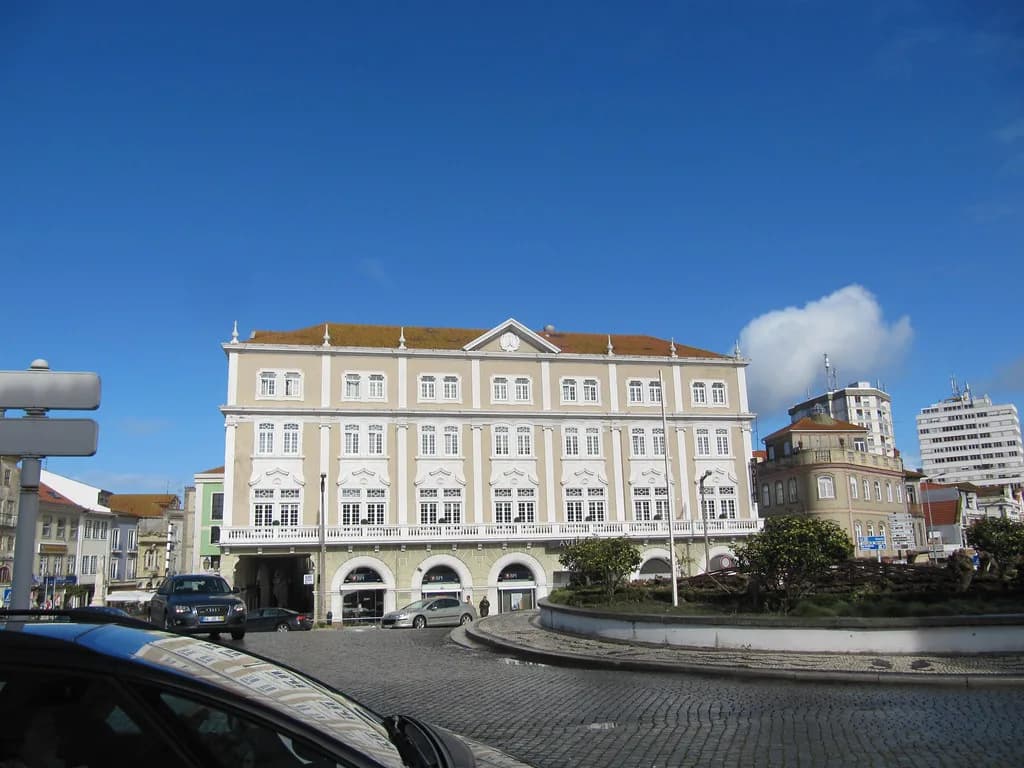
The old Aveiro Railway Station carries striking tilework of its own, and it is the one sight on this list that sits outside the old town loop. It is a ten-minute detour each way from the centre, so it earns its place only if you like azulejos enough to want a second dose after Beira Mar.
If you are arriving or leaving by train, fold it into the journey rather than making a separate walk. If you are in town for a single afternoon, skip it and spend the time on the convent museum instead.
The modern counterpoint: loop bridge and friendship ribbons
The Ponte Pedonal Circular, a perfect metal circle over the junction of two canals, gives a 360-degree view of the water and skyline, and its wide, smooth ramps make it easy walking. It connects the residential side of the centre with the path out towards the salt pans, so it works as a link rather than a detour.
Nearby, the Ponte dos Laços de Amizade carries thousands of fabric ribbons instead of padlocks, a lighter and more colourful local variation on the love-lock bridge. Ribbons are sold in nearby shops; tie one, take the photo, and move on.
Salt pans on the edge of the centre
The Salinas de Aveiro, the salt pans on the lagoon edge, can be visited with a guide who explains the history and traditions of salt production, and an open-air museum area covers the same ground. In summer the white salt mounds dry in the sun along the Canal das Pirâmides, and they are a genuine part of the city's heritage rather than a photo prop.
Fold the salt pans into the end of the walk: cross the loop bridge, follow the path out, and come back along the canal. It is the most natural way to extend a half-day in the old town into a full one.
Eating in and around the old town
Ovos moles, the soft egg-yolk sweet in a rice-paper shell shaped like a fish or shell, is Aveiro's signature pastry and holds Protected Geographical Indication status. Confeitaria Peixinho, right by the boat canal, sells them singly or boxed, and has a few tables upstairs if you want to sit down.
For something savoury, the local specialities are fresh grilled fish, eel stewed in matelote or marinade, and seafood in general — order what is grilled that day rather than reaching for a familiar menu. Ovos moles aside, the centre's cafés are everyday places rather than destinations, which suits a walking day.
Trade-offs: cars, crowds and the Venice question
Cars are everywhere in the centre, and that takes the edge off the canal-side romance you might arrive expecting. The main canal also draws concentrated crowds around the boat pier, so walk the Beira Mar lanes early or late and leave the waterfront for the middle of the day.
What the old town delivers is Art Nouveau facades, tiled streets, a strong convent museum and salt heritage within a short, flat walk. What it does not deliver is a picture-perfect canal city on the Venice scale. Come for the former and the latter will not bother you.
Is Aveiro's old town worth the detour?
Yes, for half a day: Beira Mar's tiled lanes, the convent museum with Princess Joana's tomb and the salt pans on the lagoon edge justify the stop, and a full day adds the moliceiro ride and Costa Nova. If you are chasing a Venice-like canal city, temper the expectation before you book.
Walk it in the order above, keep the waterfront for the boat and the crowds, and give the interiors your freshest hour. Opening days and ticket prices for the cathedral and the museum are worth confirming with each venue before you set out.
Explore more Aveiro guides
Frequently Asked Questions
What city in Portugal is known as the Little Venice of Portugal?
Aveiro, on the Ria de Aveiro lagoon south of Porto, carries the nickname because of its canals and the colourful moliceiro boats that run tours through the centre. The comparison is loose: the city is small, the canals are few and traffic is heavy, so arrive expecting a Portuguese city with a canal front rather than a second Venice.
How long does the old town walk take?
Allow two to three hours for the core loop without museum stops, and half a day once you add one interior and a pastry pause. The distances are short and the centre is flat; the time goes on looking up at facades and on queues at the boat pier in high season.
Sources
Notes for your next Portuguese break
Optional updates to our town guides.
You might also like
Continue reading
More guides you'll find useful