Museums in Braga: Which Ones Are Worth Your Time
Which museums in Braga earn a slot in a short break: Roman archaeology, a baroque palace and the cathedral, with walking order and timings.
On this page
Two museums carry a one- to three-day break in Braga: the Museu de Arqueologia D. Diogo de Sousa for Roman Bracara Augusta and the Museu dos Biscainhos for the interior of a baroque palace. On a two-day trip, add the cathedral treasury rather than trying to see everything.
The museums sit close together in the compact centre, so a single morning or afternoon of museum time leaves the rest of the break for Bom Jesus do Monte and the streets. This guide orders them for walking, gives honest lengths of stay, and says which to leave out when time is short. Decide which to cut before you leave rather than squeezing all of them into a short break.
What Braga's museums add to a one- to four-day visit
Braga is a working city with a small, tightly packed historic core, and its museums explain why the core looks as it does. The archaeology collection tells the Roman story; the palace collection explains the interiors you glimpse through doorways. That pairing gives context that the churches alone cannot.
The museums are also compact enough to fit around the city's outdoor set pieces. A sensible short break puts one museum in the morning and Bom Jesus do Monte or the Sanctuary of Our Lady of Sameiro in the afternoon, rather than giving a whole day to galleries. Our Things to Do in Braga guide sets out the wider choice of sights.
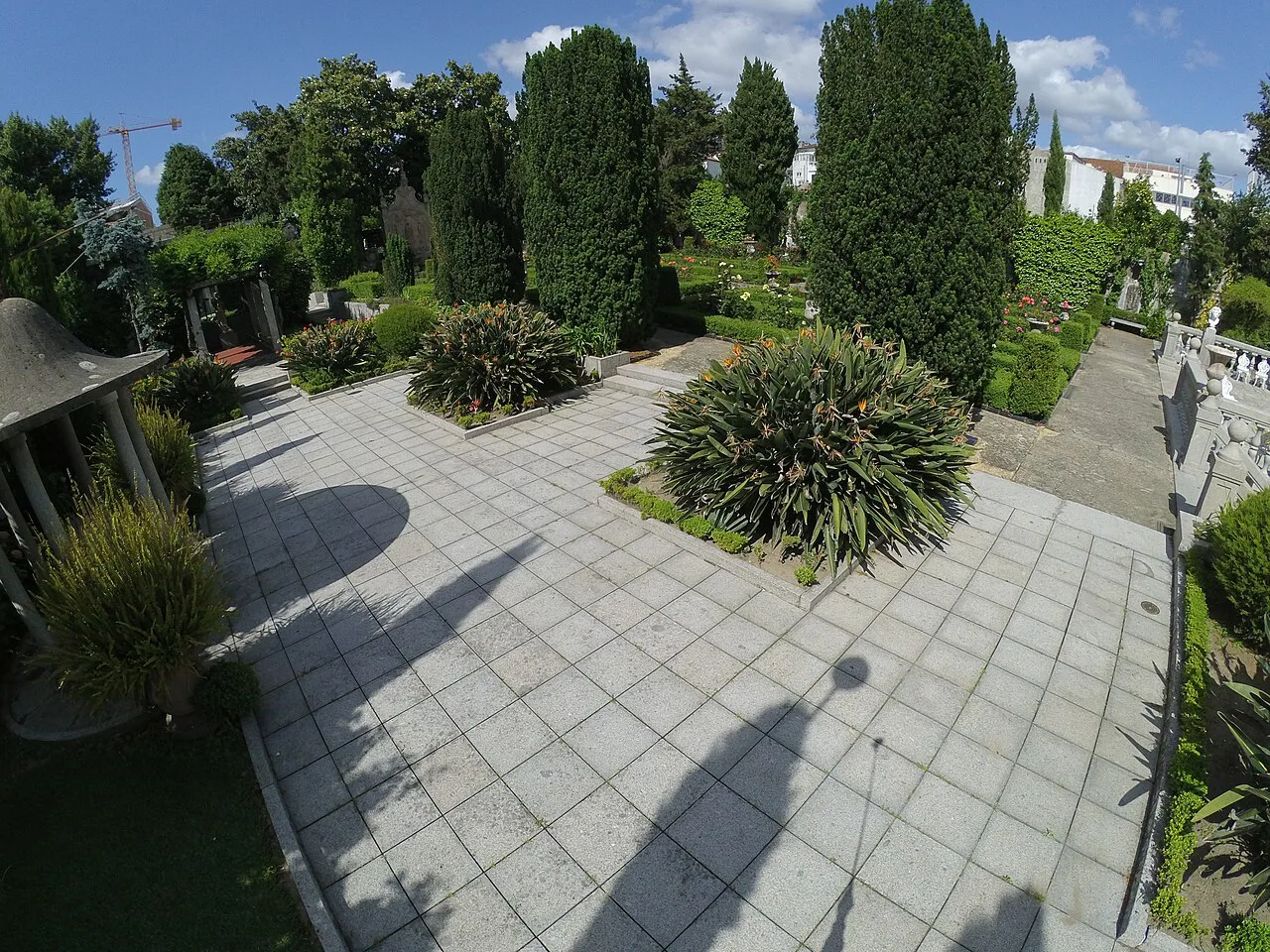
Museu de Arqueologia D. Diogo de Sousa: Roman Braga in one collection
The Museu de Arqueologia D. Diogo de Sousa is the museum to choose if you want one place that explains Bracara Augusta. It exists to support archaeological research, conservation and promotion of the region's archaeology, and the collection draws on finds from the city and its surroundings.
Allow roughly an hour to ninety minutes. It suits travellers who want objects and labels rather than rooms, and it is the strongest single stop for anyone interested in the Roman city. The museum's remit covers archaeological research, conservation and promotion of the region's archaeology, drawing on finds from the city and its surroundings.
Museu dos Biscainhos: a baroque palace and its decorative arts
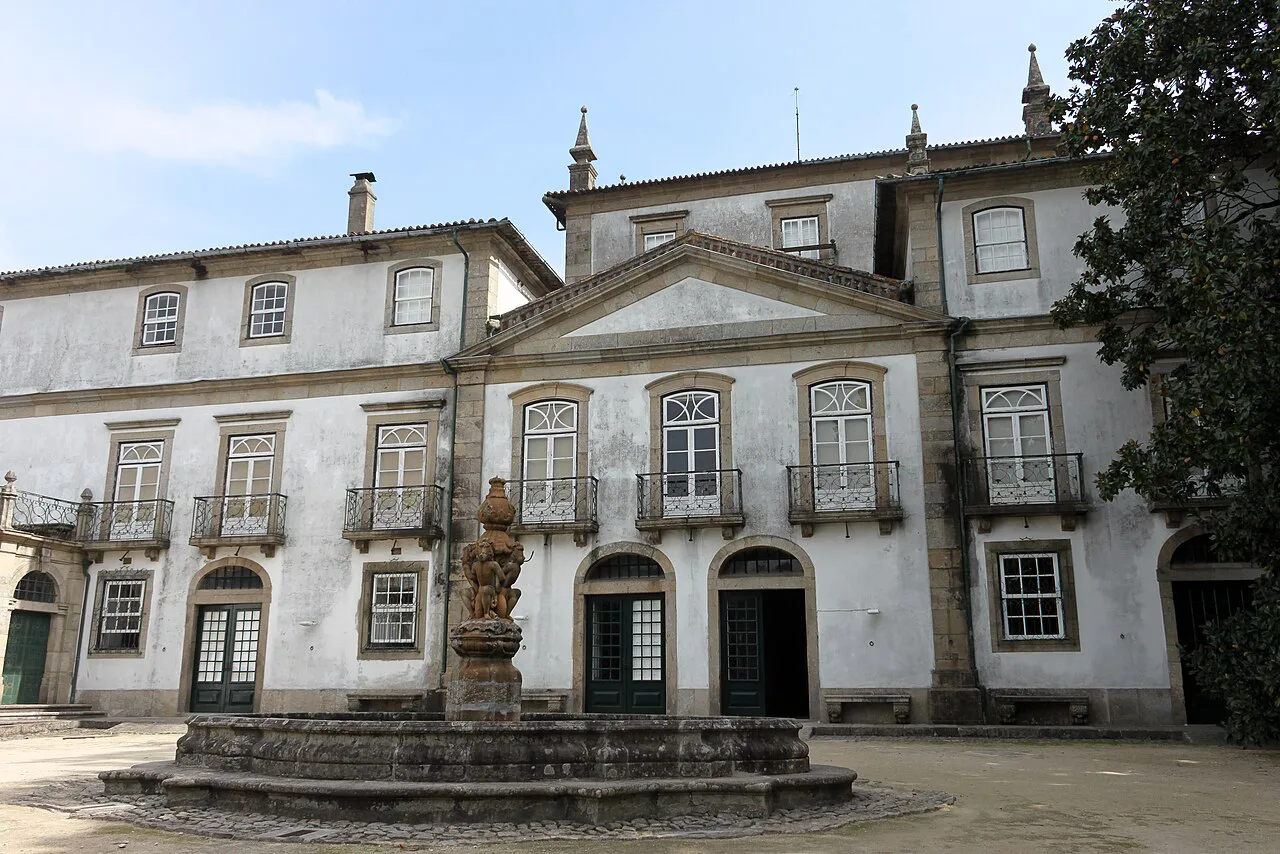
The Museu dos Biscainhos is the counterweight: a baroque palace where the building itself is the main exhibit. You come for the decorative arts and the interior setting rather than for spectacular individual pieces, so it rewards anyone who likes rooms, ceilings and the way a Portuguese noble house was arranged.
An hour is enough for most visitors. Because you cover it mostly indoors, it is a sensible pick for a wet morning or a day when you want to be off the streets.
Sé de Braga: the cathedral at the heart of the old city
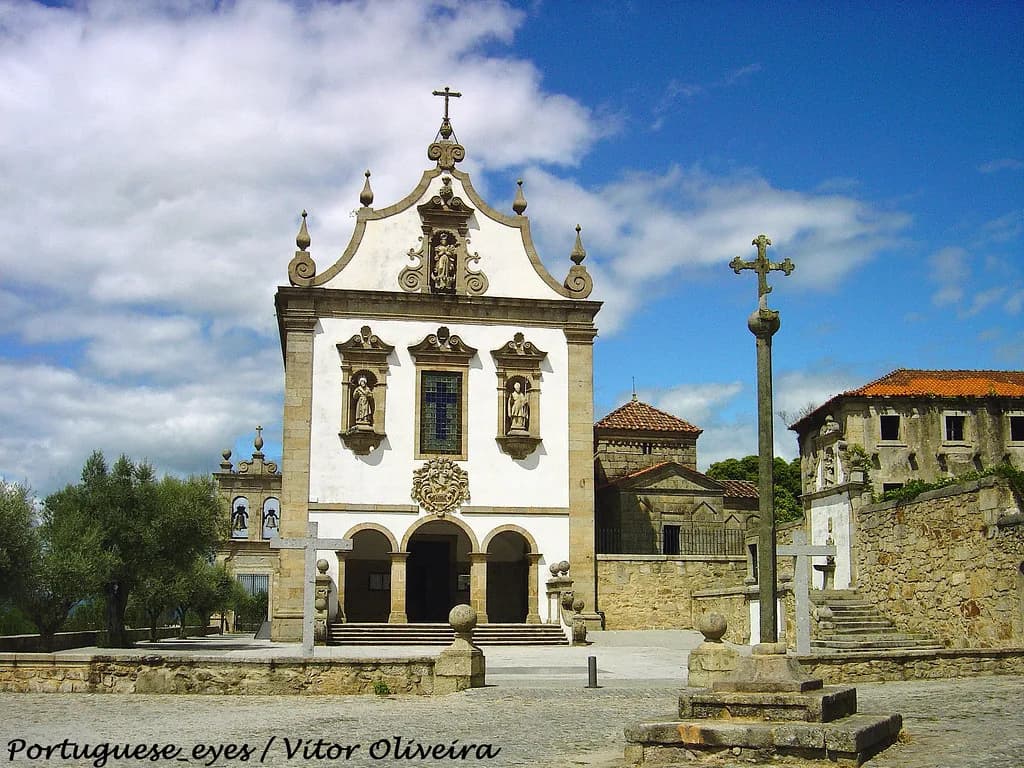
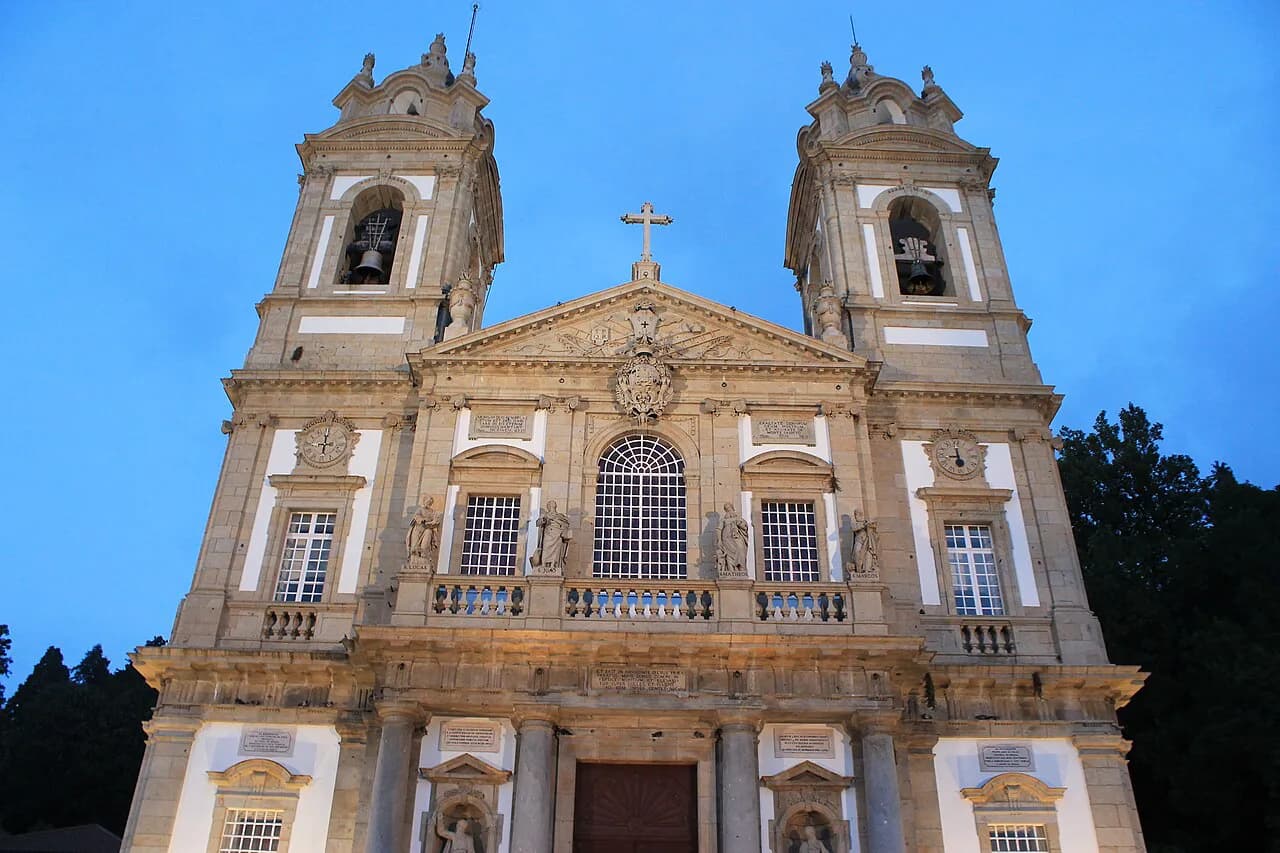
The Sé de Braga is a national monument and one of the city's essential sights, built over several centuries in a mix of late Gothic and baroque styles, with traces of its various periods still visible in the walls. It sits in the heart of the old city, so it slots naturally into a walking day rather than needing a trip of its own.
Give the cathedral about an hour. If you pair a single cathedral stop with one museum, the Sé is the better choice for anyone more interested in church history, and the archaeology museum the better choice for the Roman city. Our Things to Do in Braga guide covers the churches alongside the rest of the city.
You cannot see everything in a short break. If the Sé is your one big indoor stop, treat the smaller collections below as optional extras rather than fixed appointments.
Palácio do Raio and the smaller central stops
The Palácio do Raio is one of the most photographed façades in Braga, a showy townhouse whose exterior alone justifies the detour as you pass through the centre. The Museu Nogueira da Silva is one of the smaller central collections in the same part of town, so both are worth a look if you are already walking that way.
These are gap-fillers, not headline acts. Slot them in when you are already walking through the centre, or when a rainy hour opens in the middle of the day. Check what is currently open before you set out; opening patterns do not always line up between the smaller venues.
How the museums fit together on foot
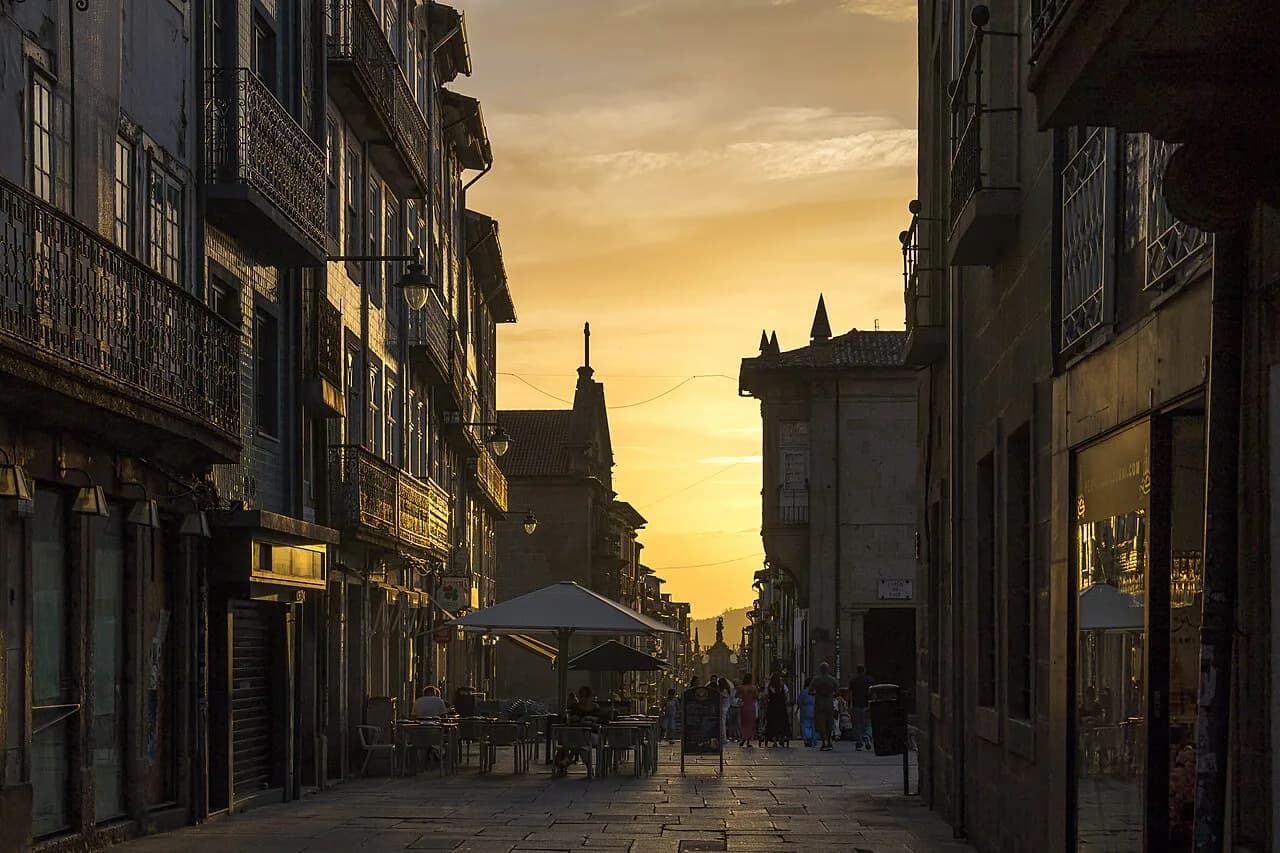
The museums are close enough to reach on foot in a single loop. Walk from the Sé through the Braga Old Town past the Arco da Porta Nova and Avenida Central, take in the archaeology museum, then end at the Biscainhos palace. Everything on that route is close together.
Braga's calçada pavements are uneven and some lanes are steep. Comfortable shoes matter more than a map, and the loop is short enough that you can double back without losing much time. The Praça da República makes a useful meeting point or break midway.
How long each museum needs, and which to skip on a two-day trip
On a two-day trip, choose two museums: the archaeology museum and the Sé, or the Biscainhos palace and the Sé. Add one smaller collection only if the weather turns. That gives you the Roman city and the religious centre without leaving Braga's streets and squares for entire days.
On three or four days you can reasonably do all of the principal museums plus Bom Jesus do Monte and Sameiro. A first-morning walk around the centre helps you place the streets before you commit museum hours to the plan.
A rainy-day plan
When weather closes in, combine two indoor stops in one afternoon. The Biscainhos palace and the cathedral are the two most substantial indoor visits and sit close enough in the centre to do back-to-back.
Check opening hours on each museum's own page the day before you go. Beyond that, keep the plan flexible: if one venue is shut, another museum or a café on Avenida Central fills the gap without wrecking the afternoon.
Opening days and what to confirm
National museums and monuments in Portugal publish their own opening days and prices, and those pages are the only reliable source for each venue. Confirm both on the museum's own website before you go; the Biscainhos is run through Museus e Monumentos, which publishes its tickets and practical information.
Carry some cash in euros for small venues, and a quick online check the night before saves a wasted morning.
Which two museums should you choose?
For most short-break visitors, the archaeology museum and the Sé de Braga give the best combination of Roman context and religious history. Choose the Biscainhos instead of the archaeology museum if baroque interiors interest you more than excavated objects.
Whichever pair you choose, walk between them and leave the rest of the day for Bom Jesus do Monte and Braga's squares. Verify prices and opening days directly with each museum before you go.
Explore more Braga guides
Frequently Asked Questions
Which museums in Braga are worth visiting on a short break?
For a short break, two do the most work: the Museu de Arqueologia D. Diogo de Sousa, which exists to support archaeological research, conservation and promotion of the region's archaeology, and the Museu dos Biscainhos, a baroque palace run through Museus e Monumentos. Add the Sé de Braga, a national monument built over several centuries in late Gothic and baroque styles, as your cathedral stop.
What does the Museu de Arqueologia D. Diogo de Sousa cover?
It is the museum that explains Bracara Augusta, working to support archaeological research, conservation and promotion of the region's archaeology and drawing on finds from the city and its surroundings. Allow roughly an hour to ninety minutes.
How long should I allow for the Museu dos Biscainhos?
About an hour is enough for most visitors. Because it is largely an interior visit, it makes a sensible pick for a wet morning when you want to be off the streets.
Is the Sé de Braga a museum?
The Sé is the cathedral, not a museum: a national monument since 1910, built over several centuries with late Gothic and baroque phases still visible. Treat it as your big religious stop rather than a gallery.
Where can I confirm opening days and ticket prices?
Each venue publishes its own. The Biscainhos is run through Museus e Monumentos, which publishes its tickets and practical information, so check there and on each museum's own page before you set out.
Sources
Notes for your next Portuguese break
Optional updates to our town guides.
You might also like
Continue reading
More guides you'll find useful