Braga Market: Municipal Hall and Thursday Morning Market
Braga's covered Mercado Municipal anchors the centre, and the region's largest weekly market runs on Thursday mornings. Here is what is sold and where.
On this page
Go on a Thursday morning if you want Braga's market at full strength: the city then hosts the largest market in the region, with stalls selling fresh produce and traditional ceramics. On other days the covered Mercado Municipal de Braga in the centre is the market stop, and it earns a visit for its rehabilitated architecture as much as for the stalls.
Braga sits in the fertile Minho province of north-western Portugal and is one of the country's main religious centres, known for baroque churches, 18th-century houses and green parks. The market fits naturally between the monuments, since the Sé, the Santa Cruz church and the Santa Bárbara garden all sit in the same compact centre.
What Braga market is and where it is
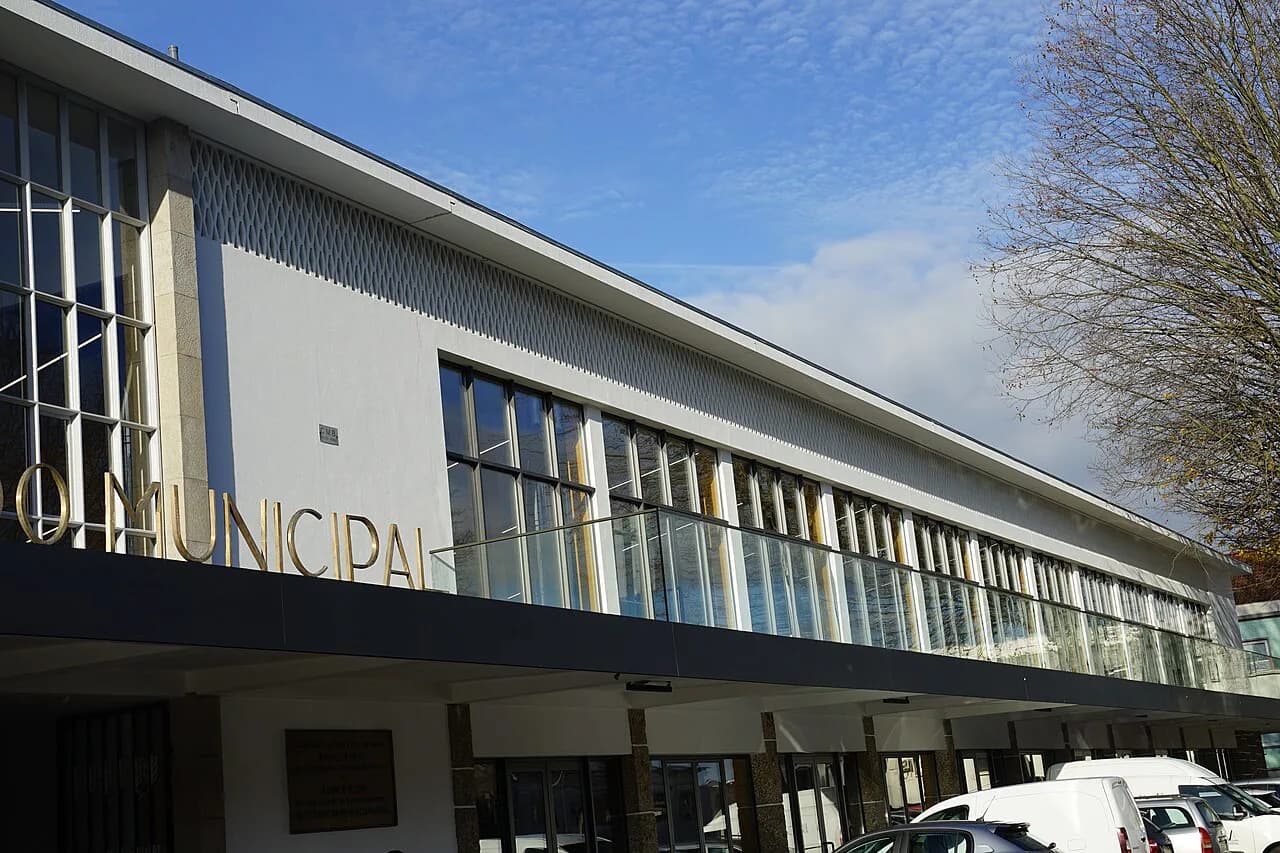
There are two things travellers mean by the Braga market. The first is the Mercado Municipal de Braga, a covered market hall in the centre whose building and surrounding space have been through a rehabilitation project. The second is the much larger weekly market that fills the city on Thursday mornings; treat them as separate outings and your day plans itself.
The hall keeps a popular market alive downtown, and the architecture is part of the draw, which makes it a reasonable stop even if you buy nothing. It works as a waypoint rather than a special trip, so slot it into a walk through the centre rather than building a morning around it.
Which day to go
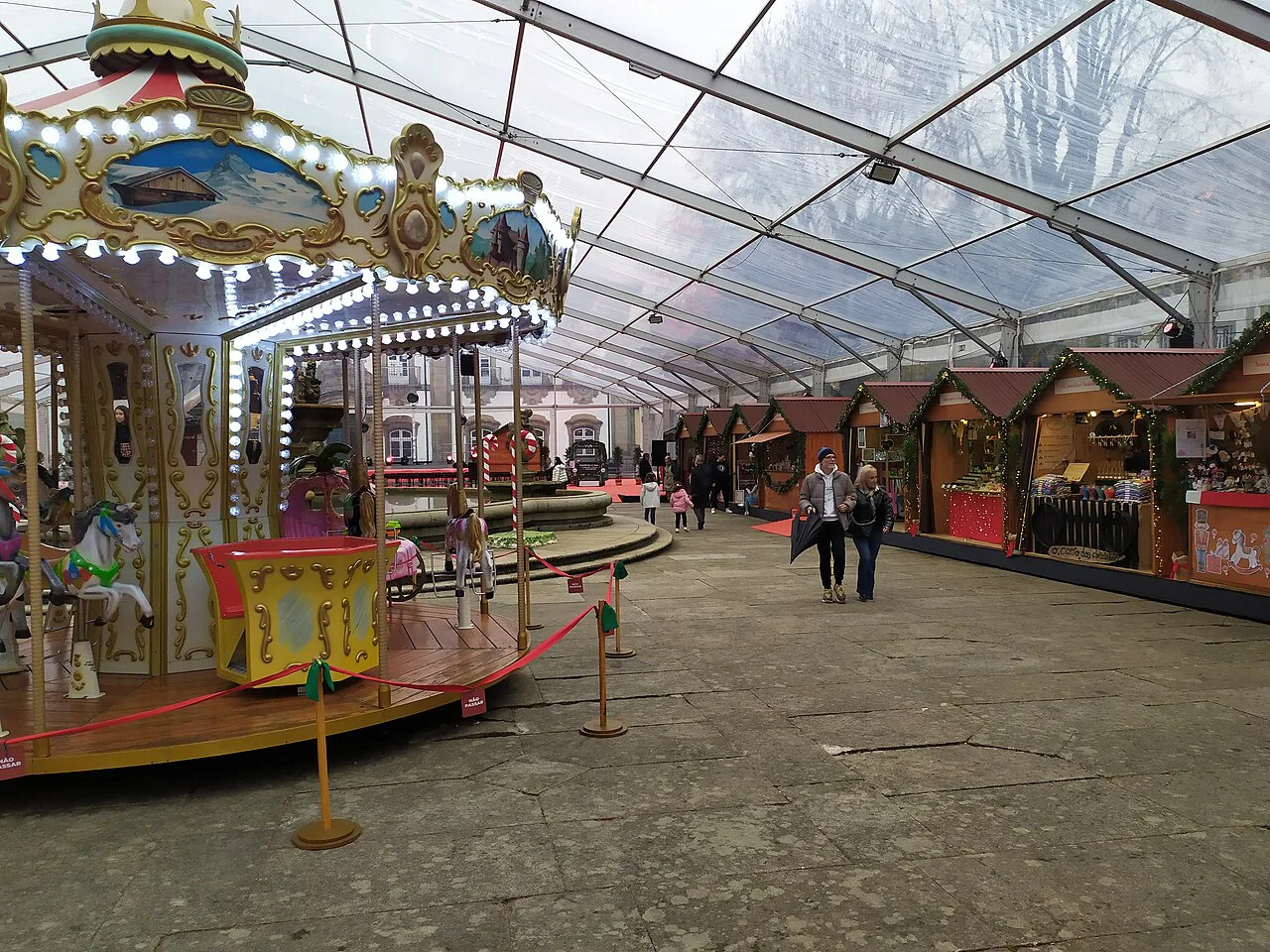
Thursday morning is the day to aim for. Braga hosts the largest market in the region then, with stalls selling everything from fresh produce to traditional ceramics. That scale is the reason to rearrange your week: it is a different event from the everyday covered hall.
Outside Thursday, the covered hall in the centre is the market stop; a short look at its architecture and surroundings makes a sensible pause on a walk. If ceramics and produce at scale are the priority, Thursday is the day to plan around; if you want calm, pair the hall with the churches and squares nearby.
What's sold
Fresh produce and traditional ceramics are the two categories the Thursday market is known for, a sensible pairing for travellers: edible souvenirs for the suitcase and ceramics that survive the flight home. Come with a rough idea of what you want rather than a shopping list, and leave space in your bag.
For a broader look at where to spend beyond the stalls, Braga shopping covers the centre's shops and streets. The market is the traditional end of that spectrum, so treat it as one stop rather than the whole afternoon.
The market hall itself
The Mercado Municipal is worth a detour for the building: its rehabilitation reworked both the hall and the space around it, which is why it reads as architecture as well as commerce. Walk the outside before you go in and you will see how the market sits in the street pattern of the centre.
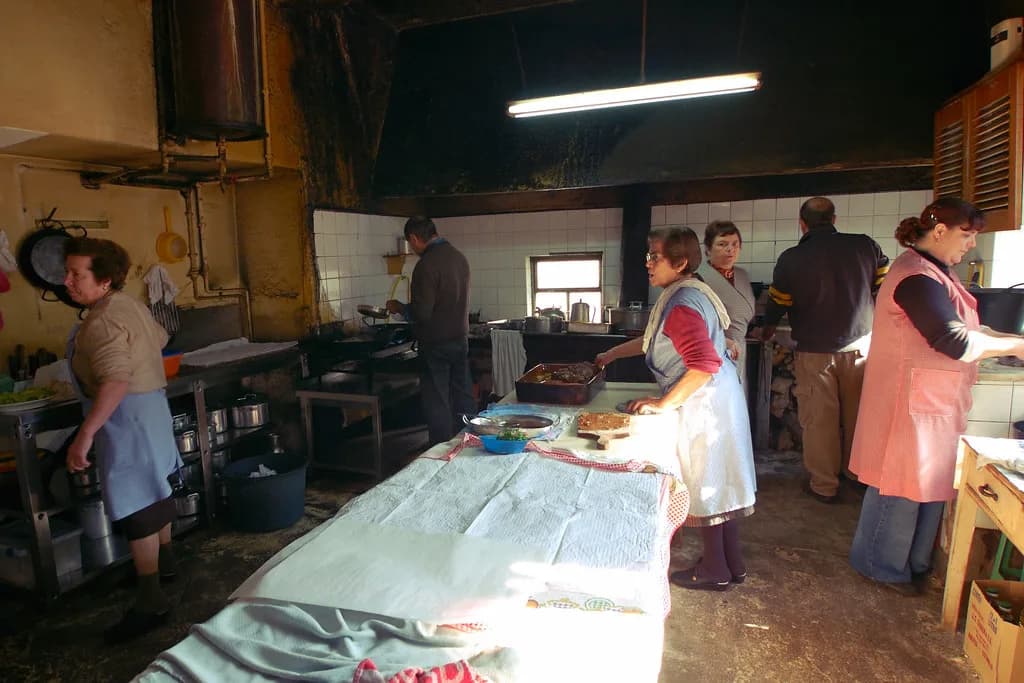
Inside, the pleasure is the ordinary: a working covered market where local trade continues rather than a staged attraction. Go for the atmosphere and the food stalls rather than interpretation panels.
Fitting the market into a walk around the centre
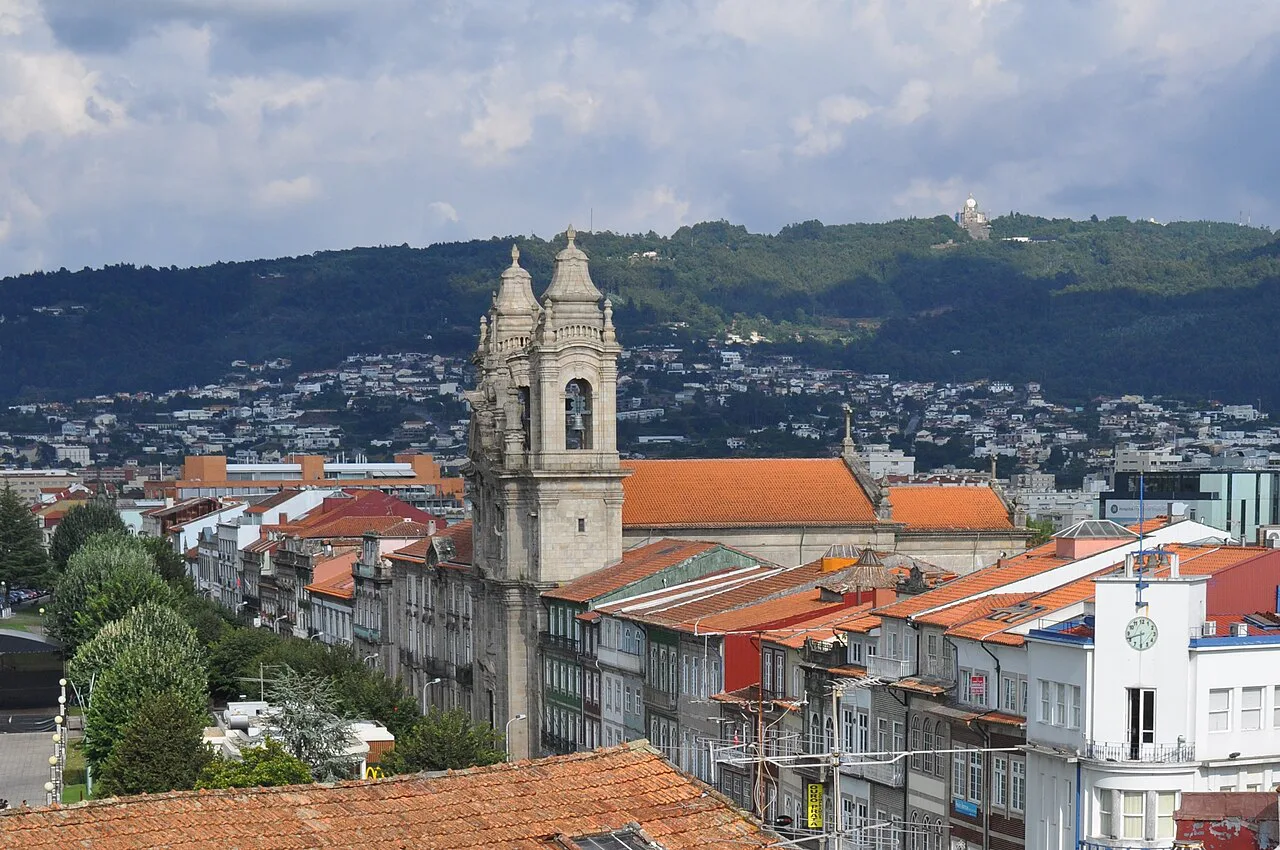
The market is a natural hinge for a half-day. Pair it with the Sé de Braga, the oldest cathedral in Portugal, where building began in 1070 and Gothic, Renaissance and baroque styles layer over each other; highlights include the Manueline towers and roof, the carved altarpiece and the twin baroque organs. The tombs of Dom Henrique and Dona Teresa, parents of the first King of Portugal, are in the Capela dos Reis.
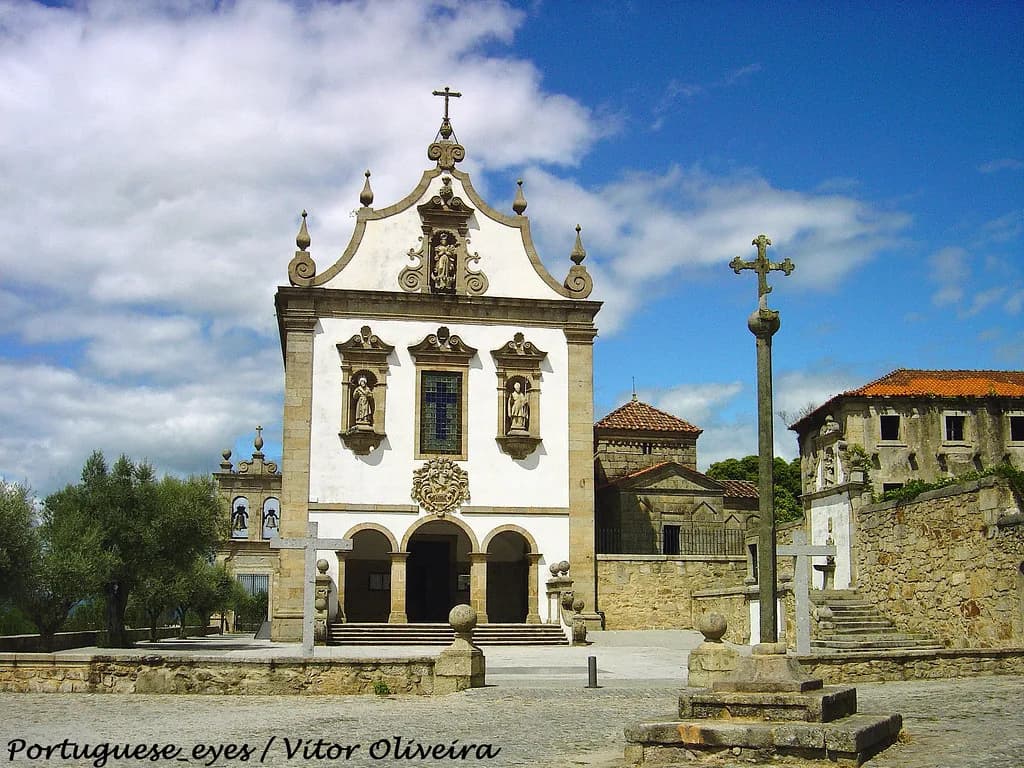
From there, the Igreja de Santa Cruz is a short walk: a 17th-century church with an intricate stone façade in a baroque mannerist style, gold carving on the organ and pulpits, and azulejo panels inside. Then unwind in the Jardim de Santa Bárbara, a 17th-century landscaped square near the former Archbishop's Palace with flowers, topiary and shade.
If you want the centre's layout explained as you go, a Braga walking tour can order these stops for you, and the old town page covers the streets and squares in more detail. Keep the market early in the day and the churches after it.
Roman Braga underlies all of this: the city began as Bracara Augusta, founded under Emperor Augustus, and later became the Roman capital of northern Iberia before Visigothic and Arab occupation. Braga history unpicks the sequence if the archaeology pulls you in.
Where to eat around the market
Braga's local cooking is plain and generous, and the district is known for codfish cooked in many different ways and for oven-roasted duck with rice. Those are the dishes to order in the centre after a market morning, in a tasca or a simple restaurant rather than anywhere formal. Menus shift with the day, so read what is on offer.
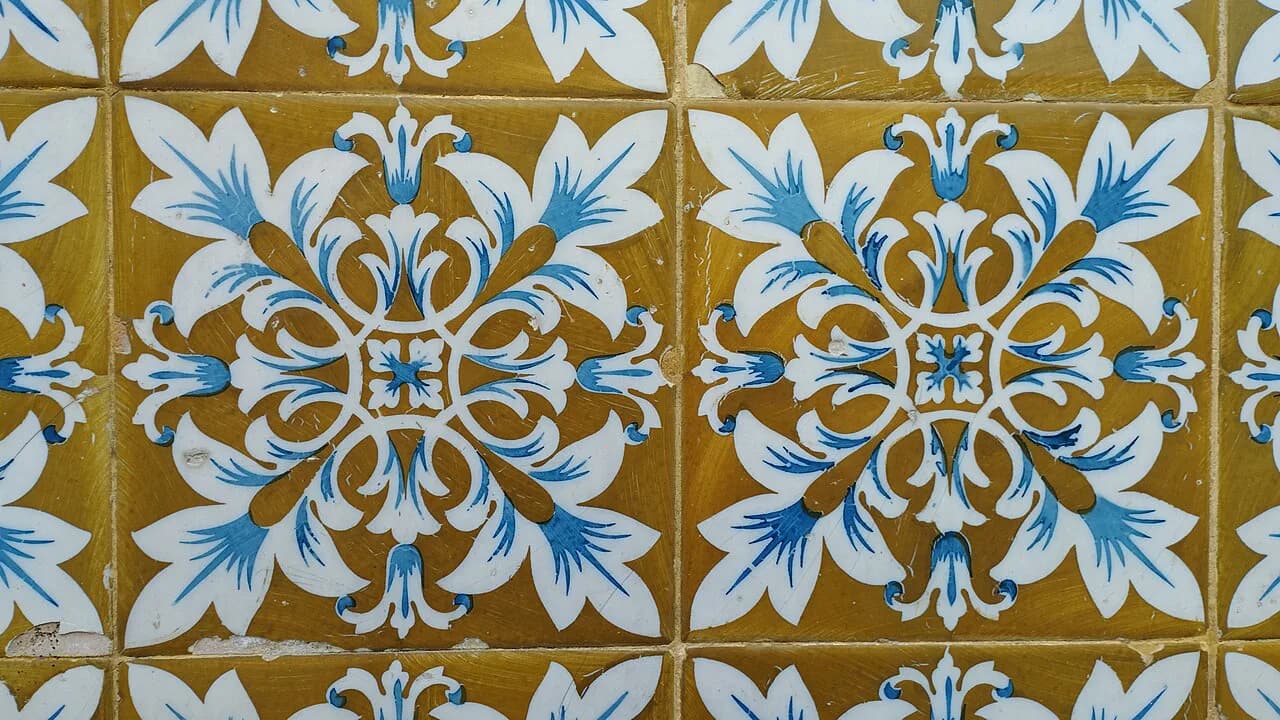
For a break between stalls and churches, the city's cafés and pastelarias fill the gap with coffee and a pastel de nata. Combine that with a look at Braga tiles in the churches and on the streets if azulejos are your interest.
The sanctuaries above the city
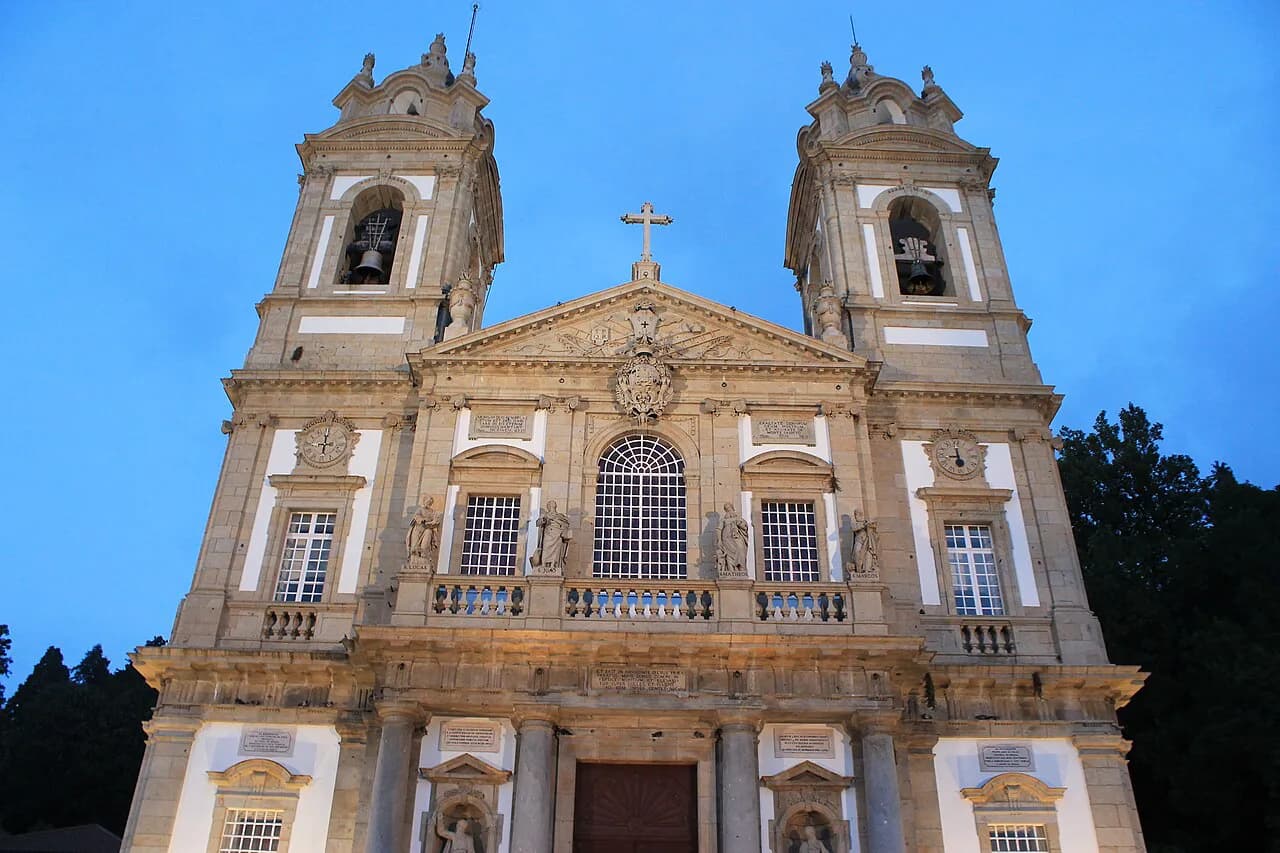
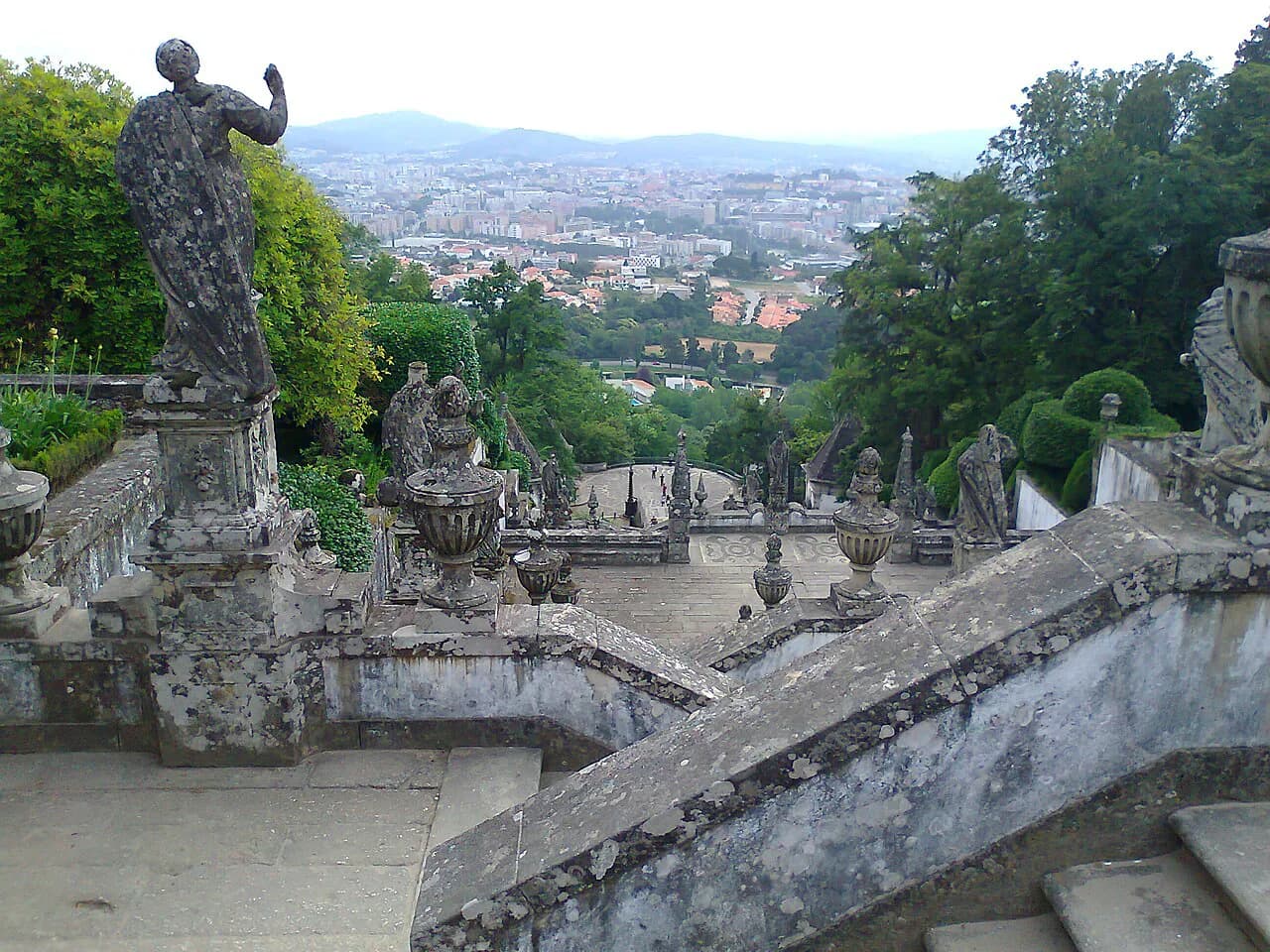
If the market leaves you the afternoon, look up. About five kilometres south-east of the centre stands the Santuário do Bom Jesus do Monte, an important pilgrimage site with a famous baroque stairway zigzagging up past fountains and statues to a neoclassical church designed by Carlos Amarante in the late 18th century. A funicular runs to the top.
Beyond it, Mount Sameiro has a colossal statue of the Virgin Mary overlooking the city. Further out, the Citânia de Briteiros preserves the ruins of a Celto-Iberian settlement with more than 150 round stone hut foundations, paved roads and water conduits, with two huts reconstructed on site. It is a half-day of its own, so choose between it and the sanctuaries.
A short drive also reaches the coast at Esposende, Ofir and Apúlia for a dose of Atlantic air. If cost matters, free things to do in Braga covers the no-ticket options, and the museums in Braga page helps when rain cancels the outdoor plan.
Should you plan your Braga break around Thursday?
Yes, if the market is the point of the trip. Thursday morning gives you the region's largest market, with produce and ceramics in one place, and it pairs cleanly with an afternoon at Bom Jesus do Monte. Any other day, the Mercado Municipal and the churches around it make a lighter half-day.
Build the rest of the break from the Braga Attractions guide, and check opening days and hours for the Sé and the sanctuaries before you fix your dates. The municipal hall's own trading days are worth confirming with the city before you travel, since a Thursday plan carries the whole day.
Explore more Braga guides
Frequently Asked Questions
What is Braga, Portugal known for?
Braga is one of Portugal's main religious centres, with baroque churches, 18th-century houses and green parks, plus the sanctuaries of Bom Jesus do Monte and Sameiro on the hills above the city. Its market tradition, especially the Thursday market, is part of the same everyday city life.
Is Braga older than Porto?
Braga's Roman layer, Bracara Augusta, was founded under Emperor Augustus, and the city later became the Roman capital of northern Iberia. Its cathedral is described as the oldest in Portugal, begun in 1070. Whether that makes the city older than Porto is a different question from which is the better short break.
Which is better, Porto or Braga?
They do different jobs. Porto is the bigger city with the river and the port lodges; Braga is a compact religious and university city where a market morning, a cathedral and a hill sanctuary fit into one or two days. For a short break focused on churches, markets and walking, Braga is the calmer choice.
Can you visit the Braga market hall on any day?
The Thursday market is the event with a published day, running in the morning and drawing the region's largest turnout. The covered Mercado Municipal is the standing city-centre hall, and its trading days are best confirmed with the city or the hall before you build a day around it.
Sources
Notes for your next Portuguese break
Optional updates to our town guides.
You might also like
Continue reading
More guides you'll find useful