Braga Old Town: What to See and How to Walk It
A walking guide to Braga's old town: the cathedral quarter, Praça da República, Roman remains and the lanes between, plus how long the centre needs.
On this page
Braga's old town is a half-day on foot for most visitors, and the walkable core sits in the lower city beneath the pilgrimage hills to the east. Give it three to four hours if you want the cathedral, a square or two and a Roman site, or a full day if you add a museum and a long lunch. This guide covers what the historic centre actually contains, the order to walk it in, and the trade-off between the centre and Bom Jesus do Monte.
The city lies about 55 kilometres north-east of Porto in the Minho, with Guimarães to the south-east and Barcelos to the west, so it slots easily into a northern Portugal trip. Roman Bracara Augusta was founded under Augustus around 16–15 BC and grew into an administrative centre for north-western Iberia, which is why archaeology turns up under the modern streets.
What the old town covers and where it sits
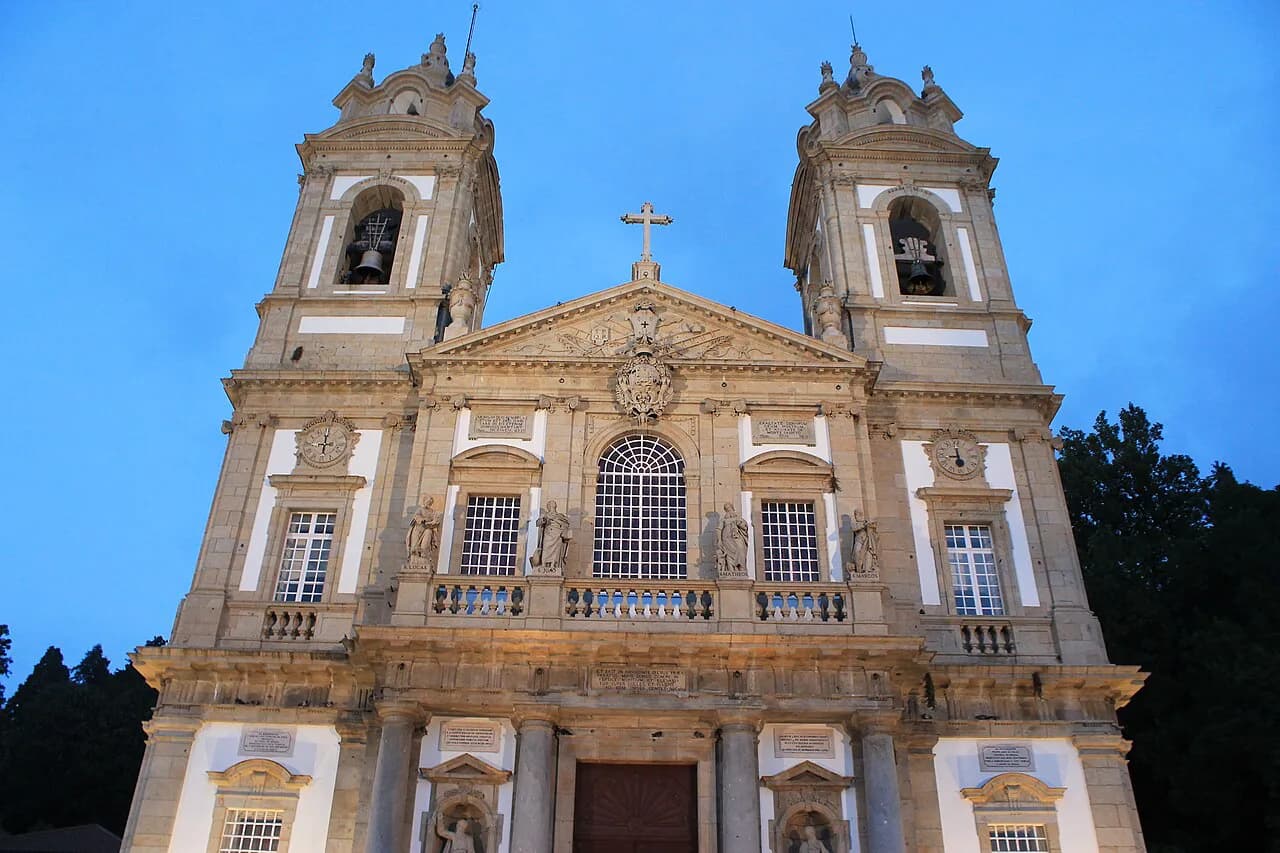
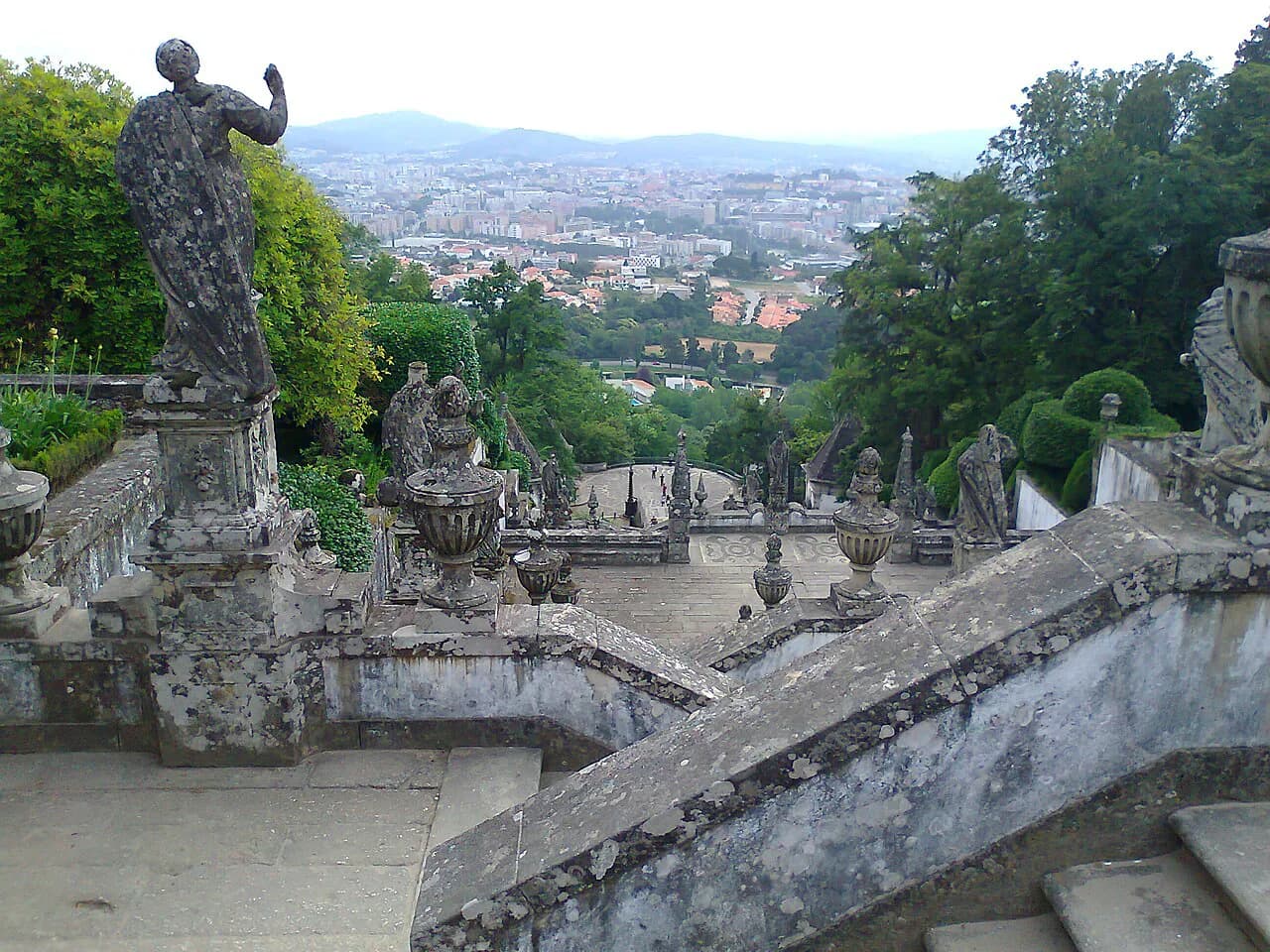
The historic centre spreads across the flat lower city, with the cathedral and its lanes at its heart and the main social stretch around Praça da República and Avenida Central. The best-known religious landmarks climb the hills to the east instead: Bom Jesus do Monte on Mount Espinho and the Sameiro Sanctuary nearby. Treat those as a separate outing rather than an extension of the old-town walk, because the geography makes the centre and the sanctuaries two different trips.
Within the centre, four layers sit almost on top of each other: Roman remains, the medieval cathedral quarter, the arcaded commercial streets, and the Baroque set pieces built by later archbishops. That density is what makes Braga rewarding on foot and frustrating if you try to see everything in an afternoon. Pick two layers per visit and the city stays enjoyable.
Start with orientation at Praça da República and Avenida Central
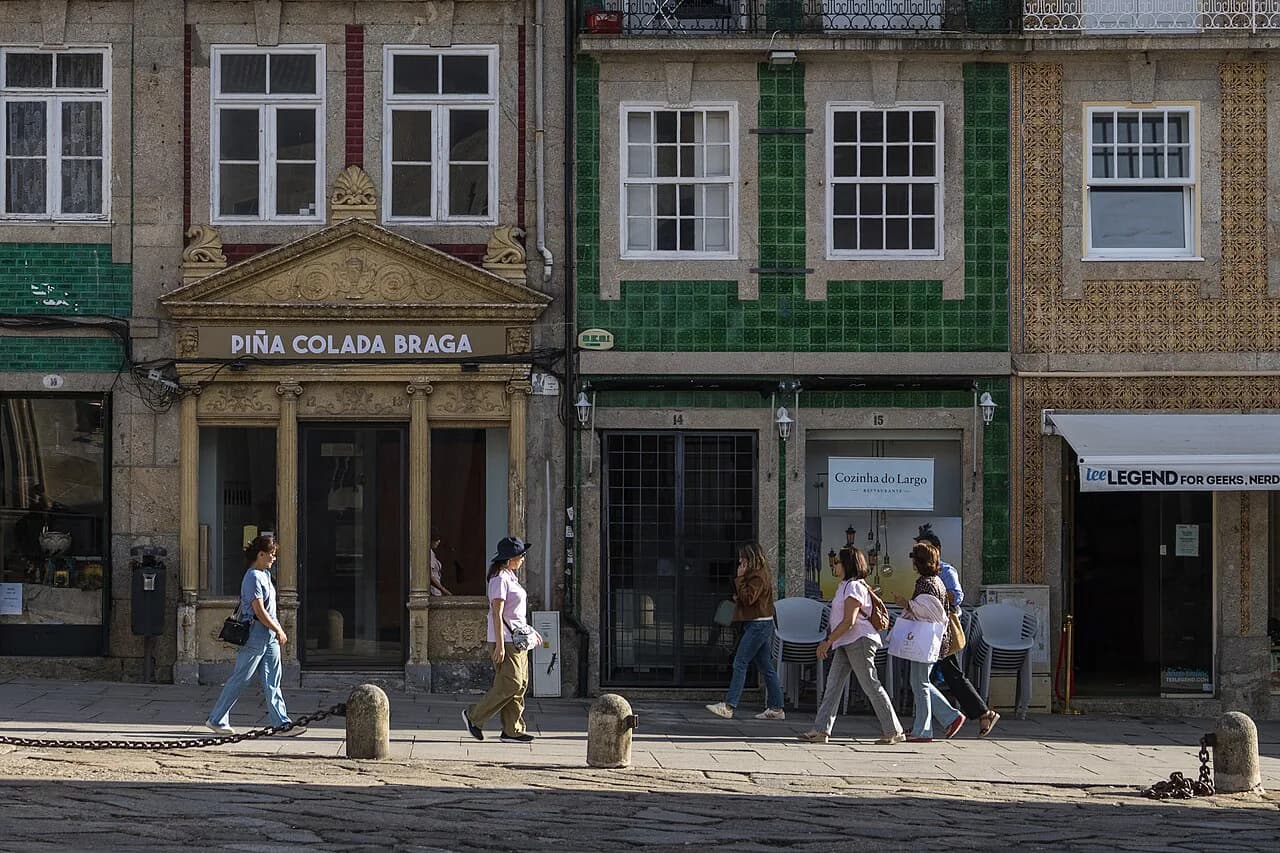
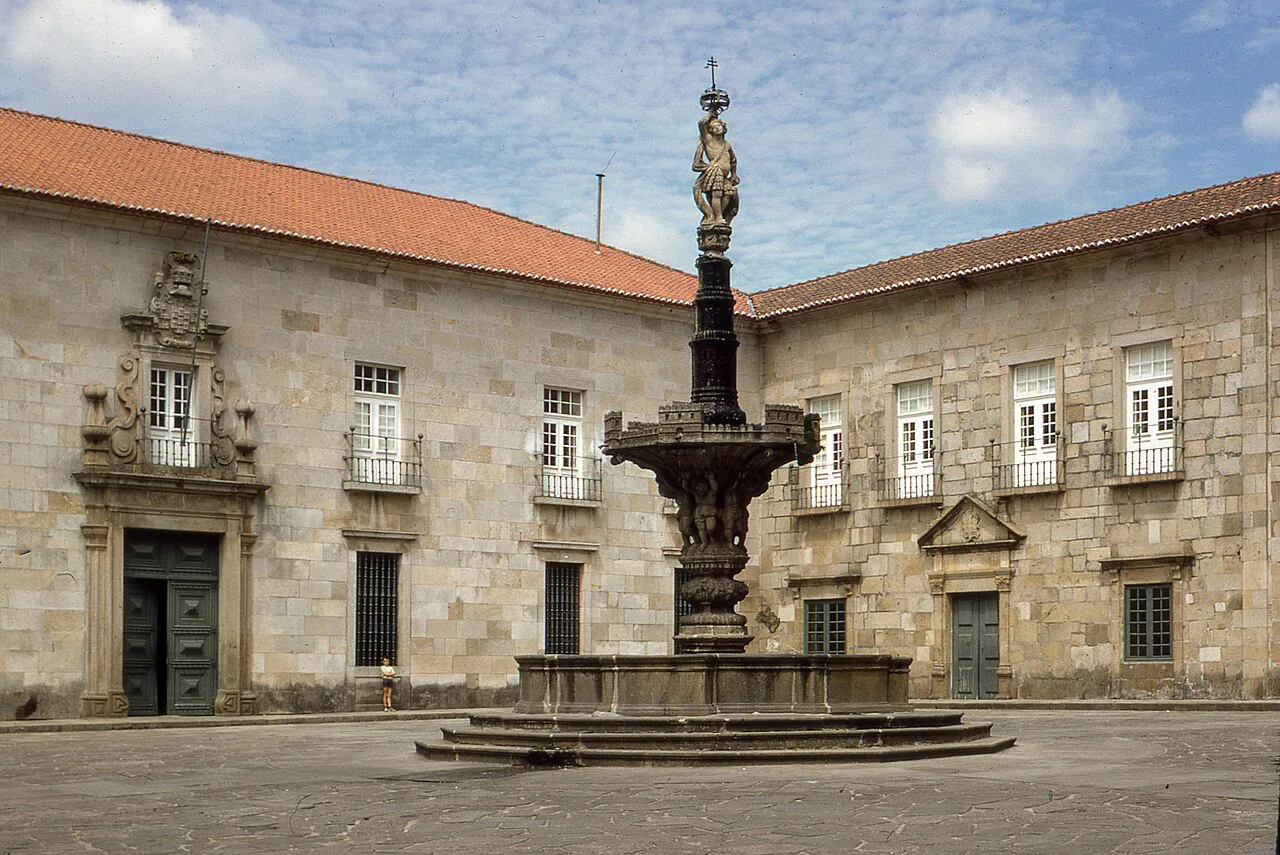
Begin at Praça da República, the square at the middle of the historic centre, where the surrounding architecture gives you an immediate read on the city's character. Arcades, cafés, gardens and fountains along the adjoining Avenida Central make this Braga's principal orientation and social area, and it is the easiest place to fix your bearings before heading into the lanes.
Use the avenue as a spine rather than a sight: walk its length once to see where the side streets open off it, then commit to the cathedral quarter. This is also the natural place to break the day, since the cafés line the pedestrian stretch.
The cathedral quarter: Braga Cathedral and its lanes
Braga Cathedral, the Sé, predates the Portuguese kingdom and anchors the city's ecclesiastical identity, with a treasury and a knot of medieval lanes and former gates around it. The cathedral, the treasury and the surrounding streets form the historic and religious core, so allow the largest share of your morning here rather than treating it as a photo stop.
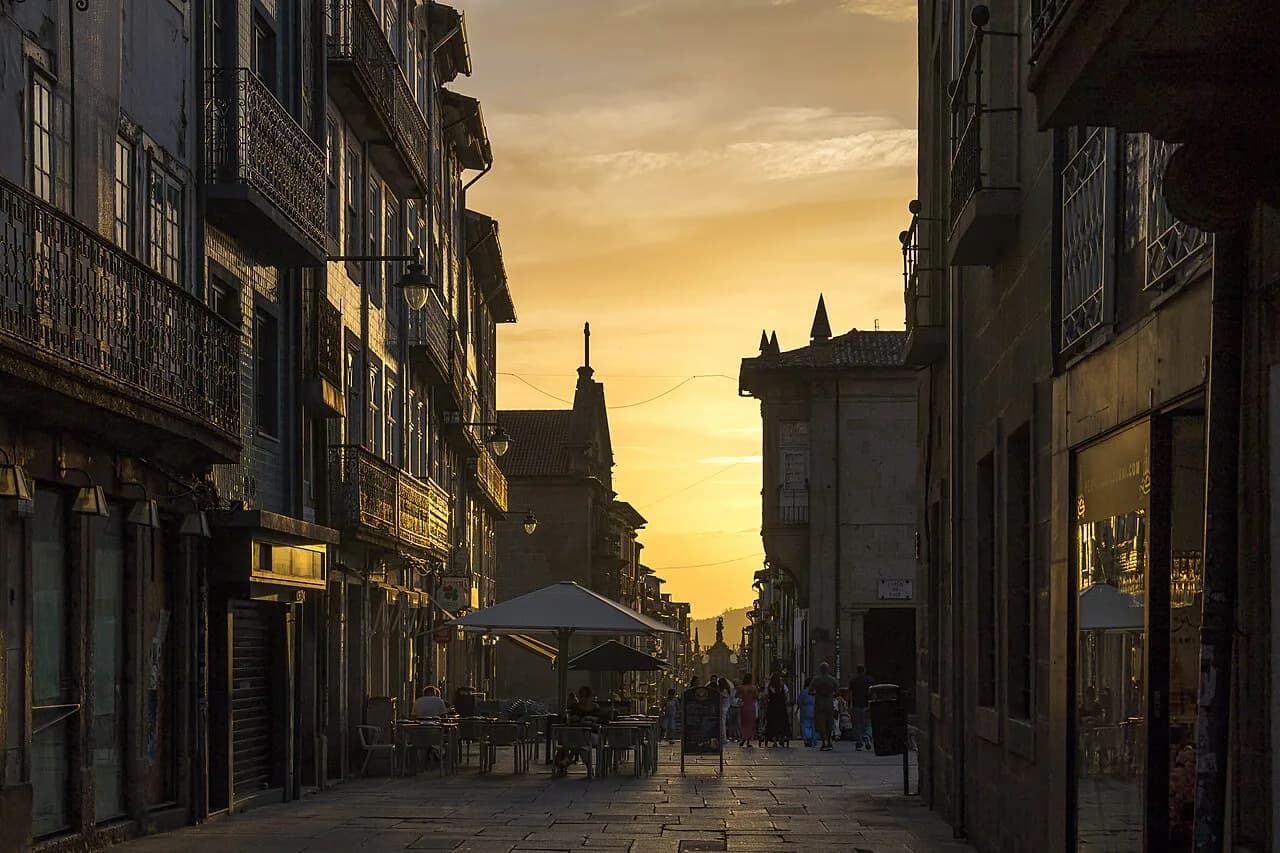
The lanes repay slow walking: this is where the medieval street pattern survives, and where you see how the ecclesiastical city was built up over centuries by successive archbishops. If you want more church interiors than the cathedral alone, the city has plenty more to work through, and a Braga Walking Tour is an easy way to cover the lanes with context.
Opening times and any entry charges for the cathedral and treasury are not fixed for the visitor in advance, so confirm the day's arrangements at the door or through the cathedral's own notices before you build your morning around it.
Santa Bárbara and the Archiepiscopal Palace
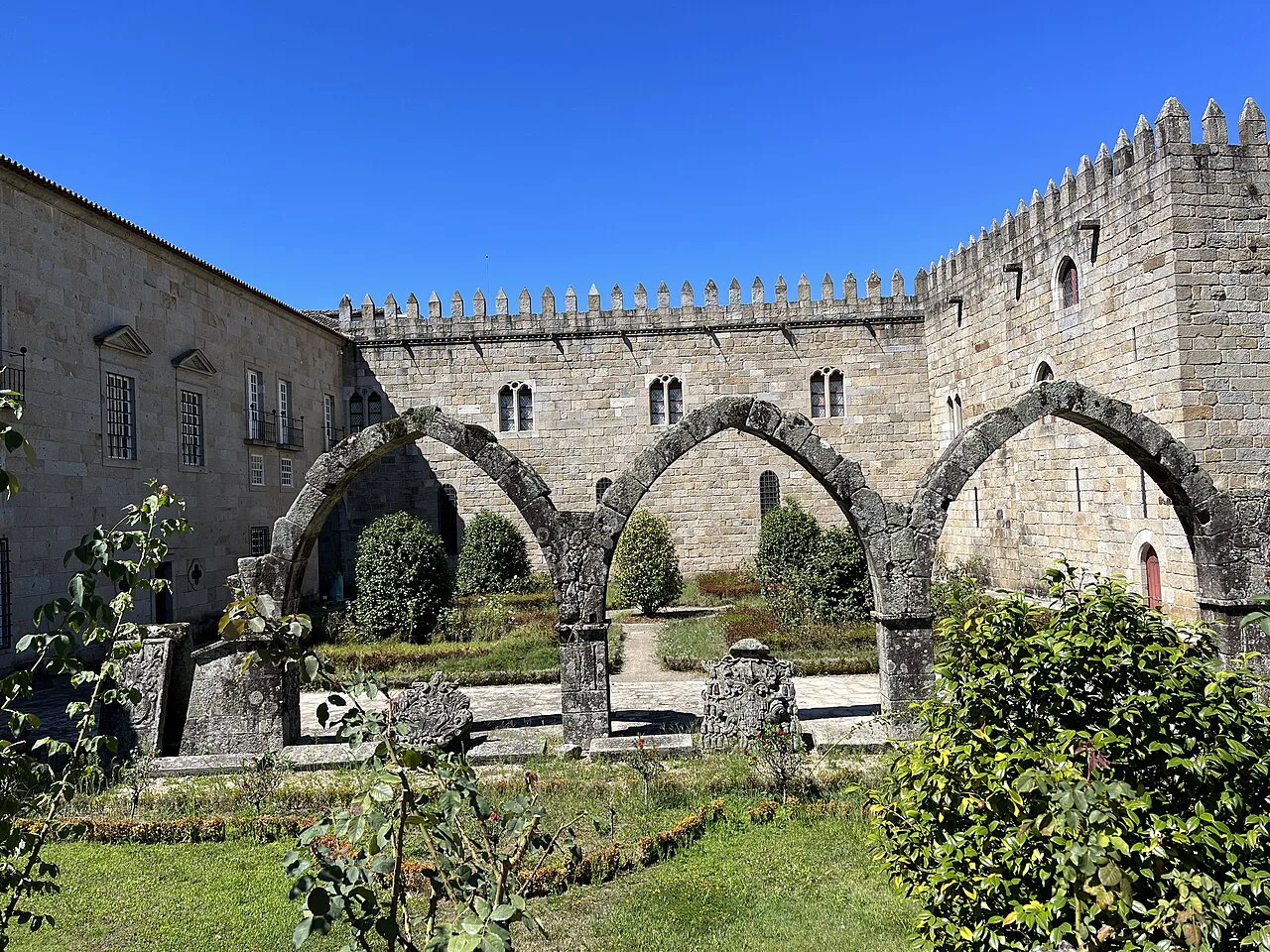
The formal garden, the medieval palace façades and the surrounding historic streets around Santa Bárbara and the Archiepiscopal Palace give Braga one of its most recognisable urban views. It is a short add-on to the cathedral quarter rather than a destination in itself, and it works best as a pause between the dense church interiors and the commercial streets.
Roman Braga beneath the modern streets
Roman Bracara Augusta left baths, theatre remains and an archaeology museum that sit under and among the modern streets, which is the layer most visitors miss. The archaeology museum is the place to make sense of what you are seeing in the ground elsewhere, so pair the two rather than visiting either in isolation, and read up on Bracara Augusta before you go.
Roman Braga is spread out rather than concentrated in one excavated block, so expect to move between sites rather than stand in a single ruin field. If your time is short, the museum gives the clearest overview in one stop.
A suggested half-day walking route
Walk it in this order: Praça da República and Avenida Central for orientation, then the cathedral quarter with the Sé and its lanes, then Santa Bárbara and the Archiepiscopal Palace garden, then the Roman sights, finishing back on the avenue. Sequencing orientation first means you spend the morning's best energy on the cathedral rather than arriving there already tired. The whole circuit stays within the lower historic centre and involves no hills.
Half a day covers the route at a brisk pace; a full day lets you add a museum, a proper lunch and a second pass through the lanes in softer light. If you only have one day in Braga, do the centre in the morning and keep the afternoon free for the eastern hills.
How long to give the centre, and what pulls you east
The old town is a half-day to a day; Bom Jesus do Monte and Sameiro are a separate half-day on the hills east of the city. Trying to combine both on foot in one go is the common mistake, because the sanctuaries sit above the centre on Mount Espinho rather than around the corner. Decide which matters more and build the day around it.
If you have two or three nights in the city, split them: one day for the historic centre and museums, another for the sanctuaries and the eastern hills. If you are passing through from Porto, the centre alone is the sensible choice, and the hills wait for next time.
Where to eat and shop around the old town lanes
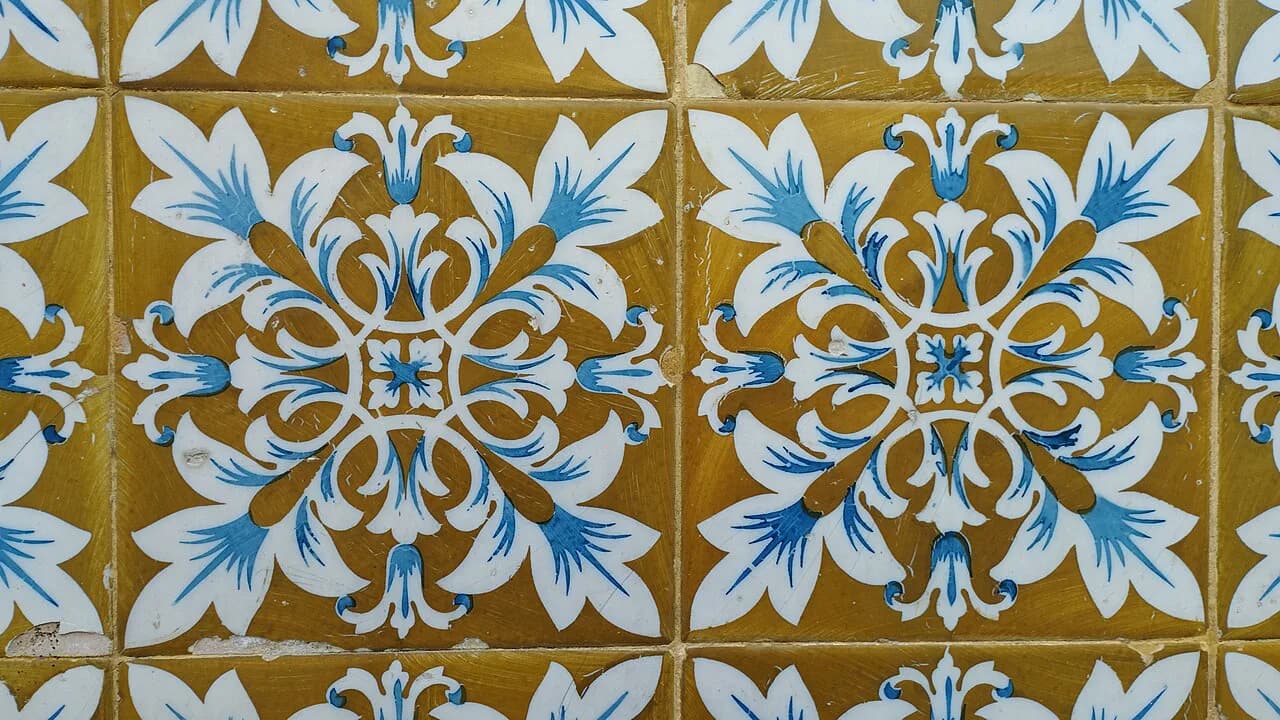
The arcaded stretch around Avenida Central and the lanes off the cathedral quarter are where you eat and browse between sights, and the central streets carry the shops worth a look. Braga tiles and the city's church interiors reward anyone with an interest in azulejos, so plan a little browsing time rather than sprinting between monuments.
A municipal market is the other reliable stop for local food and everyday life. Check the day's opening before you set out, since market days and hours vary through the week and are best confirmed locally on the day.
Should you stay in the centre or head for the hills?
Do the old town first and on foot: Praça da República, the cathedral quarter, the Archiepiscopal Palace garden and the Roman sights make a coherent, flat half-day with no transport needed. Keep Bom Jesus do Monte and Sameiro for a separate outing so neither half of the city is rushed.
One practical check before you go: opening days and any charges for the cathedral and museums are set locally, so confirm them on the day you plan to visit rather than assuming a fixed schedule.
Explore more Braga guides
Frequently Asked Questions
What is Braga known for?
Braga is known for its religious heritage, Roman archaeology, Baroque architecture and gardens, with the cathedral quarter and the hilltop sanctuaries of Bom Jesus do Monte and Sameiro as its signature sights. It is also an easy base for exploring the Minho region.
How far is Braga from Porto?
Braga lies roughly 55 kilometres north-east of Porto, which makes it one of the most straightforward northern-Portugal cities to reach from the coast. Porto remains the main large-city gateway for most international visitors heading to Braga.
Can you walk Braga's old town in a day?
Yes. The lower historic centre is compact and flat, and the cathedral quarter, Praça da República, Avenida Central, Santa Bárbara and the Roman sites fit into a half-day at a brisk pace or a full day with a museum and a leisurely lunch.
Sources
Notes for your next Portuguese break
Optional updates to our town guides.
You might also like
Continue reading
More guides you'll find useful