
Museu de Aveiro / Santa Joana: A Visitor's Guide to the Old Convent

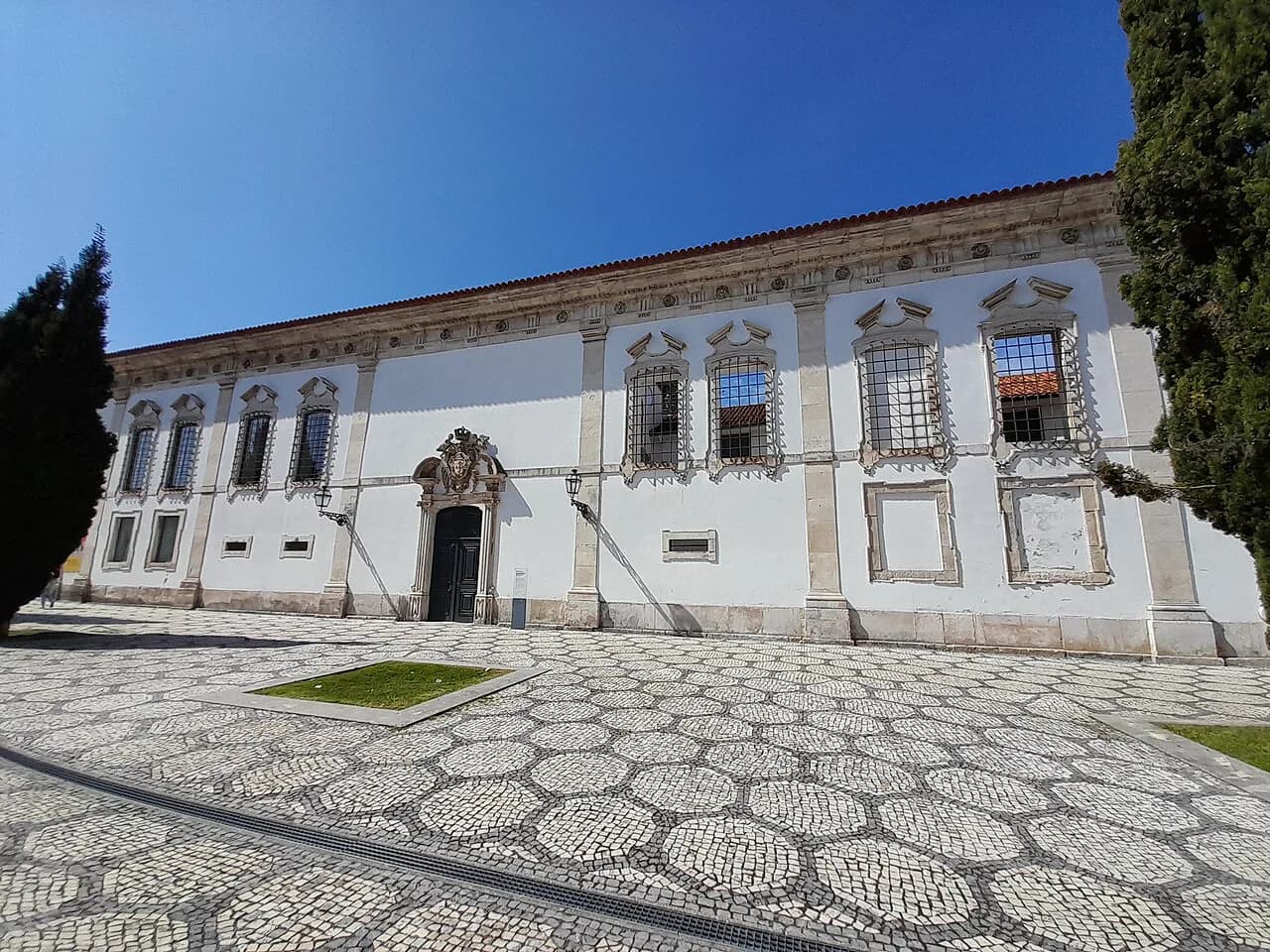
The Museu de Aveiro / Santa Joana is a museum inside a living piece of Aveiro's history: the old Convento de Jesus, a Dominican convent founded in 1461 and converted to museum use in 1911. Allow roughly an hour to ninety minutes for a calm visit, and pair it with a walk through the centre rather than treating it as a whole afternoon. This guide covers where the museum sits, the story of Princess Joana that shapes its identity, how to pace the rooms, and what is close enough to combine with it.
What the museum is
The museum is installed in the former Convento de Jesus, a Dominican convent for women. It was founded in 1461 and is among the oldest convents in Aveiro. Since 1911 the building has housed the museum, so the visit mixes convent architecture with a municipal collection rather than presenting a purpose-built gallery.
The two names cause confusion: the Museu de Aveiro and the Museu de Santa Joana refer to the same place, and the Câmara Municipal de Aveiro lists it as Museu Santa Joana. If you are checking details before travelling, use both names when searching, because signage, maps and listings vary.

Where it is in Aveiro and how to reach it
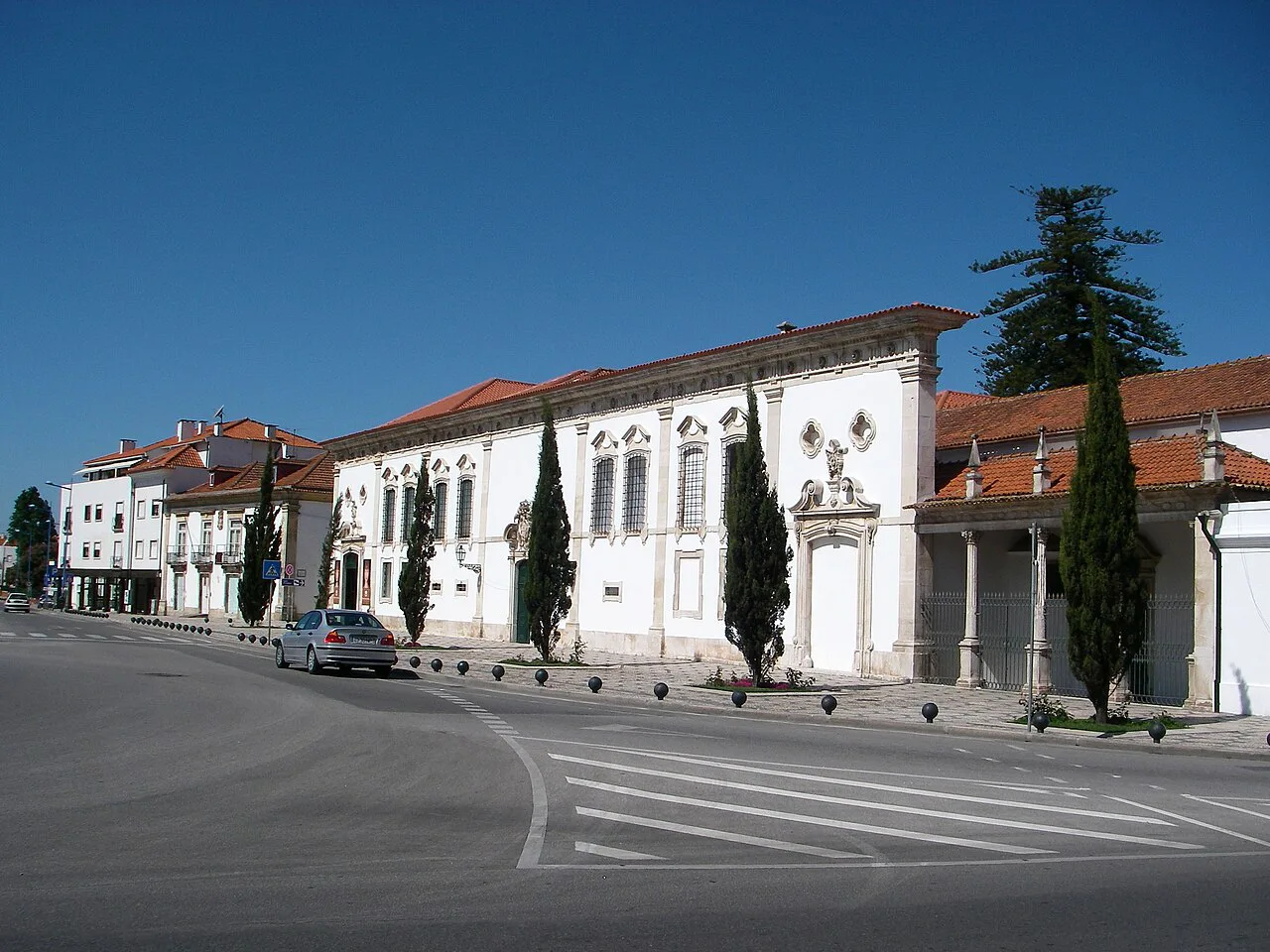
The museum sits in the historic centre of Aveiro, within easy walking reach of the canals and squares that make up the old town. Aveiro is compact, and the centre's grid of streets is best covered on foot, so the convent slots naturally into a walking day rather than a separate trip.
Walking is the sensible way to arrive. If you are coming from further out, ask your accommodation or the municipal tourist information point for the current bus routes, since these change; the museum's own contact page is the reliable place to confirm access details before setting out.

The story that shapes the collection
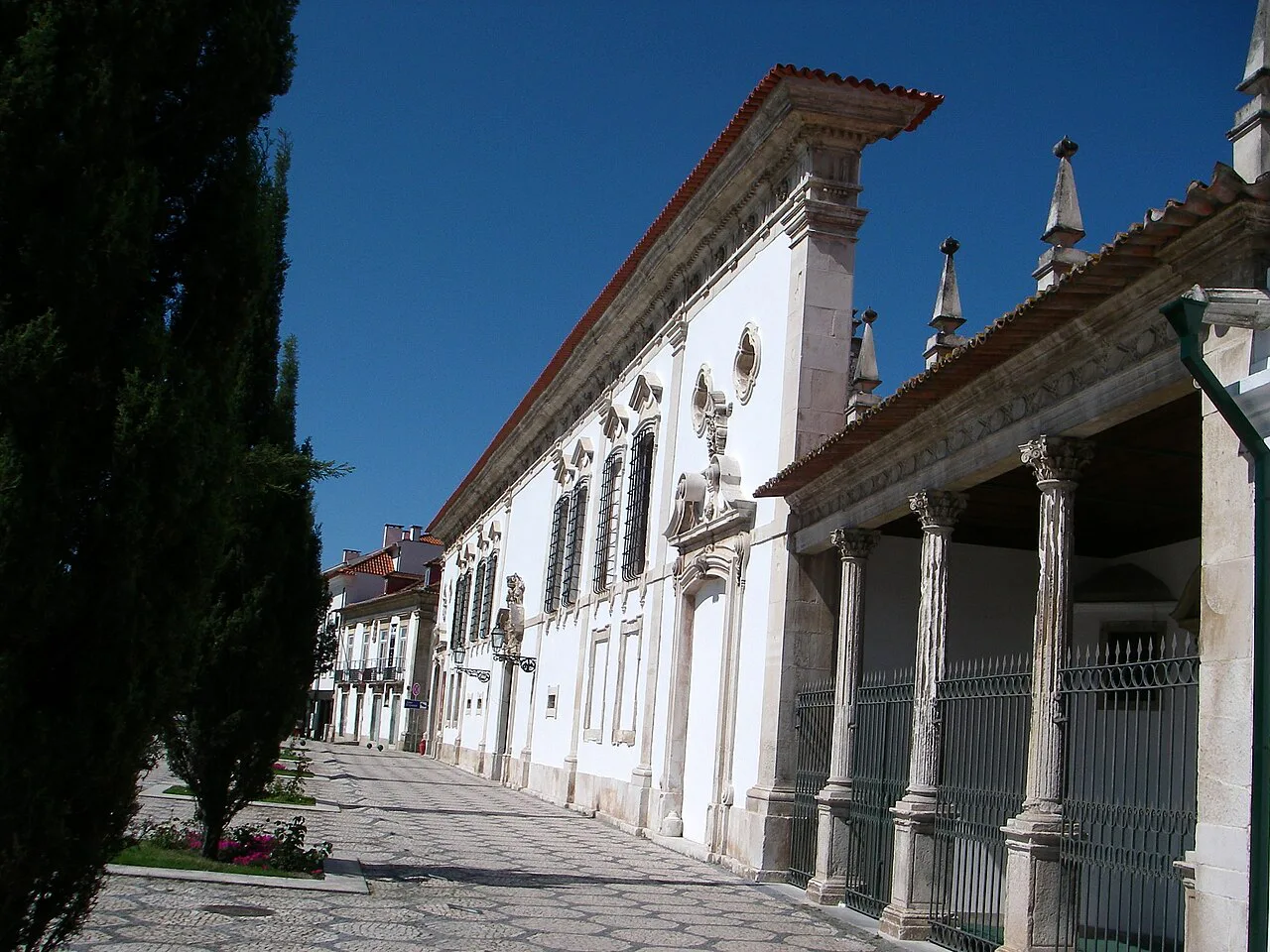
Princess Joana, daughter of King Afonso V, arrived at the convent in 1472 and lived there in a manner that led to her beatification in 1693. That connection turned the convent into a site of religious cult and gave the museum its identity. Knowing this before you walk in makes the religious objects and the emphasis on her life far easier to read.
Santa Joana is Aveiro's patron saint, and the museum's visual identity draws on her story, including the motif of the three crowns she refused during her life. In 2024 the museum presented a new image built around that motif at an event in the Claustro Antigo, the old cloister. Look for the crowns as a thread rather than a single exhibit.
The Claustro Antigo and the convent rooms
The Claustro Antigo is the architectural heart of a visit. It is the space the museum itself uses for presentations, which tells you something about its scale and character: a quiet, enclosed courtyard rather than a grand ceremonial hall. Sit with it for a few minutes before moving into the galleries.
What survives is convent fabric adapted for museum display, so expect rooms shaped by the original building rather than neutral white cubes. The 1911 conversion means the collection and the architecture are layered together; read the room labels as you go, because they carry the chronology the building itself cannot.
How much time to allow
An hour to ninety minutes covers the convent rooms and the Claustro Antigo without rushing, and that is the right allowance for most short-break travellers. If religious art and convent architecture are your main interest, give it two hours and treat it as the anchor of a morning. If you are squeezing it between other sights, forty-five minutes gets you the cloister and the core of the Santa Joana material.
The museum rewards context more than volume. Reading the princess story before you arrive is worth more than speeding through every case, and it means you can leave when you have seen the parts that matter to you rather than feeling obliged to finish the building.
Tickets and opening hours: confirm before you travel
The museum's official pages are the place to confirm opening days, ticket prices and any reduced rates, because these change and are not reproduced here. Check the Câmara Municipal de Aveiro's museum page before you set out, and note that Portuguese museums and monuments often close one day a week.
If you want to ask about access before travelling, use the Câmara Municipal de Aveiro's own museum page rather than third-party listings, which lag behind changes.
What is nearby
Aveiro's other municipal museums make a natural pairing. The Museu Arte Nova, which covers the city's Art Nouveau heritage, is a short walk away and suits the same half-day; the Museu da Cidade and the Ecomuseu da Marinha da Troncalhada are also run by the same museums service, so a single check of opening days covers all of them.
For a change of pace, the Jardim do Rossio and the Parque Infante D. Pedro give you open ground and water within walking distance of the centre, and both work well as a decompression stop after a museum. The Casa de Santa Zita is another small religious site in the same central cluster, useful if the convent architecture has caught your interest.
Who this museum suits and who might skip it
This is a good pick if you like convent architecture, religious art or local history told through one person's life. The Santa Joana story gives the collection a spine that many municipal museums lack, and the Claustro Antigo is the kind of space worth seeking out in its own right.
Skip it if your short break is built around the canals, the boat rides and the Art Nouveau streets, and you have only a day. And if you are travelling with children expecting hands-on displays, this is a quieter, more traditional museum; the nearby parks are the better bet for burning energy.
Should the convent make your Aveiro shortlist?
Yes, if you have a morning to spare and want one place that explains Aveiro's religious history through a single, well-documented life. Go early, read up on Princess Joana beforehand, and give the Claustro Antigo the time it deserves rather than treating it as a corridor.
Check the official museum pages for opening days and ticket prices before you travel, then build the rest of the day around the centre on foot. For more on the city's museums and monuments, see our Aveiro Attractions: 8 Visitor Guides.