
Praça do Peixe: Aveiro's Fish Market Square
Praça do Peixe is worth about fifteen minutes of your day, not half of it. The draw is the iron-and-glass market hall at its centre, Mercado José Estevão, which sits inside an open square addressed as Largo da Praça do Peixe, 1. This guide separates the square from the hall, places it on an Aveiro walking route, and explains what to look at and what to skip.
Treat it as an architectural pause rather than a shopping trip. Aveiro has a larger covered retail market, Mercado Manuel Firmino, if you want stalls and provisions, and the fish market square works best as a five-minute detour on the way between the canals and the museum quarter. Our guide to Aveiro Attractions: 8 Visitor Guides maps the other stops on that route.
The square and the market hall are two different things
Visitors use Praça do Peixe and Mercado do Peixe almost interchangeably, and that causes most of the confusion. The Praça is the open public space; the Mercado is the covered building standing within it, also known as Mercado José Estevão. Knowing which is which tells you what to expect when you arrive.
The square carries the address Largo da Praça do Peixe, 1, in the 3800 postal area of Aveiro. Use that as a location reference for finding the square rather than as a verified address for the hall itself, which has no separately published entrance address.

Where it is in Aveiro
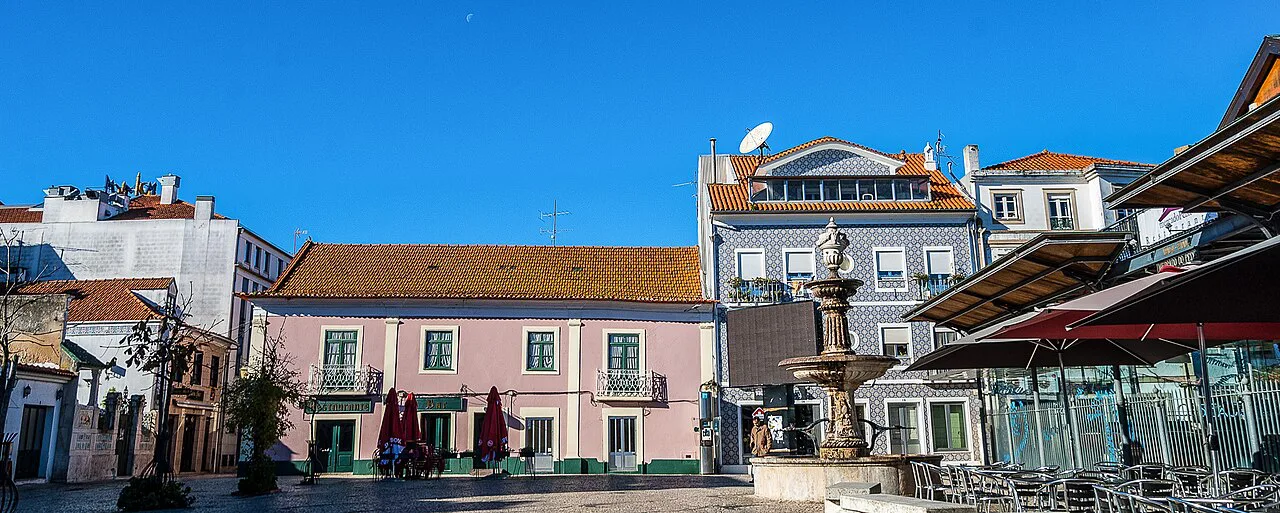
The square sits on the city-centre side of Aveiro's canal network, within easy walking distance of the main shopping streets and the waterfront. It fits naturally into a loop that starts at the canals, cuts inland through the centre, and finishes at the park and museum quarter. Our guide to Aveiro Attractions maps the other stops on that route.
Arriving on foot is the sensible approach, because the centre is compact and the surrounding streets are one-way and tight. Aim for the square rather than a specific door: you will see the hall from the surrounding lanes. If you are coming from the canalfront, walk inland until the streets open out, and you are there.
The market building: iron and glass
Mercado José Estevão is a rare Portuguese example of iron architecture, and the fabric of the building is the reason to stop. The exposed metal frame and glazed roof give the interior a light, industrial character quite unlike the stone-and-azulejo churches and civic buildings elsewhere in Aveiro.
Look up and along the frame rather than only at the stalls. The structural rhythm of the hall is what a short visit rewards: the span, the roof glazing and the way the metalwork sits inside an open square. If you have seen iron halls in other Portuguese cities, this one is on a modest, local scale.
What to look at while you are there
Give the hall ten minutes and the square another five. Inside, read the building before the produce: the metal columns, the roof structure and the daylight coming through the glass. Outside, step back to the edge of the Largo so you can see how the hall sits within the square rather than filling it.
Then look at the surrounding streetscape, which is where Aveiro's everyday centre shows through. The lanes around the square carry shops and cafés rather than monuments, and a slow circuit of two or three blocks gives you a feel for the neighbourhood. This is a place to look, not to tick off a list.
How long to allow and when to slot it in
Budget fifteen to twenty minutes in total, and treat anything longer as a bonus if the hall happens to be busy. It is not a museum with rooms to work through, and there is no reason to build a morning around it. Short stops like this keep a one- to three-day Aveiro itinerary moving.
The best slot is mid-morning or late afternoon, when you are already crossing the centre between the canals and the parks. Pair it with a canal-side walk and the museum quarter rather than making a separate trip. If you are planning a fuller day, our guide to things to do in Aveiro sets out the wider shape of the city.
Eating and drinking around the square
The square is a natural place to pause, and the surrounding lanes hold the cafés and tascas you would expect in a Portuguese city centre. What the setting adds is the view: a table at the edge of the Largo puts the iron hall in front of you while you have a coffee or a beer.
Choose on what you can see rather than on reputation. Menus are displayed outside most places, and a short walk around the square will show you the options and the price range before you commit. This guide does not recommend a specific venue on the square, because the choice depends on what is open and busy on the day you visit.
Trading days and hours
The square itself is public space and always walkable, so you can see the hall from outside whenever you pass. Whether the market inside is trading on a given day is not published in any source consulted here, so arriving to browse stalls is a gamble. Go for the architecture first and treat produce as a bonus.
To confirm trading days and opening hours before you set out, check the Câmara Municipal de Aveiro's pages or ask at Mercado Manuel Firmino, where staff will know the local pattern. Do not assume a Sunday opening. Portuguese markets commonly keep their own rhythm, and this one has no published timetable in the sources used for this guide.
There are no tickets for the square, and no source gives an entrance price for the hall, so do not budget for one. If a charge is introduced, it will be posted at the entrance.
Nearby: park and museum as add-ons
Parque Infante D. Pedro is the obvious green add-on, a city park within walking distance of the centre, and a good place to end a walk that started at the square. Our guide to Parque Infante D. Pedro covers what is inside and how to approach it.
The Museu de Aveiro / Santa Joana is the other strong pairing, housed in the former convent and worth a proper hour or more. It gives a different register from the iron market: azulejos, religious art and the story of Santa Joana. Check its opening days on the museum's own page before you build a day around it.
Mercado Manuel Firmino: the fuller market
If you want a working covered market rather than a short architectural look, head to Mercado Manuel Firmino. It is the city's retail market, installed in its own covered building, and it is where a proper browse and a shop make more sense. Praça do Peixe is not a substitute for it.
The two stops work well on the same day: the fish market square for the iron hall and a coffee, Mercado Manuel Firmino for provisions and a look at how the city shops. Keep the order flexible depending on which is open when you pass.

Is Praça do Peixe worth the detour?
Yes, if you are already crossing central Aveiro — and no as a destination in its own right. The iron hall of Mercado José Estevão is a fifteen-minute architectural stop, and the square is a pleasant place for a coffee with the building in view. Build it into a walk between the canals, the park and the Museu de Aveiro rather than making a special trip.
Explore more Aveiro guides
Frequently Asked Questions
Is Praça do Peixe the same as Mercado do Peixe?
Almost — the Praça is the open square, and the Mercado is the covered iron-and-glass hall within it, also called Mercado José Estevão. You will see both names used for the same spot, but the distinction matters if you are going to browse stalls rather than look at the building.
Do you need tickets for Praça do Peixe?
No. The square is public space, and no source gives an entrance charge for the hall. If that changes, the notice will be at the door.
How long should you spend at Praça do Peixe?
Fifteen to twenty minutes covers the hall and the square comfortably. Add time only if you stop for a coffee at the edge of the Largo.
Is the market open on Sundays?
No source consulted for this guide confirms Sunday trading, so do not build your day around it. Check with the Câmara Municipal de Aveiro or at Mercado Manuel Firmino before you go.