
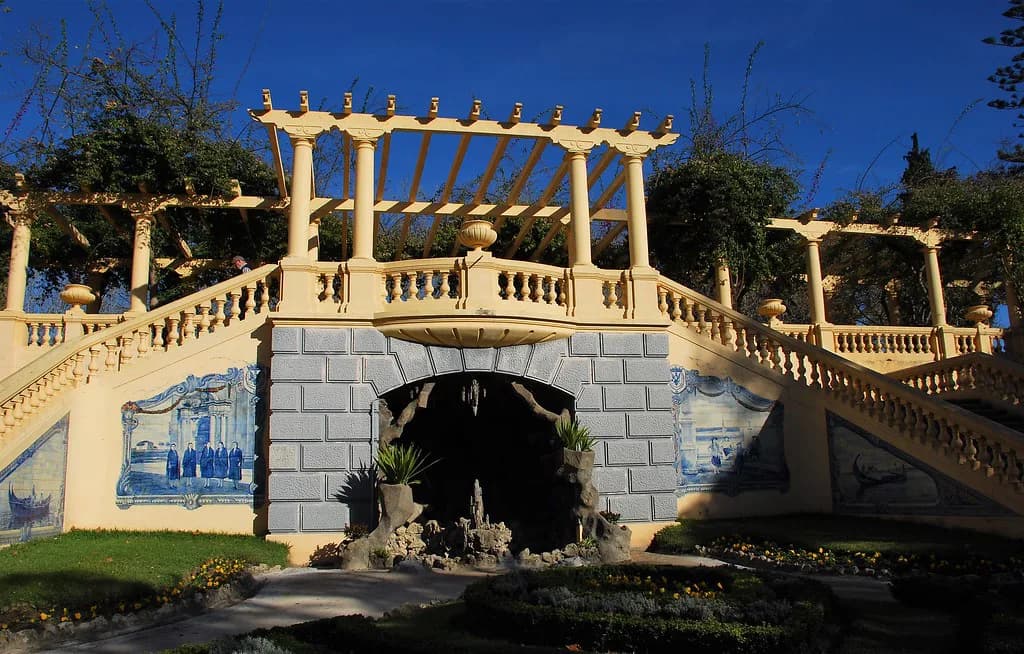
Parque Infante D. Pedro: Aveiro's Largest Green Space
Parque Infante D. Pedro is Aveiro's largest green space, and an hour walking through it is a sensible way to break up a one-to-four-day city break. It is a public city park rather than a ticketed attraction, so the appeal is scale, mature trees and open ground rather than set-piece monuments. This guide covers where the park sits, how to reach it on foot, what rewards a wander inside and which nearby sights fit around it.
Treat it as a breather rather than a headline sight. Aveiro's centre packs canals, azulejo-clad buildings and museums into a compact area, and the park gives you a green counterweight without leaving town. An early or late slot works better than the middle of the day, and you can leave without feeling you have missed a collection.
What Parque Infante D. Pedro is
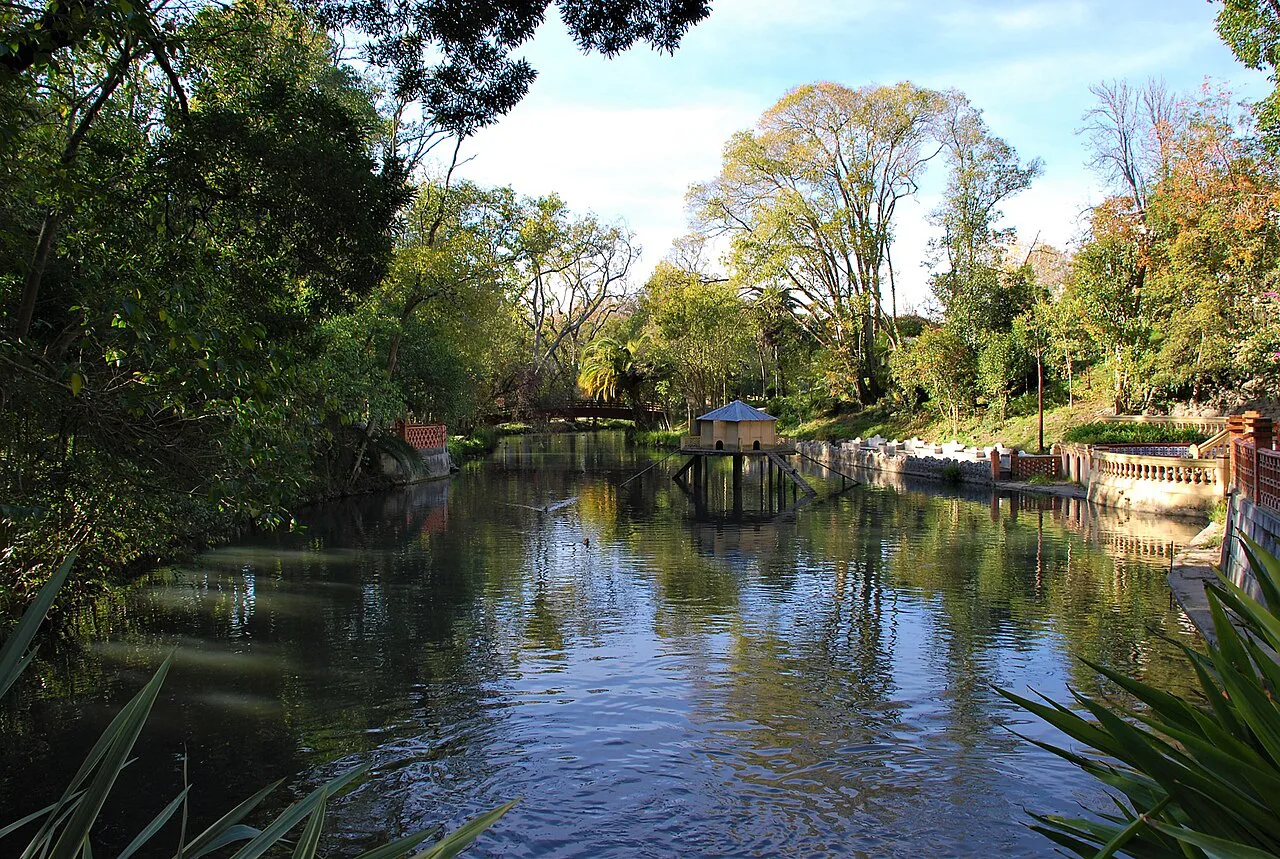
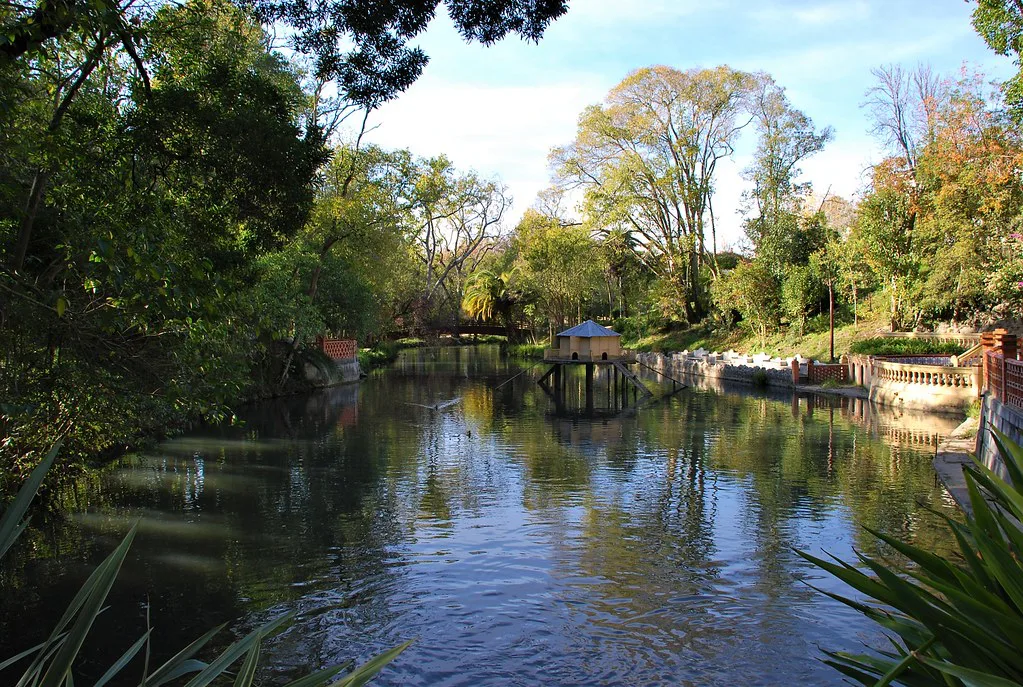
The park is the city's main expanse of greenery, laid out with a wide variety of trees including native species and specimens from elsewhere.
That planted diversity is the reason to come: you are walking through a collection as much as a park, and the canopy gives the space a character Aveiro's squares lack. The honest trade-off is that this is a working city park, not an ornamental garden with fountains and formal beds. Come for breadth and shade, and set your expectations accordingly.

Where the park sits in Aveiro's layout
Aveiro is small enough that the park reads as part of the city rather than an excursion beyond it, and the municipal council lists it among the city's parks and gardens. That matters for planning: you can walk out from the canal-side centre, spend time among the trees and be back among the bridges without losing half a day. Build the park into a walking loop rather than treating it as a separate trip.
Because the centre is compact, the park works best as the green hinge of a day: museums in the morning, the park to reset, then the canals in the afternoon light. Check the layout once you are in town, since the entrances and surrounding streets are easier to follow on foot than by guessing. The park is reachable on foot from the urban centre rather than by taxi.
Walking there from the centre
The approach is part of the visit: you cross residential streets and leave the bustle behind before the trees take over. Expect a walk of roughly fifteen to twenty-five minutes from the canal-side heart of the city, depending on where you start and how often you stop. It is flat and legible, which makes it easy to combine with a museum on the way.
Route yourself past the Museu de Aveiro / Santa Joana if you are coming from that side of town, so the park becomes the second half of an outing rather than a there-and-back errand. The pavements are typical Portuguese calçada, so comfortable footwear matters more than distance. Carry water in warm months, since the walk to the park is exposed in places.
What to see inside
The tree collection is the main event: mature specimens of many species create a canopy and a sense of enclosure that Aveiro's streets lack. Walk the paths slowly and look up rather than expecting signage or a fixed route. The pleasure is in the variety and the scale, so allow yourself to wander without a plan and to sit for ten minutes under the largest trees.
Open grass and quiet corners make it a natural pause for families and anyone who has spent the morning on hard paving. Because there is no ticketed exhibition inside, you can arrive and leave on your own schedule, which suits a short break better than a fixed entry slot. The changing canopy means the park looks different from one month to the next, so keep an eye on the ground after rain, when leaf litter and roots can make paths slippery.
How long to allow
An hour is the right allowance for most visitors: enough time to walk the main paths, sit for a while and leave without feeling you have under- or over-invested. Ninety minutes suits anyone wanting a slow picnic or travelling with children who need to run. Beyond two hours starts to compete with Aveiro's museums and canals, which are the reason most people come.
Slot the park into the softer ends of the day, either before the museums open or after the afternoon heat has passed. If your break is only one full day, keep the park short and protect time for the centre.
Nearby sights to combine with a park visit
The Museu de Aveiro / Santa Joana is the most natural pairing, since it gives you a strong indoor counterpart to the park's greenery within the same walking zone. Pairing the two makes a balanced half-day rather than two separate errands, and you can see the rest of the city's museums and sights in the wider guide to things to do.
For a different register, the Museu Arte Nova covers the city's distinctive tiled and curved architecture, while the Casa de Santa Zita adds another interior to a walking loop. Both suit a short break where you want three or four named sights rather than an exhausting checklist.
Back in the centre, the Ponte dos Laços and the canals give you the classic Aveiro view, and the Praça do Peixe area is where the city's fish-market life and tascas cluster. If you want a longer outing, the Farol da Barra at the coast is a separate trip rather than a stroll from the park.
The Jardim do Rossio offers a smaller, more formal green stop closer to the water if you want a second garden in the same day. Using both gives a contrast between the city's ornamental garden style and the scale of the larger park. Neither needs more than an hour, so a garden-to-garden walk is a realistic afternoon.
Practical notes on access
The park is a public municipal space with no ticket desk, so there is nothing to book before you go. Treat it as a flexible filler in your plan rather than a fixed appointment.
Because entry is open and unbooked rather than gated to a session, the main variables are weather and daylight. Leave a little slack in your plan so a change of plan does not derail the day. Typical Aveiro conditions favour a light layer and something windproof, since the city sits close to the Atlantic and the Ria de Aveiro.
Is the park worth an hour of your Aveiro break?
Yes, if you want a green pause between museums and canals and you accept it as a city park rather than a showpiece garden. It needs only about an hour, which makes it low-risk for a one-to-four-day itinerary. Skip it if your time is very tight or if formal gardens are more your taste.
Build it into a walking day with the Museu de Aveiro / Santa Joana or the Museu Arte Nova and you get a balanced mix of trees, tiles and interiors. Go early or late, wear comfortable shoes for calçada and keep the visit short enough to leave room for Aveiro's waterways.
Frequently Asked Questions
Is Parque Infante D. Pedro free to enter?
It is a public city park, not a ticketed attraction, so there is no ticket desk or admission charge to plan around.
How long should I spend at Parque Infante D. Pedro?
An hour covers the main paths and a sit-down under the trees. Allow ninety minutes if you want a picnic or are visiting with children.