Coimbra Food: What to Eat and Where to Try It
Plan a Coimbra food break around chanfana, bacalhau à Brás and conventual sweets, with taverns, market bites and pastry stops fitted around sightseeing.
On this page
Start with the traditional plates: chanfana, bacalhau à Brás and roast goat are among the dishes Coimbra's tourism board singles out as the things to try in the city's taverns. These are homely dishes served in small, cosy rooms where the meal is part of the sightseeing rather than a separate outing. This guide covers what to order, which pastries to seek out, and where the named venues sit between the Baixa and the Alta.
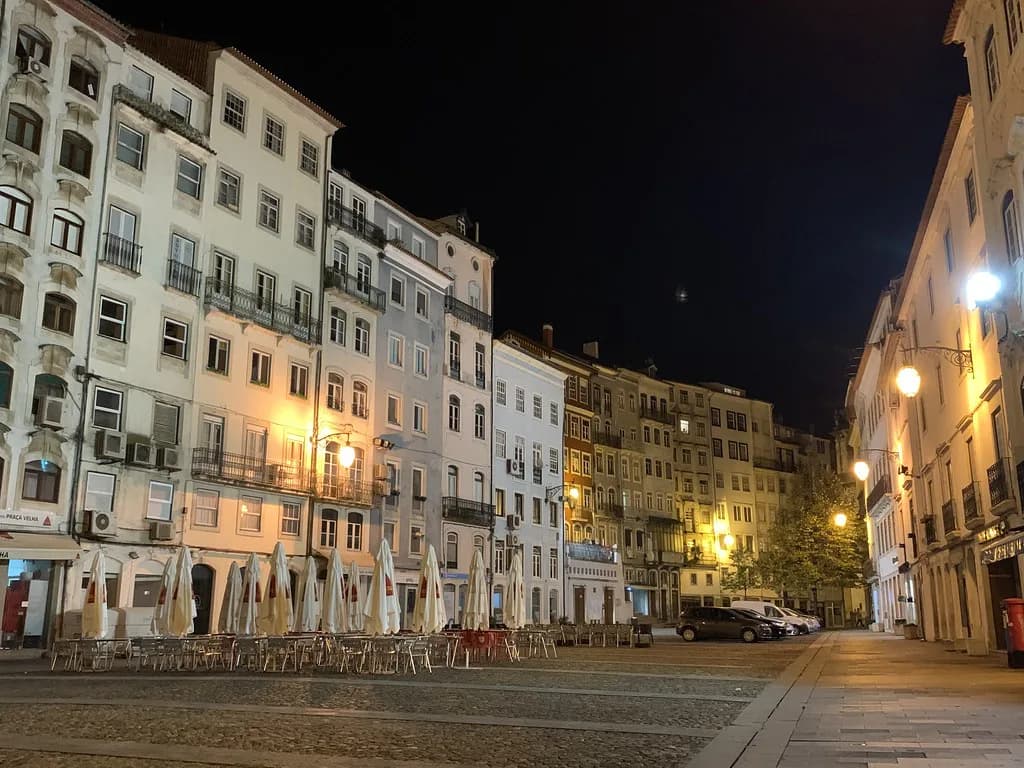
The city is built around a university on a hill, so food planning is mostly about geography: eat in the Baixa between museum stops, then walk up to the Alta for the evening. The tourism board lists everything from family-run taverns to historic cafés, pastry shops and ice-cream shops, with international kitchens alongside Portuguese ones. Nothing below depends on booking ahead, though the smaller taverns fill quickly at peak times.
What to eat in Coimbra: the short answer
If you order only three things, make them chanfana (goat or lamb slow-cooked in wine), bacalhau à Brás (salt cod with potato and egg) and roast goat. The tourism board cites these among the traditional dishes to look for in Coimbra's taverns, and describes the tavern setting as warm and family-like, usually with a glass of regional wine alongside. Menus elsewhere in the centre lean on the same regional repertoire, so you will not struggle to find them.
Beyond those, expect grilled fish, seafood rice, pork cooked with clams, and conventual sweets built on egg yolks and sugar. The scene also runs to Italian, Japanese, Brazilian and Ukrainian kitchens, so a mixed group is easily fed. Our Coimbra restaurants guide sorts the venues by street and style if you want the fuller picture.
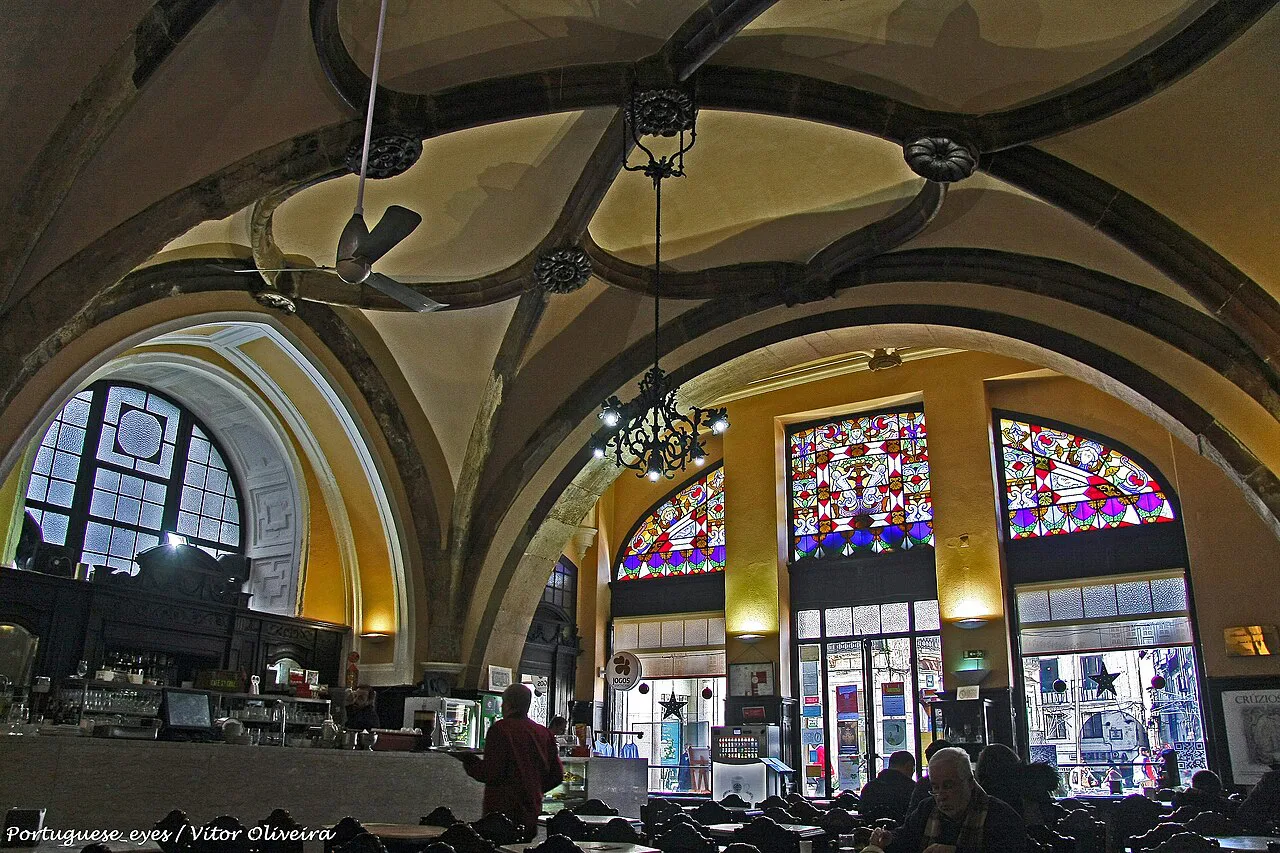
Chanfana, bacalhau à Brás and roast goat: the traditional plates to order
Chanfana is the dish most associated with the region around Coimbra: goat or older sheep marinated in red wine and baked until the meat falls apart, with rice or potatoes alongside. It suits a long lunch rather than a quick bite, which matters when you are fitting meals around museum opening times. Bacalhau à Brás is the lighter alternative, a shredded salt-cod hash bound with egg and olives.
Roast goat appears on the same traditional menus and is the third plate the tourism board flags for visitors. Order one of these as a shared centrepiece and add grilled fish or seafood to lighten the table. Portions in Portuguese taverns tend to be generous, so two dishes between three people is a sensible starting point rather than a compromise.
Conventual sweets and pastries: what to look for in a Coimbra pastelaria
Coimbra's pastry tradition is conventual: recipes built on egg yolks and sugar that came out of the city's religious houses, sold today in the pastelarias and historic cafés across the centre. The tourism board treats the city's conventual sweets as a category worth seeking out on their own, alongside the pastry shops and ice-cream shops it lists. A mid-afternoon coffee and pastry stop is the easiest way to sample several in one day.
Briosa Coimbra appears on the tourism board's restaurant and pastry list as a traditional pastelaria, which it dates to 1955. Treat that as a starting point for a pastry stop rather than a complete list: the same page names other pastry and ice-cream businesses, and our guide to Coimbra cafes sorts them by where you will already be walking.
Taverns and family-run restaurants in the historic centre
The historic centre's small taverns are where Coimbra food makes most sense: cramped, cosy rooms with traditional cooking and a glass of regional wine, which the tourism board describes as welcoming guests like family. A Taberna is listed as a typical Portuguese restaurant cooking in a wood-fired oven, and Mannerist Cordel combines traditional cooking with local conventual sweets and a small grocery section. Neither is a place to rush.
Arcada sits in the heart of the historic city and serves Portuguese flavours in a relaxed space, while Caves Coimbra Enterprises is listed as a traditional venue that also hosts events and asks for prior confirmation. Use these as anchors for a wander rather than a fixed itinerary. The Baixa de Coimbra rewards aimless browsing, so read the wider restaurant list before you commit to a dinner booking.
Historic cafés, pastry shops and ice cream in the Baixa
The Baixa is where you eat between sights: coffee and a pastry in the morning, a light lunch, an ice cream in the afternoon. The tourism board lists Rynok Coffee on Market Square inside the D. Pedro V Municipal Market, along with pastry shops and ice-cream shops such as DOPPO. This is also the natural territory for Brunch in Coimbra if you want a later, bigger start to the day.
For an evening meal outdoors rather than a full restaurant dinner indoors, Terraço da Alta is listed as a Portuguese restaurant suited to eating outside. It is a useful option when the weather is kind and you want to stay up in the Alta after the museums close. Pair it with a coffee stop earlier in the day rather than treating it as the main event.
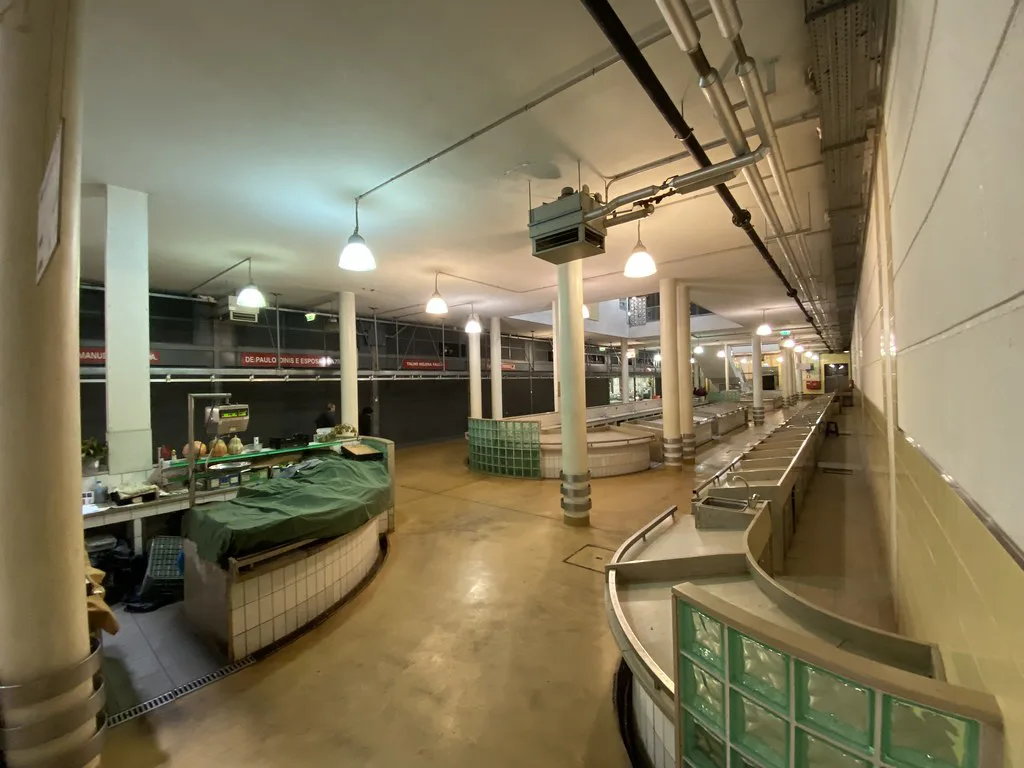
Where to eat around the Universidade de Coimbra and the Alta
The Alta is the hilltop quarter around the Universidade de Coimbra, and its food is mostly about timing: eat before or after your visit to the university and its libraries rather than trying to squeeze a sit-down meal into the middle. The tourism board's restaurant map covers the centre broadly, and the beer tradition it documents is strongest in the Baixa, so plan the hill for a drink with a view and the lower town for the main meal.
Market Square and the D. Pedro V Municipal Market for casual bites
The D. Pedro V Municipal Market gives you the most flexible meal of the day: casual, central, and easy to fit around opening times elsewhere. Rynok Coffee sits on the Market Square within the market building and serves Ukrainian-influenced café food, which makes a change from bacalhau. Pair it with a browse of the market stalls rather than treating it as a destination in itself.
This is the part of town to use when you have an hour between sights rather than two, and when you want something lighter than a tavern lunch. The tourism board also lists snack and tapas businesses such as Tapas & Snacks Boutique and Dux Snacks and Wines. Build the day around the market at midday and a tavern in the evening, and you cover both ends of Coimbra's food range without backtracking.
Vegetarian, international and non-Portuguese options
Coimbra is not only tavern food: the tourism board lists Italian, Japanese, South Korean, Brazilian and Ukrainian kitchens among its restaurants, along with a vegetarian filter on its listings. That range matters if you are travelling with someone who does not eat fish or meat, since the traditional repertoire leans heavily on both. Our guide to Vegetarian Restaurants in Coimbra is the place to start narrowing it down.
If you want a break from Portuguese cooking, Bresca Coimbra covers Italian and Sushi House covers Japanese, both listed by the tourism board. These are sensible for a second or third evening rather than your first meal in the city. International options also cluster around the centre, so they rarely add much walking to a sightseeing day.
How to fit meals into a one to three day Coimbra itinerary
With one day, eat a pastry breakfast in the Baixa, take a market-square lunch, and book a tavern dinner in the historic centre; that sequence follows the city's geography without wasted walking. With two or three days, add a long chanfana lunch and an Alta evening with a view. Keep the big meal for the evening and treat lunch as flexible, since museum and monument visits are easier to slot around a light meal.
Portuguese restaurants tend to serve lunch late and dinner later still, so a market snack at midday keeps the afternoon free. If you want a slower start, look at the brunch options before committing to an early museum slot. The rest of the day then runs on coffee, pastry and one proper meal.
Typical costs and how to read a menu without surprises
The tourism board price-bands its listings from one to three euro signs, with most traditional and mid-range places at two and pastry shops at one. Use that as a rough sorting tool rather than a budget: it tells you which places are cheaper, not what a specific dish costs. Ask about the couvert before you start eating bread, olives or cheese brought to the table unbidden.
For current menus and prices, the individual venue listings are the place to look, since printed prices change with the seasons and the market. Check the day's menu at the door, where a prato do dia is usually the best value. If you are budgeting, a market lunch plus a tavern dinner costs less than two restaurant meals, and leaves more of the day for sightseeing.
Which Coimbra meal should you book first?
Book the tavern dinner first: chanfana or roast goat in a small historic-centre room is the meal that defines Coimbra food, and it is the one most likely to need planning. Everything else, from market snacks to conventual pastries, fits around the sightseeing as you go. That order gives you the city's signature dish without letting food dictate the whole trip.
Frequently Asked Questions
What food is Coimbra known for?
Coimbra is known for traditional tavern cooking, particularly chanfana, bacalhau à Brás and roast goat, and for its conventual sweets made from egg yolks and sugar. The city's tourism board names these dishes as the ones to try and lists the taverns, pastry shops and cafés that serve them.
Do you wait to be seated in Portugal?
In smaller taverns and tascas it is common to be greeted at the door and shown to a table, while busier cafés and market stalls often expect you to order at the counter. Watch what other diners do on arrival and ask if you are unsure.
Where can you eat cheaply in Coimbra?
The D. Pedro V Municipal Market and the surrounding Market Square are the most flexible for a low-cost lunch, and the tourism board marks pastry shops at a lower price band than most restaurants. Look for the daily prato do dia at the door of a tavern for the best value.
Sources
Notes for your next Portuguese break
Optional updates to our town guides.
You might also like

Continue reading
More guides you'll find useful