
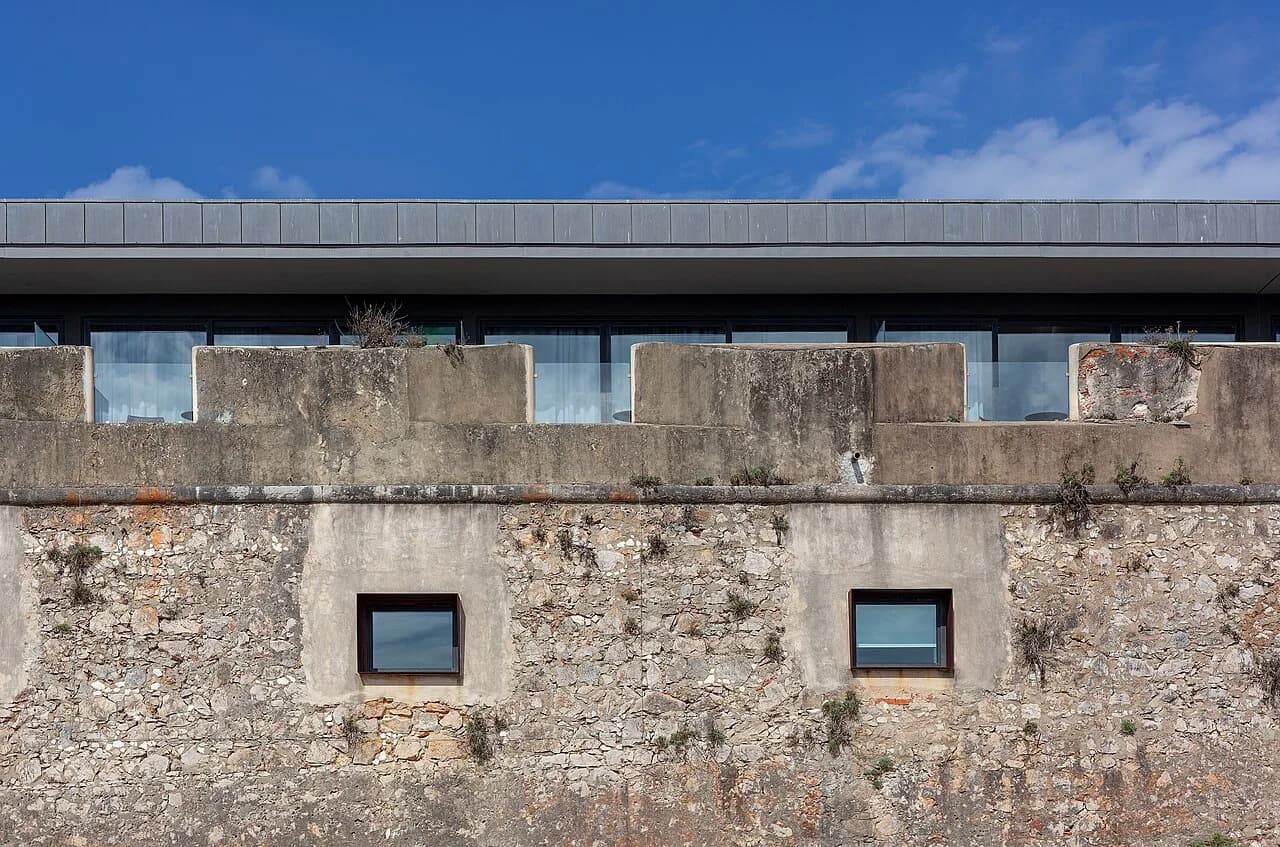
Cidadela Cascais: What to See Inside the Citadel Quarter

Cidadela Cascais is best treated as a walled fortress quarter rather than a single ticket: an enclosure of 16th-century origin in central Cascais. This guide covers what sits inside the fort, where the quarter sits in relation to the rest of Cascais, how to walk in, and the honest trade-offs between in-quarter calm and the choice available in the wider town.
What the Cidadela de Cascais actually is
The Cidadela is a fortress enclosure, not a standalone attraction with a turnstile. Its draw is cumulative: the walls and lanes and the palace that anchors the site. Plan the enclosure as a small district you walk through, and you will use your time better than by hunting for a single entrance desk.
That matters for a short break, because a quarter rewards a different rhythm from a monument. You can see the shell of the place quickly and then spend longer on the palace, or reverse the order if the lanes are busy. The [[Cascais Attractions|azulejowalks.com]] pages cover the individual sights if you want to build a ticketed itinerary around the quarter rather than wander it.

Where the Cidadela sits in Cascais
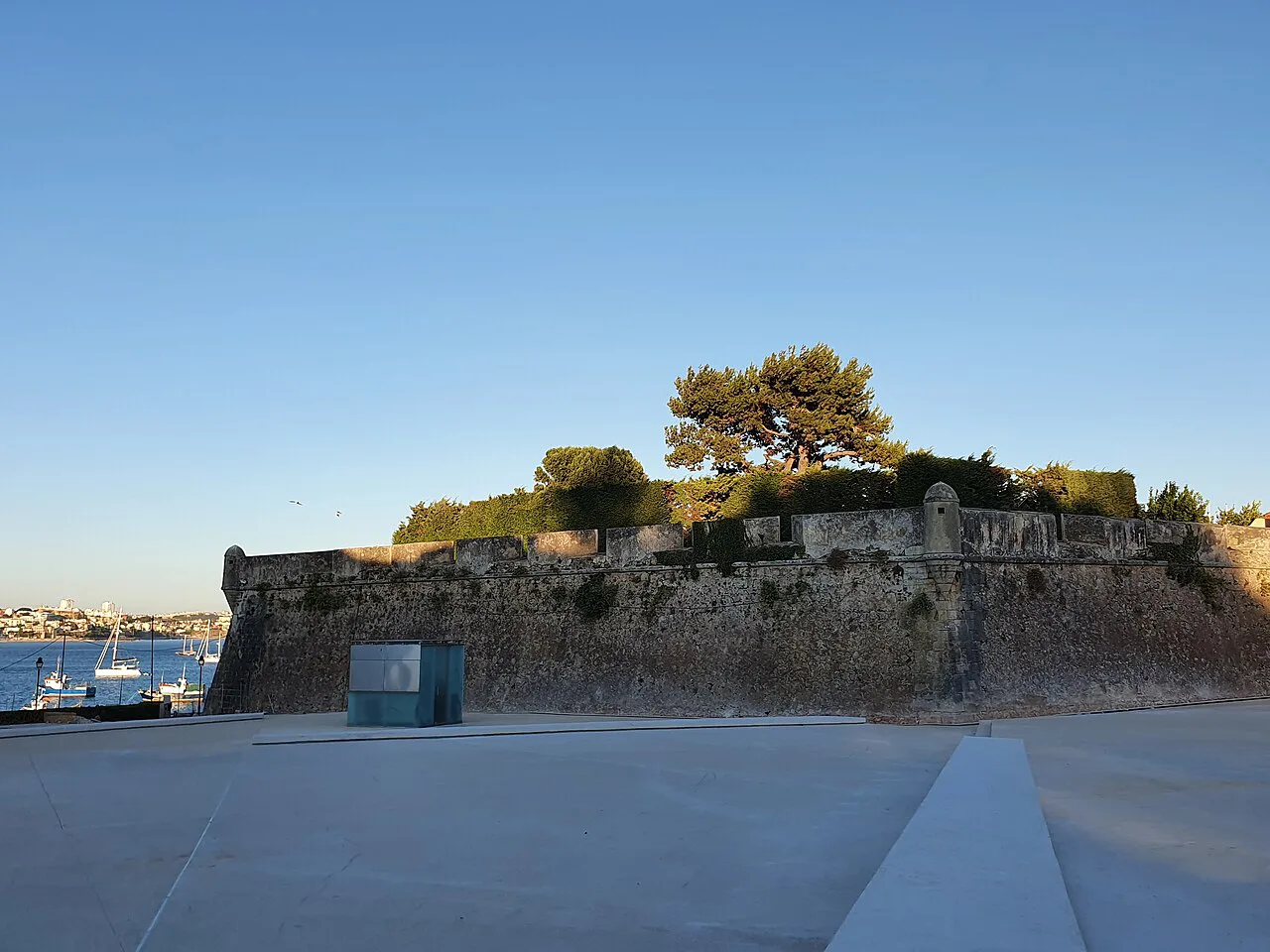
The citadel occupies the western edge of central Cascais, close to the working harbour and a short walk from the town's main squares and shopping streets. That position makes it a natural first stop on a morning loop: harbour, citadel, then back inland for coffee and the town centre.
Cascais itself is the western terminus of the Lisbon commuter line, so the quarter is reachable as a day trip as well as a base for a longer stay. If you are comparing areas for a one-to-four-day break, the [[Cascais|azulejowalks.com]] guide sets the centre against the coast and the stations further west, so you can see how much of the town you want on foot.

Walking in from the centre
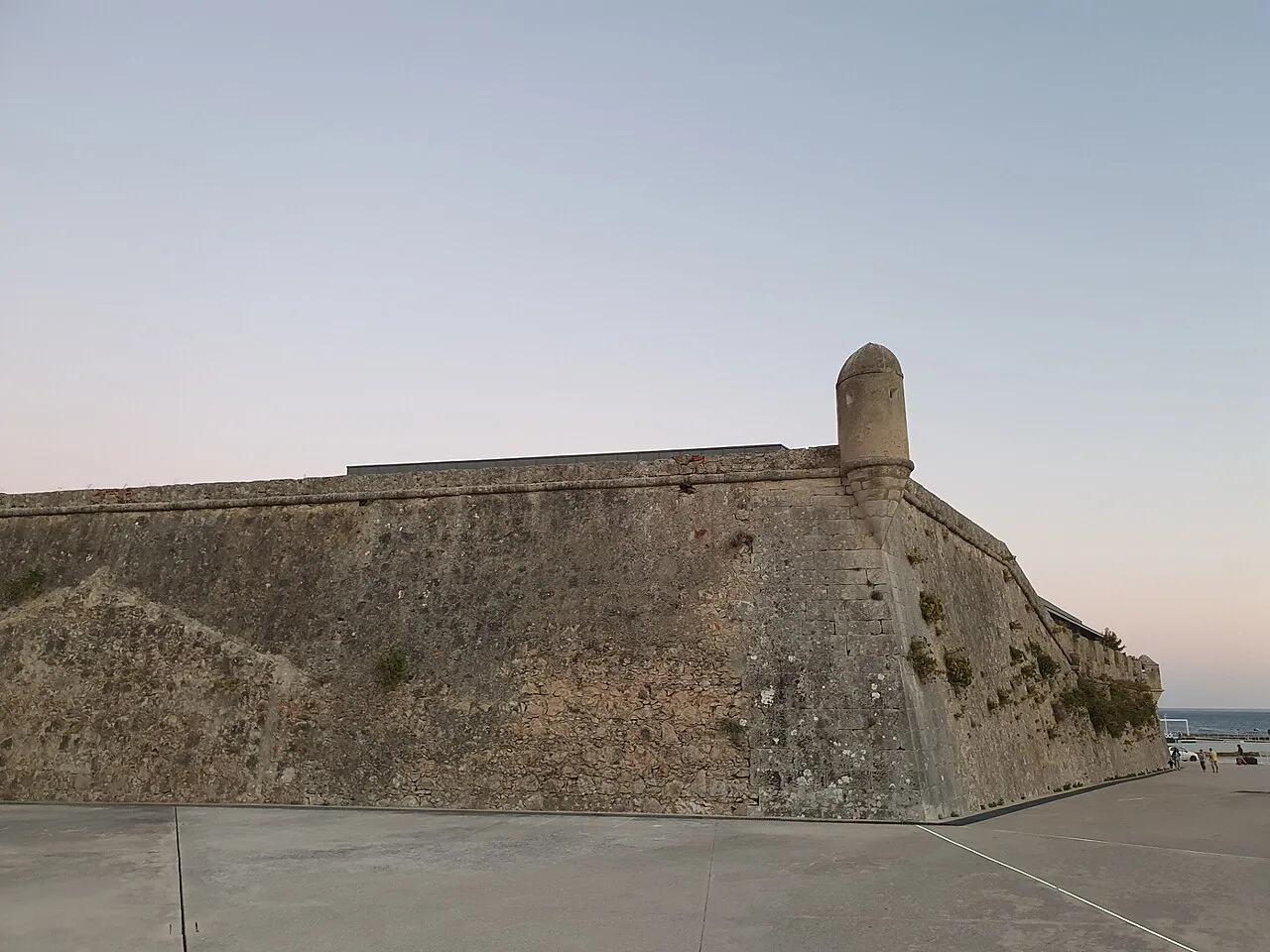
Walk in on foot. The approach from the centre is short enough that a taxi makes little sense, and the streets around the harbour funnel you naturally towards the fortress walls. Wear shoes you can walk in, because the surfaces inside and around the quarter are uneven in places.
Coming from further out, the train drops you in the town centre and you continue on foot; drivers should expect to park away from the immediate walls and walk the last stretch. For the wider town layout and the walking distances between sights, use the [[things to do in Cascais|azulejowalks.com]] overview rather than guessing from a map.
The Palácio da Cidadela: the quarter's anchor
The Palácio da Cidadela is the building that gives the quarter its identity, a palace set within the fortress rather than a free-standing monument on a square. Treat it as the reason the enclosure exists as a visitor destination: the walls make sense around it.
Because the palace and its setting belong together, resist the urge to separate them into two stops. Arrive, look at the building from the courtyard and the lanes first, then go in. Readers planning a Cascais itinerary that mixes the quarter with the coast will find the palace slots neatly into a half-day.
The Museu do Palácio da Cidadela
The Museu do Palácio da Cidadela is the museum element of the citadel, so a visit can cover the building and its collections together rather than as a separate museum trip. Allow about an hour for the museum itself if you read the displays, and plan the rest of the quarter around that.
Confirm the museum's current opening days and ticket price before you travel, and check again on the day if the citadel is the anchor of your morning. Portuguese museums and monuments commonly keep weekly closing days and holiday closures, so a Monday plan built on the palace museum deserves a second look.
The pousada: a hotel inside the walls
Part of the citadel complex is presented as the Pousada de Cascais, Cidadela Historic Hotel and Art District, a historic hotel and art district in the old fortress buildings. That gives the quarter a second life after the museum closes, and it explains why the lanes feel cared for rather than merely preserved.
The hotel suits travellers who want to be based inside the walls and wake up in the quietest part of central Cascais; it will not suit anyone who wants a bargain and a busy street scene outside the door. Booking terms, room categories and rates change by season, so compare the hotel's own rates and cancellation terms before committing.
Character of the quarter
The Cidadela reads as enclosed, quiet and heritage-led: walls, a courtyard, a palace and a hotel rather than shops and bars. It suits travellers who like architecture, museums and a calm hour away from the crowd, and couples or solo visitors building a slow half-day around one sight.
It is less suited to anyone expecting a beach scene, nightlife or a cluster of restaurants within the walls, and it is a poor fit for children who need space to run. If you want more bustle and a wider range of places to eat, base yourself in the town centre and treat the citadel as a stop. The [[Cascais Neighbourhoods: 4 Area Guides|Cascais Neighbourhoods: 4 Area Guides]] pages let you compare the citadel with the coast and the stations further along the line.
Eating in and around the Cidadela
Plan lunch in the wider town rather than counting on a café within the quarter. The trade-off is straightforward: the citadel gives you calm and setting, the centre gives you choice, and the walk between them is short.
Build the day so the museum comes before lunch, then walk back into the centre for a long lunch and a slower afternoon. If you are staying west along the coast, the [[Estoril]] and [[São João do Estoril]] pages describe their own eating and strolling options, which are a train ride away.
Boca do Inferno and the coastal edge
Boca do Inferno, the collapsed sea arch and blowhole just west of the centre, is the natural add-on to a citadel morning. Walk out along the coast after the museum, look at the water from the marked viewpoint, and come back into town for lunch.
Treat it as a short add-on rather than a separate excursion, and keep back from the edge in rough weather. The combination of citadel and coast makes a sensible half-day for a first visit, leaving the afternoon free for the town itself.
How much time to give the Cidadela
Budget two hours for the quarter including the palace museum, and three if you add Boca do Inferno on foot. On a one-day visit to Cascais, that fits neatly into a morning; over three or four days, keep the citadel for the day you want something slower than the coast.
The quarter also works as a rain plan, since the museum and the enclosed lanes give you shelter that the seafront does not. Pair it with the town centre on the same day rather than splitting your time across too many districts, and leave [[Parede]] and the stations further west for a separate outing.
Is the Cidadela worth a morning of your Cascais break?
Yes, if you want one calm, enclosed hour of palace and fortress walls before the busier town takes over. No, if your short break is about beaches, restaurants and bustle, in which case see the walls in passing on the harbour walk and spend your ticket money elsewhere.
Check the palace museum's opening days and ticket price before you set the day's plan, then build the rest of the morning around the walk back into the centre.
Frequently Asked Questions
What is the Cidadela de Cascais?
The Cidadela is a walled fortress enclosure in central Cascais, of 16th-century origin, rather than a single ticketed monument. Its draw is cumulative: the walls and lanes and the palace that anchors the site.
How long should I spend at the Cidadela?
Allow most of a morning to walk the walls and lanes and to see the palace, then leave the afternoon for the town centre or the coast. The lanes are uneven in places, so wear shoes you can walk in.
Where is the Cidadela in relation to the rest of Cascais?
It sits at the western edge of central Cascais, close to the working harbour and a short walk from the town's main squares and shopping streets, which makes it a natural first stop on a morning loop.