
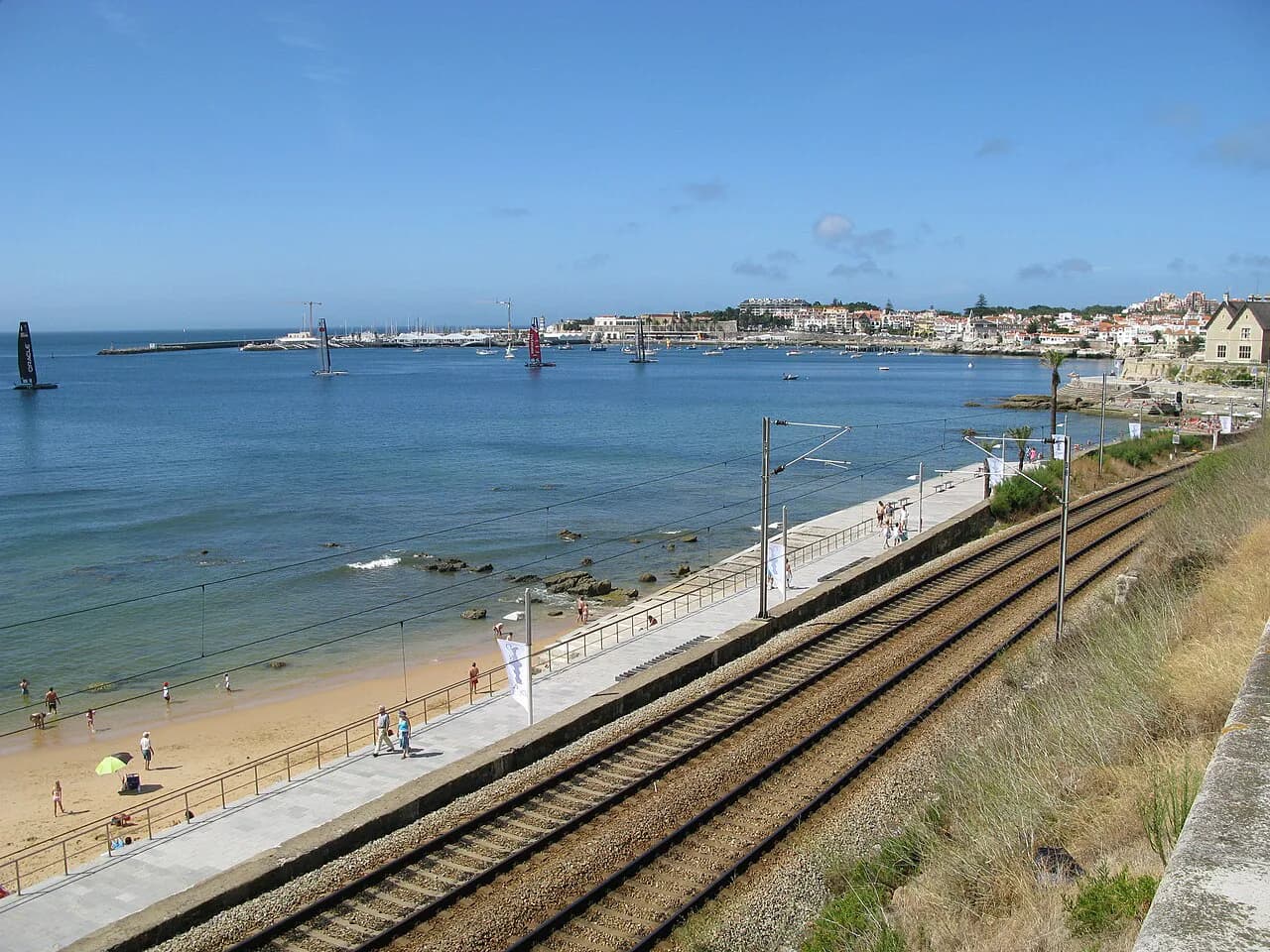
Estoril, Cascais: A Neighbourhood Guide for a Short Break

Estoril is a district of Cascais on the Lisbon coast, an upscale resort area whose identity rests on a landmark casino, a seafront promenade and a beach at Tamariz. Plan it as half a day to a full day inside a Cascais break rather than a separate stop, and you will use it well. This guide covers where the district sits, how to arrive, what is worth seeing and which travellers it fits.
The area has 8.79 km² and roughly 3.6 km of coastline, which explains why almost everything a visitor wants lies along one seafront strip. Lisbon Airport sits about 20 km away, and trains on the Cascais line link the town with central Lisbon.
What Estoril is: a resort district in Cascais
Treat Estoril as part of Cascais, not a standalone town to be ticked off. The municipality runs along this coast, and Estoril sits within it as the polished, leisured quarter, close to Cascais itself, to Lisbon and to Sintra. That geography matters: you can base yourself here and still reach the old-town streets of Cascais on foot or by train.
The district has around 27,000 residents, so it is a working neighbourhood as well as a holiday address. Its reputation is cosmopolitan and upscale, and it is considered one of the more expensive places to live in the region. Come expecting wide pavements, sea air and a slower rhythm rather than dense historic lanes.
For the wider picture of how this district fits with its neighbours, the Cascais Neighbourhoods: 4 Area Guides set out the coast section by section. It is the right place to start if you are deciding which part of the municipality to sleep in.

Where Estoril sits and how the seafront shapes the layout
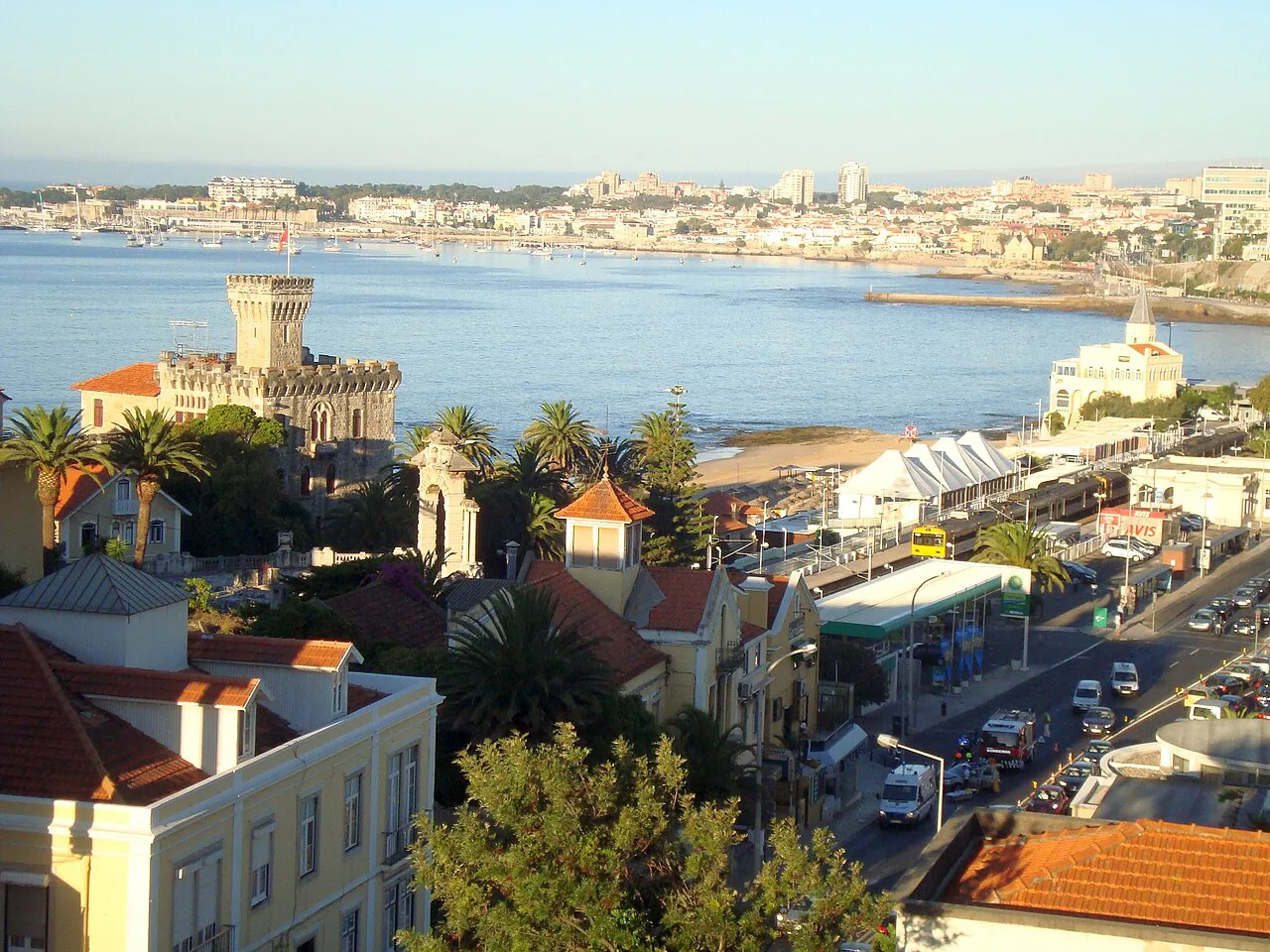
The coastline is the organising principle. Estoril's 3.6 km of seafront carries the promenade, the beach at Tamariz and the sea-facing hotels, with the town's other streets running back from it. If you remember that everything worth seeing faces the water, you will not get lost.
The Avenida Marginal runs along this coast as one of the main routes between Estoril, Cascais and Lisbon. It is the road that hugs the shoreline, which makes it a scenic corridor rather than a bypass, and it sets the northern edge of the beachfront strip. Hills rise behind, and the Sintra mountains shelter the coast beyond.
Two neighbouring districts are within easy reach on foot or by a short ride. São João do Estoril lies along the same line towards Lisbon, while Parede Cascais continues the coastal chain in the other direction.

Getting there: the Cascais railway line and the Avenida Marginal
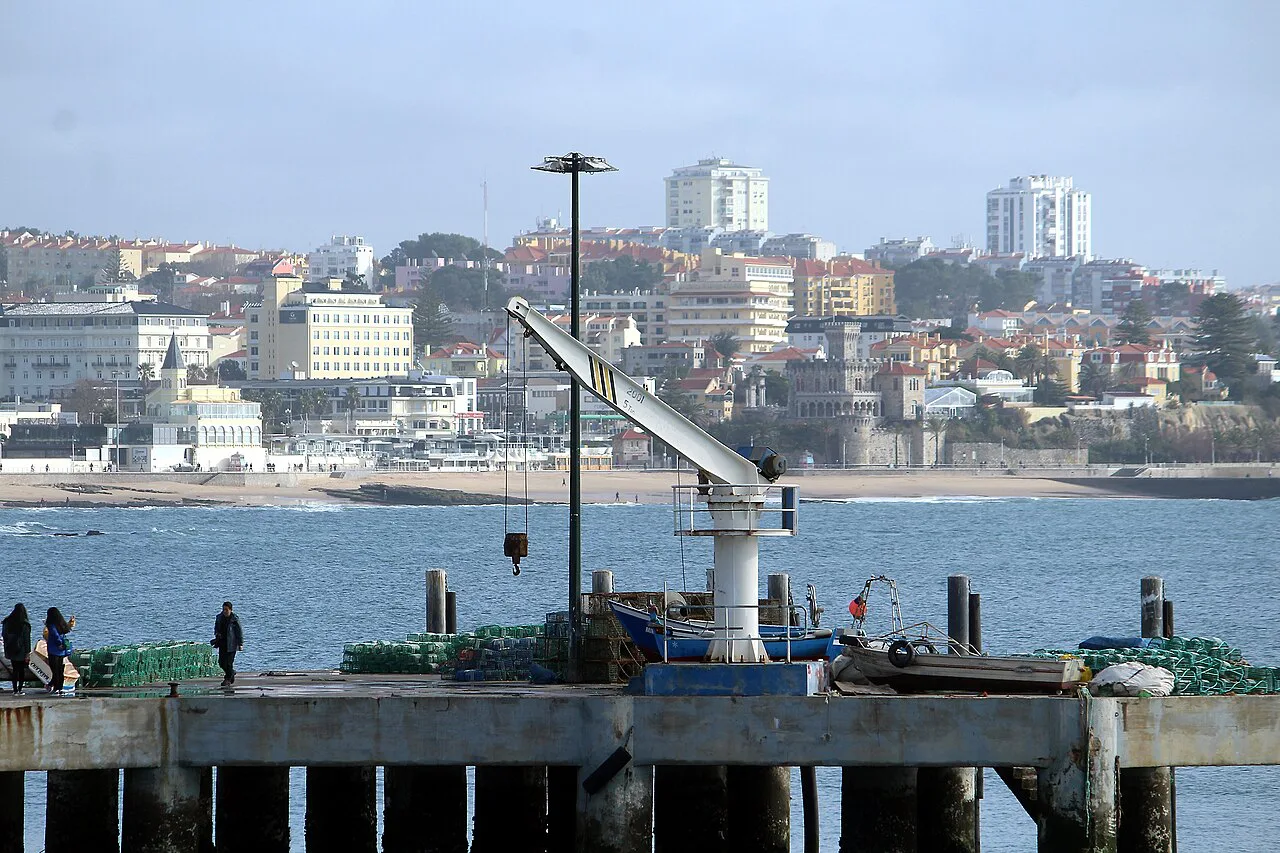
Two approaches genuinely change the feel of the arrival, so pick deliberately. The Cascais railway line runs through Estoril and connects it to central Lisbon, with Lisbon Airport about 20 km away. That makes the train the natural choice if you are coming straight from the city or landing and heading out.
By road, the Avenida Marginal traces the coast between Lisbon, Estoril and Cascais, and it is a popular choice for a leisurely drive because of the sea views. The trade-off is honest: the road is a scenic experience rather than a fast corridor. Arrive by train for speed and simplicity, or by the Marginal for the view.
You do not need a car once you are here. The seafront, the beach and the district's sights sit within walking distance of each other, and the railway line links the neighbouring coastal districts. Train times, frequencies and fares change, so confirm them on the operator's site before you travel; the station is the obvious place to start.
If you want to see how a short break here works around the coast, the Cascais Attractions: 7 Visitor Guides cover the stop-by-stop options in the municipality. Estoril is one among them rather than the whole trip.
What to see in Estoril: the casino, Tamariz and the promenade
Casino Estoril is the district's headline sight and the largest casino in Europe. It is not only a gambling floor but a venue for culture, events and entertainment, and it carries a James Bond connection through Casino Royale. Even if the tables hold no appeal, the building is the reason Estoril has the reputation it does.
Praia do Tamariz is the beach that fronts the district, the focal point of the seafront. Praia de Carcavelos, further along towards Lisbon, is the other popular stretch. Swimming conditions, lifeguarding and beach-facility seasons vary through the year, so check locally rather than assuming a summer setup in winter.
The promenade is the best free sight in the area. You can walk it year-round all the way to Cascais, taking in the coastline and the seafront esplanades as you go. It is level, obvious and hard to get wrong, which makes it ideal for a first orientation.
Beyond the waterfront, the district's appeal is partly natural. The Sintra mountains shelter the beaches, and the wilder coastline at Cabo da Roca and Praia do Guincho lies within easy reach if you want a harder-edged landscape than the resort strip.
If your short break leans towards the town's heritage rather than its coast, the things to do in Cascais page covers the nearby old-town sights, including the Santa Marta Lighthouse. It balances a day built around the seafront.
Museu Casa Verdades de Faria and the cultural side
Museu Casa Verdades de Faria is the named cultural stop in the district, and it gives Estoril a dimension beyond sunbathing and the casino. The building and its collection are the point, so treat it as an indoor anchor for part of a day rather than a place to dash through.
Museums and monuments across Portugal often close on Mondays or public holidays, so plan around the day you have rather than assuming a seven-day opening. Current opening days, admission charges and any temporary closures are published by the venue and by the local tourist office, and that is where to confirm them before you set out.
The district also hosts events, including the Estoril Open. It would be a mistake to plan a short break around a precise date on the strength of a passing mention. Check the official event calendar if competition or a fixture matters to your trip.
Walking the promenade to Cascais
The promenade walk from Estoril to Cascais is the single most useful thing to know about the area's geography. It runs year-round along the coast, and it strings together the beaches and esplanades between the two. You get sea views the whole way without a map.
It suits almost everyone: families, couples, slower walkers and anyone who would rather not drive between the two. It is less suited to travellers who want a compact old-town circuit underfoot; Cascais has that, but it is a walk away rather than on the doorstep.
Do the walk in one direction and take the train back if time is tight, since the Cascais line serves the coast. If you would rather stay close to the water on both legs, the Avenida Marginal is the road alternative, though it is a drive rather than a footpath.
The neighbouring coastal districts continue the same promenade logic. São João do Estoril and its beach at Praia da Poça sit on the same strip, which makes a longer coastal walk easy to piece together.
Who Estoril suits, and who it does not
Estoril suits travellers who want a seafront base with polish: promenade walks, a beach on the doorstep, a casino with real cultural draw, and a calmer pace than central Cascais. It works well for couples, for a slower break and for anyone who values an easy walk to dinner over a busy town centre.
It is less suited to travellers who come for dense historic streets, heavy sightseeing and a town centre packed with cheap eats. Estoril's lifestyle is geared towards the upscale, and it is considered one of the most expensive places to live in the region, which colours what you find on the ground.
English is widely spoken here, which lowers the friction for a first trip to Portugal. If you want the royal, bay-fronted version of the same coast instead, Cidadela Cascais is the other end of the comparison.
Where to stay in Estoril: the hotels the district is known for
The district's hotel scene is led by named properties that reflect its luxury reputation. Palácio Estoril Hotel, Golf & Wellness and the Intercontinental Cascais-Estoril by IHG are the two the area is known for, and they set the tone for the rest of the accommodation around them.
Two practical rules follow. First, book direct with the hotel or through a reputable agent and confirm what is included before paying. Second, judge any quote by the total for your dates rather than a lead-in figure, since rates move with the season and are not fixed by any guide.
If you prefer to compare the coast before committing, a general look at Estoril holidays will show how the district is packaged alongside Cascais. Use it as a starting point, then verify details with the property itself.
Where to eat in Estoril: how to pick a restaurant
This is not a district where a specific restaurant can be recommended on trust, so choose by position and by what you see. The seafront esplanades and the streets running back from them carry the eating options, and the town provides a wide range of places, from shopping venues to high-quality restaurants.
Restaurants in Portugal often close one day a week, so check the door or the venue's own page before you build an evening around one. A simple rule for a short break: eat lunch near the promenade, where you can see the sea, and keep dinner flexible, so a closed door is an inconvenience rather than a ruined evening.
Expect the pricing to match the district's upscale character. This is not the place to hunt for the cheapest plate on the coast, and that is part of the trade-off for the setting.
How long Estoril needs within a one- to four-day Cascais break
Give Estoril half a day if you are based elsewhere in Cascais, or a full day if you want the beach, the museum and a leisurely lunch in the same outing. The promenade walk to Cascais can fill a morning or an afternoon on its own. On a four-day break, the district earns a repeat visit rather than a single slot.
A sensible split: arrive by train, walk the seafront and Praia do Tamariz, then take in Museu Casa Verdades de Faria or the casino depending on your taste. Finish with the coastal walk towards Cascais or São João do Estoril. Keep one afternoon free for the weather, since the coast is the main event.
If the resort strip feels too quiet, shift a day to the Cidadela de Cascais and the old town. The two districts together give you both versions of this coast without changing base.
Is Estoril worth a day of your Cascais break?
Yes, if you want the polished, seafront version of this coast rather than the old-town bustle. Build a day around the promenade, Praia do Tamariz and the casino, and add the museum or the walk to Cascais depending on the weather. Skip it if dense streets and cheap eats are what you came for.
Before you go, confirm current opening days for the museum and any event dates on official pages, and check train times on the operator's site. Those are the details that most often catch visitors out on a short break.