
Parede, Cascais: What the Neighbourhood Is Like and Who It Suits
Parede suits travellers who want a low-key stop on the Cascais coast with café terraces and quick access to the rest of the shoreline; it is a poor choice for anyone whose main aim is swimming, because rocks just off the shore make the beach not the best for bathing. It lies on the coast within the Cascais municipality, and this guide covers what it is like, its beach, how to reach it and how long to allow.
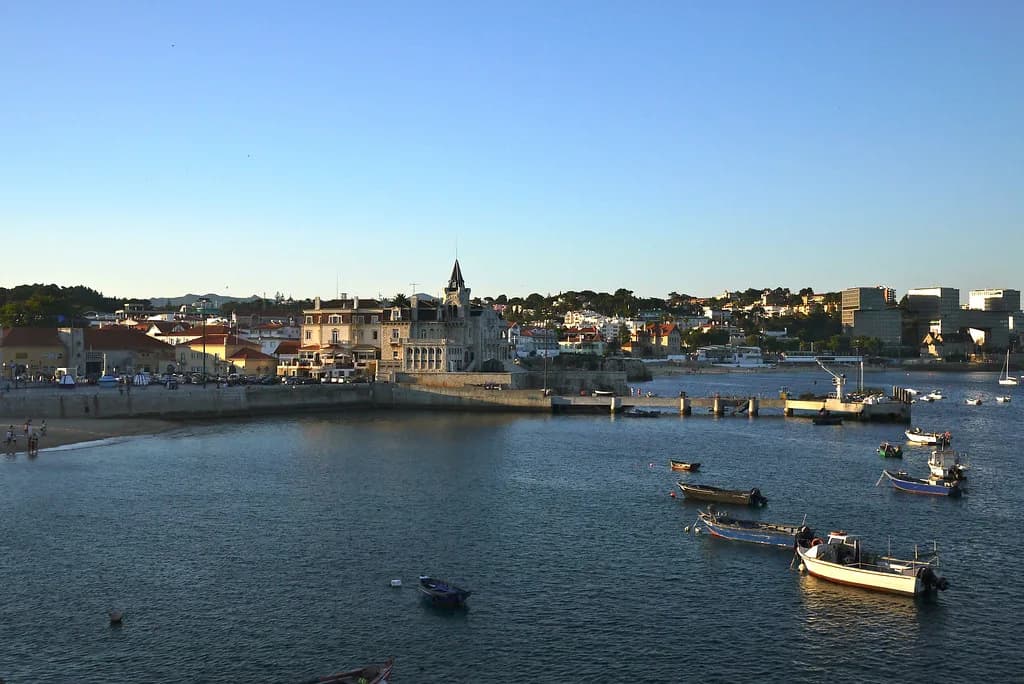
Everything here turns on one stretch of shoreline. Parede Beach earned a reputation for its combination of iodine and sunshine, and the character of the place still follows from that: a residential seaside suburb with restaurants and terraces facing the water rather than a town built around a monument.
What Parede is and where it sits within Cascais
Parede is one of the coastal spots along the Cascais shore, reached along the Marginal coast road that follows the water. It reads as a settled residential district rather than a resort: low buildings, a seafront, and everyday commerce behind it.
Its identity is unusually specific. Parede Beach has long been in demand for its therapeutic properties in treating bone disease, a reputation built on its iodine and hours of sunshine, and an Orthopaedic Hospital was built here as a result.
That history explains why the neighbourhood reads as purposeful rather than touristic: visitors come for the air, the light and the seafront, not for a checklist of sights, so plan Parede as a half-day rather than a full day of admissions. The Cascais Attractions: 7 Visitor Guides collection covers the headline sights elsewhere in the municipality if you want to build a wider itinerary.

The character of the neighbourhood and who it suits
Parede suits travellers who prefer a calm, residential seafront to a busy centre: you get café terraces facing the water and a genuine local atmosphere. It is less good for travellers who want museums, nightlife or a dense old town on the doorstep, and it is a weak pick for anyone planning to spend the day in the water.
Think of it as a place to slow down between bigger visits rather than a destination in its own right. If you want a different mood with the same coastal setting, Estoril, Cascais is the obvious comparison a short hop along the coast, while São João do Estoril sits in the other direction.
Use the coast as your unit of planning. These neighbouring areas give you different moods, and staying in one place while visiting the others is a practical way to spend two days without changing hotels.

Parede Beach: the iodine and sunshine reputation, the rocks offshore
The beach is the reason Parede exists as a name on the map. Its reputation rests on an excellent combination of iodine and hours of sunshine, historically sought for therapeutic purposes in treating bone disease, and the Orthopaedic Hospital built here grew directly out of that demand.
The trade-off is plain: the beach itself is not the best for bathing, given the number of rocks present just off the coast. Come for the setting and the light, and treat the water as secondary to the terraces and the walk.
If a proper swim matters to your day, plan your water time on another stretch of the Cascais shore where conditions are better suited to bathing than at rocky Parede.
Getting to Parede from the Marginal coast road and the tunnel from town
Parede Beach has direct access either from the Marginal coast road or through a tunnel from the town, so you can arrive along the scenic coast route or from the built-up side.
The Marginal is the coastal artery that follows this stretch of shore, and the tunnel gives an approach from the town side.
Once you are here, the beach, the terraces and the surrounding streets sit close together, so you can enjoy the neighbourhood itself on foot.
Eating and drinking in Parede: terraces by the beach
The seafront is catered for by a number of welcoming restaurants and café terraces, which is the main reason to linger after a walk rather than pass straight through.
Expect the simple pleasure of a table facing the Atlantic: coffee or a cold drink in the afternoon, a long lunch, an early dinner as the light drops.
Menus, opening days and prices are set by each establishment, so check at the door. If a particular terrace is your reason for coming, confirm before you travel.
What is within walking distance along this stretch of coast
Parede's own shoreline is short enough to cover on foot in an afternoon, and São João do Estoril lies along the same municipality and offers a change of scene without a car.
Further along the coast you reach Estoril and Cascais, where the Cidadela Cascais fortress anchors a more sight-heavy day than Parede's quiet seafront.
The practical version of this for a two- or three-day break is to base yourself in one place and visit the coast in stages, treating Parede as the quiet end of the sequence and Cascais as the busy one.
Practical trade-offs: bathing conditions, access and how long to allow
Weigh the bathing caveat honestly. Rocks just off the coast mean this is not the beach to build a swimming day around, so if the sea is the point, allocate your water time elsewhere along the Cascais shore and keep Parede for terraces and walking.
Budget half a day for Parede itself: a walk along the seafront, a table at one of the cafés and a look at the streets behind the beach will fill it comfortably. Add a second half-day if you want to continue along the coast towards São João do Estoril or Estoril.
Access is straightforward along the Marginal or via the tunnel from town, so Parede works as a stop between other coastal visits rather than a place that demands its own journey.
Should Parede be your base or just a stop?
Make Parede a stop or a quiet base if you value an unhurried seafront with café terraces and a short run to the rest of the Cascais coast; skip it as a base if easy swimming or a busy town centre is what you want from a short break.
The neighbourhood rewards a half-day and gives you a reason to slow down between the busier stops along this shoreline, provided you arrive knowing the water is rocky and the pleasure is in the light and the terraces.
Explore more Cascais guides
Frequently Asked Questions
Is Parede Beach good for swimming?
Not especially. Rocks just off the coast mean the beach is not the best for bathing, so it works better as a place to sit, walk and eat than to swim. If swimming is central to your day, plan your water time on another stretch of the Cascais shore.
How do you reach Parede Beach?
There is direct access either from the Marginal coast road or through a tunnel from the town. That makes it workable for anyone following the coast road or arriving from the town side.
Why is there a hospital in Parede?
Parede Beach built a reputation for its combination of iodine and sunshine, long sought for therapeutic properties in treating bone disease. An Orthopaedic Hospital was built here because of that demand.
How long should you spend in Parede?
Half a day covers the seafront, a café terrace and a wander through the streets behind the beach. Add more time if you plan to continue along the coast towards São João do Estoril or Estoril.