
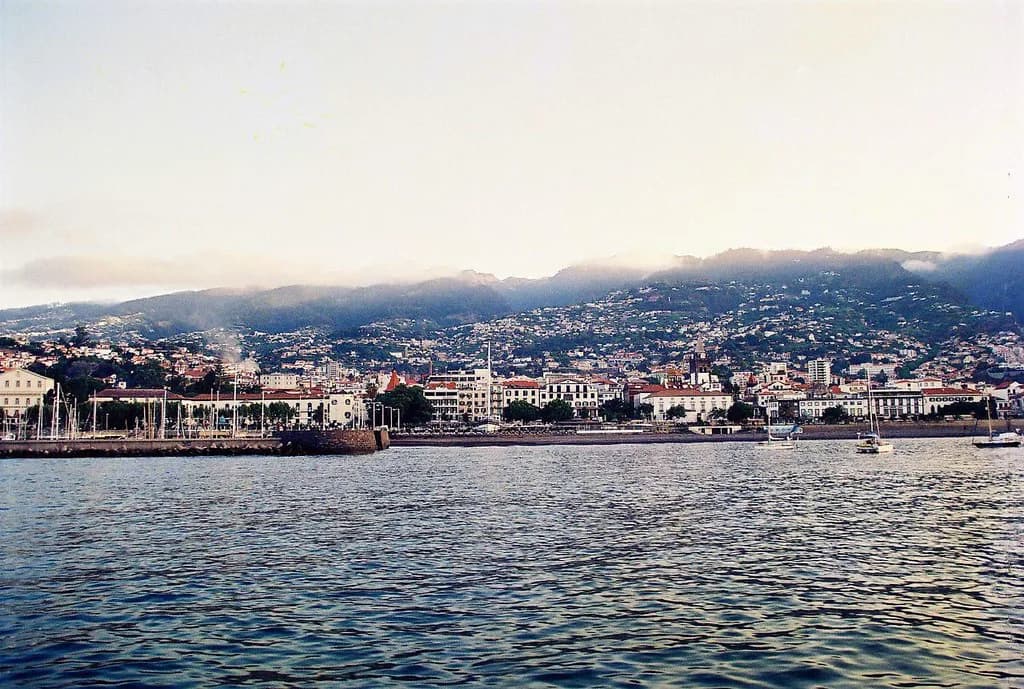
Santa Maria Maior, Funchal: a guide to the Zona Velha
Santa Maria Maior is the eastern parish of Funchal, and the reason most visitors come is the Zona Velha, its old-town centre: a compact grid of narrow lanes running back from the seafront. Give it half a day on foot, ideally from late morning into the evening, and use the cable car at its edge to continue up to Monte rather than doubling back through the city. This guide covers the parish's character, its named sights, its eating and drinking, and how to walk in and out of it.
The distinction matters because the parish and the old town are not the same thing. Santa Maria Maior is a civil parish in the eastern part of Funchal, while the Zona Velha is the historic core inside it, known to the island's first settlers as Santa Maria do Calhau and established between 1423 and 1425. Read the two names as container and contents: the parish supplies the frame, the Zona Velha supplies almost everything you will actually walk through.
Where Santa Maria Maior sits in Funchal
The parish occupies the eastern side of the city, with the old town at its centre running down towards the Atlantic. Because it hugs the waterfront, you can enter it on foot from the seafront promenade or from the streets behind the marina, and leave it uphill towards Monte. Think of it as the city's eastern bookend, with the cathedral parish and the hotel districts to the west.
For planning purposes, treat the Zona Velha as the anchor and the rest of the parish as residential surroundings. The lanes are steep in places and paved with calçada, so flat shoes beat sandals on the polished stone, especially after rain. If you are comparing areas for a short break, the neighbouring parish of São Martinho, Funchal has the hotel concentration and the seafront promenade, while this one has the history and the evening streets.
São Pedro, Funchal sits just to the west and shares the same central-Funchal logic of narrow streets and old churches, so the two are easy to combine in one walk. Neither is a resort district; both reward slow wandering rather than a checklist.
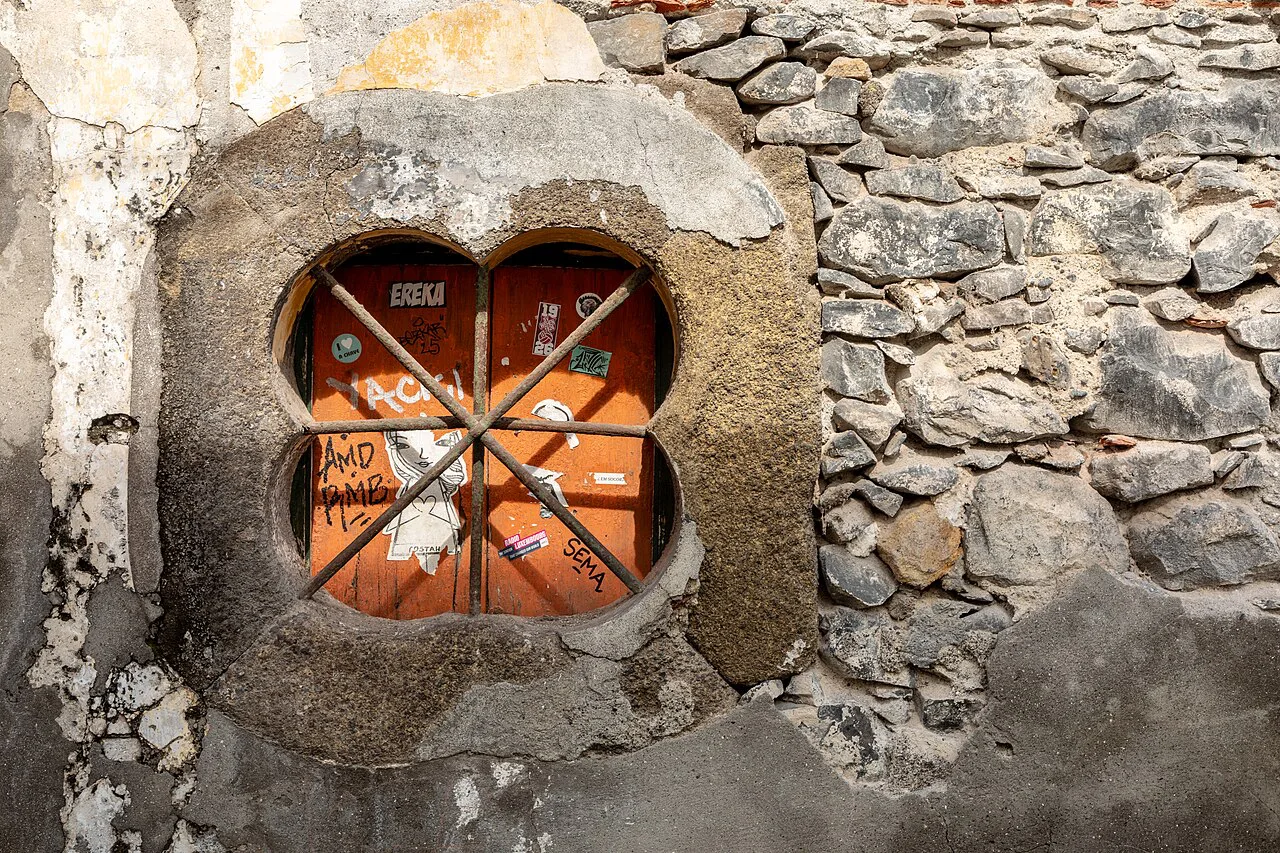

Zona Velha: the old town at the parish centre
The Zona Velha was for many years a forgotten part of the city, and it is now a meeting point across generations, a cultural quarter and a nightlife area. That mix is the honest summary of what you get: restored façades and small museums by day, busy restaurant streets after dark. It is the single most atmospheric place to base a walk in eastern Funchal, and also the noisiest if you sleep on one of its main lanes.
The streets themselves are the sight: meander the narrow lanes before or after a drink rather than marching straight to a single monument. The historic centre keeps a village scale that the rest of Funchal has lost, which is exactly why it fills up in the evening.
The Painted Doors project along the Zona Velha streets
The art painted on the doors of traditional houses by local artists is the district's signature, and it is free to see because it is simply the street. The cultural project Open Doors Art turned the area into a kind of outdoor gallery, so you walk through it rather than pay to enter. Allow an unhurried hour to follow the lanes and look properly; the works are spread across the old town rather than gathered in one place.
Come in daylight for the doors and stay for the streets after dark, since the same lanes carry the evening trade. Photography is easiest in the morning before the restaurant tables fill the pavements.
Fort of São Tiago and its contemporary art museum
The Fort of São Tiago, built in 1614, is the district's most substantial single building and now houses the Museum of Contemporary Art along with a restaurant facing the Atlantic. The combination makes it a natural lunch stop: art inside, ocean in front. Check the museum's current opening days and admission before you build a day around it, since Madeira's museums keep their own calendars.
As with any single-venue stop, the fort works best as part of the loop rather than as a destination on its own. It sits at the seafront edge of the old town, so you can pass through it on the way in or out.
Chapel of Corpo Santo and the Church of Santa Maria (Socorro)
Two old churches anchor the lanes: the Chapel of the Corpo Santo, built in the fifteenth century, and the Church of Santa Maria, also known as the Church of Socorro. Both are small enough to visit in minutes, and both are working places of worship rather than visitor attractions, so dress and timing should follow that. Portuguese churches commonly shut around lunchtime, but confirm the day's hours at the door before you climb the hill for one.
Do not confuse the Church of Santa Maria in the old town with the Igreja de Santa Maria Maior up at Monte, which sits close to the Monte gardens and has a view back over Funchal. They are different buildings in different parts of the parish's wider landscape, and the uphill one is best paired with the cable car.
Reaching the Farmers' Market on foot through the narrow streets
Walking from the Zona Velha to the Farmers' Market through the narrow streets is the most practical way to link the old town with the rest of central Funchal, and it takes you past ordinary shops and doorways rather than along a main road. The market itself is the reward: an assortment of exotic fruits, flowers and local crafts under one roof. Go in the morning when produce stalls are at their busiest, and bring cash for small purchases.
The route is short but uneven, with stepped sections and polished paving, so it is not a stroll for anyone unsteady on their feet. If you are planning a broader itinerary around the city, this walk slots naturally into a day of things to do in Funchal.
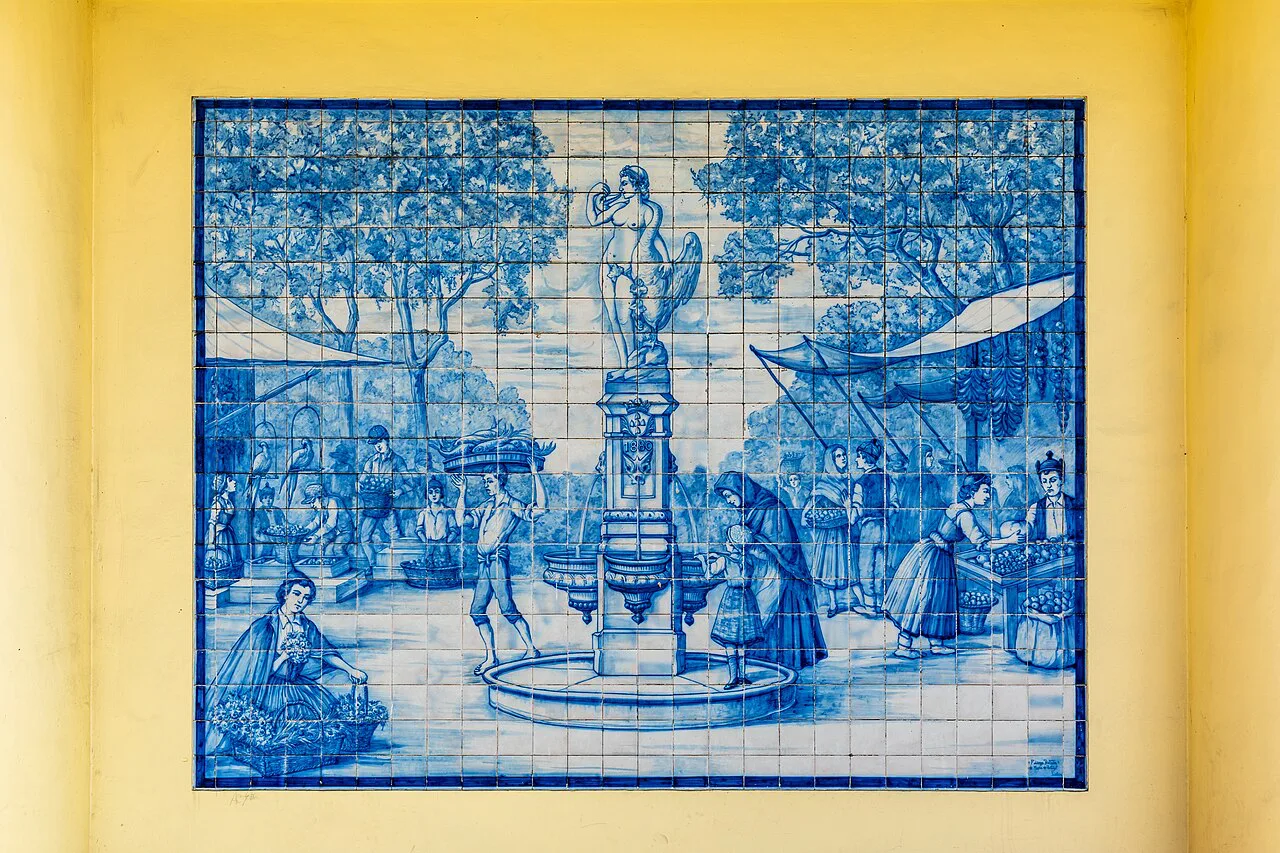

The cable car from Zona Velha up to Monte
The cable car connects the Zona Velha of Funchal to the parish of Monte, which makes it the practical onward link from the old town rather than a separate excursion. Ride up for the gardens and the views, then decide whether to come down the same way or by bus. Buy your ticket at the station and check the day's operating window before you set out, as mountain weather can interrupt service.
Monte, Funchal rewards a couple of hours: the church, the gardens and the viewpoint over the city. It is a genuine change of altitude and atmosphere from the old town's sea-level lanes, and the contrast justifies the fare.
Poncha and the tascas of the old town
Poncha, the traditional drink of the island, is the thing to order in the old town's many restaurants, and the district is dense with small eating places rather than formal dining rooms. Meander first, then pick a tasca by how full it is at lunch, when local trade is a better signal than a menu board. Expect simple dishes and short menus rather than fine dining.
Restaurants in Portugal often close one day a week, and the old town's evening trade means some places run late while others shut early in the afternoon. Ask at the door or check the posted board rather than assuming a kitchen is open between lunch and dinner.
Who the neighbourhood suits and who it does not
This district suits travellers who want atmosphere on foot, old buildings, street art, small churches and a drink in the evening, all within a ten-minute walk of each other. It does not suit anyone who needs level pavements, quiet nights or a swimming pool at the door; the lanes are steep, the stone is slippery and the nightlife is part of the package.
It also suits a short-break itinerary that wants one strong neighbourhood rather than a city spread thin. If your priority is the seafront and resort comfort, look west instead and use the old town as an evening outing.
Getting there and getting around
You can reach the Zona Velha on foot from central Funchal in well under half an hour, following the seafront eastwards, and the parish is compact enough to cross in about fifteen minutes. Within it, everything is walking distance; the only reason to take transport is the cable car up to Monte. Wear shoes with grip for the calçada and expect to climb.
Distances are short but vertical in places, so plan your loop to end downhill if you can. A sensible order is market first, painted doors second, the fort at lunch, the churches in the afternoon and the cable car last.
Is the Zona Velha worth an evening or a whole day?
Give Santa Maria Maior an afternoon and an evening rather than a whole day: the painted doors, the fort and the two old churches fill a few hours comfortably, and the streets are at their best once the tables come out. Use the morning for the Farmers' Market and the late afternoon for the cable car up to Monte, then come back down for poncha and dinner.
If you only have one day in Funchal and want sea views with your city time, split it between here and the western seafront rather than trying to do both halves of the parish. Either way, check the fort museum's opening days and the cable car's operating hours on the day you go, since those two are the only fixed points in an otherwise walkable district.
Explore more Funchal guides
Frequently Asked Questions
Is Santa Maria Maior the same as the Zona Velha?
No. Santa Maria Maior is the civil parish on the eastern side of Funchal, and the Zona Velha is the old-town centre inside it. Most of what you will walk through, including the painted doors, the fort and the churches, sits in the Zona Velha.
Do I need a ticket to see the painted doors?
No. The Open Doors Art project is painted onto the doors of traditional houses along the streets, so it is an outdoor gallery you walk through for free. Wear comfortable shoes, because the lanes are steep and paved with calçada.
Can I walk from the old town to the Farmers' Market?
Yes, and it is the most practical way to link the two. The route follows narrow streets with stepped and uneven sections, so allow more time than the distance suggests and go in the morning when the market is busiest.
What should I drink in the old town?
Poncha is the traditional drink of Madeira and the obvious order in the old town's small restaurants. Pair it with a simple meal at a tasca rather than a long formal dinner, and check the posted board for that day's opening.