
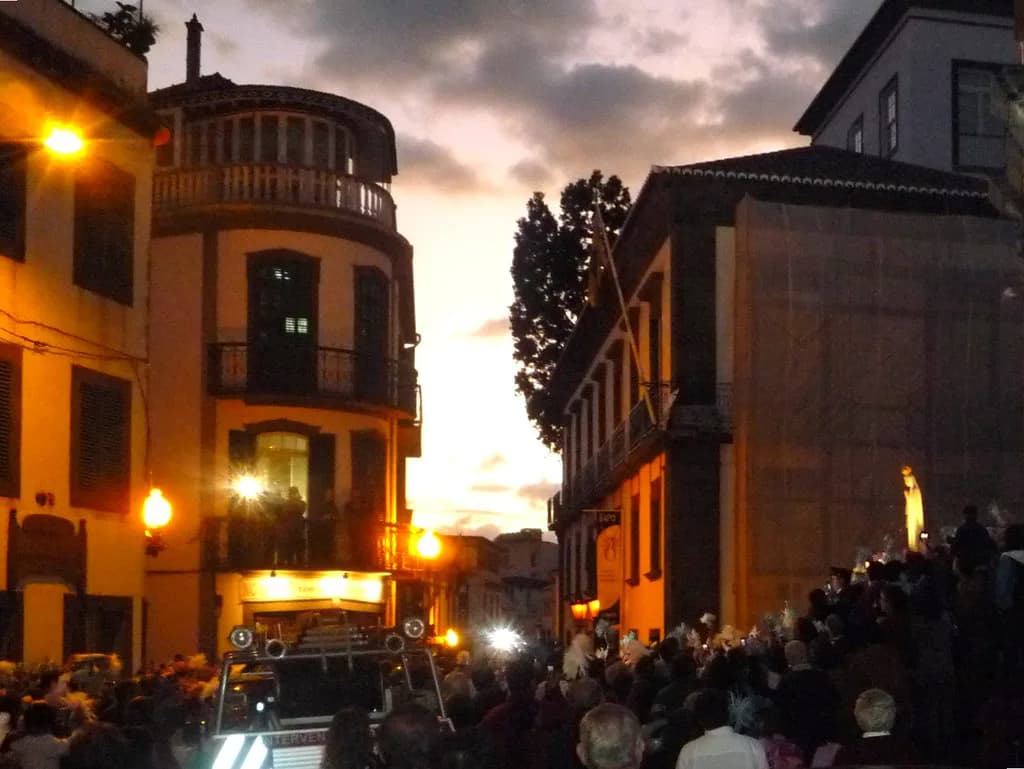
São Pedro, Funchal: the old quarter above the centre
São Pedro suits travellers who want a quiet, lived-in slice of old Funchal rather than a tick-list of sights: give it a half-day, then pair it with the seafront and the centre. The quarter sits just uphill from central Funchal, so the walk itself is the attraction — old lanes, manor houses and a parish church that anchors the whole district. This guide explains the street pattern, the buildings worth stopping for, where to eat and rest in the area, and how to reach it on foot.
Its character is domestic and historic rather than commercial. The houses here have wooden shutters, warmly coloured walls and small gardens with bougainvillea and climbing flowers, and the ambience is calm and residential. Plan São Pedro as a slow loop between the centre and the higher streets, not as a destination you cross town for.
What São Pedro is and where it sits above central Funchal
São Pedro is one of the historic parishes immediately above the flat heart of Funchal, on Madeira's south coast. Its lanes climb from the commercial centre, which means you notice the gradient: the seafront is level, but getting up into São Pedro means walking uphill on calçada cobbles and narrow pavements. Allow more time than the short distances suggest, especially in the afternoon heat.
Because it is residential, the quarter has few formal attractions and no single ticket that covers it. The reward is the fabric of the place — streets that have stayed close to their original course, churches, convents and civic buildings tucked between ordinary front doors. That is why it works best folded into a wider few days in the city covered by our Funchal Neighbourhoods: 4 Area Guides overview rather than saved for a dedicated excursion.
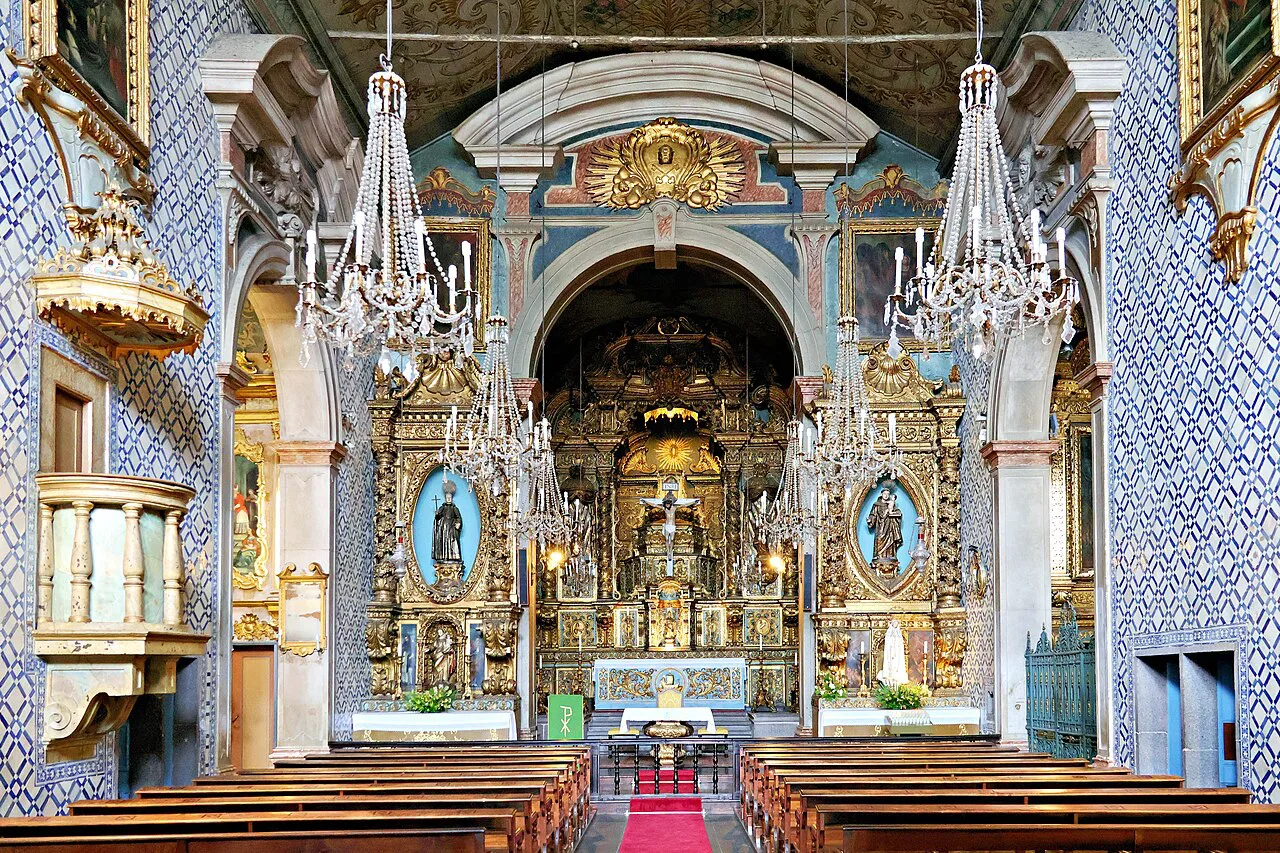

Who the neighbourhood suits and who it does not
São Pedro is right for you if you like wandering old streets, photographing shuttered houses and peering into small gardens, and if you are happy to discover a place at walking pace without a queue or an entrance turnstile. It also suits travellers staying centrally who want an early-morning or late-afternoon walk that feels removed from the busiest parts of town.
It is a poor fit if you have only one day in Funchal and want big-hitting sights, or if steep cobbled lanes are difficult. Travellers with limited mobility, pushchairs or heavy luggage should treat the upper streets as optional and stay on the flatter ground near the centre and the seafront. If you want a viewpoint-and-garden day instead, Monte, Funchal is the better-known contrast; São Pedro is about the streets themselves.
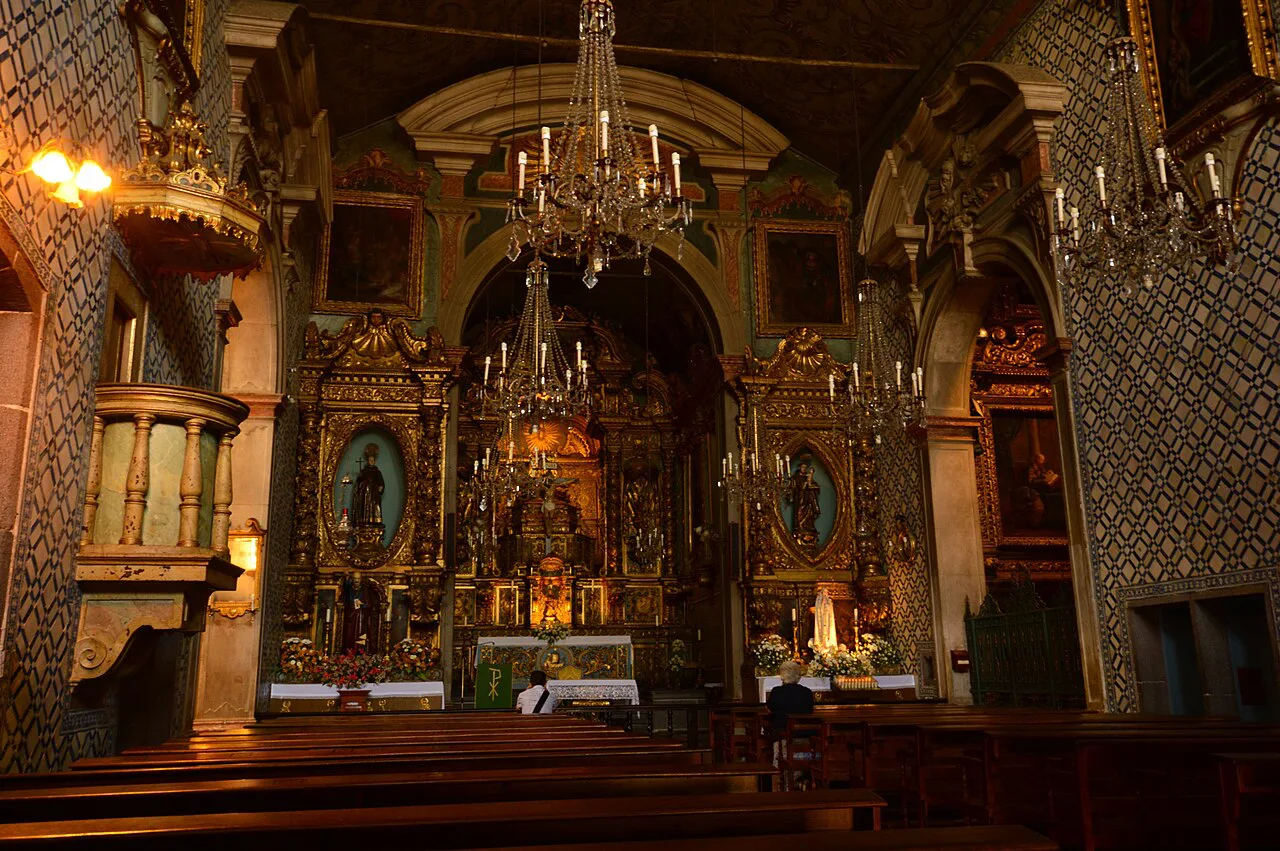

The Igreja de São Pedro and the streets that end at it
Use the Igreja de São Pedro (St Peter's Church) as your orientation point. Four historic streets — Rua da Mouraria, Rua do Surdo, Rua das Pretas and Rua dos Netos — all come to an end at the church, and they have changed little since 1567, when they were first laid out in a street plan. That single fact makes the quarter easy to navigate without a map: pick a lane, walk uphill or downhill, and you will arrive at the church or the centre.
Rua da Mouraria and its civic buildings
Rua da Mouraria takes its name, most likely, from moradia, a manor house that stood in the street in the 17th and 18th centuries; the building is now occupied by the Museu Municipal, the municipal library and an aquarium. That cluster of civic uses in a single old mansion is the most institutional stop in the quarter and a good reason to give the street a few minutes rather than passing through. Check the individual institutions' published opening days before building your day around them.
Calçada de Santa Clara: the Casa-Museu and the Convento
To the north of the historic streets runs Calçada de Santa Clara, where the Casa-Museu Dr. Frederico de Freitas and the Convento de Santa Clara (Santa Clara Convent) sit. Treat them as one stop on the same street rather than two separate outings: walk up, see the frontages, and decide on the spot whether to go in, because the opening arrangements are set by each house and not by the neighbourhood.
A half-day walk through the quarter
Start from the centre in the morning, when the lanes are quietest, and pick one of the four historic streets to climb towards the Igreja de São Pedro. From the church, work north and east: Rua dos Netos lies to the east — originally a private street opened to public use between the 15th and 16th centuries by the family of that name so the Corpus Christi procession could pass — and Calçada de Santa Clara lies to the north. Finish with Rua da Mouraria and its civic buildings, then drop back down to the level seafront for lunch.
Budget two to three hours including stops, and keep the walk flexible: the appeal is looking, not ticking off. If a museum door is shut, move on rather than waiting, and confirm individual opening days before you set out. Carry water and wear shoes with grip for the calçada.
Where to eat and stay within the district
São Pedro is primarily residential, so plan to eat either in the centre or on the seafront rather than expecting a restaurant strip in the lanes themselves. On the practical side, hotels near the Igreja de São Pedro include the Castanheiro Boutique Hotel, Hotel Orquídea and Sé Boutique Hotel; these sit closer to the centre than to the lanes, so weigh the short walk down against the climb back up when choosing a base.
Staying near here puts you close to the church and the old streets while keeping the centre within a short walk downhill. The trade-off is the climb back up at the end of the evening. For a different base in the city, compare São Martinho, Funchal on the western side.
Getting there and moving on
The quarter is walkable from central Funchal: head uphill from the commercial streets and look for the church tower or one of the four named lanes. Allow fifteen to twenty minutes from the seafront at an easy pace, more if you stop. Tactile paving, kerbs and cobbles vary from street to street, so anyone unsteady on their feet should choose the gentler approach rather than the steepest lane.
Common mistakes on a first visit
The usual error is treating São Pedro as a full day out and arriving expecting shops, cafés and a visitor centre. It is a residential quarter, so bring a plan for food and drink elsewhere and give the neighbourhood the half-day it deserves. The second mistake is skipping the church as a mere landmark when it is the best way to understand how the streets are arranged.
Also resist the urge to lump it in with the rest of the island: this is a city walk, and the lanes reward slow time rather than a rushed circuit before a tour pickup. If you are working out how this fits with the wider city, browse the Funchal Attractions: 9 Visitor Guides for the bigger sights to pair with a São Pedro morning.
Should São Pedro be on your short-break itinerary?
Yes, as a half-day walk rather than a headline sight. If you have two or three days in Funchal, slot São Pedro into a morning and use the church as your anchor, then spend the afternoon on the seafront or at one of the city's larger attractions. If your time is tighter than that, prioritise the places that need a ticket and treat these lanes as a bonus.
Explore more Funchal guides
Frequently Asked Questions
Which country is Funchal, Madeira in?
Funchal is the capital of Madeira, an island region of Portugal, in the Atlantic off the coast of North Africa. São Pedro is one of its central historic parishes, just above the city centre.
What currency does Madeira use?
Madeira uses the euro, like the rest of Portugal. Prices in cafés, museums and shops are shown in euros, and cards are widely accepted in the centre of Funchal.
Are there beaches in Funchal?
Funchal's shoreline is mostly rocky and built up, with a Lido complex rather than a long natural beach. São Pedro itself sits uphill from the water, so swimming is a separate outing down on the seafront.