Free Things to Do in Peniche: Coastal Walks, Forts and Markets
A practical guide to the free things to do in Peniche, from the Cabo Carvoeiro headland and old-town lanes to the Fortaleza walls, Baleal and the municipal market.
On this page
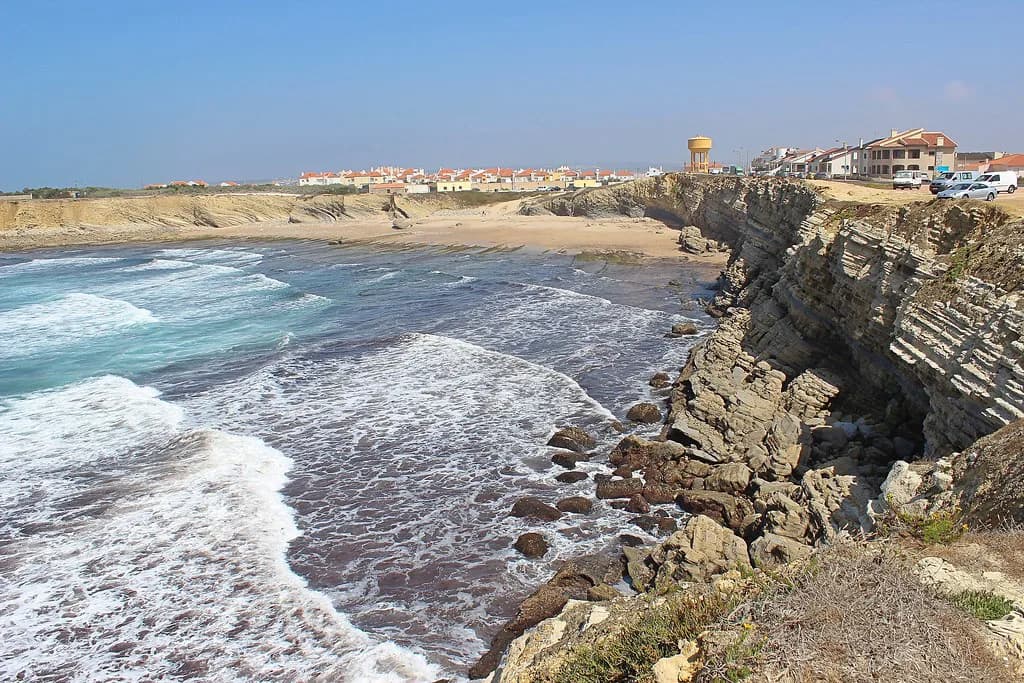
Peniche works as a free short break because the peninsula itself is the attraction: a strip of land roughly 10 km around with the Atlantic on both sides, so headland views, surf-watching and old-town wandering cost nothing. This guide sorts the genuinely free stops from the near-free ones, puts them in a sensible walking order and names the handful of extras that do ask for money.
Budget one full day for the headland, the old town and the fort, then a half-day for Baleal and Supertubos, which sit at the northern end of the peninsula. Peniche lies about 102 km north of Lisbon, which makes it a workable stop on a short central Portugal loop by car.
Cabo Carvoeiro: the headland, the lighthouse and the Berlengas view
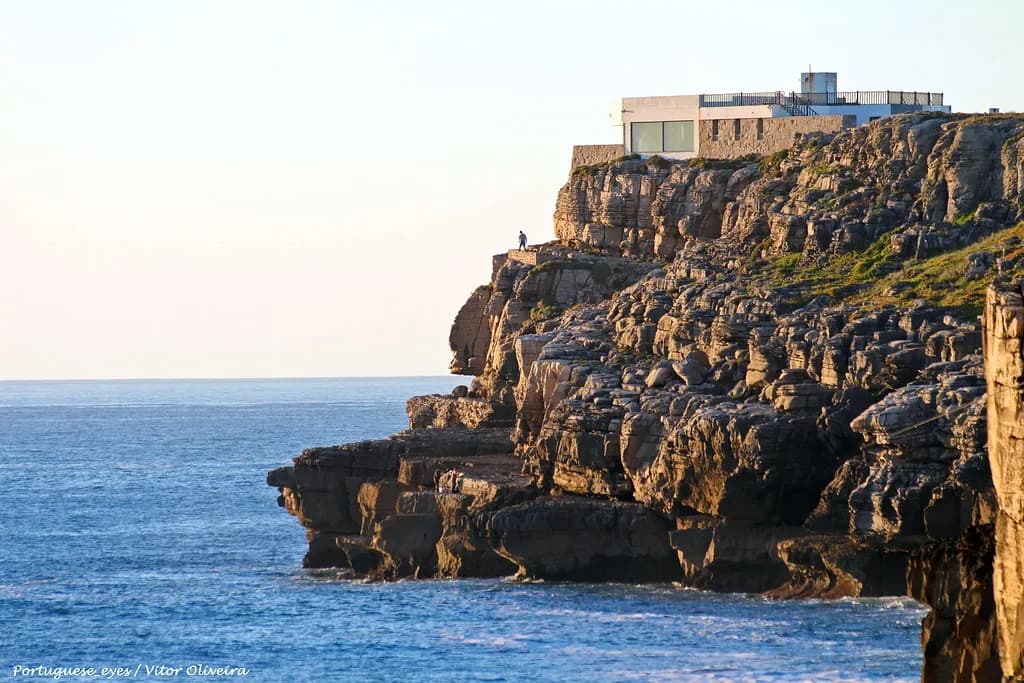
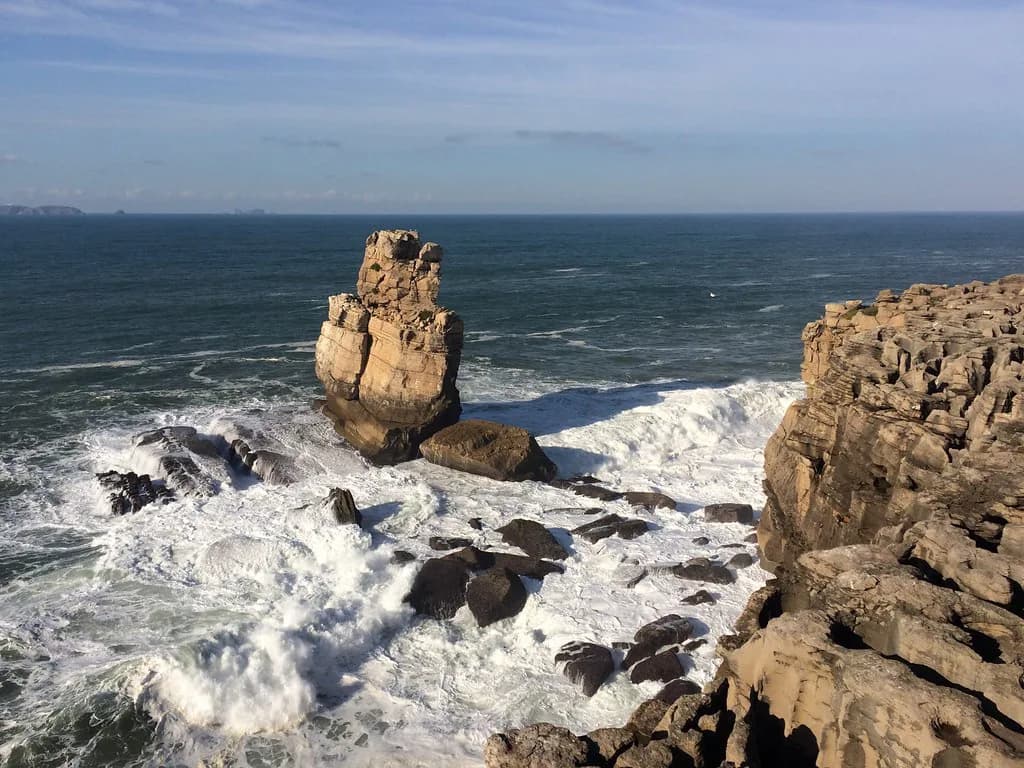
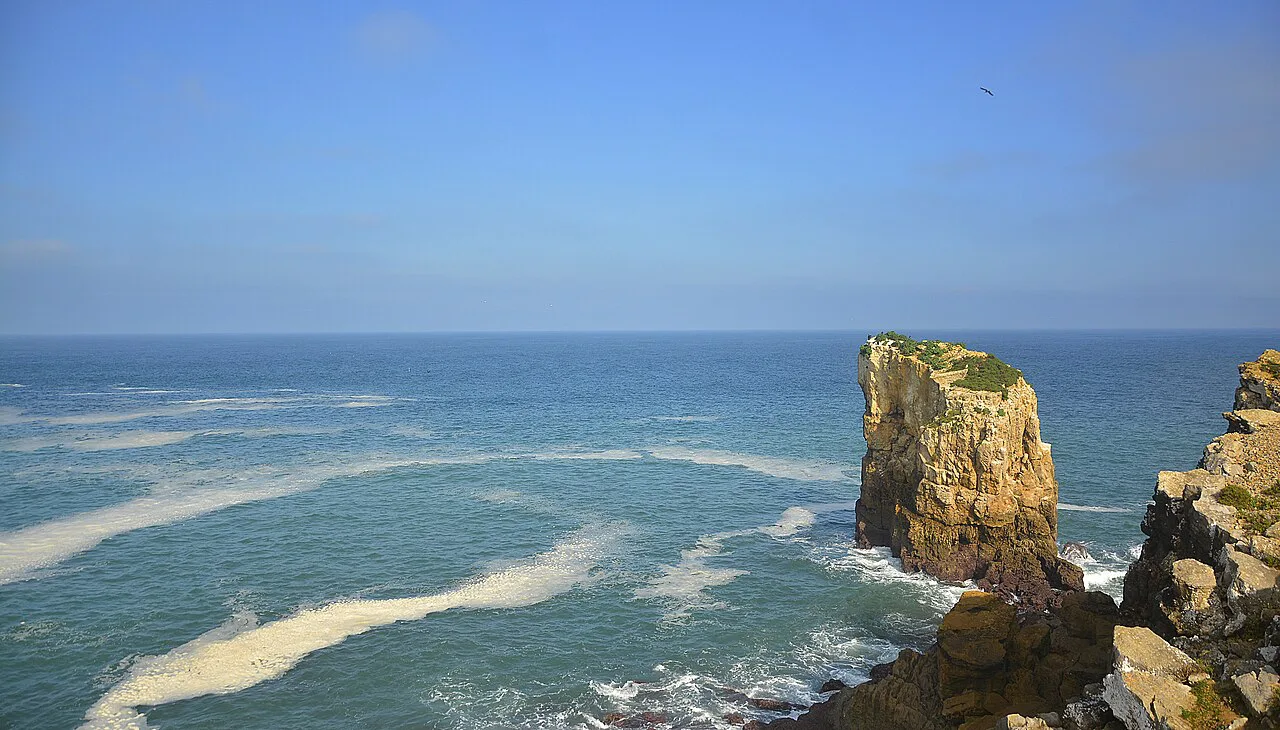
Cabo Carvoeiro forms the western end of the peninsula and is the single best free stop in Peniche, especially in the late afternoon when the light drops over the rocks. The headland viewpoint looks straight out to the Berlengas islands, and the lighthouse setting on the cliff top gives the walk its landmark. Come with time to stand still rather than tick it off; the reward is the view, not an attraction behind a turnstile.
The walk itself is the point: cliff paths, wind off the Atlantic and rock formations that keep photographers busy for an hour longer than planned. If the weather turns, treat the headland as a short stop and save the old-town lanes for later in the day.
Getting here is easiest by car, and parking near the cape lets you combine the headland with a short drive back towards the town. Sunset is the classic slot, so plan the day so you end here rather than starting here.
Walk the old town: a grid laid out after 1755
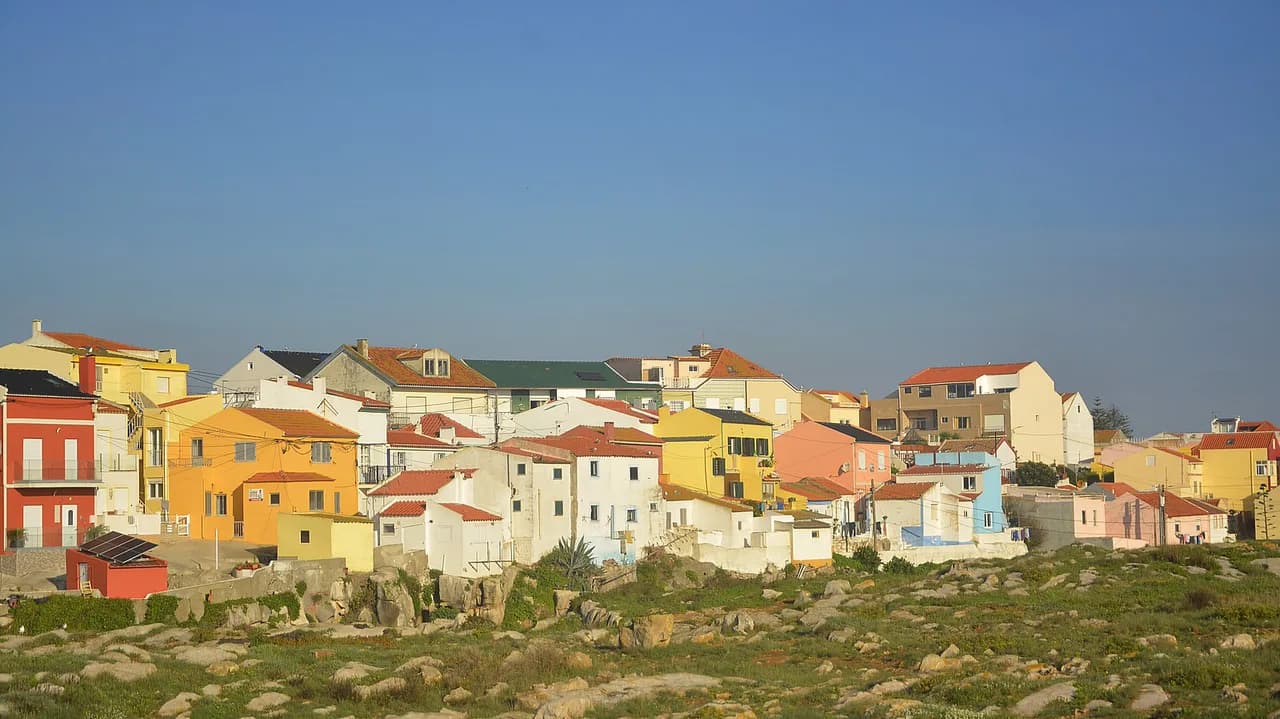
Peniche's historic centre is compact and walkable, and its streets were laid out with ruler and square after the 1755 earthquake destroyed the town. That straight-line plan is why the old town feels orderly rather than medieval; look for the traditional houses with tiled facades, cast-iron balconies and painted frames around windows and doors.
Take it slowly and you will find galleries and workshops tied to Peniche's bobbin lace tradition, a local craft that turns up in shop windows as lace-trimmed keepsakes. Browsing costs nothing and gives the lanes a purpose beyond photography, and the rest of the old quarter is covered in the Peniche Old Town guide.
Do the old town on foot, because the grid is short and the details sit at eye level: the tiles, the balconies, the window frames. The whole circuit takes well under two hours unless you stop for coffee, which most people do.
São Pedro and Misericórdia churches
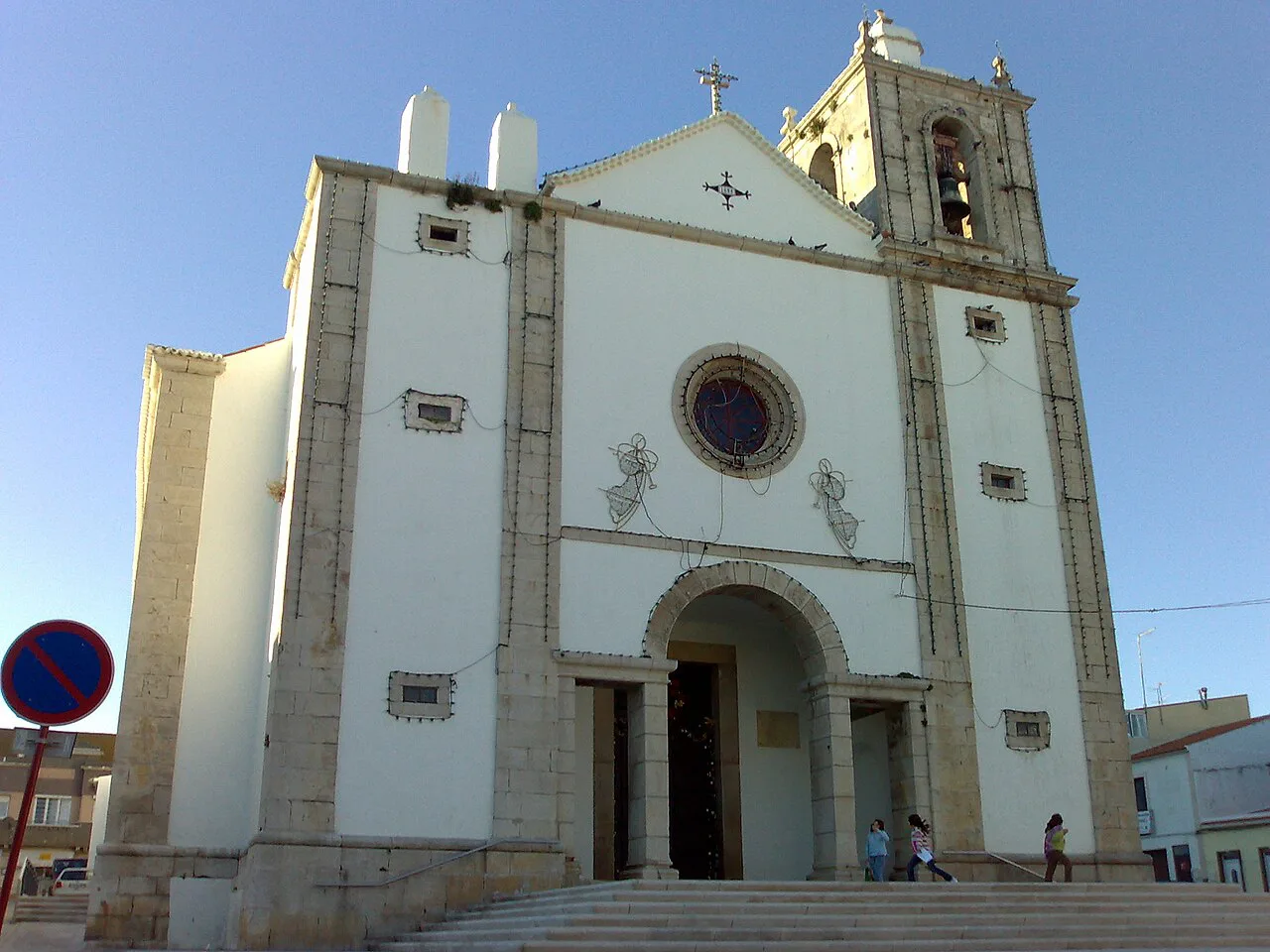
Two old-town churches anchor the walk: São Pedro Church and Misericórdia Church, both worth a pause on the heritage circuit. They are working churches rather than museums, so treat a look inside as a break in the route rather than a scheduled visit.
Set expectations honestly: churches across Portugal often keep limited visitor hours and shut for services. If a door is open, step in briefly and quietly; if it is not, the facade and the surrounding lanes still justify the detour.
Fortaleza de Peniche: the fort and its prison history
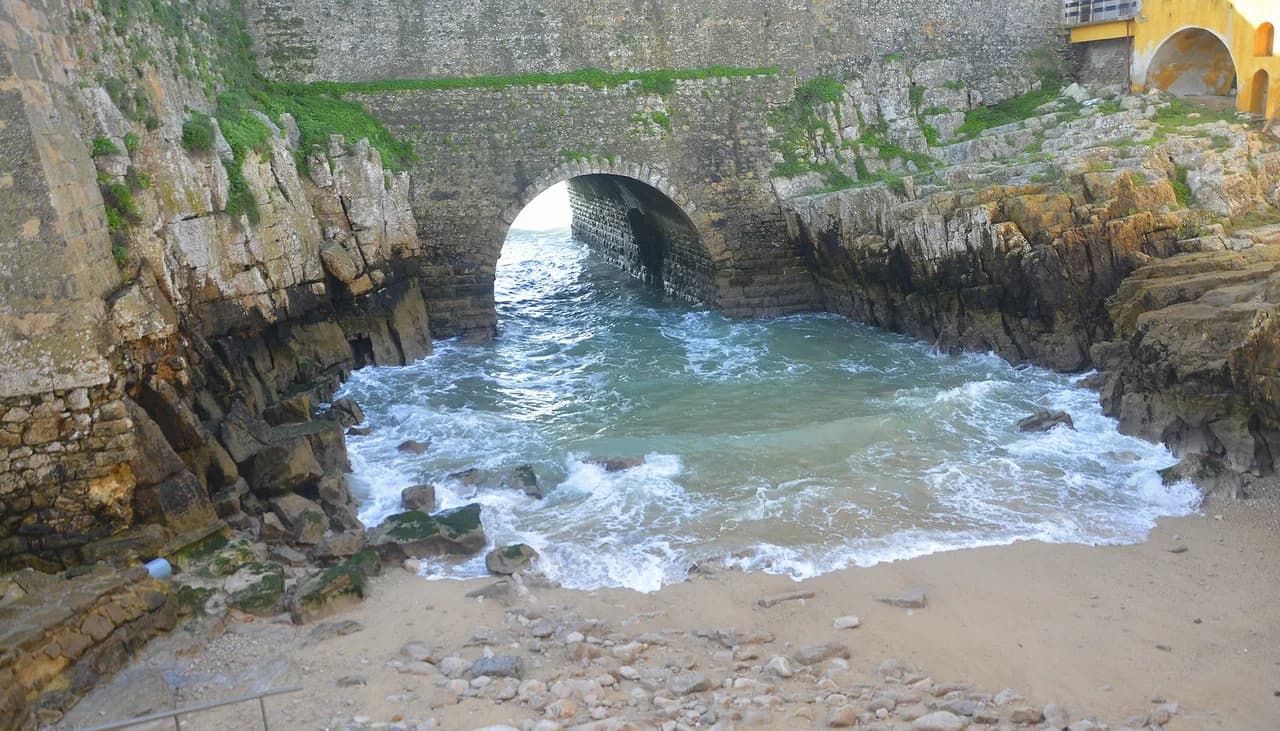
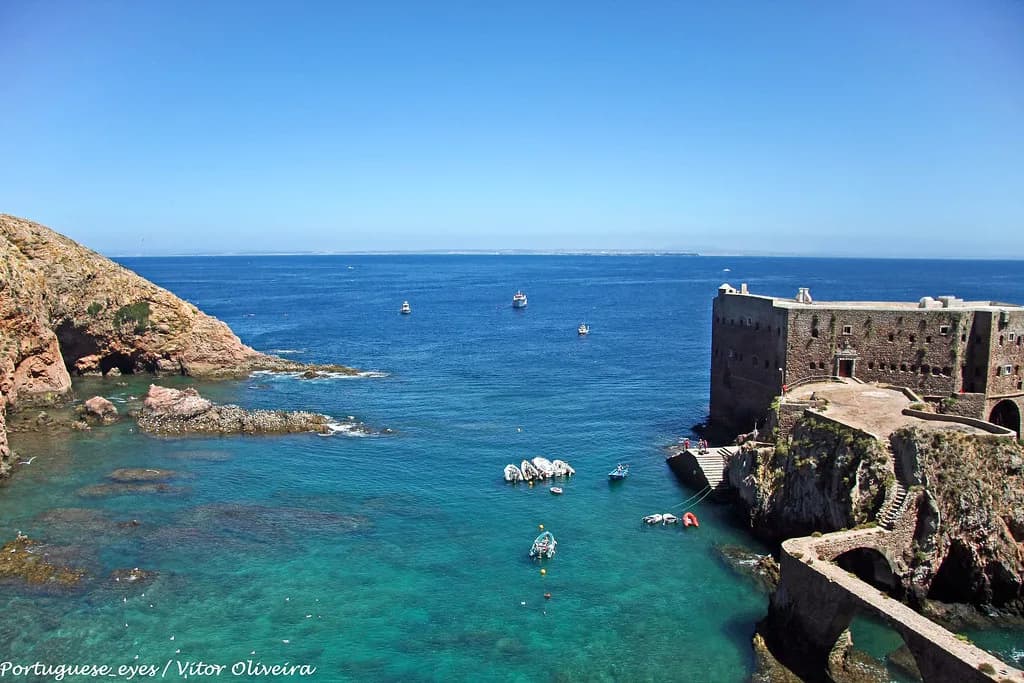
The Fortaleza de Peniche is a 16th- and 17th-century coastal fortification that later served as a jail for political prisoners under the Estado Novo regime, and it now houses the Peniche City Museum. The political-prison history is the reason to make the walk, not a footnote to the architecture.
Approach it as a place to see the walls and the setting from outside, and treat the museum interior as a separate, possibly paid, stop. Hours and any entry charge are best checked with the museum before you build the day around it.
For a wider view of how the fort fits with the beaches and the headland, see the Things to Do in Peniche guide.
Baleal: the sandbar crossing and the surf
Baleal sits at the northern end of the peninsula and is reached on foot across a narrow sandbar, which makes the crossing itself part of the outing. Once over, the rocks give you a free grandstand for the surf, with the Atlantic breaking on both sides of the strip.
This is a half-day rather than a full one: walk the sandbar, follow the rocks, watch the surfers and head back before the wind picks up. Surf beaches at Supertubos and Lagido are the other obvious free spectator stops on this stretch of coast.
Supertubos and Praia de Medão: watch the wave, not the clock
Praia de Supertubos, formally Praia de Medão, is known for a wave that forms a near-perfect tube, which is why surfers and bodyboarders come from far beyond Portugal to ride it. Watching from the sand costs nothing and is the reason many travellers put Peniche on the itinerary in the first place.
The beach is exposed, so bring a windproof layer and expect sand in your shoes; a short watch beats a long sit unless the contest calendar brings a crowd. Pair it with Baleal in the same half-day, since the two sit close together at the northern tip.
Mercado Municipal: browsing the stalls
Peniche's municipal market sits on Rua António Conceição Bento and is a free, working slice of the town, with the widest variety of produce on Saturdays; quality holds through the rest of the week. Go to look and to buy a little, not to tick off a sight.
Morning is the practical slot: stalls are stocked, the town is doing its shopping and you still have the afternoon for the headland. If your short break includes a Saturday, build the market into that morning rather than squeezing it in at the end.
One free day and one free half-day, in order
For a full free day, start in the old town with the two churches and the tiled lanes, walk out to the Fortaleza de Peniche, then take the car or a long walk to Cabo Carvoeiro for sunset. That order puts the street-level stops first and leaves the walls and the headland for the golden hour.
For the half-day, head north first thing to Baleal, cross the sandbar and watch the surf, then drive the short distance to Supertubos before returning to town for the market or a late lunch. Keeping both ends of the peninsula on separate days saves you from criss-crossing the same road twice.
What actually costs money
Two things reliably part travellers from their euros: the crossing out to the Berlengas islands and paid interiors such as the museum inside the fort. Neither is a reason to skip Peniche, but budget for them separately rather than expecting the whole break to be free.
Boat operators publish their own fares and sailing times, and the crossing depends on sea conditions, so confirm with the operator when you arrive rather than assuming a fixed timetable. The islands themselves are a nature reserve and, on a good day, worth building the trip around.
Food is the other variable: fresh fish, lobster soup, grilled sardines and the local stew are the dishes to look for, and prices vary by tasca. None of it is compulsory, and a picnic from the market keeps the day genuinely cheap.
Is Peniche worth a free day of your short break?
Yes, if you want Atlantic scenery and a walkable town rather than a ticketed attraction list. The headland, the old-town grid, the fort walls, the sandbar at Baleal and the market give you a full day and a half-day without spending on entry.
Plan around sunset at Cabo Carvoeiro and a Saturday market if your dates allow, and weigh the Berlengas crossing as the one substantial paid extra beyond any fort-museum ticket. Confirm current opening arrangements for the fort and churches locally before you set out.
Sources
Notes for your next Portuguese break
Optional updates to our town guides.
You might also like
Continue reading
More guides you'll find useful