Peniche Old Town: What to See on a Walk Through the Centre
Peniche old town is a compact grid of fishing streets inside 16th-century walls. Here is what to see on foot, from the Igreja de São Pedro to the fort.
On this page
Give Peniche old town half a day, with the Fortaleza de Peniche as the anchor. The historic centre is a compact grid of fishing streets inside robust 16th-century walls, so you can walk the churches, the harbour front and the fort in one unhurried loop before deciding whether to push on to the cliffs. This guide covers how the centre is laid out, what to look for inside the two main churches, and where the old town ends and the wider peninsula begins.
The mistake most short-break visitors make is treating the centre as a footnote to the beaches. The town itself carries the weight: a working harbour, a fort that doubled as a political prison, and two churches with very different interiors. Two extra hours gets you the lighthouse and cliffs at the tip of the peninsula, but the old town is the part you can do entirely on foot.
How Peniche is laid out
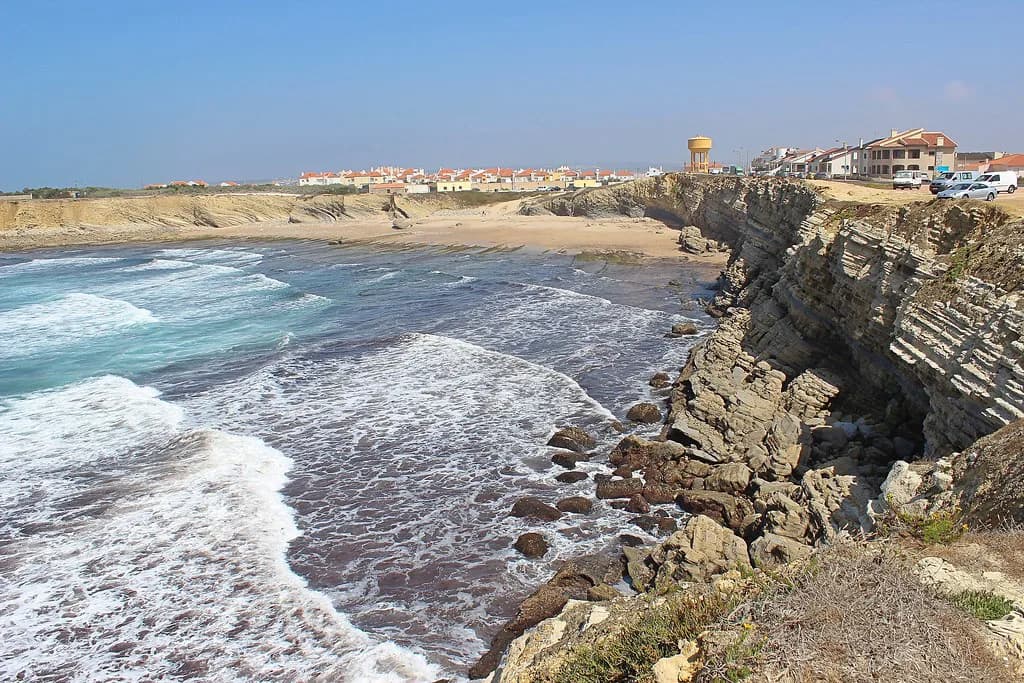
Peniche sits on a rocky peninsula, and much of the town remains protected by a series of robust 16th-century walls. The old port town was once an offshore island as recently as the mid-16th century, which explains why the historic core feels enclosed rather than spread out. Everything a visitor wants in the centre sits within a short walk of the harbour.
Think of the peninsula in three parts: the walled centre around the harbour, the fort at its edge, and the windswept cliffs running out to Cabo Carvoeiro. North of town, the small seaside resort of Baleal draws surfers and beach-lovers to its broad golden sands, but that is a separate outing rather than a stroll from the centre. For an overview of the wider peninsula, see the guide to things to do in Peniche.
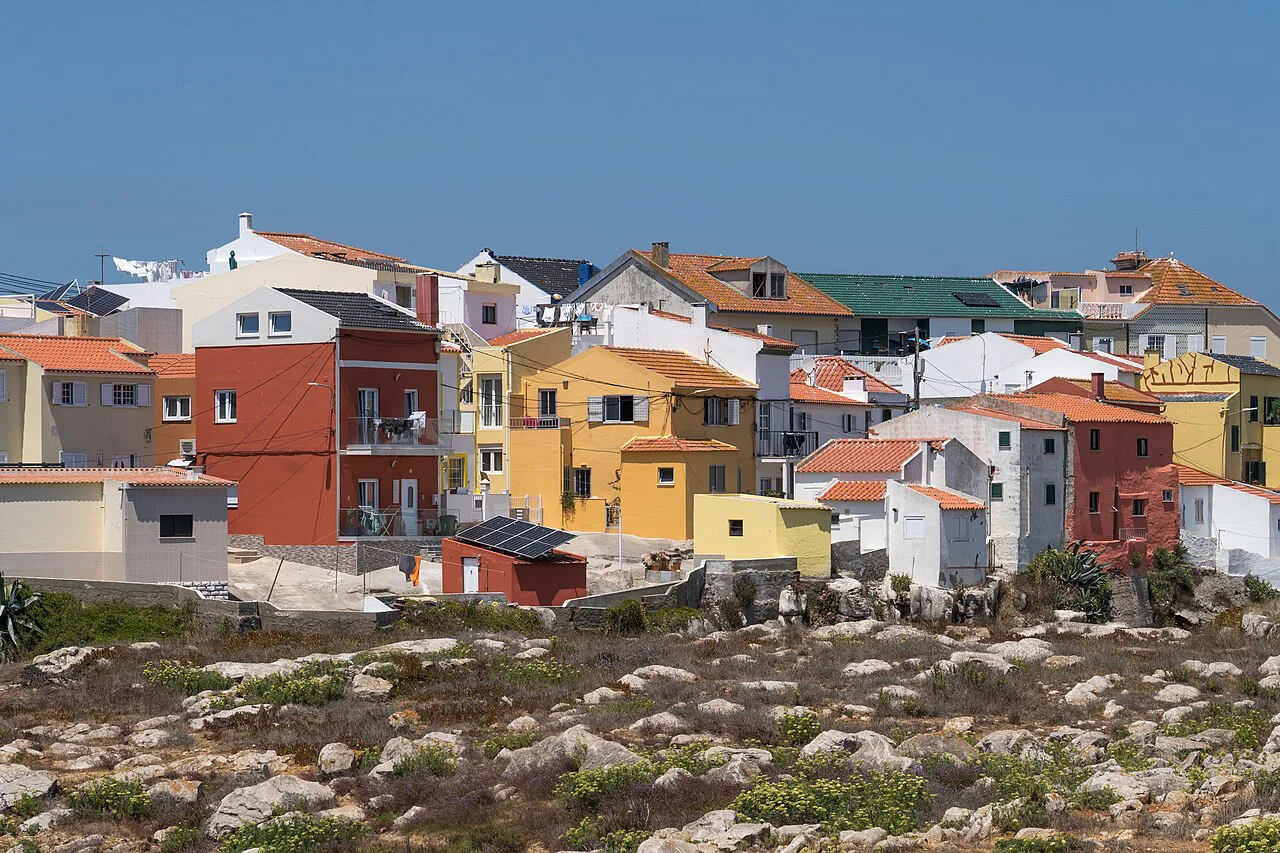
Start at the Fortaleza de Peniche
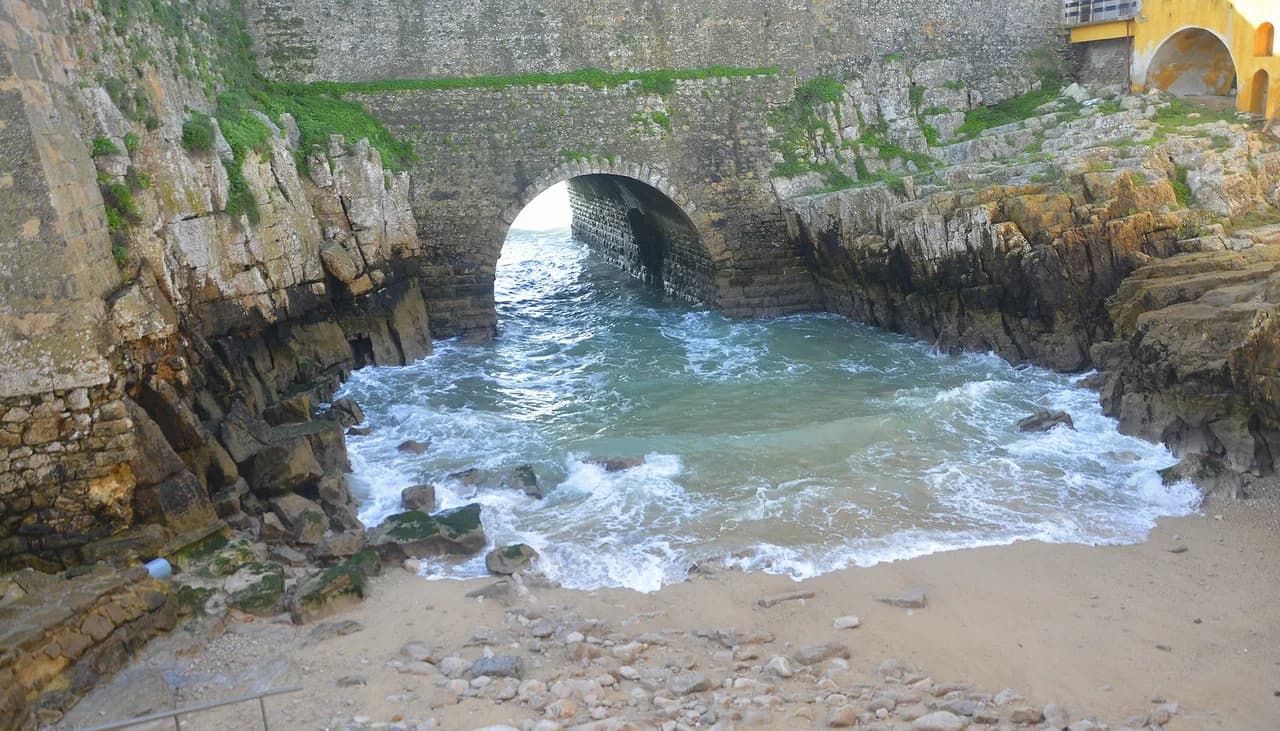
Begin at the fort, because it sets the scale and the history for everything else. Constructed in 1557–70 and attributed to the Italian architect Filippo Terzi, the Fortaleza de Peniche was later enlarged with Vauban-style fortifications. It now houses the National Museum of Resistance and Freedom, so the visit is a museum stop as much as a monument.
The dual identity shapes how long you allow. Salazar used the fort as a high-security political prison, and the communist leader Álvaro Cunhal escaped from it in 1960; that history is the reason the resistance museum exists inside the walls. Treat it as your first stop of the morning rather than a quick photo, then walk back into the streets with the context you need.
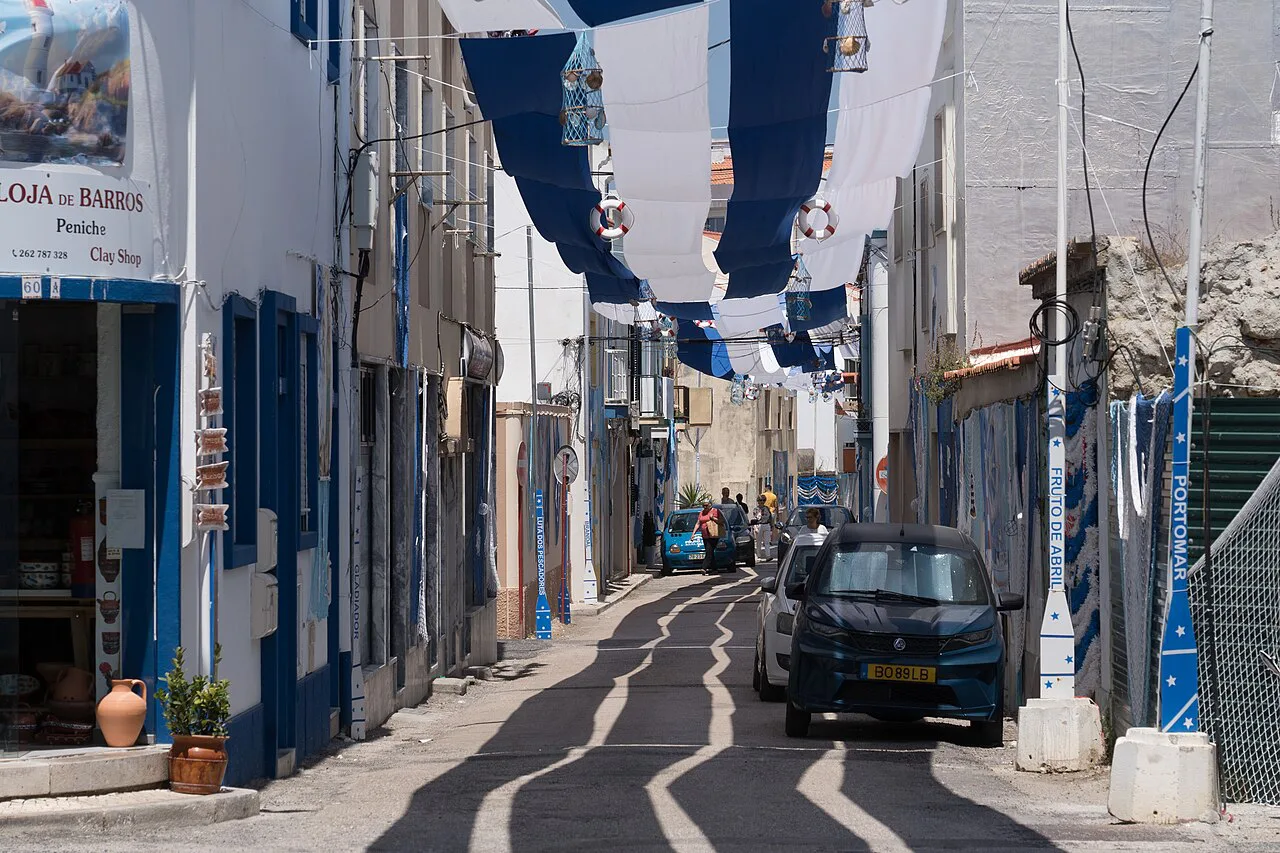
The Igreja de São Pedro and its fishermen's relics
The town's handsome parish church, the Igreja de São Pedro, was built at the end of the 16th century and holds a fine collection of fishermen's relics. That detail is what makes it worth stepping inside rather than admiring the façade: the church reads as a record of the community that built the harbour. It sits within the historic core, so slot it into the middle of your walk.
The Igreja da Misericórdia and its Josefa de Óbidos paintings
Nearby, the church of the Misericórdia features outstanding paintings by Josefa de Óbidos, Portugal's renowned 17th-century female artist. Pair the two churches deliberately: São Pedro for the fishing heritage, the Misericórdia for the art. Both sit within the historic core, which is why the old town rewards a slow pace rather than a checklist.
Beyond the two parish churches, the lovely chapel of Nossa Senhora dos Remédios carries a series of outstanding azulejo panels depicting the life of the Virgin. The tiled narrative is the draw here, so build the chapel into your route if you want the decorative arts as well as the paintings.
Walking the 16th-century town walls and gates
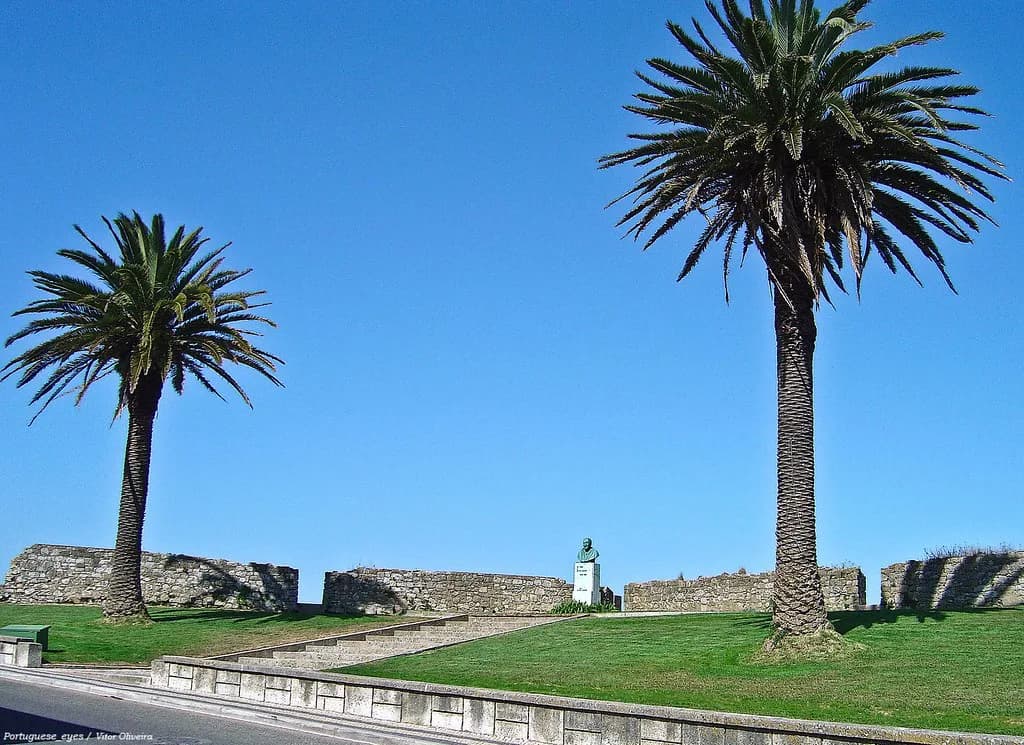
The walls are the old town's defining feature, built by the Spanish to hold off English invasions in the time of Francis Drake, and they still wrap much of the centre. Walk alongside them slowly rather than hunting for a formal trail: the point is the sense of an enclosed port town rather than a monument with an entrance. The walls make the layout legible, which helps you plan the rest of the day.
For the deeper story behind the fortifications and the prison years, the Peniche history guide fills in what the streets only hint at. It is worth reading before you arrive so that the walls read as layers rather than scenery. If your interests lean towards collections and displays, the Museums in Peniche guide covers the museum side of the town.
The harbour front: fishing boats and seafood
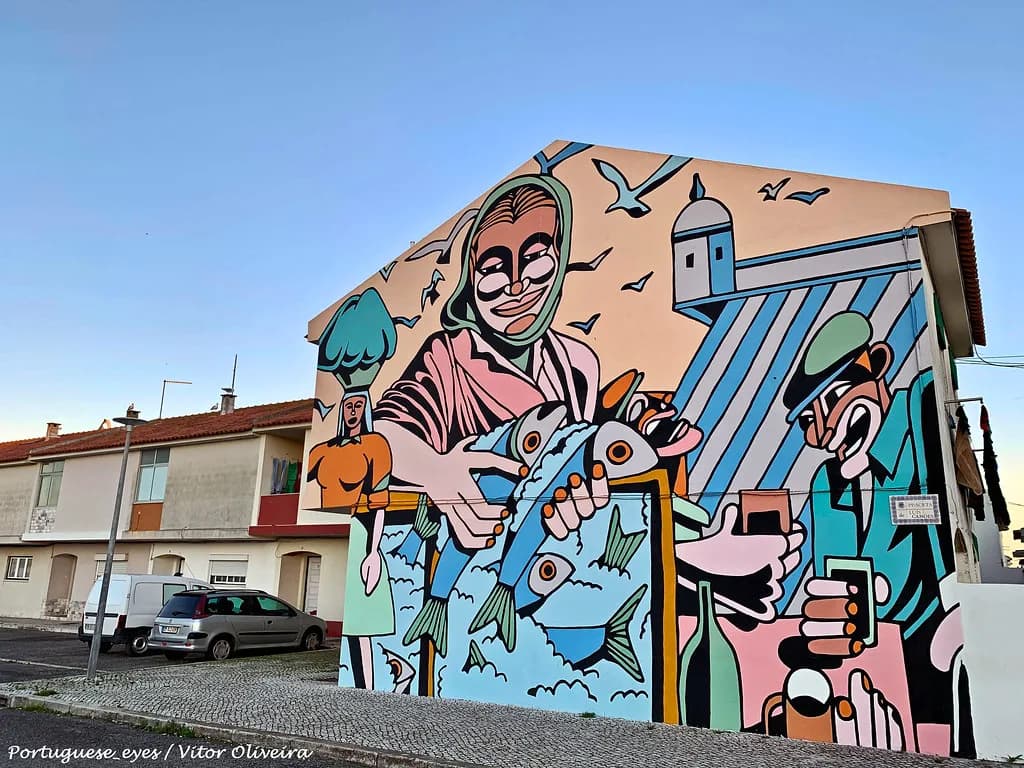
Down at the harbour, the centuries-old setting is a picturesque scene of bobbing fishing boats of all colours, flanked by eateries serving some of the freshest fish and seafood on Portugal's Atlantic coast. Peniche was a busy canning centre in days gone by, and the working port still gives the centre its purpose. Lunch here is the obvious pause in a walking day.
For specific picks rather than a general sweep of the harbour, the Peniche restaurants guide narrows down where to eat in the centre and beyond. Keep the meal relaxed: Peniche was a busy canning centre in days gone by, and this is a fishing town whose cooking follows the catch.
If you are travelling on a budget, the free things to do in Peniche guide shows how much of the centre, walls and coastline you can cover without spending. Most of the old town's appeal is in the walking itself.
Cabo Carvoeiro and the cliffs at the end of the peninsula
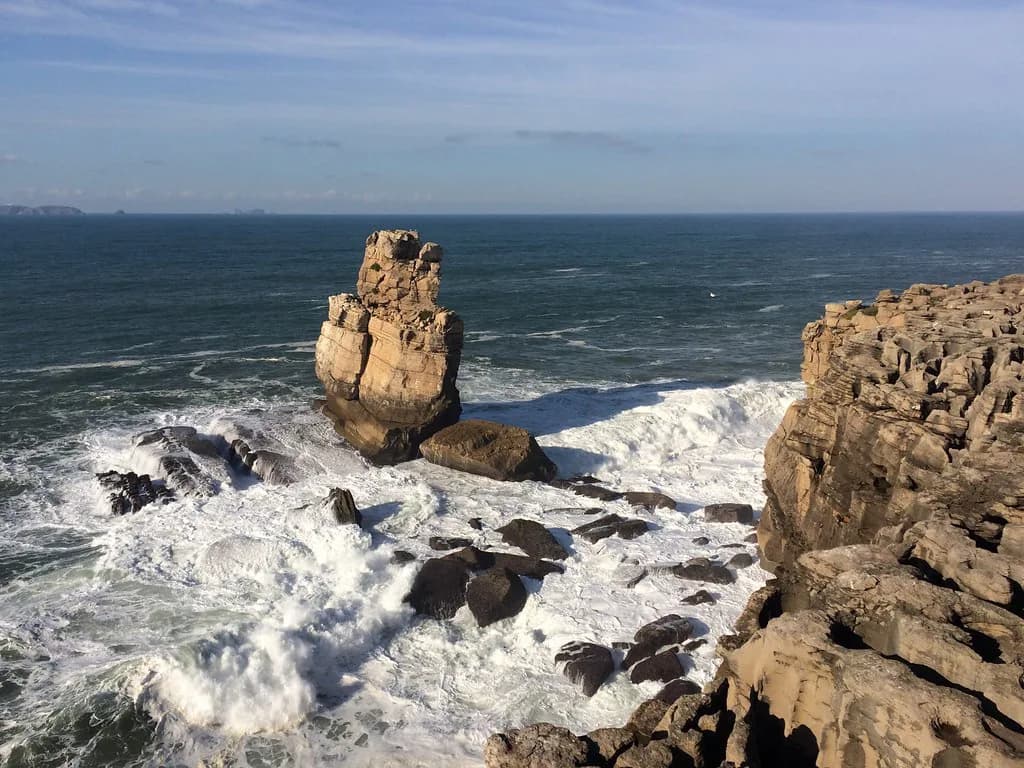
Push out along the peninsula to Cape Carvoeiro, one of the westernmost promontories on the European mainland, where the lighthouse dates back to the mid-18th century. The cliffs here are fringed with towering rock and deep caverns, and the views take in the Berlenga Islands some 12 kilometres offshore. It is the natural end point of a walking day that started in the centre.
The cliffs are exposed, so wind and spray shape the experience more than any opening time. The free things to do in Peniche guide keeps this stretch in context with the rest of the peninsula.
Furninha Cave: a prehistoric site in the cliff
On the peninsula you also pass Furninha Cave, a natural cavity occupied and used as a necropolis during the Palaeolithic and Neolithic periods. It is a geological and archaeological stop rather than a visitor centre, so read up before you look. Combined with the lighthouse, it gives the cliffs a second reason beyond the view.
Adding Berlengas: the boat and the nature reserve
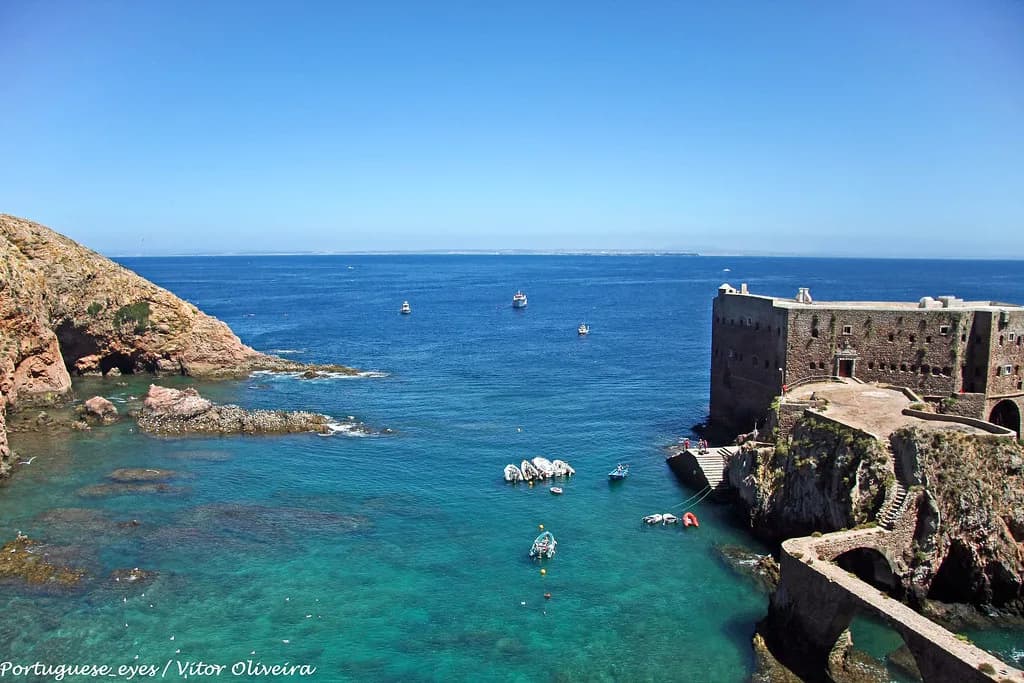
The Berlengas archipelago offshore is a protected nature reserve and seabird sanctuary, accessible by boat from the town's port. Great cliffs rise sheer out of clear green water, and the rocky shoreline is edged with coves and grottoes. The boat leaves from the port, so the old town and the crossing share the same base.
Treat the island as a half-day add-on rather than a casual stroll, because the crossing and the time ashore reset your day. The Berlengas Islands from Peniche guide covers what the crossing involves and how to shape the trip.
Honest trade-offs: when the old town is enough
The old town is compact and walkable, but it is not a walled museum town on the Óbidos model. Its pleasures are the harbour, the fort and the two churches, with the cliffs as the payoff; anyone wanting picturesque lanes alone may find half a day generous. If your trip leans towards surfing, the surfing in Peniche guide is the better starting point for the northern beaches.
For an honest read on whether the town suits a one-to-four-day break, see Is Peniche Worth Visiting? What Peniche Does Well, and Who It Suits. Óbidos, Caldas da Rainha and Lourinhã all lie within easy reach if you want a second base for the day, and the Peniche market guide covers the shopping side of town.
Which half of the day belongs to the old town?
Give the centre the morning and the cliffs the afternoon. Start at the Fortaleza de Peniche, work through the Igreja de São Pedro and the Misericórdia, take the harbour for lunch, then decide whether Cabo Carvoeiro or the Berlengas boat earns the rest of the day. That order keeps the walking short and the choices open.
The centre's layout rewards curiosity more than ticking off sights. The walls, the harbour and the two churches sit close enough that the walk itself becomes the visit, and the wider peninsula is there when you want more.
Explore more Peniche guides
Frequently Asked Questions
Is Peniche old town walkable in a morning?
Yes. The historic centre is compact enough to cover the fort, the two main churches and the harbour front in a morning at an unhurried pace, leaving the afternoon for the cliffs or a boat trip.
Do I need a car to see the old town?
No. The centre, the walls and the harbour are best done on foot. A car helps for the wider peninsula, Cabo Carvoeiro and the beaches around Baleal, but it is a hindrance inside the historic core.
Sources
Notes for your next Portuguese break
Optional updates to our town guides.
You might also like
Continue reading
More guides you'll find useful