Berlengas Islands from Peniche: Ferry, Access Fee and What to See
Plan a day on the Berlengas islands from Peniche: book the boat, register for the compulsory access fee, see the fort and pack for an Atlantic crossing.
On this page
The Berlengas are a small Atlantic archipelago about 10 kilometres off Peniche, and a day there is the wildest thing you can do on a short break in this part of Portugal. Berlenga Grande, the only island most visitors land on, pairs a 17th-century sea fort and a fishermen's quarter with cliffs, caves and clear water inside a protected reserve. This guide covers the two separate bookings, what to see on the island, the rules that shape the day and whether the crossing earns its place in a two- or three-day trip.
Treat the Berlengas as a half-day to full-day excursion that depends on sea conditions, not as a beach afternoon you can improvise. Berlenga Grande is reached by boat from Peniche, and everything else — the fee platform, the fort, the walking paths — follows from that.
What the Berlengas are, and where they sit
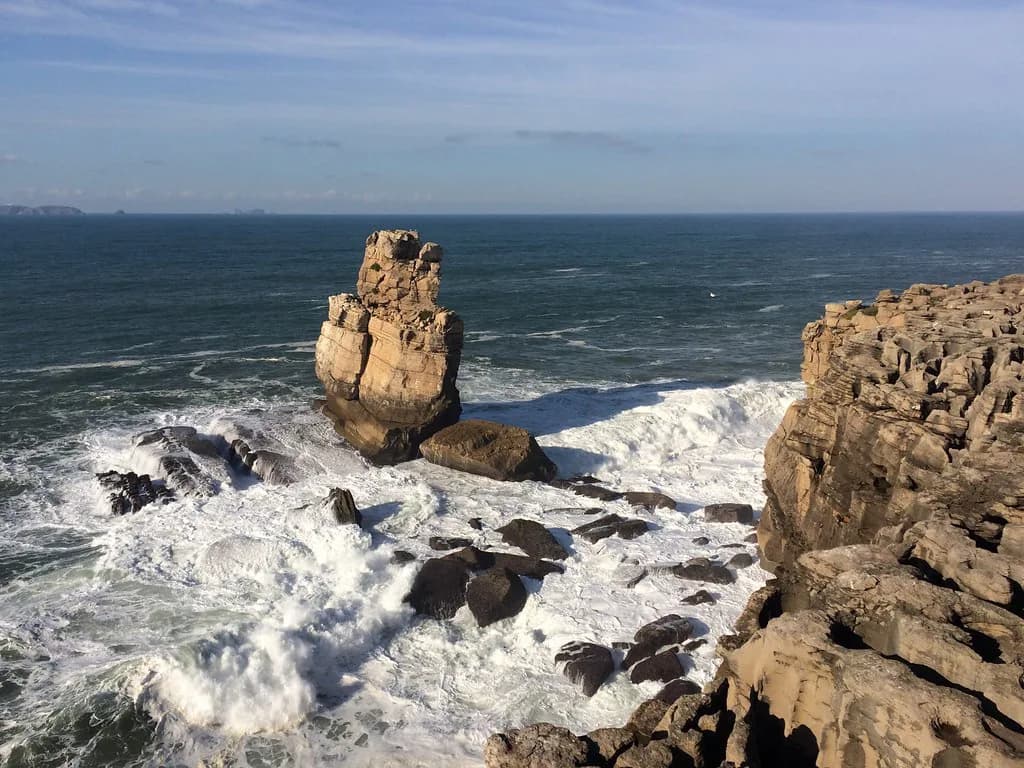
The archipelago is made up of three island groups — Berlenga, Estelas and Farilhões — and holds Nature Reserve status as well as UNESCO World Biosphere Reserve designation. That protection is the reason the place feels empty of development: the appeal is cliffs, caves, seabirds and clear water rather than promenades and cafés.
Berlenga is the most visited island in the group and the one served by the boats, with rugged cliffs, small golden beaches and sea caves along its edge. Birdlife is the other draw: besides gulls, the reserve shelters endangered species such as the airo, its symbol, and an endemic plant, armeria berlengensis, found nowhere else.
For a Peniche itinerary, the islands are the counterweight to the town itself. Spend your arrival day on the peninsula getting your bearings — the things to do in Peniche cover the fortress, the harbour and the old lanes — and keep a full day free for the crossing, because the boat and the weather call the tune.
Booking the boat from Peniche
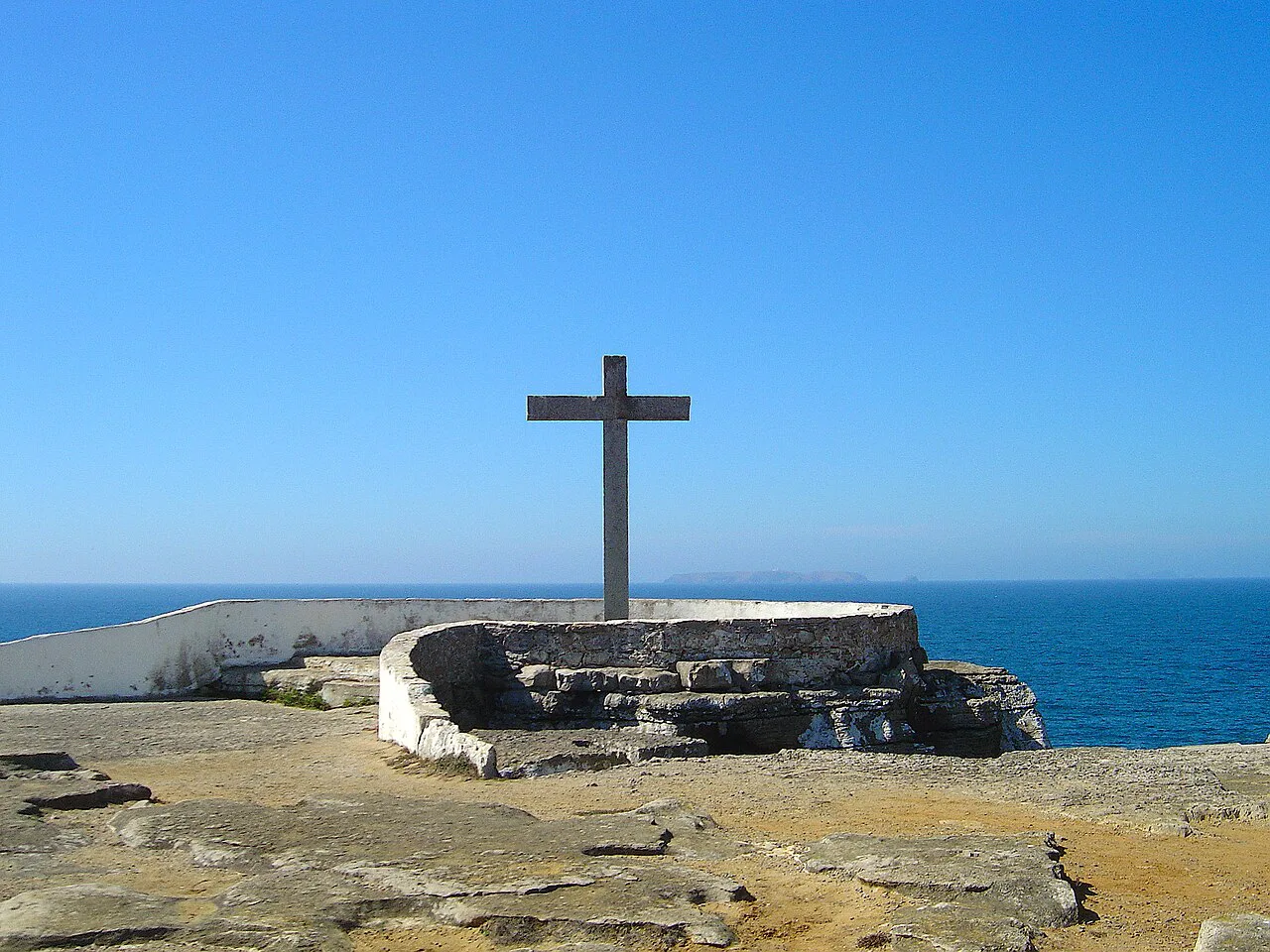
Boats leave from Peniche, and tickets can be bought online or at a sales kiosk in Ribeira Velha, next to the Peniche Fortress. Book ahead, especially in the summer months, when demand outruns capacity; arriving at the kiosk on the morning you want to sail is a gamble outside low season.
Ribeira Velha sits below the fortress walls, so the kiosk is easy to find on a first wander — the same area covered in the Peniche old town walk, where the harbour streets climb towards the Fortaleza de Peniche. Check the sea forecast before you commit, since the crossing is open Atlantic water.
Keep two bookings in your head. The boat is one purchase, made with the operator; the island access fee is a separate registration on a government platform, and you need both before you set foot ashore.
The compulsory Berlenga access fee and visitor cap
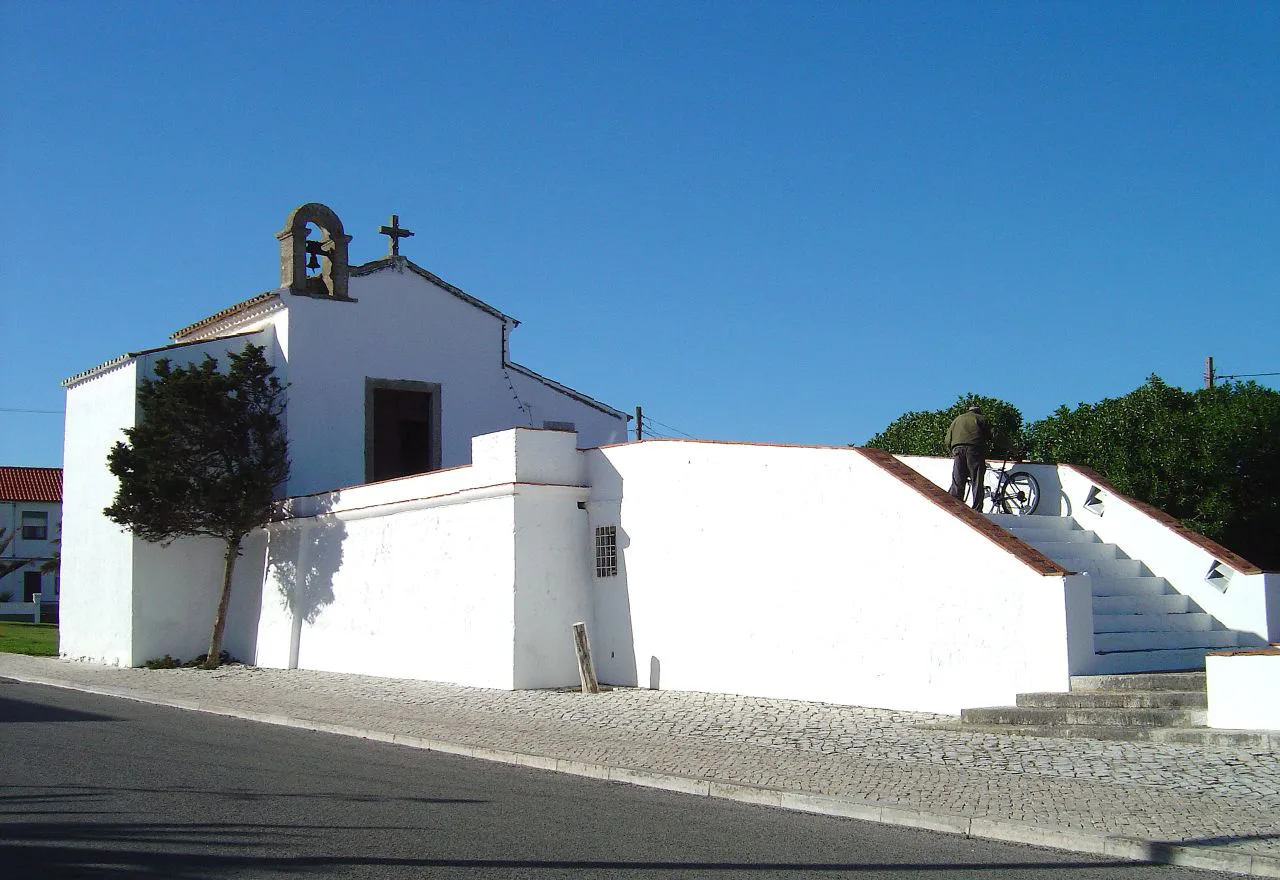
Berlenga is a Biosphere Nature Reserve with a limited number of visitors per day under Decree 19/2022 of 5 January, so disembarking requires registration and payment of an access fee. Do this through the ICNF platform at berlengaspass.icnf.pt before you arrive at the harbour — it is a separate step from buying your boat ticket.
The fee is described as a tourist tax that must be paid before disembarking, again through the official platform. Check the amount on the registration page when you book rather than budgeting from an old figure.
In practice, sort the ICNF registration alongside the boat booking: the daily cap means a crossing on its own does not guarantee you can land. Doing both early saves a scramble if your preferred date is busy.
Parking in Peniche before the crossing
If you drive to Peniche, there is a paid car park near the fortress, roughly €2 for five hours, but spaces are not always available, so arrive well in advance of your sailing. That figure is a guide from the operator's visitor information rather than a fixed tariff, so check the rate on arrival.
The alternative is to park further out and walk down to Ribeira Velha, which keeps you flexible if the harbour car park is full. Either way, build a buffer: missing the boat because you circled for a space is a frustrating way to lose a day.
What to see on Berlenga Grande
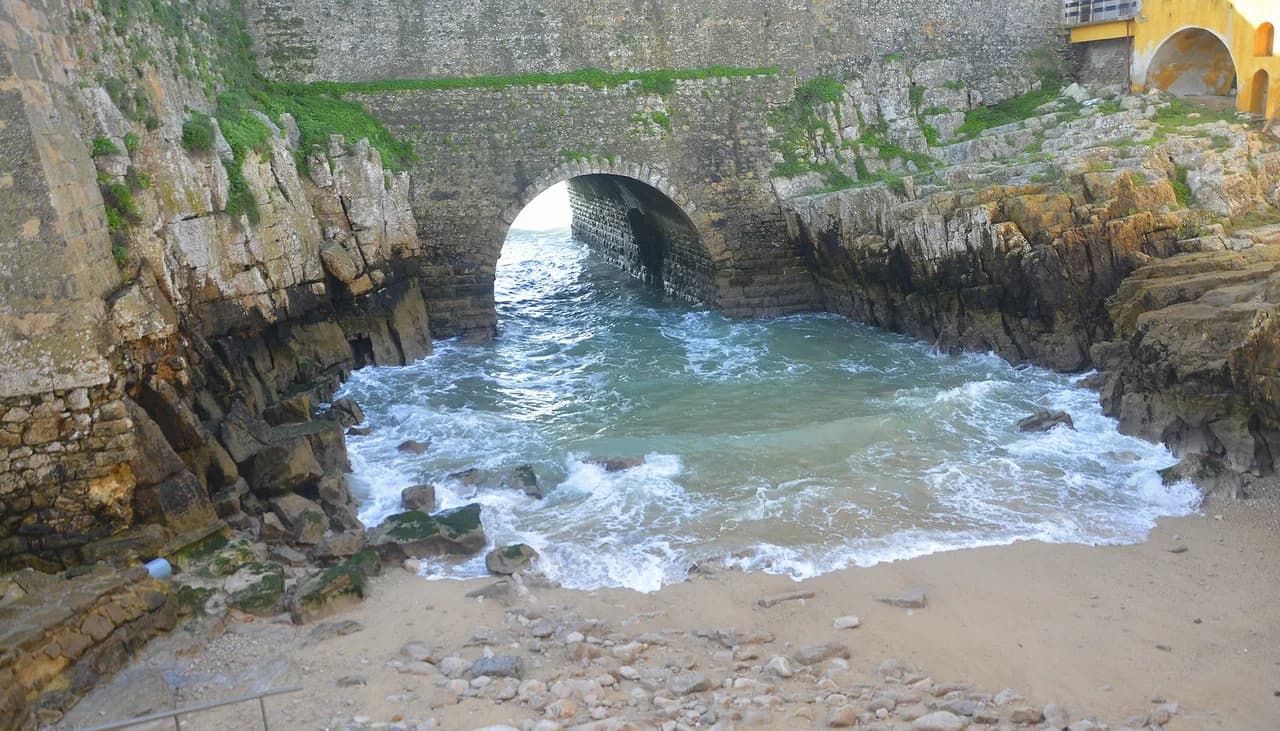
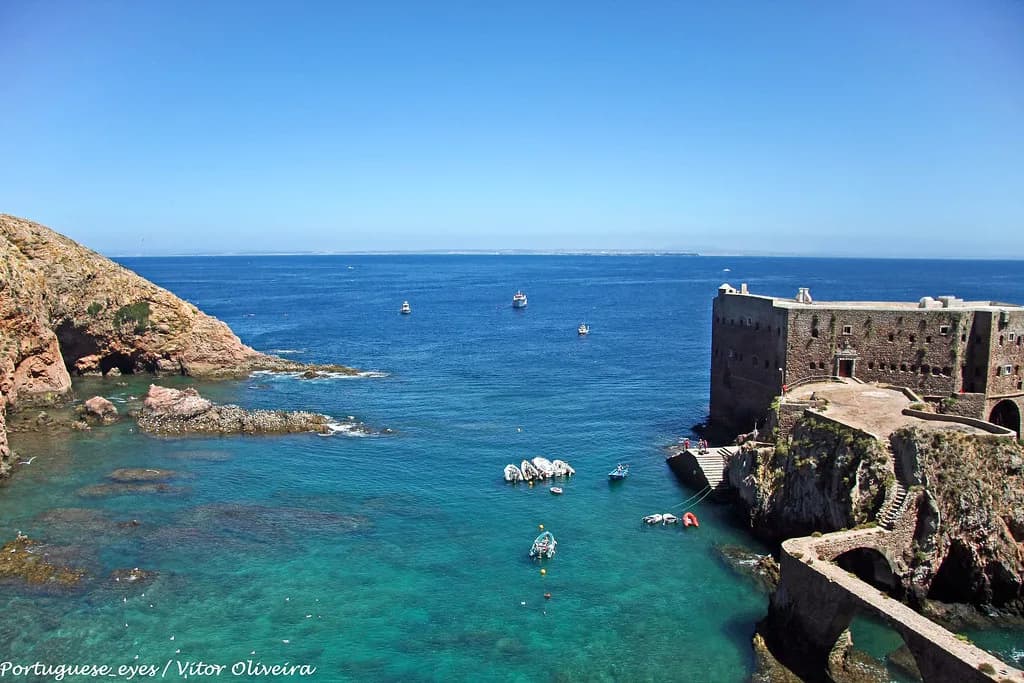
The Fort of São João Baptista is the island's emblem, a 17th-century military structure built on rocks in the sea and linked to Berlenga by a narrow stone bridge. It was raised to defend the coast from pirates and privateers; today the draw is the walk across the bridge and the ocean views from the walls. Respect the monument's rules and stay out of roped-off areas, some of which are genuinely dangerous.
Praia da Berlenga Grande is the best-known beach on the island, a small cove of golden sand washed by clear blue water and good for a swim rather than a long lie-down. Behind it, Bairro dos Pescadores, the old fishermen's quarter of colourful houses, gives a sense of how people lived here.
The Farol Duque de Bragança, built in 1841 and modernised since, still guides boats through these waters and offers wide sea views. Finish at O Castelinho, a small fortress with a curious history, and the Interpretive Centre, which explains the island's natural and human story before you head back to the boat.
Sequence the day around the fort first, while you have energy for the bridge and the rocks, then the beach and the fishermen's quarter, leaving the lighthouse and centre for the afternoon. Distances are short, but the paths are uneven and the sun is strong with no shade, so a slow pace with pauses beats a checklist.
On the water: caves, islets and snorkelling
Boat excursions run to the surrounding islets and caves, which is the best way to see the rock formations and sea arches up close. Diving and snorkelling are popular in the clear water, and the marine life around Berlenga includes species that make the reserve worth protecting.
Operators run day trips that pair the crossing with time on the island, and booking platforms list them alongside other options. Compare what is included before booking, since some packages bundle the cave trip and others leave you to arrange it on the day.
Note that parts of the sea around the islands are marine protected areas where diving and other water activities are restricted. Follow the marked anchoring zones and the dive briefing rather than anchoring wherever looks empty.
Reserve rules to know before you land
Berlenga is a reserve first and a visitor attraction second, and the rules are enforced as such: stay on marked paths, light no fires, and do not remove stones, shells or plants. Do not feed the animals, and keep noise down near bird nesting areas — the island is a breeding site, not a backdrop.
Drones are prohibited by law because of the nesting birds, which catches out photographers who assume open landscape means open skies. Take your rubbish back to the mainland or use the bins provided, and separate waste where bins allow.
None of this is onerous, but it does shape what you pack and how you move. A day bag with a reusable water bottle and a bag for your own litter fits the reserve ethos better than a picnic spread.
Food and beds on the island
Eating on Berlenga is simple. Mesa da Ilha is the sit-down restaurant for a proper meal with a knife and fork, while the Castelinho snack bar serves quicker, simpler food, useful if you want to maximise time on the paths. Both are small, so in high season expect to eat at off-peak times.
If you want to stay overnight, the island has three simple accommodation options: a hotel operating as a bed and breakfast, accommodation linked to the Fort of São João Baptista area, and a campsite arranged through the Peniche tourism office. Book well ahead in high season; staying over is the way to see the island with fewer day trippers around.
Back in Peniche, the eating is a different league — the Peniche food scene runs on cataplana, bacalhau and just-landed fish, and after a day of sea air and sandwiches you will want it. Book somewhere for the evening rather than improvising when you are tired.
What to pack for an Atlantic crossing
Bring layers and a jacket whatever the month, because conditions change fast offshore, plus comfortable shoes for the trails and the fort's stone surfaces. Sunscreen, a hat and sunglasses are essential — the island has little shade — and a swimsuit and towel make sense if you plan to use Praia da Berlenga Grande.
Carry water and snacks: supplies on the island are limited, and the walking works up a thirst. Binoculars or a camera reward the birdlife, and a waterproof layer earns its place on the crossing itself.
Is Berlenga worth it? The honest trade-offs
Yes, if you accept that the day is shaped by the sea rather than by you. The rewards are wild cliffs, clear water, seabirds and a sense of remove that no mainland beach near Peniche can match; the costs are the trip's dependence on sea conditions, summer crowds competing for the daily cap, and the real possibility that wind or swell cancels your sailing.
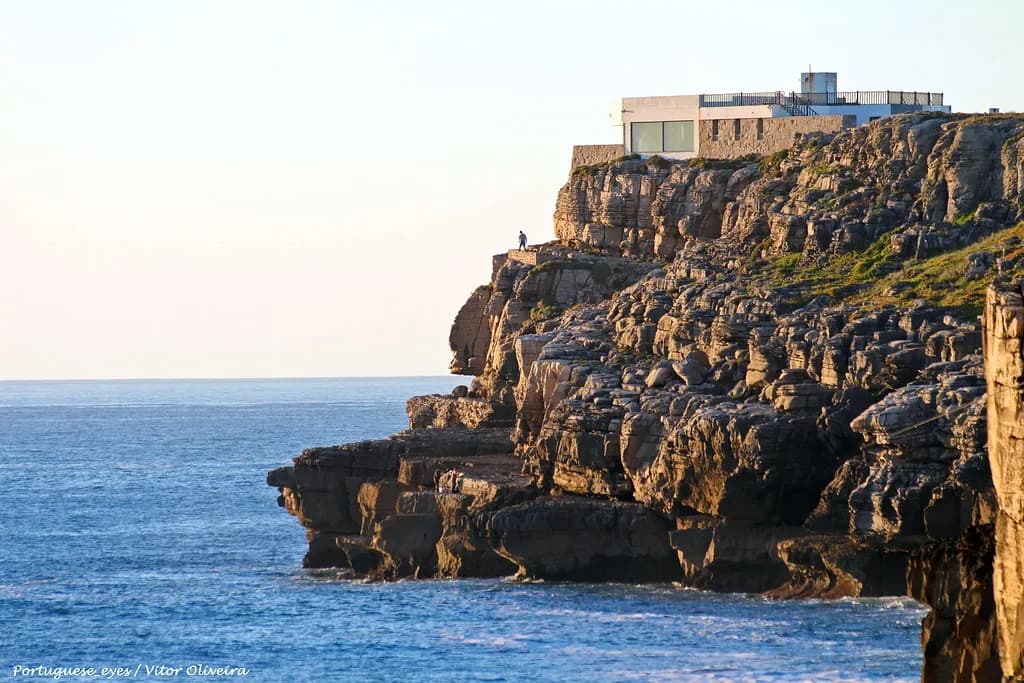
For a one- or two-day trip to Peniche, the islands are the highlight if the weather cooperates and a wasted morning if it does not. Build them into the middle of your stay, with mainland plans on either side, so a cancelled crossing can be swapped for the Cabo Carvoeiro clifftop or the Peniche museum rather than ending the trip on a low note.
If you are still deciding whether Peniche deserves the time at all, the answer turns on this kind of day: a working harbour town with wild islands on its doorstep. It rewards travellers who like boats, birds and walking more than those who want a resort.
How to slot the Berlengas into your Peniche days
Register on the ICNF platform first, then book the boat, then plan the island itself: fort in the morning, beach and fishermen's quarter at midday, caves or lighthouse in the afternoon. Keep the crossing mid-stay so bad weather costs you a morning, not a trip.
If you have days left after the islands, the Peniche boat trip options and the town's own sights fill them easily. Check the sea forecast and the ICNF page the day before you sail, and the rest follows.
Explore more Peniche guides
Frequently Asked Questions
How long is the boat ride to Berlengas?
Crossing times depend on the boat and sea conditions, and operators give the schedule with each sailing rather than a single fixed duration. Ask when you book at the Ribeira Velha kiosk or online, and treat the crossing as open Atlantic water that can be rough.
Do I need to book the island access fee separately from the boat?
Yes. The boat is bought from the operator, while disembarking on Berlenga requires registration and payment of an access fee through the ICNF platform at berlengaspass.icnf.pt, under the daily visitor cap set by Decree 19/2022. Sort the fee alongside the boat, because the boat can have space when the island quota does not.
Sources
Notes for your next Portuguese break
Optional updates to our town guides.
You might also like
Continue reading
More guides you'll find useful