Surfing in Sagres: Breaks, Levels and Lessons
Surfing in Sagres means Atlantic swell, cliff-backed beaches and wind that decides your session. Here is how Tonel and the town breaks differ by level.
On this page
Surfing in Sagres is about reading conditions rather than ticking off a famous wave: the town sits at the south-west tip of the Algarve, where Atlantic swell meets cliffs, and the wind frequently decides whether a session is worth paddling out for. The breaks fall into two rough groups, the town beaches around Sagres itself and the more exposed sand at Tonel, tucked between the west and south coasts beside the fortress. This guide covers how those breaks differ, why an early session usually beats the afternoon, what a beginner lesson involves and how to fill the rest of a short break.
If you are still deciding whether the town deserves a slot in your Algarve itinerary, the honest answer is that Sagres rewards travellers who want big Atlantic scenery and a slower pace rather than a resort strip. Surf is one reason to come, but the fortress, the cliffs and the walk out towards Cabo de São Vicente carry the rest of a short stay.
What surfing in Sagres is actually like
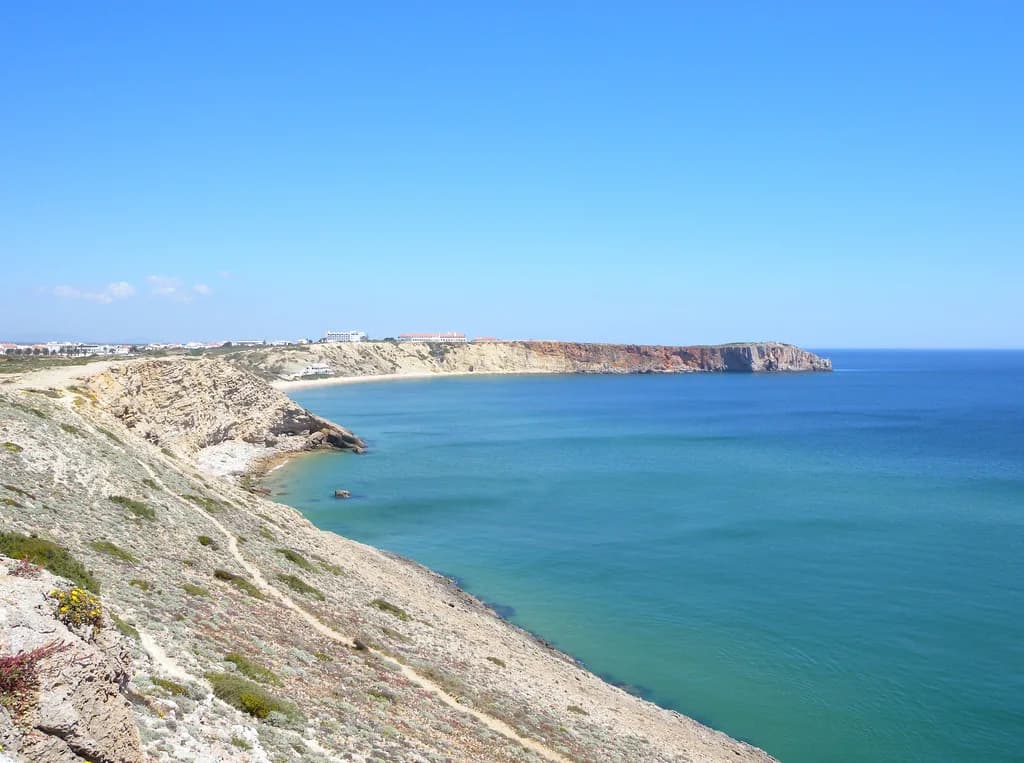
Sagres faces open Atlantic water, so the swell arrives with real power and the cliffs and coastline shape how each beach works. That geography is what makes the town a surf destination rather than a swimming one: the same conditions that produce clean waves at one break can leave another choppy at the same time.
The practical consequence for visitors is that you plan around the wind as much as the swell. A light early breeze can give you a workable session on a beach that becomes messy by mid-afternoon, and the local judgement of which break to choose changes with it.
Sagres is a small town, so most surf decisions are made in a short radius. You can check the sea from the cliffs, drive or walk to a different beach and still have the afternoon for the fortress or the headland.
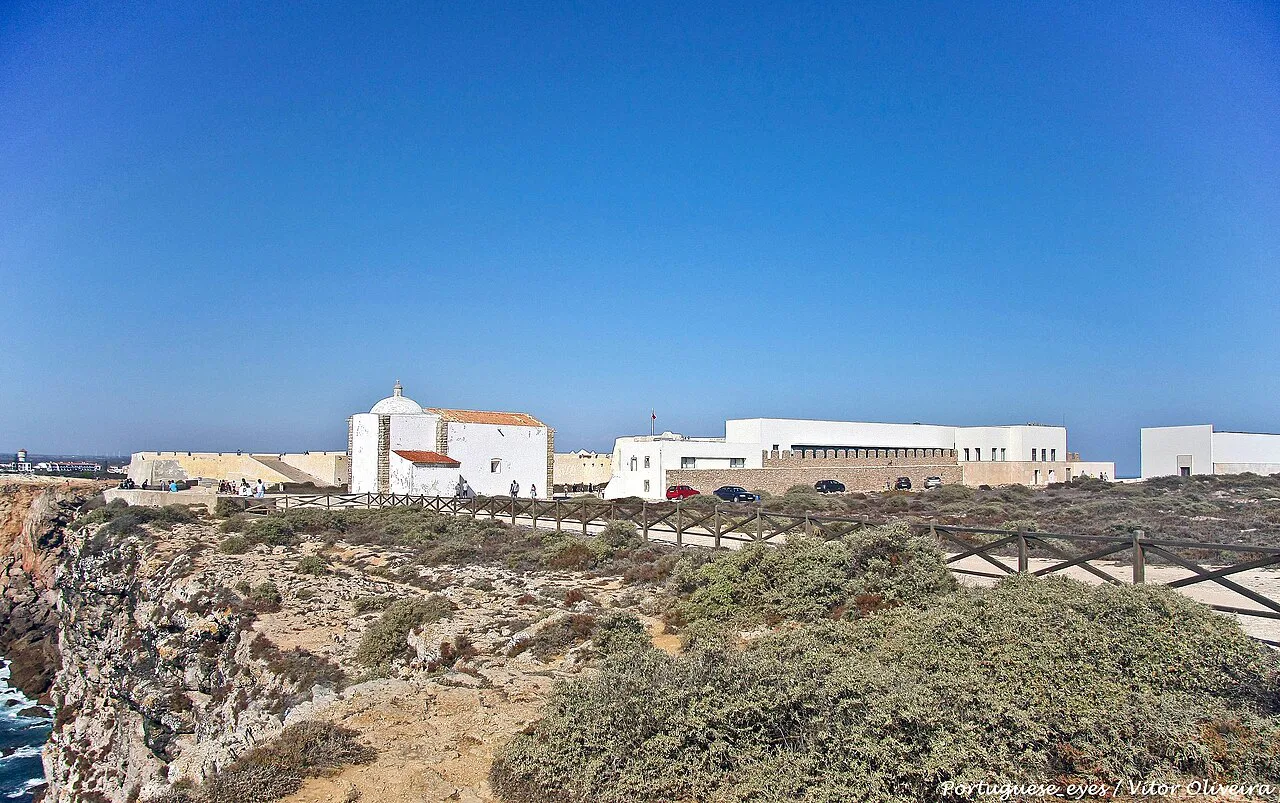
The breaks around Sagres: Tonel and the town beaches
Tonel is the break most clearly described for visitors: it hides between the west and south coasts beside the fortress, framed by big cliffs, and it is a striking place to be in the water even when the waves are modest. The town's own beaches around Sagres are the other obvious option, and local schools run sessions on the stretches that suit the day's conditions, so the practical move is to ask an instructor which break fits your level and the morning's wind rather than fix on one in advance.
Treat those three as starting points rather than a ranking. Each responds differently to swell direction and tide, so the break that suits a confident improver on one day may be the wrong call for a first lesson on the next, which is exactly why a local school's read of the morning matters.
The town beaches suit anyone who wants to combine a surf with a walk and a coffee, while Tonel and the more exposed spots reward a bit of planning. If you have only one surf day, choose the break that matches your level and the day's wind rather than the one with the biggest reputation.
Tonel in detail: the beach beside the fortress
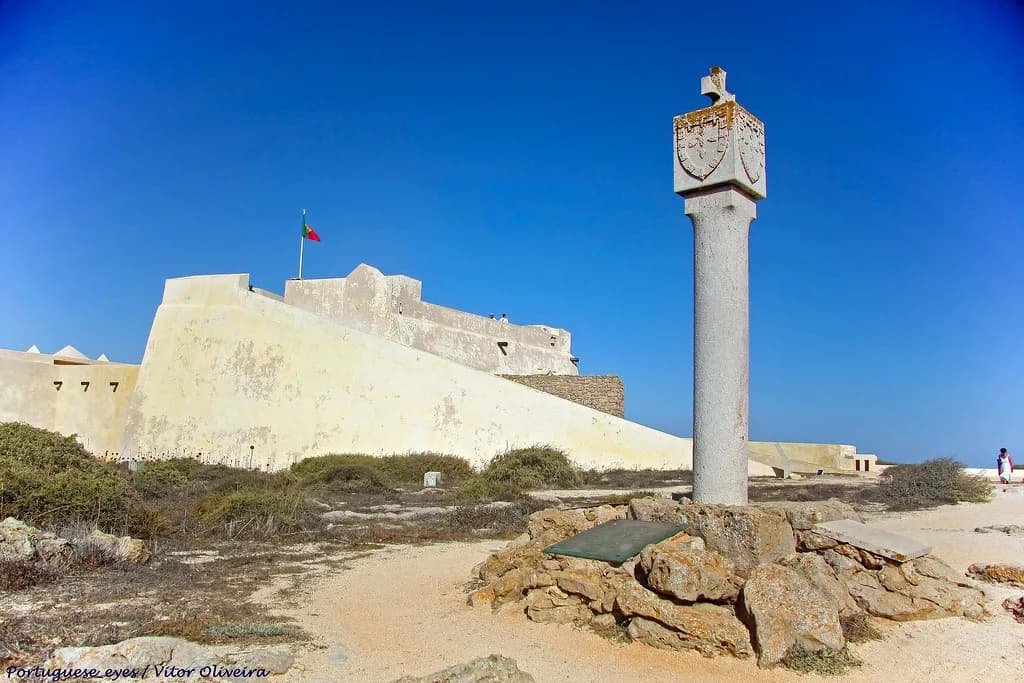
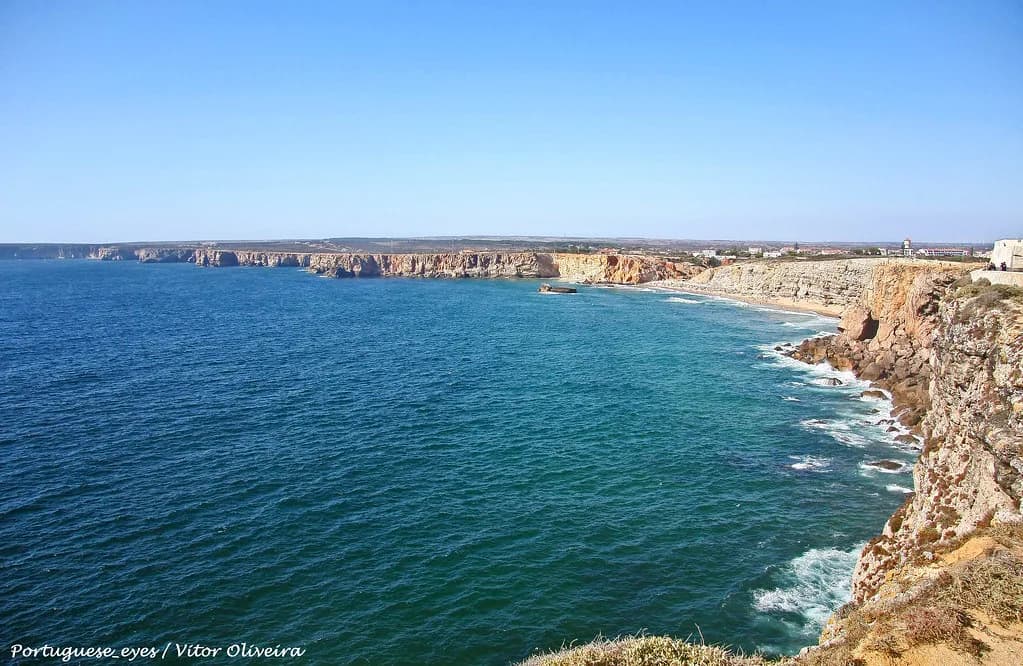
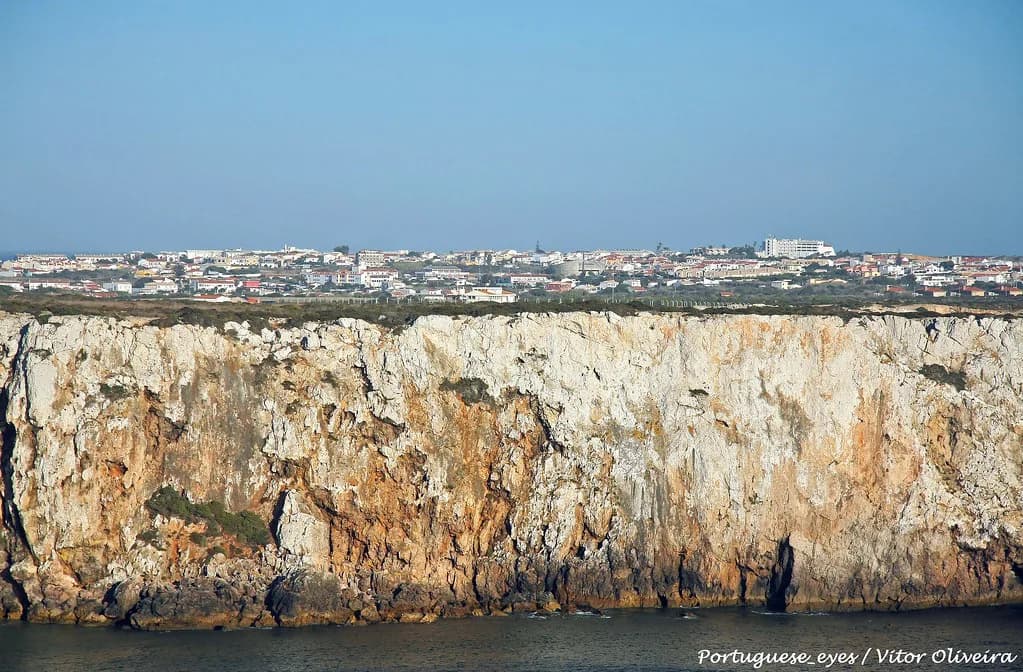
Tonel is the beach that best explains why people bother surfing in Sagres. It hides between the west and south coasts, framed by big cliffs and sitting next to the fortress, and it is a genuinely striking place to be in the water even when the waves are modest.
A winter session there has a particular rhythm. Surfers get into cold wetsuits on almost frozen sand in the dark to be first out, and a good period with a fun-sized swell delivers plenty of waves; the wind, however, can spoil the spot, and it is usually lighter early.
The honest limit is the cold. In winter the surf-guide account is of sessions running for about two hours in cold water, after which the tide tends to be too high or too low; when the surf is still good, people simply stay in longer.
Wind and tide: why an early session usually beats the afternoon
Ask anyone who surfs here what can ruin a session and the answer is usually the wind rather than the size of the swell. At Tonel the breeze can be a real spoiler, yet early in the day it is often light enough to leave the face clean.
Tide comes second. A session works within a window, and once the tide pushes too high or drops too low the wave stops doing what you want. That is why surfers here plan around a rising or falling window rather than a whole day in the water.
For a visitor on a short break, the actionable version is simple: get up early, check the sea from the cliffs before committing, and keep the afternoon free for the fortress, the headland or a slow lunch so a blown-out session does not waste the day.
Surf schools and lessons in Sagres: what to expect
Beginners do best booking with a school rather than hiring a board and guessing. A school reads the morning's conditions, picks a break that suits the group and can supply the kit and safety briefing, which matters on an exposed Atlantic coast.
Sagres Surf School is one operator working in town if you are comparing options. Ask any school directly about lesson prices, group sizes, start times and what is included before you commit, because those details are set by each operator rather than shared across town.
Expect to wear what the school provides, arrive early enough to change, and tell the instructor honestly if you have never stood on a board. Ask the school how long a session runs and what it includes, since cold water and tired arms are real limits on an Atlantic coast.
Surf camps and glamping if surfing is the whole trip
If surfing is the point of the trip rather than one activity among several, a surf camp removes the logistics. Wavy Surf Camp in Sagres runs lessons for all levels alongside glamping accommodation and food, so you can build the day around the water rather than driving between beaches and a rented flat.
The trade-off is that a camp sets your schedule and your base. Independent travellers who want to combine surf with the fortress, the cliffs and long lunches may prefer a normal guesthouse and a school lesson, while beginners who want several days of coaching and company get more from the camp format.
Either way, sort the surfing before you arrive, especially in the busier months. It is simpler to book a lesson or a camp place ahead than to rely on turning up on the day and hoping a slot is free.
How to judge whether the conditions suit you
Be honest about your level before you pick a break. A first-timer belongs in white water with an instructor, an improver wants a gentler shoulder and a clean line, and a confident surfer can handle more push. Choosing a break above your level in cold Atlantic water is the main way a good day goes wrong.
Then match the day to the forecast and the wind. If the breeze is already up when you wake, expect chop and consider a rest day or a different stretch of coast; if it is calm and the tide window lines up, go early and make the most of it.
Cold water and rocks are part of the picture here, so a proper wetsuit, booties in winter and a board you can handle matter more than style. If you are renting, check what the hire includes before you pay.
Filling the rest of a short Sagres break around the surf
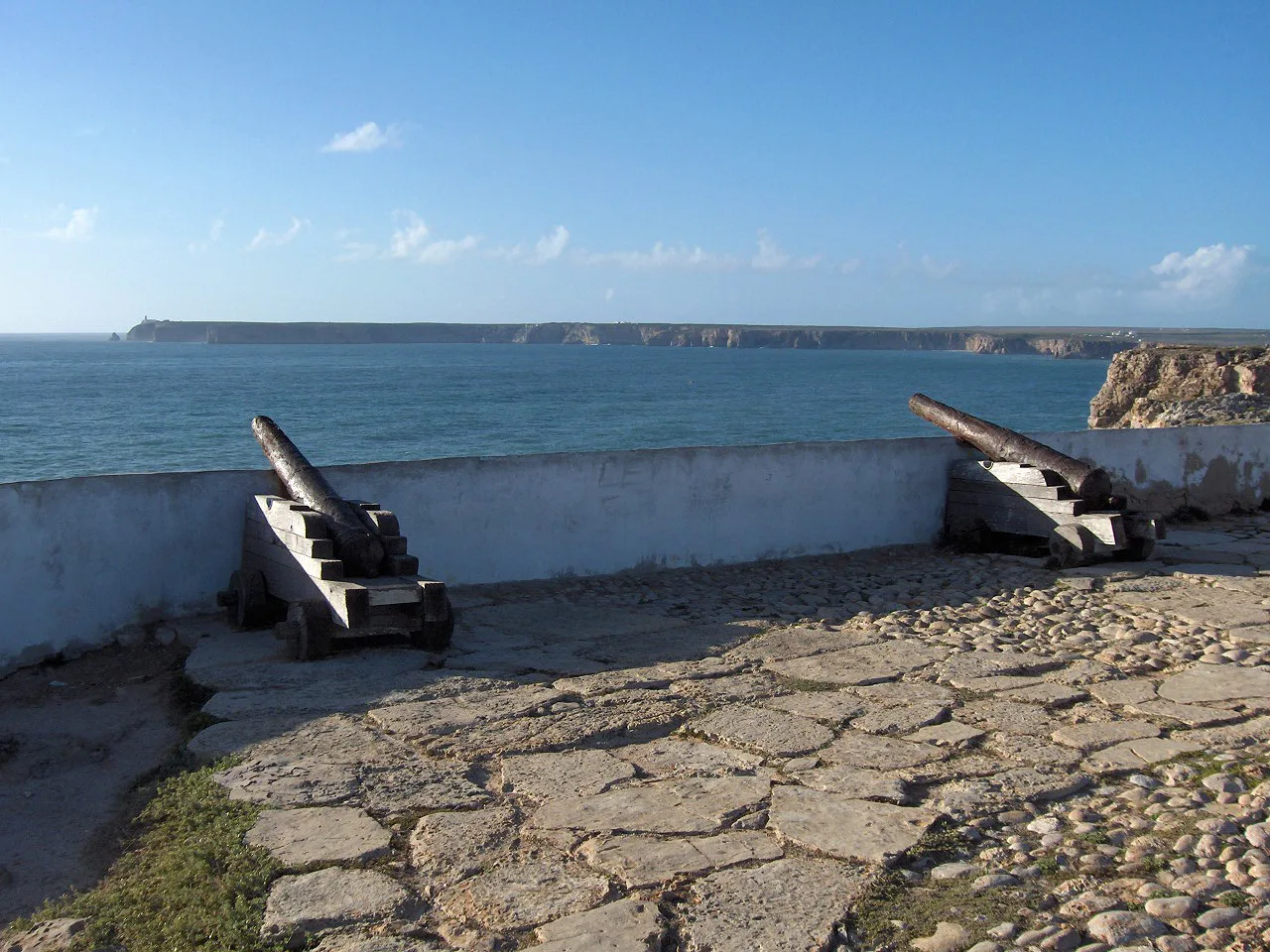
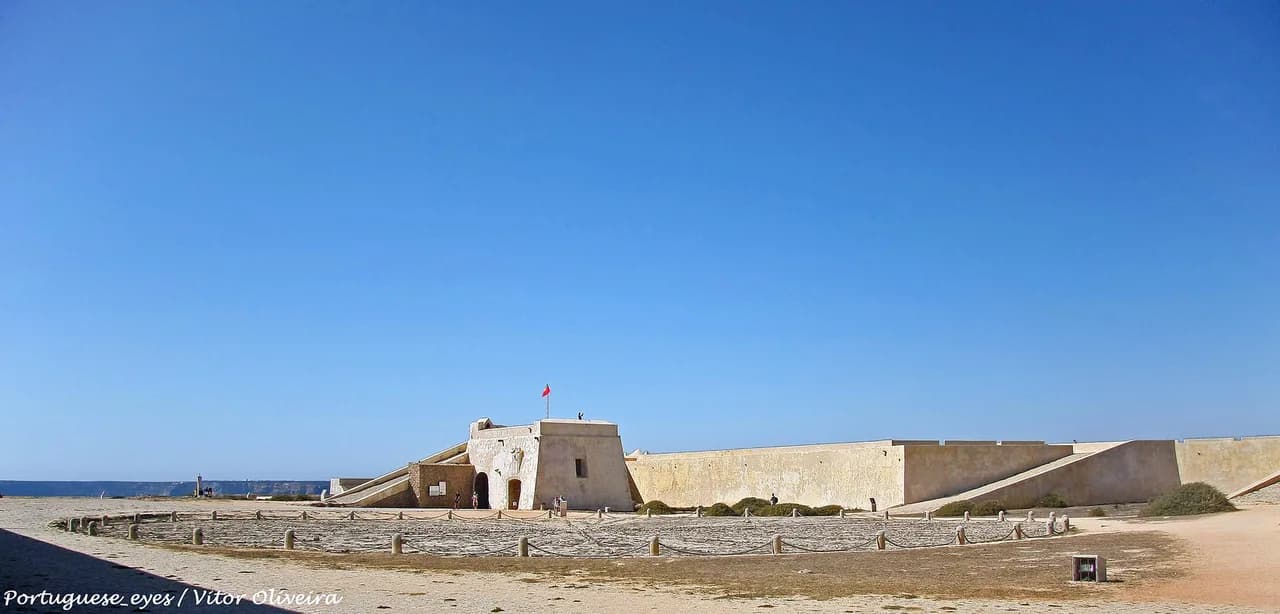
A surf session takes a morning, which leaves a useful half-day for the rest of Sagres. The fortress on the headland, the cliffs towards Cabo de São Vicente and the town's cafés fill a day comfortably, and the wider list of things to do in Sagres covers the sights worth building around your sessions.
If you are coming from the airport, work out the journey in advance because the transfer is the part most likely to eat into a short break. The guide to getting from Faro to Sagres sets out how the trip works so you can protect your surf time.
For provisions, small town shops and the local market are the practical stop between sessions rather than a destination in themselves. Check the Sagres market page for what is sold and when it operates before you rely on it for a picnic.
Which Sagres break should you book first?
Book a lesson with a local school for your first session if you are new to surfing, and choose the break with the instructor once they have seen the morning's wind and tide. More experienced surfers should head for Tonel early, keep winter sessions short and treat the afternoon as sightseeing time.
Whichever you choose, hold the plan loosely. The wind decides more than the swell here, and a flexible morning plus a fortress afternoon is a better use of a short Sagres break than forcing a session that conditions have already spoiled.
Explore more Sagres guides
Sources
Notes for your next Portuguese break
Optional updates to our town guides.
You might also like

Continue reading
More guides you'll find useful