Things to Do in Sagres: Cliffs, Fortress and Surf Beaches
Plan a short break in Sagres with the fortress, Cabo de São Vicente, clifftop walks and surf beaches, plus how long each sight takes and what it costs.
On this page
Sagres suits one full day, or two if you want a beach afternoon and a slow look at the cape. The town is tiny and the sights sit within a few kilometres of each other, so the real planning is about wind, light and how much walking you want on cliff edges. This guide orders the fortress, Cabo de São Vicente, the clifftop paths and the beaches into a workable short break, with time budgets and the trade-offs that decide the day.
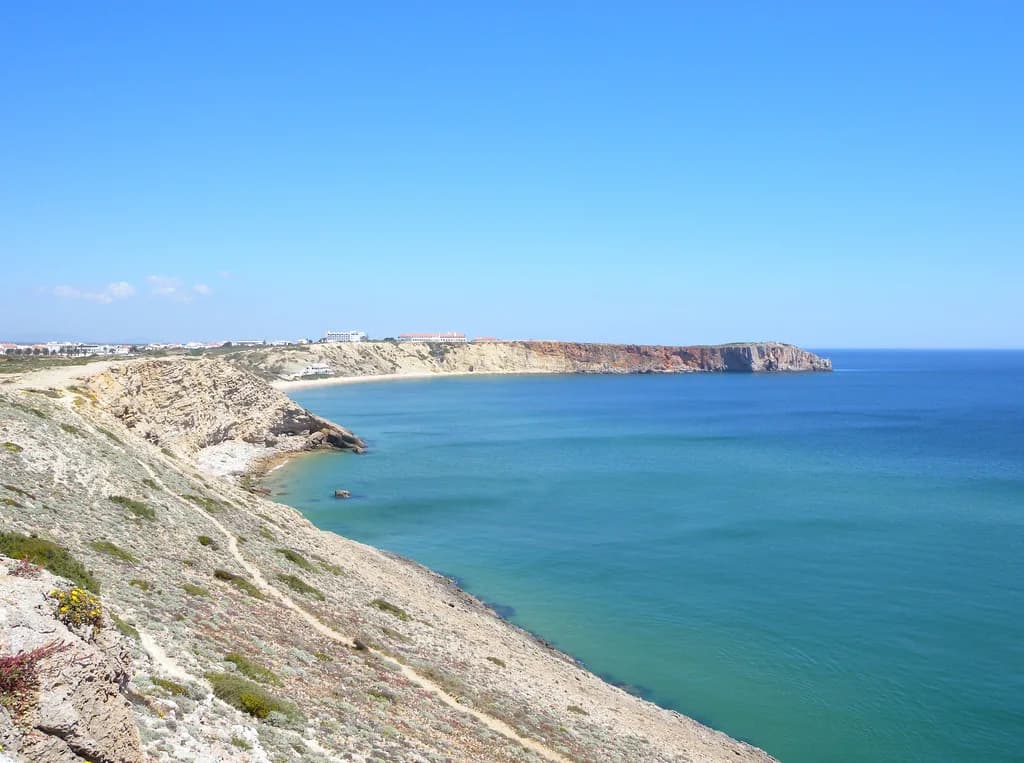
Come expecting a rugged, low-key place rather than a resort. Sagres has restaurants, cafés, bakeries and surf-rental shops, but the draw is the coastline: cliffs dropping into the Atlantic, a headland fort and beaches carved between rock. If you want crowds, nightlife and constant amenities, the busier Algarve towns will serve you better, which is worth settling before you book.
What there is to do in Sagres in a day or two
A sensible one-day shape is fortress first, cape second, beach or town last. Fortaleza de Sagres gives you the geography from above, Cabo de São Vicente delivers the big cliff drama six kilometres west, and the rest of the day fits around wind and appetite. With two days, put the fortress and cape on the breezier day and keep the other for a beach and a long lunch.
Sagres sits at the southwestern tip of the Algarve, about 30 km west of Lagos and roughly a 30-minute drive from it. That makes it easy to reach for a day from Lagos or as the final stop on a west-coast run, but it also means the town empties in the evening once day-trippers leave.
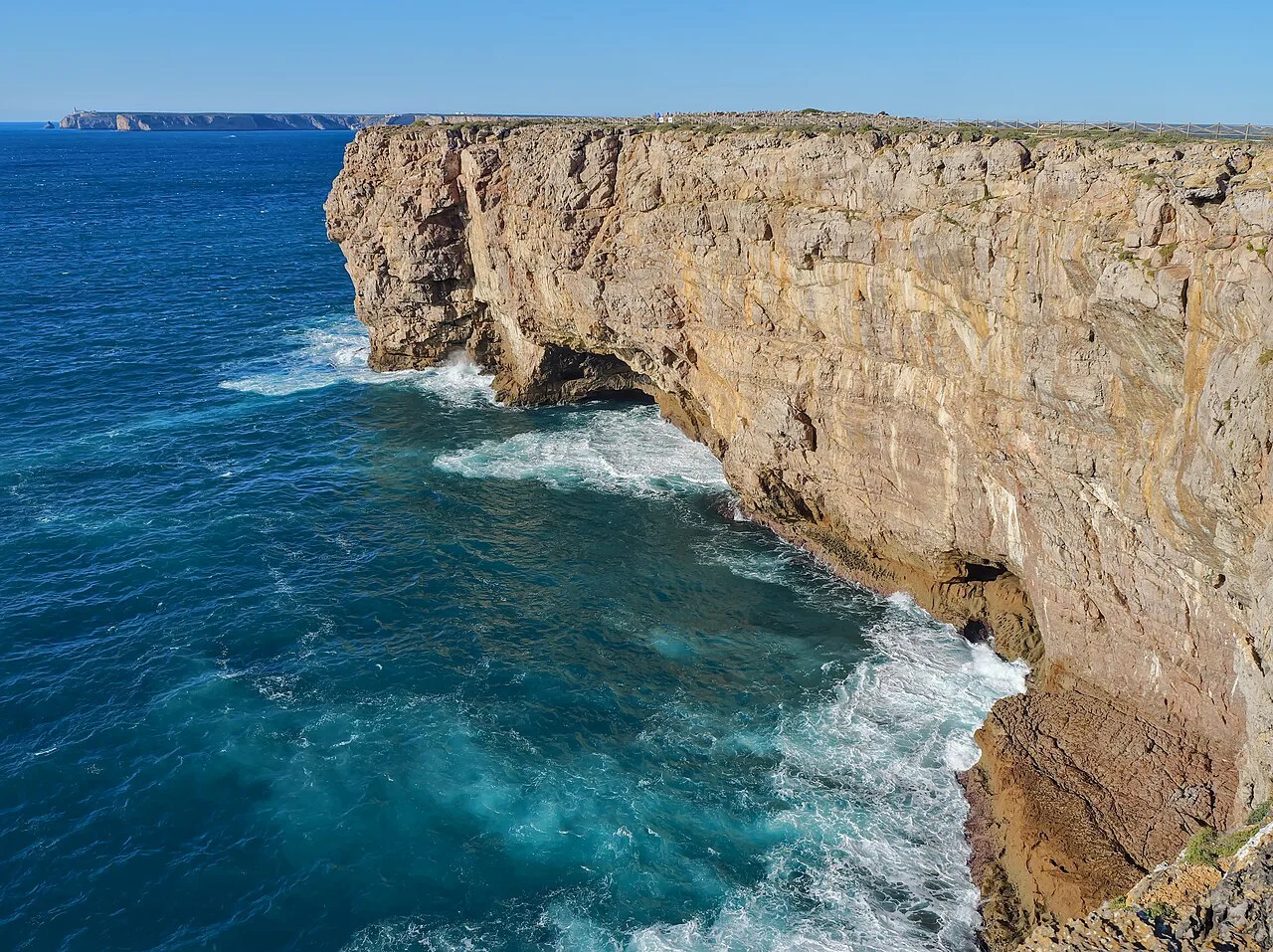
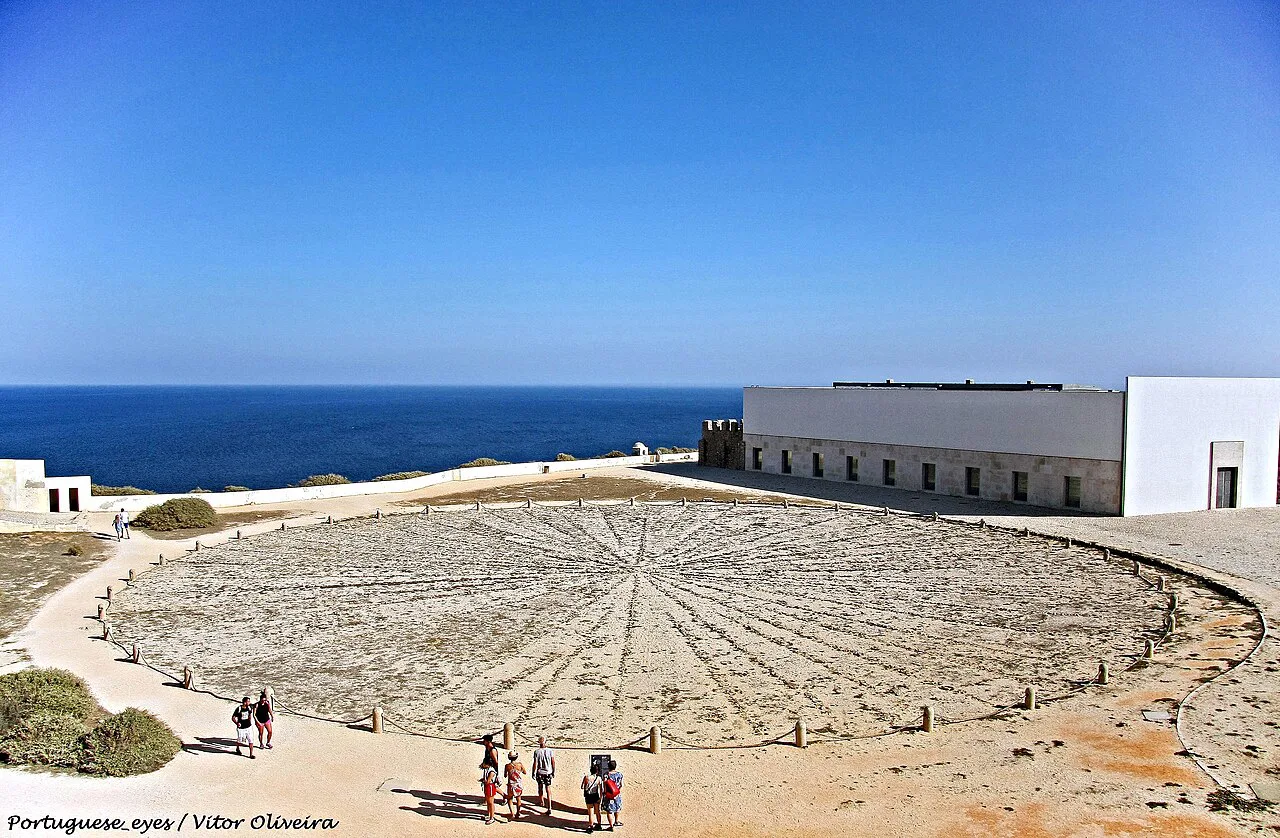
Start at Fortaleza de Sagres: ramparts, the Rosa dos Ventos and the clifftop loop
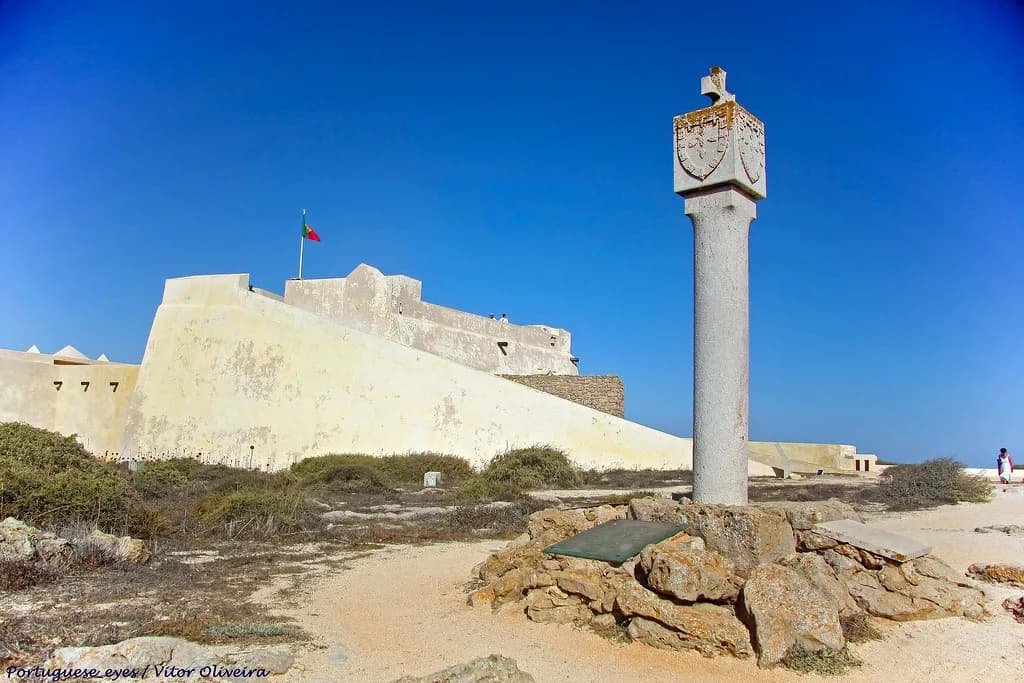
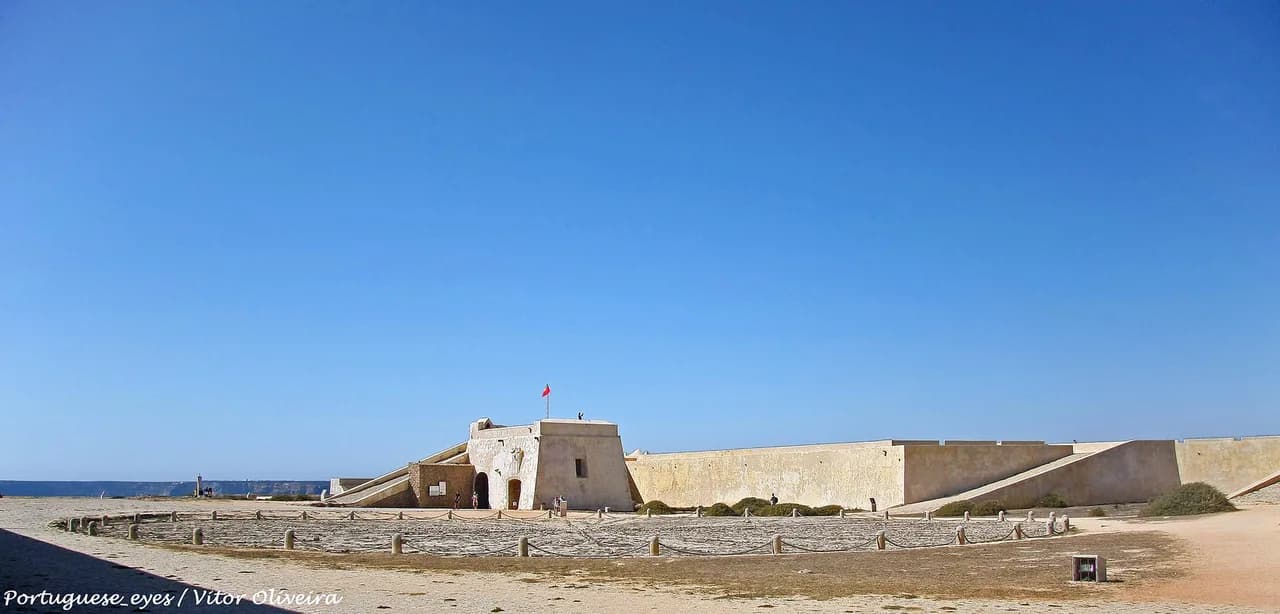
The fortress is the obvious first stop and the best way to get your bearings. It occupies a huge headland with wide views in every direction, and much of the interior is ruined, so the ramparts, the small chapel and the headland landscape do the work rather than grand rooms. Plan on more time than you expect: the grounds are expansive and the loop path keeps pulling you towards the cliff edge.
Inside, look for the Rosa dos Ventos, a giant stone compass of about 43 metres across whose exact purpose is still debated, along with an exhibition centre that explains the site's role in Portugal's Age of Discovery. Paths lead out to openings in the ground where you can peer down and hear the waves crashing far below. The lighthouse on the headland is not open to visitors, so treat it as scenery rather than a sight.
Admission has been reported at €10 for adults, with a family rate of €5 per adult when travelling with a child. That is a lot for a largely ruined fort, so judge it as a landscape ticket rather than a museum one. Ticket prices change, so confirm the current figure at the entrance before you commit.
In summer, arrive early to dodge both the heat and the coach parties that build through the middle of the day. In cooler months you may have whole sections of the headland to yourself.
Cabo de São Vicente: the lighthouse, the 75-metre cliffs and the wind
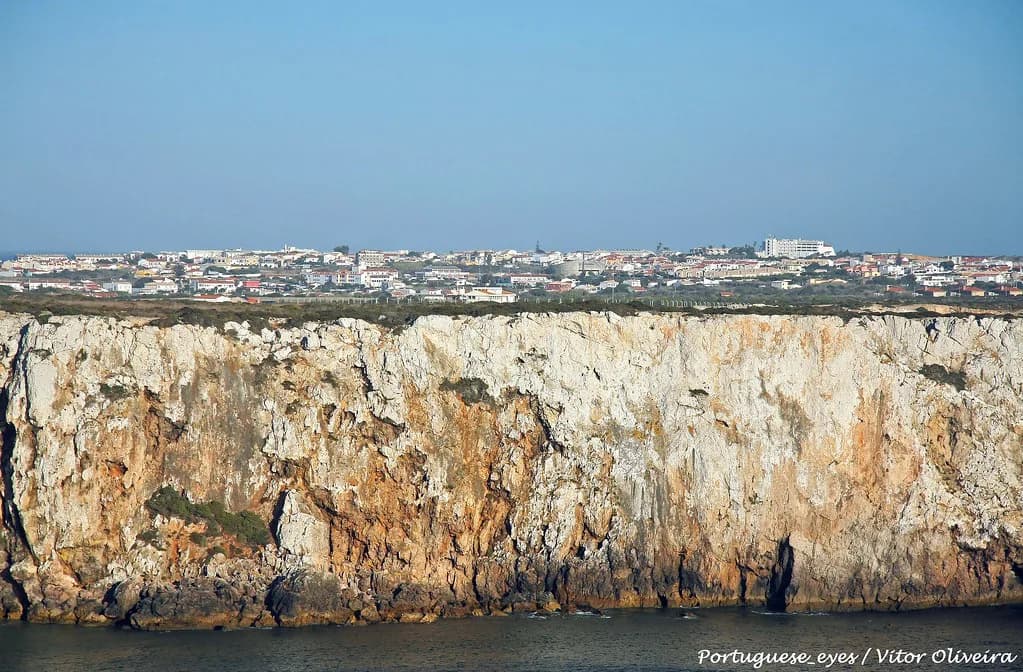
Cabo de São Vicente, the cape known in English as Cape St Vincent, sits about six kilometres west of Sagres and marks the southwesternmost point of mainland Europe. Cliffs rise roughly 75 metres above the sea, with viewpoints strung along the edge, and the sense of an old world's edge is the reason to come.
Bring a jacket even when the rest of the Algarve feels warm. The cape is exposed and windy, and the wind is unpredictable enough that you should keep children behind the barriers and hold on to hats. A small cluster of shops near the lighthouse sells snacks, drinks and souvenirs, which makes a useful pause between viewpoints.
Sunset is the classic slot here, but it also concentrates everyone in one place at one time. If you want the cliffs without the crowd, go earlier and save the fortress loop for late light instead.
Clifftop walking around Ponta da Atalaia and the fishermen's paths
Beyond the two headline sights, the best thing to do in Sagres is simply walk the clifftops. The Ponta da Atalaia headland gives you another stretch of path with ocean views, and the coastal paths around town link beaches and viewpoints without needing a car. Wear proper shoes: surfaces are uneven, gravelly and close to unprotected edges.
The long-distance Fishermen's Trail runs along this coast, and walkers following it often use Sagres as a stop. You do not need to commit to a multi-day route to enjoy the idea; a short out-and-back along the marked path delivers the same scenery in an hour or two.
The town centre: Jardim de Sagres and the statue of Infante D. Henrique
The centre is small enough to cross on foot in minutes. Jardim de Sagres, the central square, holds the tourist office, a skate park and a statue of Infante D. Henrique, Prince Henry the Navigator, shown with a map and pointing out to sea. It is a five-minute stop, but it explains why this otherwise modest town looms so large in Portuguese history.
Use the square as your base for errands: cash, water, a bakery stop and a look at what the tourist office has on. From here the fortress is a short walk and the beaches are within reach on foot, which is the main practical advantage of staying in town.
Which beach suits you: Praia da Mareta, Praia do Tonel or Praia do Beliche
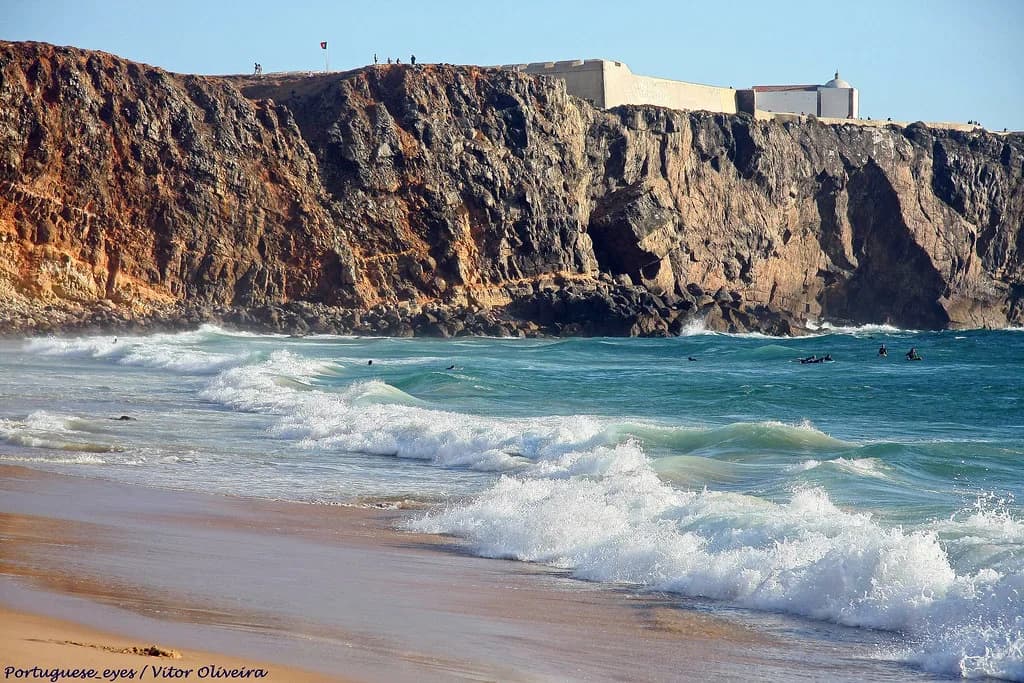
Praia da Mareta is the easy choice: a sandy beach roughly 600 metres long, the most popular in town and reachable on foot, which makes it the default for beginners and anyone without a car. Praia do Tonel suits stronger surfers, with powerful waves and cliffs that make a good spectator seat even if you never get wet. Praia do Beliche is the quieter cove, tucked between rock formations and worth the short trip when you want fewer people.
Families may prefer Praia do Martinhal, which one local guide points to for a gentler setup. Wherever you go, remember that Atlantic water here is cold and the wind picks up through the afternoon, so a morning swim usually beats a late one.
Watching surfers and the surf scene at Tonel and Mareta
Sagres is one of the Algarve's surf centres, and you can enjoy that without booking a lesson. Sit on the cliffs above Praia do Tonel and watch the experienced riders, or wander down to Mareta where beginners are learning on the gentler inside break. Surf schools, rental shops and gear are all in town, so turning up without equipment is realistic.
How Sagres is laid out and how to get between sights without a car
Sagres is compact: the centre, the fortress headland and Praia da Mareta are all walkable from each other, and the cliffs sit just beyond. Cabo de São Vicente is the outlier at about six kilometres west, which is too far for most people to add casually on foot with beach gear. Without a car, plan the cape as a half-day outing by taxi, tour or bike rather than an incidental stroll.
Most visitors arrive by hire car, which gives you the flexibility to chase the light and dodge the wind, and trains plus buses can get you close if you are prepared for a slower journey. If you are coming from further east, sort the route before you book accommodation, because the last stretch is the part that shapes your day.
How many days Sagres needs, and what to pair with it
One full day covers the fortress, the cape and one beach at a reasonable pace. Two days let you add a proper clifftop walk, a long lunch and a second beach without rushing, and that is the version most people enjoy more. Three days is only worth it if surfing or walking is the point of the trip.
Lagos is the natural pairing, half an hour east and useful as a base for the west Algarve. If you are building a wider Portuguese trip, the same instinct for compact, walkable towns works well elsewhere, whether that means things to do in Aveiro or things to do in Braga.
Where to eat in town: restaurants, cafés and bakeries
The town has enough restaurants, cafés and bakeries to cover a short stay, clustered around the centre and the beaches. Menus lean on grilled fish and simple Portuguese plates, and the food stalls near the cape are a known stop for a snack rather than a destination meal. Days and hours vary by venue and season, so check the board outside rather than assuming a place will be open.
If a proper market hall is part of what you want from Portugal, build it into another stop rather than counting on it here; see the separate Sagres Market notes for what the town's market offering amounts to. The town's strength is the coastline and the simple eating around it.
Trade-offs: wind, tour buses in summer and what Sagres lacks
Wind is the defining feature of a Sagres visit and the reason the coastline looks as it does. It can chill a warm day on the cape, whip sand across the beaches and make a clifftop picnic a short affair, so layer up and keep plans flexible. In summer, coach parties build at the fortress through the middle of the day, which is the strongest argument for an early start.
What Sagres lacks matters as much as what it has: no nightlife scene, few amenities beyond the basics, and little shelter from the wind. That is exactly why some travellers love it and others should skip it. Decide which camp you are in before you commit a short break to a one-street town on the edge of the Atlantic.
Is the fortress worth the ticket price?
Yes, if you treat Fortaleza de Sagres as a headland walk with history attached rather than a museum. The ruins are sparse, but the Rosa dos Ventos, the cliff paths and the views across the whole coastline justify an hour or two, and the adult ticket is the number to weigh against that. If you want ornate interiors and furnished rooms, this is not the place; the coast itself is where the day earns its keep.
Either way, build the day around the cape and the coast, start early in summer and keep an afternoon free for whichever beach the wind allows.
Explore more Sagres guides
Frequently Asked Questions
How far is Sagres from Lagos?
Sagres is about 30 km west of Lagos, roughly a 30-minute drive. That makes it feasible as a day trip from Lagos, though staying overnight lets you see the cape in evening light after the day-trippers leave.
What is Sagres famous for?
Sagres is known for its dramatic Atlantic cliffs, the Fortaleza de Sagres headland with its giant stone Rosa dos Ventos, and Cabo de São Vicente, the southwesternmost point of mainland Europe. It is also one of the Algarve's main surf centres, with beaches at Mareta, Tonel and Beliche.
Do I need a car to see Sagres?
Not for the town itself. The centre, the fortress and Praia da Mareta are walkable from each other. You do want wheels or a booked tour for Cabo de São Vicente, which sits about six kilometres west of town.
Sources
Notes for your next Portuguese break
Optional updates to our town guides.
You might also like

Continue reading
More guides you'll find useful