Things to Do in Setúbal: A Short-Break Guide
Plan a short break in Setúbal with the old town, São Sebastião viewpoint, Livramento market and Arrábida beaches, plus how long each sight takes on foot.
On this page
Two days is the right allowance for Setúbal: one flat day on foot through the Baixa and along the Sado waterfront, and one for the Arrábida coast or the estuary. The town is small enough that the viewpoint, the market and the Convento de Jesus chain together in a morning, which leaves the afternoon free for the river. This guide covers what to see in each half, how long to allow, and where the fish restaurants fit into the evening.
Setúbal sits under an hour from Lisbon, between the Serra da Arrábida and the Sado estuary, and it is the grilled-fish capital of Portugal as far as most visitors are concerned. That geography is the whole planning problem: the beaches and the dolphins are why people come, but both sit outside the town centre and need a car, a bus or a boat. The old town itself needs nothing but your feet, and the Setúbal Old Town guide picks out the streets to prioritise.
How many days Setúbal needs
One full day covers the town: Avenida Luísa Todi, the Baixa streets behind it, the São Sebastião viewpoint, the Convento de Jesus and a fish lunch. Add a second day for Arrábida, whether that means the beaches at Albarquel, Figueirinha and Galapos or the hills behind them, and a third if you want the Sado estuary and the ferry to Tróia as well. Three days is generous rather than necessary.
The split matters because the two halves demand different transport. The centre is walkable and compact; the coast is not, and a car or a bus is the practical way to reach the more secluded Arrábida beaches. Plan the town day first so you know the place before you disappear to the sand, and keep the Palmela or Tróia excursions as separate half-days rather than trying to fold them into a beach day.
How Setúbal is laid out: Avenida Luísa Todi and the Baixa
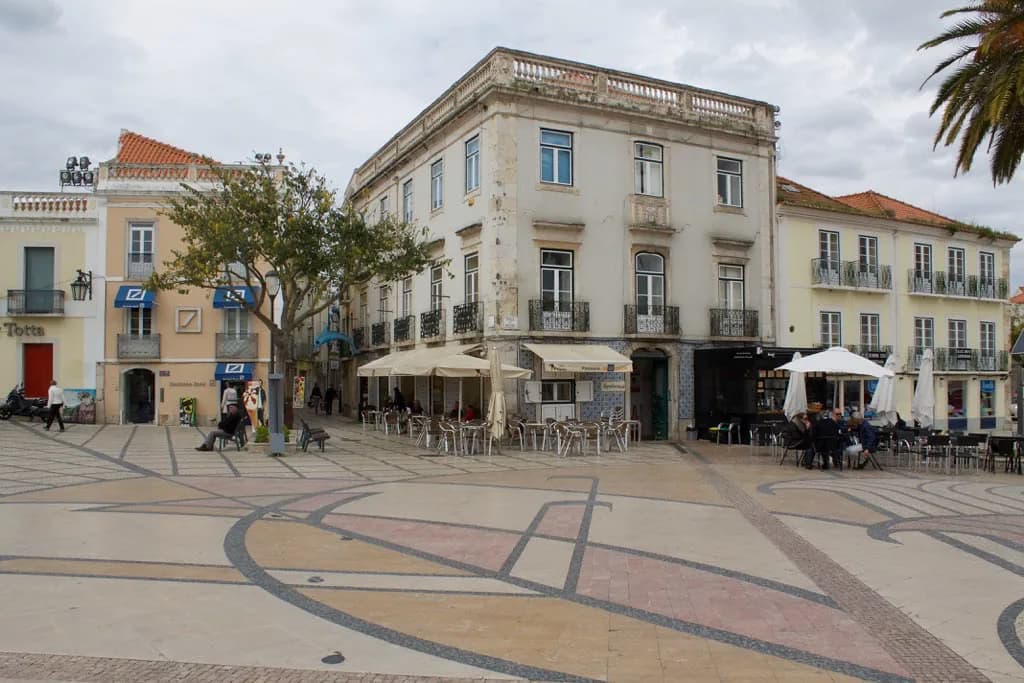
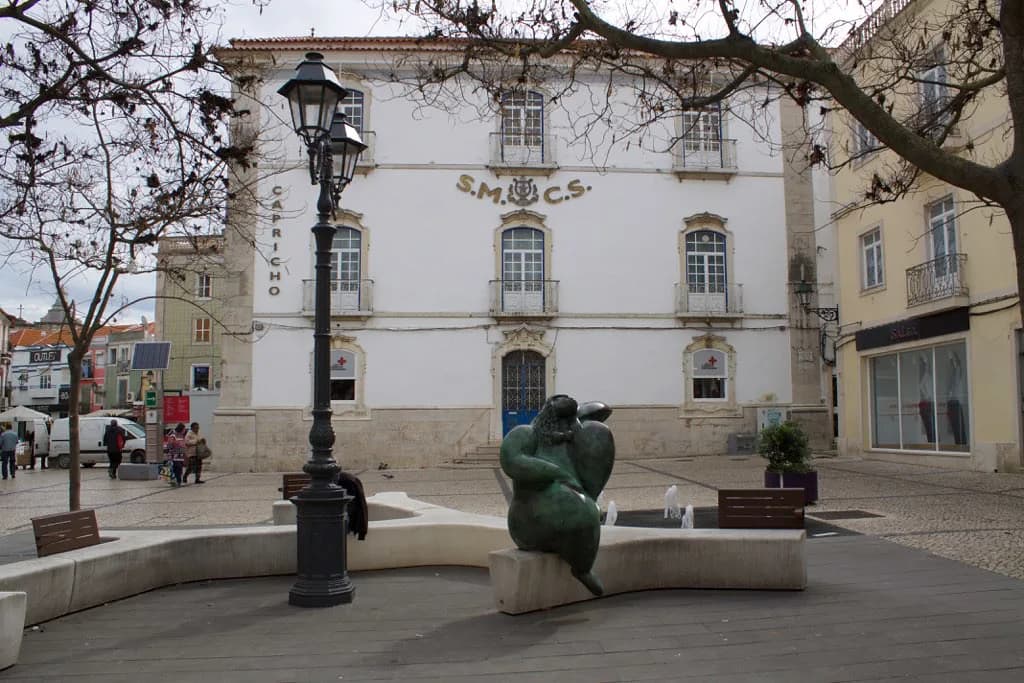
Avenida Luísa Todi is the city's main artery and the spine of any visit, named after the 18th-century singer born in Setúbal. Most of the restaurants and shops sit on or just off it, and it runs down to the water, so you can use it as a compass: river at one end, Baixa grid behind. The Setúbal old town begins in the streets immediately inland, where the squares and churches cluster tightly enough to cover on foot in an afternoon.
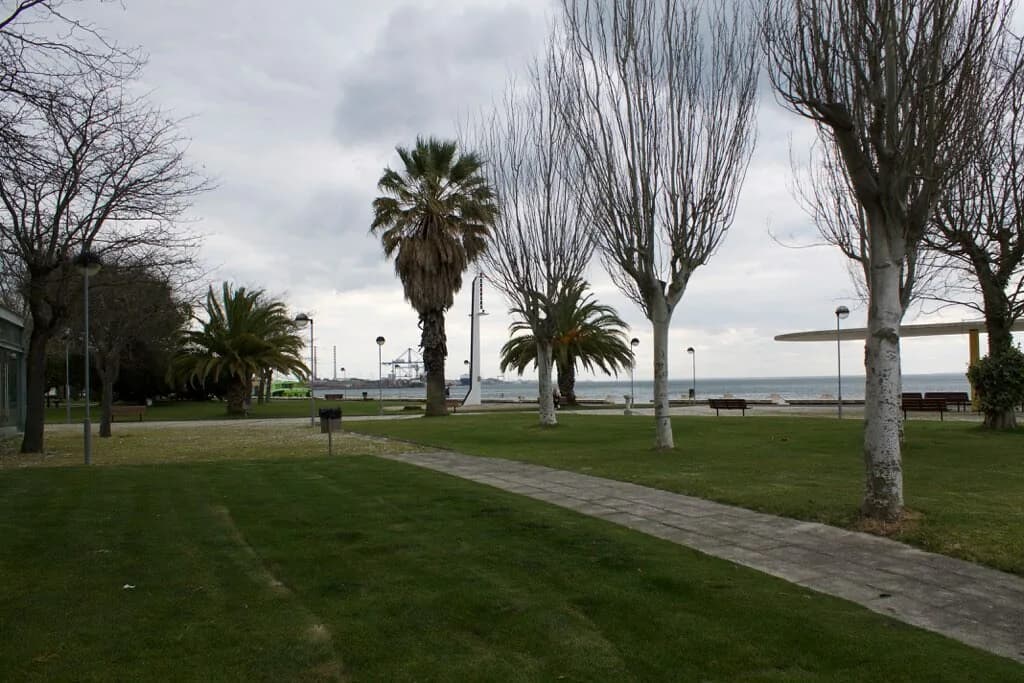
Start at the Jardim Engenheiro Luís da Fonseca, the garden by the docks, then walk the avenue and cross into the grid. A craft market sometimes takes over the avenue, and shopfronts around the Baixa have been dressed up under a Love Downtown campaign to pull people into the local shops. Neither is guaranteed on your dates, so treat them as bonuses rather than the reason to come. A Setúbal walking tour is the quickest way to get the street pattern straight if you have only an afternoon.
Praça do Bocage is the natural pause in the middle of the Baixa, with cafés around it and the grid of shopping streets running off in every direction. It is also where the free things to do in Setúbal start: the squares, the riverside walk and the viewpoints cost nothing, and you can build a satisfying half-day without paying a single entrance fee.
São Sebastião viewpoint: what you see and how long to allow
The São Sebastião viewpoint gives one of the best views of the city, with the docks in front and the Arrábida hills visible beyond. Allow 20 to 30 minutes including the climb, and go late in the afternoon when the light is on the water. It is a viewpoint rather than a sight with a queue, so it slots into a walk rather than needing its own slot in the day.
Pair it with the riverside rather than treating it as a destination in itself: the route down through the Baixa and along the water makes a natural loop back to the avenue. If you are short of time, this is the one climb worth making, because it explains the town's setting in a way the flat streets cannot.
Igreja e Convento de Jesus and the Setúbal Museum
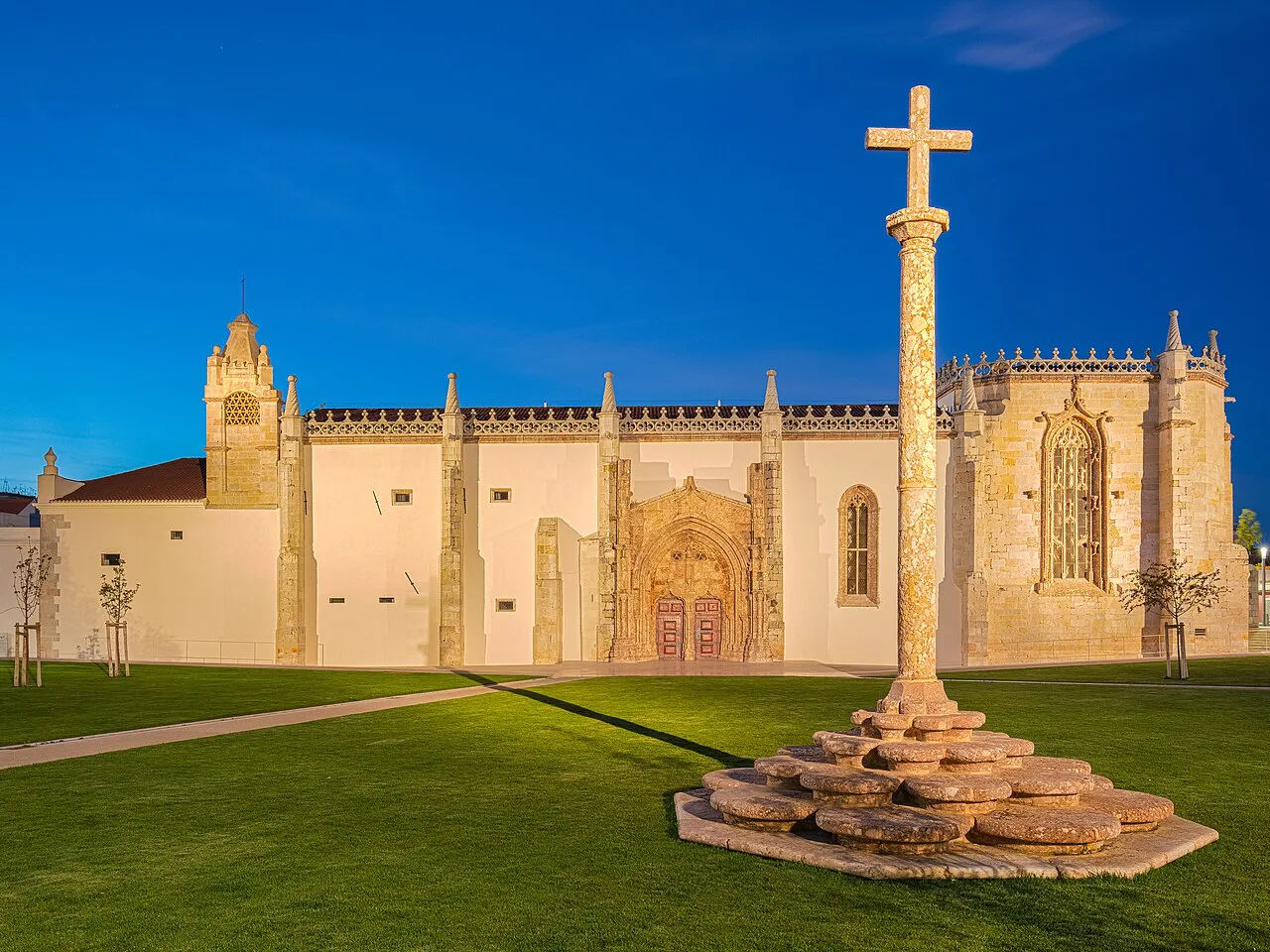
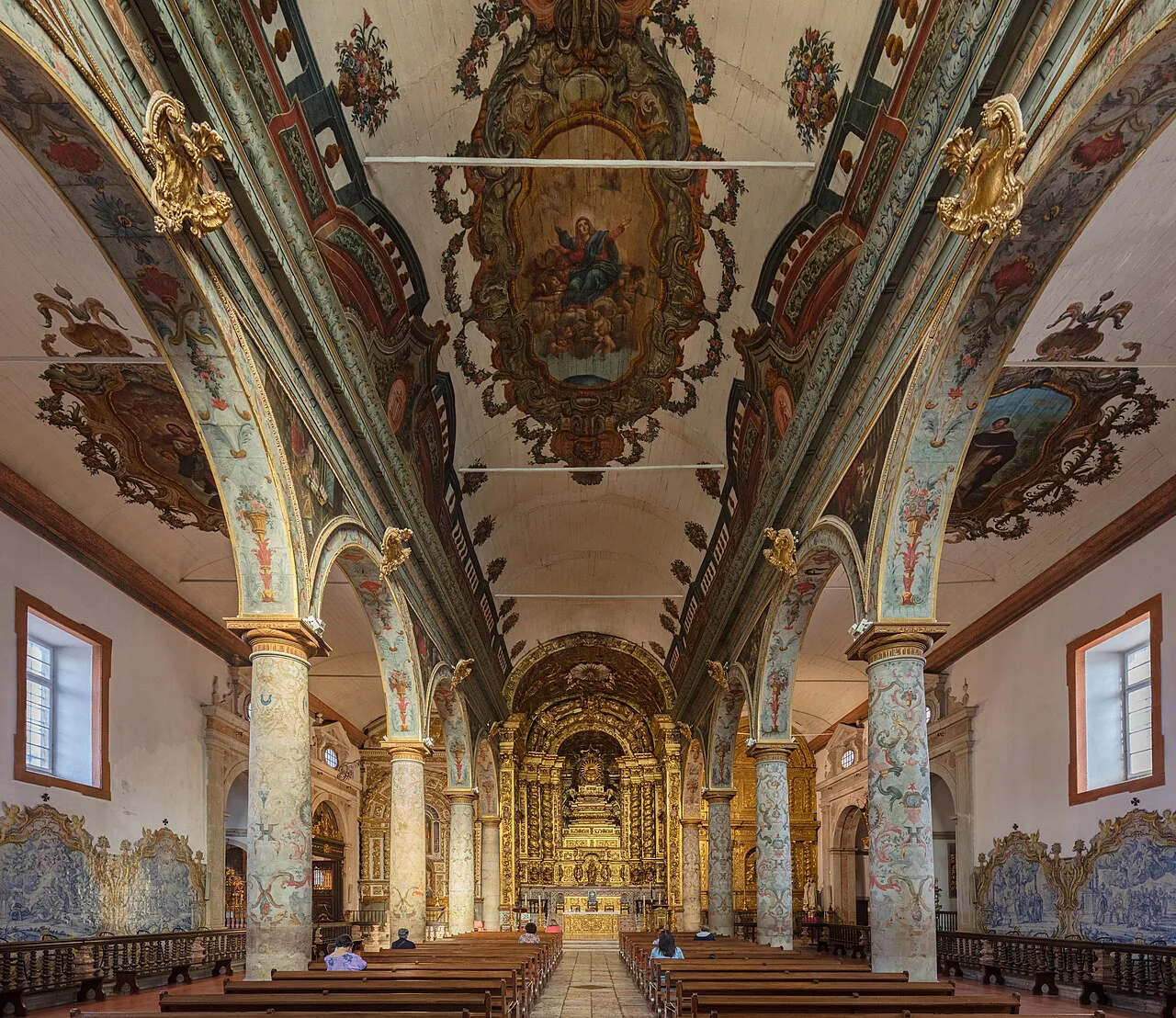
The Convento de Jesus is a fine example of Manueline architecture and also houses the Setúbal museum, so one stop covers both the building and the collection. Allow around an hour. The convent's carved stonework is the reason to come; the museum adds context on the town and the region. For a wider look at what else is on show in the city, our guide to Museums in Setúbal sets out the options.
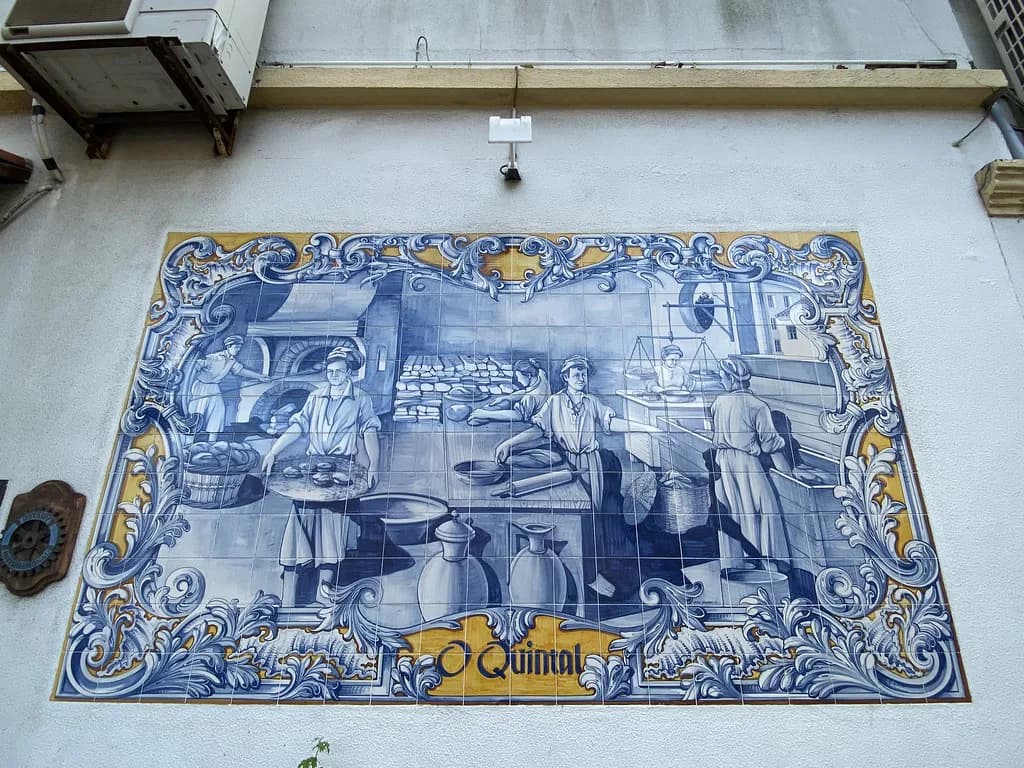
If your taste runs to tiles as much as stone, Setúbal's churches and civic buildings carry azulejos worth slowing down for, and a dedicated look at Azulejos in Setúbal helps you spot the difference between the panel schemes in the churches. Opening days vary between venues, so confirm the Convento's hours before you go.
Mercado do Livramento: the morning market and its fish hall
The market is the place to see Setúbal's fishing trade at work rather than read about it: fresh fish and seafood, sold to people cooking at home. It sits within easy walk of the avenue, so the sensible plan is market in the morning, then the Baixa and the viewpoint, then lunch. Our Setúbal market page covers the halls and what to look for; the market is open Tuesday to Sunday from 7:30am to 2pm, so plan it as a morning stop.
Even if you are not cooking, walk through for the fish display and the atmosphere, then buy something small for later. It is a working market, not a food hall, so do not expect tastings or long opening hours into the afternoon. That is exactly why it belongs at the start of the day.
Grilled fish and choco frito: the evening plan
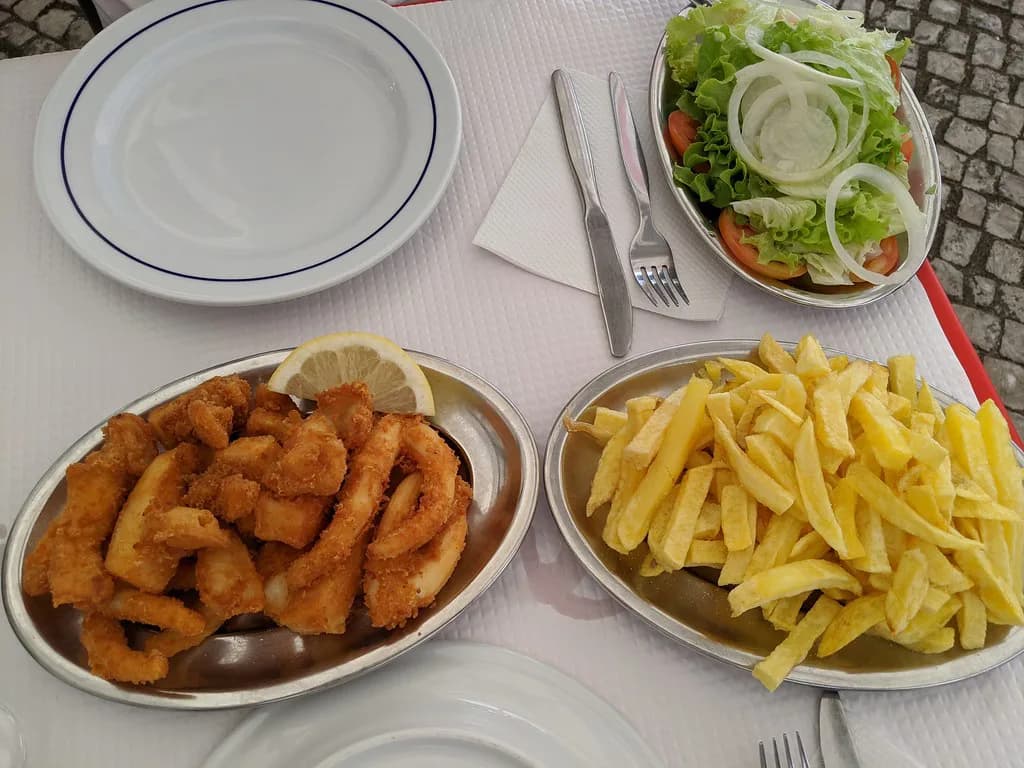
Setúbal's reputation rests on grilled fish and choco frito, the fried cuttlefish that locals treat as the town's signature dish. Restaurants downtown put their fish on display outside so you can see the day's catch before you commit, and the eating districts cluster on and around Avenida Luísa Todi. Order sardines, sea bream or mackerel and let the fish do the talking.
Book the evening around dinner rather than squeezing it between sights, because a proper fish meal is the main event in this town. Tasca do Toninho, in the Bela Vista neighbourhood away from the docks, is one name worth knowing if you want to eat where the fish is kept inside rather than displayed on the street. Restaurant closing days vary, so check before you set your heart on one place.
Arrábida beaches: Albarquel, Figueirinha, Galapos and Portinho da Arrábida
The Serra da Arrábida is where the water meets the hills, and the beaches along its coast are the reason many people put Setúbal on the map. Albarquel is the closest to town and the easiest to reach on foot or by a short ride; Figueirinha, Galapos and Portinho da Arrábida come in sequence along the coast road. The water looks Caribbean, but this is the Atlantic, so temper expectations about temperature outside high summer.
The trade-off is access. Summer brings traffic restrictions and parking limits on the Arrábida coast, and the rules change from year to year, so check the current scheme before you drive out rather than assuming last summer's arrangement holds. Plan a beach day around an early start, and have a fallback in town if the car parks are full.
Without a car, the practical approach is a mix of public transport and walking to the more sheltered beaches, which works but eats time. If you want the coast without the driving, an Arrábida Natural Park tour takes in the landscapes and the coast road in one go. Either way, the hills behind the beaches are part of the appeal, not just the sand.
Sado estuary: dolphins, the ferry to Tróia and the nature reserve
Dolphins live in the Sado estuary, most reliably near the Tróia peninsula, and a boat trip is the way to look for them. The Setúbal dolphins page covers what the trips involve and how to pick one. It is a wildlife search rather than a guarantee, so go with that in mind and enjoy the estuary itself, which is also good for birdwatching.
The ferry to Tróia is a separate outing: it crosses the estuary to a long peninsula of beaches, and the crossing itself is part of the day. Treat it as a half-day rather than a stroll, and check the current timetable and fare before you go. The Sado Estuary Nature Reserve on the Setúbal side is the other half of the same landscape, and worth an hour if you have a third day.
Palmela castle and the Serra do Louro ridge
Palmela castle sits high above the plain and has been converted into a hotel, which makes it a photo stop rather than a full visit, with the mountains as a backdrop. The Serra do Louro ridge nearby is the local walking ground if you want a leg-stretch. Allow a half-day for the round trip from Setúbal and treat it as an add-on rather than a core sight.
If you have only two days, Palmela is the first thing to drop: the town centre and the Arrábida coast give you more for the time. If you have three, it makes a pleasant morning before an afternoon back on the waterfront. Our guide to Setúbal castle and the Forte de São Filipe answers the separate question of the town's own fortress.
Free things to do in Setúbal
The free list is longer than you might expect for a town this size: the viewpoints, the riverside walk, the Baixa squares and the market all cost nothing to wander. The São Sebastião viewpoint and the Jardim Engenheiro Luís da Fonseca are the two set pieces, and both fit into a morning, as our guide to the free things to do in Setúbal sets out. Build a free day around those plus a picnic from the market and you will still feel you have seen the place.
The paid extras worth considering are the Convento de Jesus and a boat trip, both of which add something the streets cannot. Beyond that, Setúbal rewards walking rather than paying. If you are weighing up whether the town justifies the trip at all, our honest take on whether Setúbal is worth visiting sets out who it suits and who it does not.
Practical costs in euros for a short break
Setúbal is a mid-priced Portuguese town rather than a budget break or an expensive one: the costs that bite are the boat trips, the car hire if you want Arrábida, and the fish dinners, which are the point of the place. Museum and monument tickets are modest, but confirm current prices at the door or on the venue's own page rather than relying on a guide. Tour operators quote in different currencies, so compare like with like before you book.
For scale, a week-long trip works out at roughly 60 euros per person per day on one traveller's estimate, which gives a sense of the order of magnitude rather than a budget to plan against. Your own total will depend on how much you eat out and whether you hire a car. Check current tour and ferry prices with the operator before committing.
Which half of Setúbal to book first
Book the town day first: the Baixa, the market, the viewpoint and the Convento de Jesus fit into one unhurried day on foot and give you the context for everything else. Then decide between the Arrábida coast and the Sado estuary for day two, based on whether you want sand or water and whether you have a car. If you have a third day, add the other one. The Setúbal Old Town guide and the Setúbal Walking Tour cover the centre in detail.
If you are still choosing between Portuguese towns for a short break, our guides to things to do in Aveiro and things to do in Braga make useful comparisons: Aveiro for canals and moliceiros, Braga for the Sé de Braga and its churches. Setúbal's case is the combination of a walkable old town, a working fish market and a coast within reach, which few towns of its size can match.
Explore more Setúbal guides
- Is Setúbal Worth Visiting? What the Town Does Well and Who It Suits
- Museums in Setúbal
- Setúbal Old Town
- Azulejos in Setúbal
- Dolphins in Setúbal
- Free Things to Do in Setúbal
- How to Get from Lisbon to Setúbal by Train, Bus or Car
- Setúbal Boat Tours
- Setúbal Castle
- Setúbal Market
- Setúbal Walking Tour
- Shopping in Setúbal
- The Best Miradouros in Setúbal for River and City Views
Frequently Asked Questions
Is Setúbal expensive for a short break?
Setúbal sits in the middle: cheaper than Lisbon for food and museums, with the boat trips and car hire as the main optional costs. Set a daily budget around your own eating and drinking rather than the town's reputation, and confirm tour and ferry prices with the operator before you book.
Do I need a car in Setúbal?
For the town centre, no: the Baixa, the avenue, the market and the viewpoint are all walkable. For the Arrábida beaches and Palmela, a car or a bus is the practical option, and summer access restrictions make planning ahead worthwhile.
Sources
Notes for your next Portuguese break
Optional updates to our town guides.
You might also like
Continue reading
More guides you'll find useful