Shopping in Setúbal: Markets, Ceramics and Food to Bring Home
Plan shopping in Setúbal around the Mercado do Livramento, the historic centre's cobbled streets, local ceramics, cork and food to carry home.
On this page
Shopping in Setúbal is best treated as a morning at the market plus a slow wander through a compact historic centre, with a shopping centre as the wet-weather fallback. The reward is food, public art and the small Pasmadinhos ceramics within a few minutes of each other. This guide sets out where to browse, what is worth carrying home and how shopping fits into a short break of one to three days.
Setúbal sits about 55 minutes from Lisbon by train, which makes a shopping stop easy to combine with sightseeing rather than a separate outing. Everything here is on foot once you reach the centre, so you can pair a market run with the waterfront and the old town without needing a car.
Start at Mercado do Livramento
The Mercado do Livramento is a natural anchor for a shopping morning and sets the tone for the rest of the day. It is one of the town's best-known markets and the place to see local produce, fish and the everyday food trade of the Sado estuary under one roof. Arrive early enough to browse while stalls are busy, then let the rest of the centre unfold from there.
Treat the market as a place to look and learn first, then buy. The same building gives you a sense of what Setúbal cooks with, which makes the city's fish restaurants and tascas easier to read later. Go with a rough shopping list rather than a fixed budget, because the range shifts with the season and the day's catch.
The market courtyard and surrounding lanes lead naturally into the historic centre, so this is where a shopping walk should begin. Do not plan a tight sequence of shops around it; the pleasure is in the spillover into side streets.

Cobbled Shopping Streets and Changing Decorations
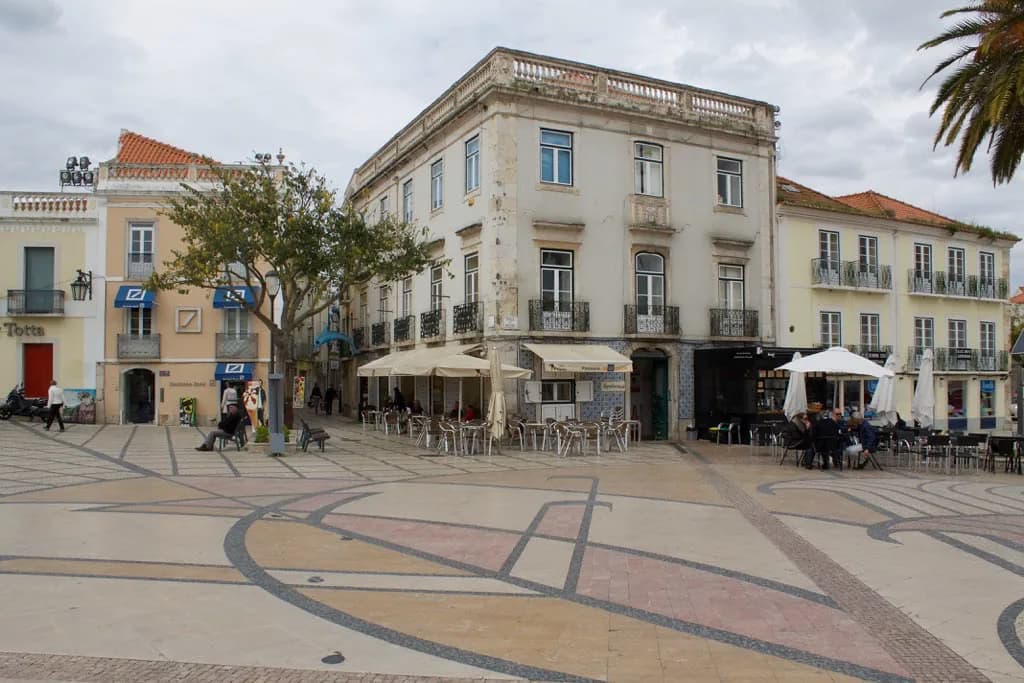
The shopping streets of the historic centre are cobbled, compact and hung with colourful decorations that local associations produce and renew every few weeks rather than for a single festival. That makes a repeat wander worthwhile: the centre you walk through in spring is not quite the one you see in autumn. Look up as well as into windows, because the decorations are strung above head height.
This is browsing territory rather than big-name retail. Expect small shops, pastelarias and stands that mix poetry with art and references to the poet Bocage and the singer Luísa Todi, both local figures. Give the streets an hour on foot and let them lead you towards the waterfront.
A useful route is to start near the market, work through the pedestrian lanes and finish at Avenida Luísa Todi along the river, where the centre opens out. The Setúbal old town page maps the same streets if you want a walking order.
Local Crafts and Souvenirs: Pasmadinhos and Ceramics
The souvenir that best captures Setúbal is the Pasmadinhos figure, made by the artist Maria Pó. They are bright ceramic representations of local traditions and important figures, including the monk of the Arrábida Convent, Bocage and Luísa Todi. The small originals can be bought from the shop or online, which makes them easy to carry home.
If you want something lighter than ceramic, look to cork, tinned fish and local foodstuffs in the centre's shops and market. These travel better in hand luggage than a fragile figure. Buy food gifts near the end of the day so they are not sitting in a warm bag while you walk.
Set a rough ceiling for souvenirs before you start and decide what you will actually carry. A single well-chosen Pasmadinhos figure is a better purchase than a bag of small items you will never display. Prices are not fixed in any published list, so compare in the shops themselves.
Azulejos, Murals and Public Art While You Browse
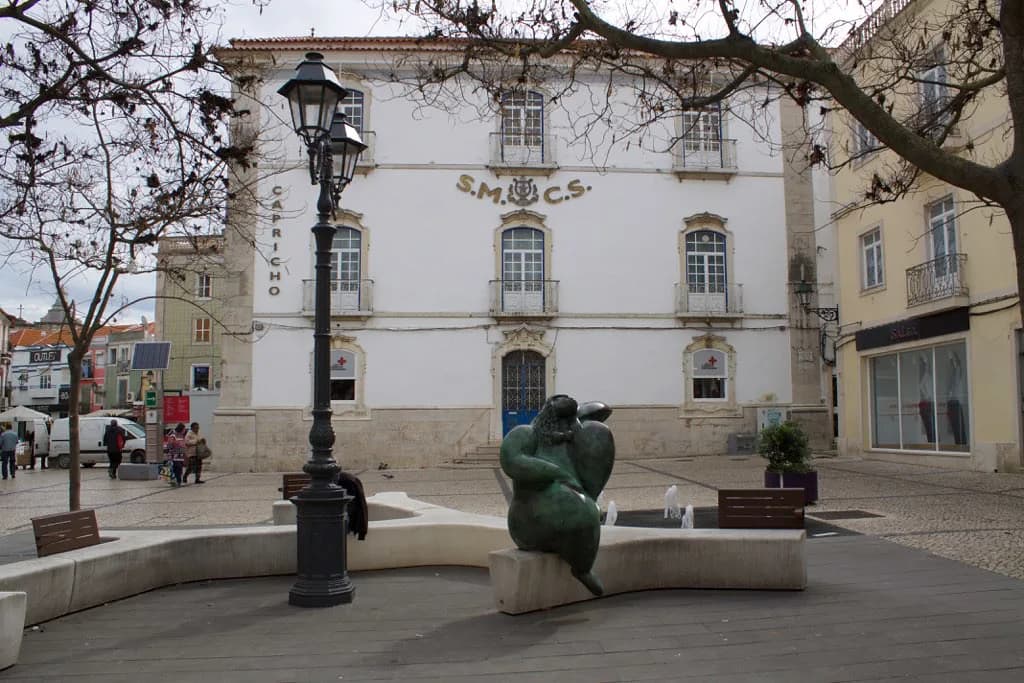
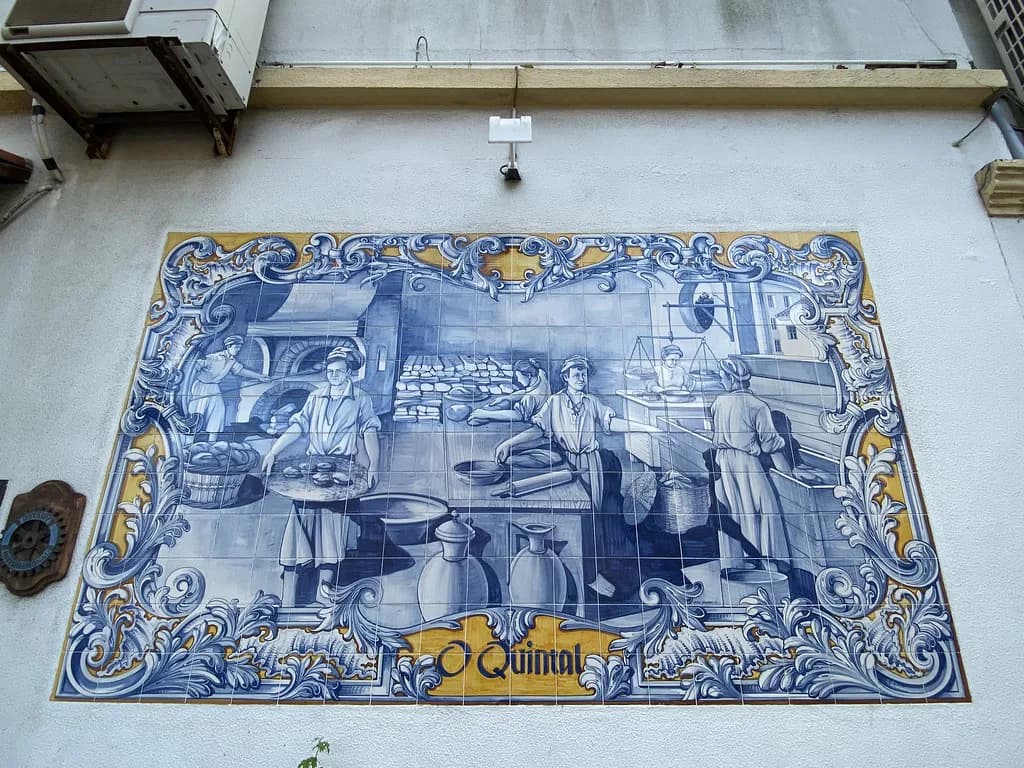
Public art is part of the shopping walk in Setúbal, and you do not need a ticket to see it. The centre has azulejo-style painting on an abandoned building, a mural of a boy selling birds on the side of the auditorium and sculptures of generously built ladies dotted around. Azulejo panels appear across the city, so the tiled façades are worth a second look as you pass.
At the fishing harbour you will spot a pod of colourful dolphin sculptures, a nod to the resident Sado dolphins. They make a natural end point for a browsing route and a good photo stop without spending anything. Carry the route on to the waterfront rather than turning back at the first square.
The Michel Giacometti Museum of Work, housed in a former sardine canning factory, is the historical counterpart to all this. Its lower floor explains the canning process and its upper floor holds a replica grocery store from the 1900s with period products. It is a museum stop rather than a shop, but it explains why tinned fish is such a natural gift to buy here.
Jardim do Bomfim: Giant Pasmadinhos for Free
Jardim do Bomfim is the free stop that ties the shopping together. The garden holds gigantic Pasmadinhos sculptures by Maria Pó, the same figures sold in miniature as ceramics, and they represent local traditions and important figures. Seeing the large versions first makes the small ones in the shop easier to choose between.
Use the garden as a pause between the market and the shops rather than a separate outing. It costs nothing, it is central, and it gives children something to look at while adults work out what to buy. From there, the lanes back towards the centre are short.
Praça do Bocage is the other obvious breathing space in the centre, named for the poet whose likeness recurs across the city. Both squares are easy to fold into a shopping walk without adding distance.
Food and Drink to Carry Home
Setúbal's wine region is the most packable edible souvenir, and the source material points to local wine as a natural thing to carry home. Tinned fish and conserves also travel well. If you are flying, remember that bottles belong in checked luggage and that liquids face cabin restrictions.
For self-catering, the market is the practical stop for fish and produce, and it pairs well with a short break based in an apartment. Buy what you will cook that evening rather than stockpiling, because a small fridge and a short stay limit what is sensible. The same morning trip covers both browsing and provisioning.
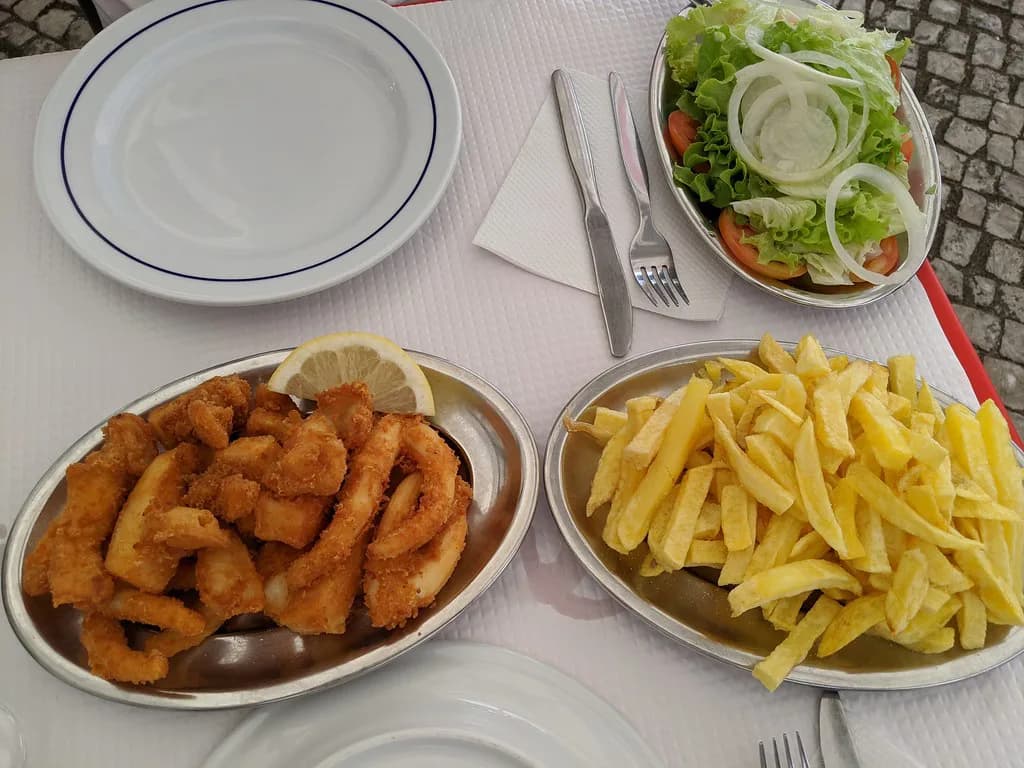
Restaurants in Setúbal lean on the catch and on local dishes, so a food-focused shopping morning followed by a long lunch makes a coherent day. Keep the buying to one bag so you are not carrying produce around the sights.
Rainy Days and Non-Food Shopping at Alegro Setúbal
Alegro Setúbal is the region's shopping centre, with shops, restaurants, a cinema, a gym and services, and it looks out over the Serra da Arrábida and the river Sado. That view is the reason to choose it over any other mall on a wet afternoon. Primark has recently arrived there, alongside the existing mix of brands.
The centre runs a quiet hour on Sundays between 10h and 11h for visitors with autism and neurodivergence, and it is dog friendly. It also hosts seasonal events and promotions, which change and are worth checking on its own site. General trading hours are set by the centre, so confirm them before making a special trip.
Treat the mall as the practical half of your shopping and the centre as the enjoyable half. It covers pharmacy stops, electronics and clothing that the old town does not. It is not a substitute for the market or the ceramics if you want something that says Setúbal.
Timing Your Shopping Day
Market mornings and afternoon browsing are not interchangeable. Produce and fish are best early, while the small shops and public art can fill the middle of the day and the late afternoon. Build the day around the market first, then let the centre fill in behind it.
Check opening days for individual shops and the market before you commit a morning, since small Portuguese businesses often keep their own rhythms. Two sentences of checking saves a wasted walk. If a shop matters to you, confirm its hours the day before.
Allow around half a day for shopping if you want the market, the lanes and the garden, and a full day if you add the museum and a long lunch. On a one-day visit, keep shopping to the morning and leave the afternoon for the castle or the waterfront.
Is Setúbal Worth a Shopping Stop?
Yes, if you want food, ceramics and a lived-in centre rather than chain retail. The market, the Pasmadinhos figures and the changing street decorations give a shopping morning a clear shape, and the garden and waterfront fill the gaps for free.
Keep Alegro Setúbal for rain, errands or a cinema evening, and spend your buying time in the centre. One morning there covers the market and the lanes comfortably; add a second only if you want the museum and a proper lunch. Confirm shop and market hours directly before you go.
Explore more Setúbal guides
Sources
Notes for your next Portuguese break
Optional updates to our town guides.
You might also like
Continue reading
More guides you'll find useful