Best Miradouros in Setúbal: Where to See the Best Views
Pick of the best miradouros in Setúbal, what each view shows, how to walk up from the Baixa and the trade-offs when your time in the city is short.
On this page
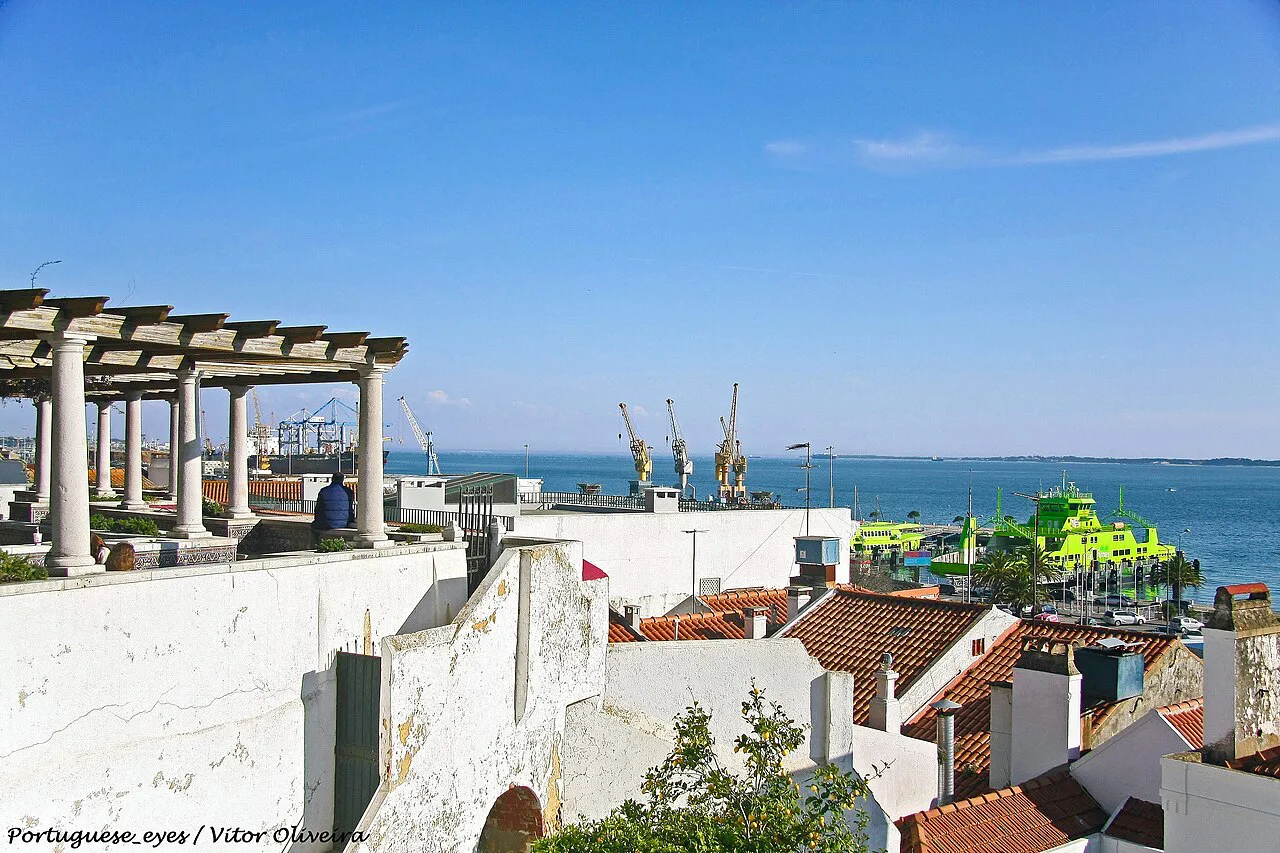
The best miradouro in Setúbal for a quick, easy view is the Miradouro de São Sebastião, a terrace above the city with a wide prospect over the Rio Sado. It is a short add-on rather than a headline sight, so give it a place in your day when the timetable has room. This guide sets out what you actually see from Setúbal's viewpoints, how long the climb from the Baixa takes and which spots suit a golden-hour stop.
Treat Setúbal's views as two distinct things. The first is the estuary: the Sado, the low land on the far bank and the Tróia peninsula beyond. The second is the Serra da Arrábida, the green ridge south of the city that frames the skyline from several streets. Keeping them apart stops you from expecting an Arrábida panorama from a town-centre terrace, and it helps you decide whether a viewpoint is worth the walk or just a pause between sights.
What you see from Setúbal's miradouros: the Sado estuary, the old town and the Serra da Arrábida beyond
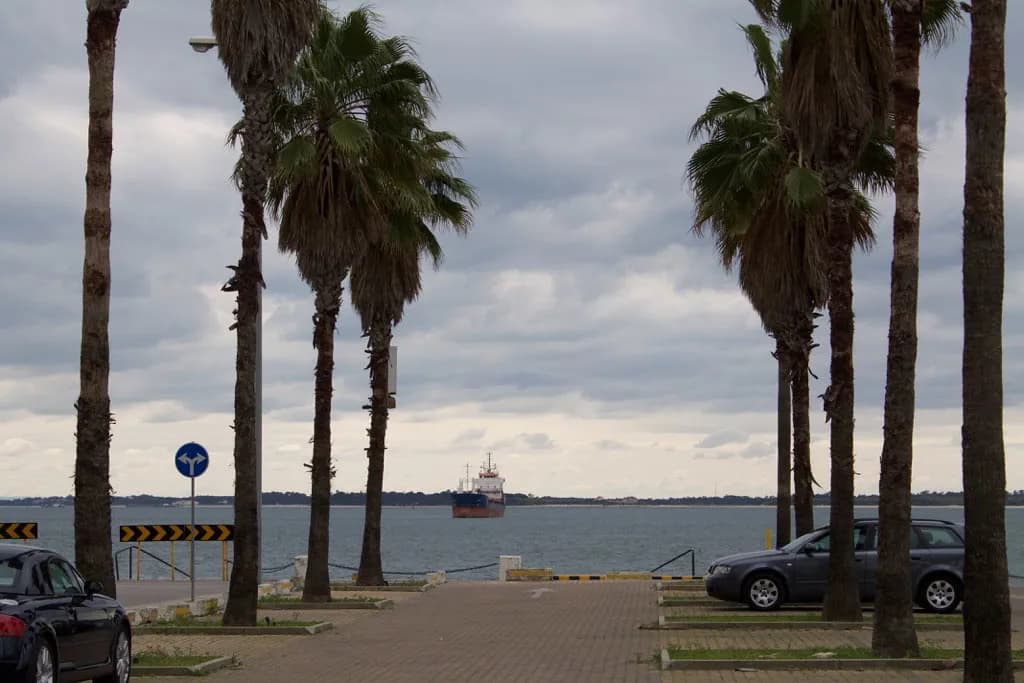
From the town's elevated spots the constant is water. The Sado opens out west of the city, with the far bank and the Tróia sandbar reading as a thin line on clear days. Visitors tend to single out the view of the Rio Sado, so come for the estuary and treat the city below as context.
The Serra da Arrábida sits to the south and is best appreciated from the riverside rather than from a town terrace, where rooftops get in the way. The Portinho da Arrábida beach, tucked below the ridge, was named Europe's best beach in a 2017 award, which tells you why the ridge draws the eye even from the city. If the Serra is the reason you came, plan a separate run out along the coast rather than hunting for a town viewpoint that shows it.
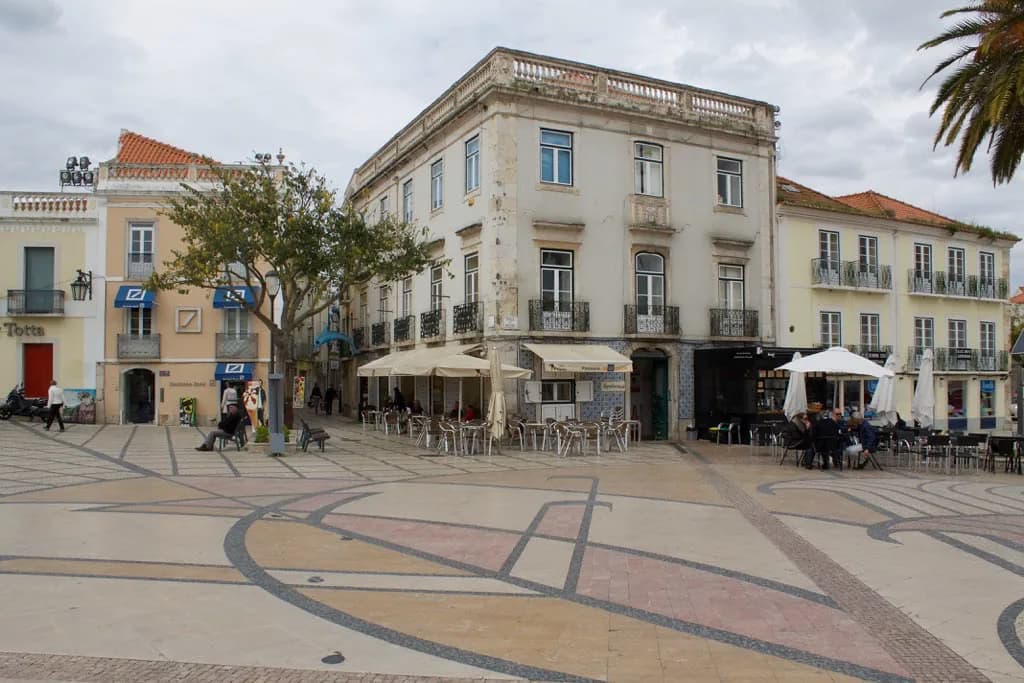
The old town gives you a different kind of view: narrow streets, azulejo-clad facades and small squares that open suddenly onto the river. That is the pleasure of wandering the centre rather than climbing to a single terrace, and it is why a slow loop through the streets pays off more than chasing one panorama.
Miradouro de São Sebastião: the view over the Sado and the honest trade-off
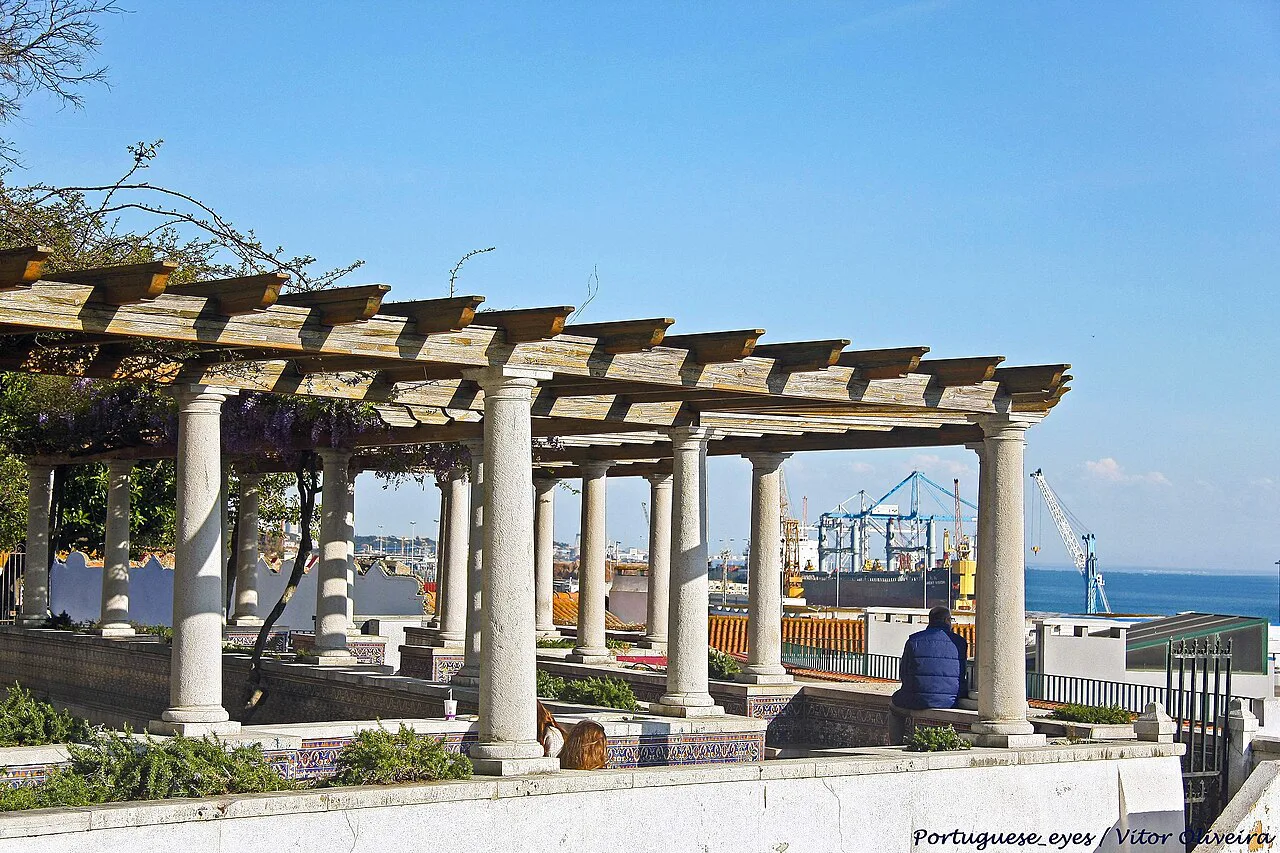
São Sebastião is the viewpoint most often named in Setúbal, and its appeal is straightforward: a broad view over the Rio Sado from a neighbourhood hill above the centre. The terrace sits in the São Sebastião district, close to the middle of town and within easy walking distance of the main sights.
The honest judgement is that it is good rather than spectacular, and it does not repay a special trip if your time in Setúbal is tight. The city has stronger draws elsewhere, so treat the miradouro as a bonus on a walk through the upper town rather than a destination in its own right. If you have a spare hour and the legs for a climb, it earns the detour; if you are squeezing Setúbal into a single day, skip it without regret.
Pair the climb with the rest of the upper town so the walk has a purpose. The route passes ordinary residential streets and small local shops, which is part of the appeal if you want to see how Setúbal lives away from the waterfront. Allow time to sit once you are up there; the point of a miradouro is the pause, not the photo.
How to walk up to São Sebastião from the Baixa and how long to allow
Start from the Baixa, the lower town around the riverfront and the pedestrian shopping streets. From there the climb to São Sebastião is a steady ten to fifteen minutes on foot at an easy pace, depending on where in the centre you begin. Wear shoes you can walk in: the pavements are often calçada, the Portuguese stone cobble, which is uneven and slick when wet.
The walk is short enough to fold into a morning or late afternoon without rearranging your day. Go up, take in the river, and come back down by a different street so you see more of the neighbourhood. If anyone in your group finds hills difficult, this is the viewpoint to drop rather than the riverside, which is flat.
Other viewpoints and riverside spots worth working into a short break
The Avenida Luísa Todi is the city's grand riverside promenade, and it delivers the Sado view without any climb at all. Walk it end to end for the estuary, the boats and the sense of a working port city, then use it as the spine of your day. It is the natural place to start a loop that takes in the centre and the market.
The Forte de Albarquel, on the coast west of the centre, is one of the spots locals pick for the end of the day, and it combines a bit of history with an open view over the water. The city also has a handful of terraces and esplanades that work as sunset stops, including one described as a secret grotto. These are evening places rather than sightseeing stops, so slot them in after the museums close.
For a view with more height and more history, head for the Setúbal castle area above the town, where the walls give you the estuary from a different angle. The climb is longer than São Sebastião's, so make it a deliberate outing rather than an afterthought. Combine it with the churches and small museums on the way up and down.
Watching the sunset: which spots suit a golden-hour stop and which fill up
Setúbal faces the Sado and the west, which is why the waterfront and the western fort are the natural sunset picks: the light drops over the estuary rather than behind a hill. Locals spread across miradouros, riverside esplanades and the Forte de Albarquel for the end of the day, so expect company at the popular riverside spots in fine weather.
If you want quiet, choose the upper town over the promenade. São Sebastião is a neighbourhood terrace rather than a bar strip, so it stays calmer than the waterfront even at golden hour. Bring your own drink if you want one, since the viewpoint is not a venue.
Sunset times shift a lot across the year, and none are fixed here; check a sunset table for your dates and arrive twenty minutes early to get settled. In summer the light lingers and the promenade stays busy well into the evening, which suits a slow walk back into town. In winter the window is short, so pick one spot and stay put.
Fitting viewpoints into one day in Setúbal alongside the old town and the market
A workable one-day shape starts on the Avenida Luísa Todi, cuts inland through the old town and the Praça do Bocage, and takes in the Mercado do Livramento before lunch. The market is the best single stop for a sense of the region's produce, and it puts you in the middle of the Baixa with the rest of the day ahead of you.
After lunch, climb to São Sebastião for the river view if your legs and timetable allow, then drop back down for a Setúbal museum or a church interior in the late afternoon. The city's sights are compact enough that the walking is the day, with viewpoints as punctuation rather than separate excursions. Bookend it with the waterfront at sunset.
If you have a second day, give it to the water rather than more terraces: a Setúbal boat tour out to the Sado sandbar or a Setúbal dolphins trip uses the estuary you have been looking at from above. Both are better value than a second hilltop, and they show you the river from the right side.
Is the São Sebastião viewpoint worth the climb?
Yes, if you are in Setúbal for a full day or more and can spare a short walk each way. No, if you are passing through on a tight schedule, in which case the Avenida Luísa Todi gives you a flat riverside view of the Sado without a hill. The viewpoint is a pleasant extra rather than the reason to come.
Build your day around the old town, the market and the waterfront first, then add São Sebastião if the pace allows. For more ideas on filling the hours, see the full guide to Things to Do in Setúbal and the self-guided route through Setúbal Old Town.
Frequently Asked Questions
How long does it take to walk up to the Miradouro de São Sebastião?
From the Baixa it is a steady uphill walk of roughly ten to fifteen minutes at an easy pace, depending on your starting point. Allow the same coming down, plus time to sit at the top and enjoy the river view.
Are Setúbal's viewpoints free?
Town terraces and the riverside promenade are public streets and squares, so there is nothing to pay to stand and look. Where a viewpoint sits inside a ticketed monument, expect an entry charge and confirm it with the site before you go.
Sources
Notes for your next Portuguese break
Optional updates to our town guides.
You might also like
Continue reading
More guides you'll find useful