Setúbal Walking Tour: A Self-Guided Route Through the Old Town
Plan a Setúbal walking tour on foot: a self-guided route through the old town, how long to allow, what to see at each stop and how to pace a day.
On this page
A Setúbal walking tour takes about half a day on foot if you keep to the old town, and a full day only if you add the riverside and a museum or two. The route below runs as a single loop: Praça do Bocage, the Igreja de Jesus, the Livramento market, then down to the Sado estuary and back. It is written as planning guidance rather than a measured trail, so treat the timings as a way to structure the day.
Setúbal packs its historic core into a compact grid of pedestrian streets, which is why walking is the sensible way to see it. The town's draws are close together: a Manueline church, a working market, a poet's square and a waterfront looking across to the Tróia peninsula. Use this route as the spine, then pick from the wider list of things to do in Setúbal to fill the edges of the day.
Setúbal on foot: what a walking tour covers and how long to allow
Allow three to four hours for the old-town loop at an unhurried pace, plus whatever you add for markets, churches and coffee. The core is short: from the central square to the church, the market and the river is a walk you can do without transport at any point. Add an hour if you want to sit down for lunch.
The terrain is the trade-off. Setúbal's centre is broadly flat and easy on foot, but the streets climbing towards the castle and the São Filipe side are steep, and that climb eats time and energy. Decide early whether you are doing a flat old-town walk or a hill walk, because trying to do both halves well in one afternoon rarely works.
Setúbal sits south of Lisbon on the Sado estuary, and its layout reflects that: the old town backs onto the river, with the port and the market close to the water. Walking the centre in one direction and the waterfront in the other keeps you from doubling back. Arrange the day so the market comes before the riverside, since the market is inland of the quays.
For a guided introduction, local free tours are listed covering the historic streets, with the Igreja de Jesus and Praça do Bocage among the landmarks, and listings in English among other languages. That is a reasonable first morning if you want orientation before walking the rest yourself.
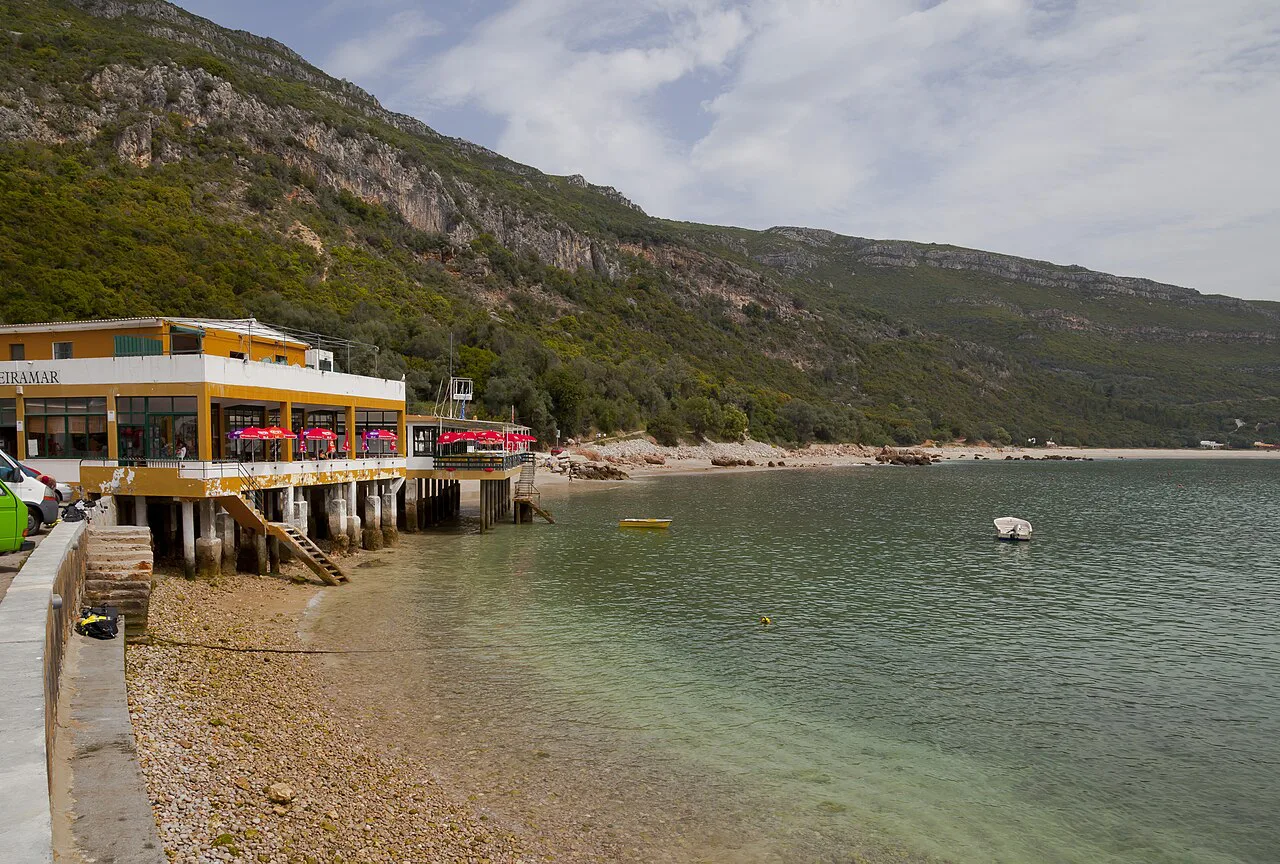
Start at Praça do Bocage and orient yourself in the old town
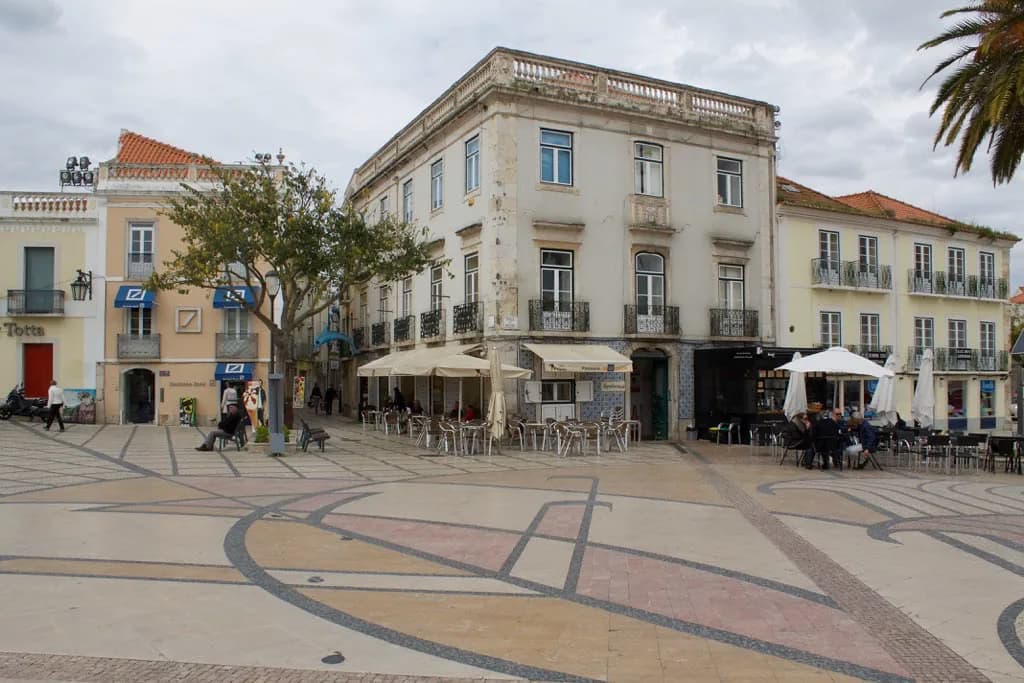
Begin at Praça do Bocage, the central square named after the Portuguese poet, and use it as your compass for the day. The old town's streets fan out towards the river on one side and the castle hill on the other, so a quick look at a map before you set off saves retracing steps.
Give yourself fifteen minutes here to read the layout rather than rush through. Note where the pedestrian streets run, find the direction of the river, and pick your coffee stop before the walk properly begins. Setúbal's centre rewards a slow first pass, and the square is the easiest place to establish bearings.
If you would rather follow a mapped route than improvise, Walkbox publishes a Setúbal Essentials self-guided walk of 5 km classed as easy, covering the cultural highlights of the bay city at a gentle pace. That gives you a published framework if you want one, though the loop below is shorter and stays closer to the centre.
Igreja de Jesus: the Manueline church that anchors the walk
The Igreja de Jesus is the architectural highlight of the walk and the reason many people come to Setúbal at all. It is a Manueline masterpiece, and the free-tour listings name it among the landmarks they cover, a fair signal of its standing in the town. Build the morning around it rather than treating it as a passing stop.
Treat the church as a fixed anchor and let the rest of the route flex around it. Confirm the day's visiting arrangements when you arrive in town, since church access can vary, and plan a fallback nearby in case the doors are shut when you reach them. The square and the streets around it are worth the time regardless.
This stop is also the point to decide whether you are adding a Setúbal museum to the day. Setúbal's museums sit close enough to the church that one can slot in without derailing the route, but each one costs you roughly an hour. Choose one at most if you still want the market and the river in the same afternoon.
Mercado de Livramento: the market stop for seafood, cheese and regional wines
The Mercado de Livramento is the walk's liveliest stop, with stalls selling fresh seafood, local cheeses and regional wines. It features among the landmarks on the free-tour listings, and it is the single best place in the centre to see what the Sado estuary produces. Come here hungry rather than merely curious.
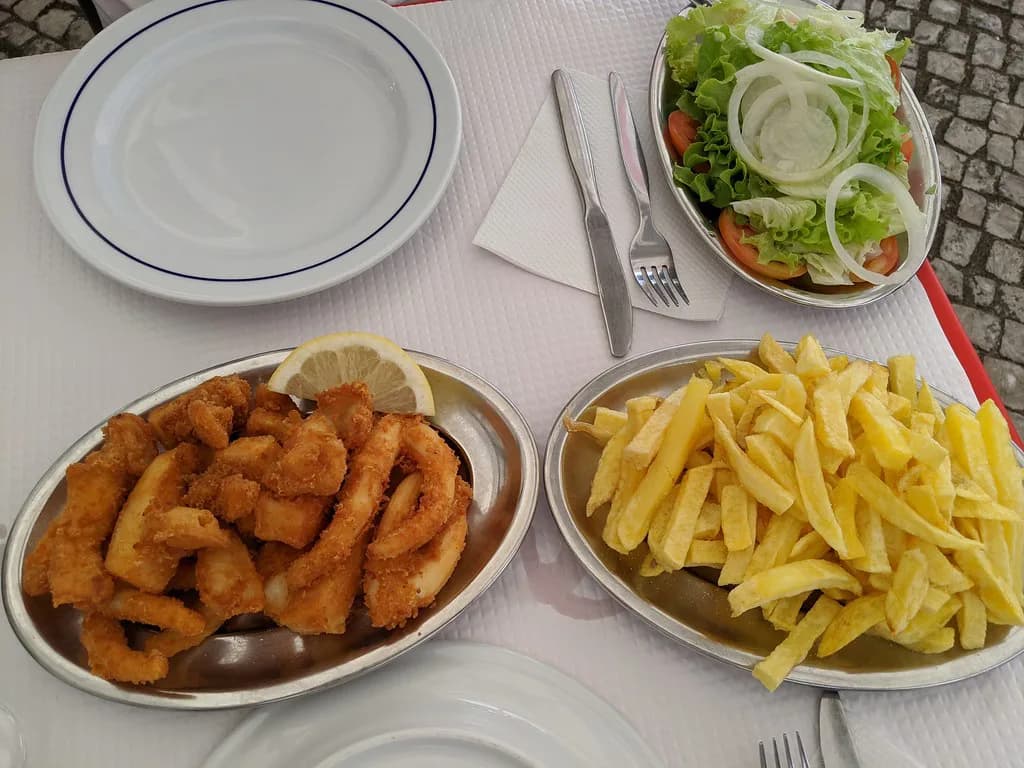
Plan the market as your lunch anchor: browse the stalls, then eat nearby rather than carrying on to the river first. Fish is the thing to order in Setúbal, and the market tells you what is in season before you sit down. Give the market half an hour minimum, more if you want to buy anything to take away.
The trade-off at this point in the day is time versus depth. The market is close to the old town, so a quick browse costs you little; a proper wander with tastings and shopping will push the riverside into the afternoon. Decide before you go in whether the market is a fifteen-minute stop or the main event of the middle of the day.
Down to the riverside and the Sado estuary
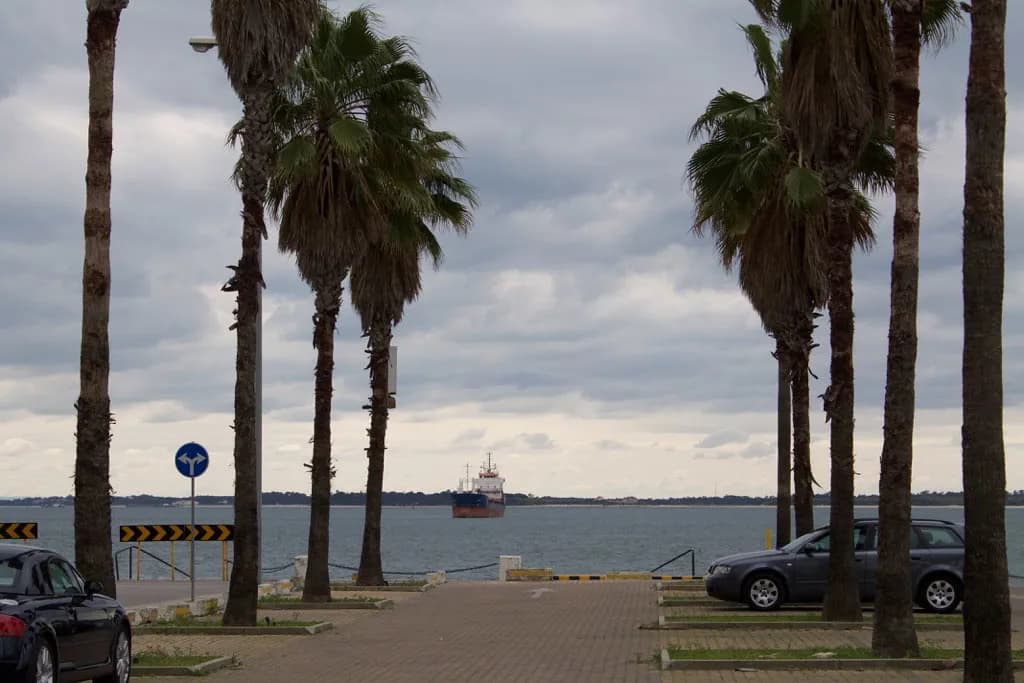
From the market, walk downhill towards the Sado estuary and let the route open out. The waterfront is where Setúbal's maritime history is easiest to read: the port, the fishing trade and the views across to the Tróia peninsula all sit in one sweep. This is the natural halfway pause of the walk.
Avenida Luísa Todi is the broad waterfront avenue where the town comes out in the evening, and it makes a sensible end point before you turn back into the centre. Use it to reset: find a bench, look across the water, and decide what is left of the day.
The estuary is more than scenery: boat trips run on the Sado in search of the resident dolphins, a short excursion that pairs naturally with a morning on foot. If the dolphins are the reason for your visit, book the boat around the walk rather than the other way round, since sailing times will govern your day.
Where to add a guided walk or self-guided game instead of planning your own route
If you would rather not plan a route at all, Setúbal has a self-guided exploration game built around a miner's story, with puzzles across 15 locations in the historic centre and starts throughout the day. It is a playful alternative to a conventional walk and suits people who like a structure with a puzzle attached.
Guided options in town are thinner on the ground than in Lisbon, and the listings are dominated by day trips out to Arrábida and Sesimbra rather than walks within Setúbal itself. Check what is actually running on your dates before you build a day around a specific tour.
A full-day wine tour from Lisbon to Arrábida and Sesimbra is offered as an eight-hour outing. It is useful if you are based in Lisbon and treating Setúbal as a day out, less so if you are already staying here. Check where it departs from before booking.
Pacing a one-day visit: what fits and what to leave for a second trip
In one day on foot you can comfortably cover Praça do Bocage, the Igreja de Jesus, the Livramento market and the riverside, with lunch in the middle. That is a satisfying, complete-feeling day and it needs no transport at all.
What does not fit is the castle hill and the Arrábida coast in the same day as the old town. Setúbal castle sits above the town and rewards a separate half-day, and the beaches and viewpoints of Arrábida need their own outing. Trying to squeeze both into a walking day leaves you rushing the parts that make Setúbal worth visiting.
If you have a second day, give it to the castle and the São Filipe side of town, where the views over the estuary justify the climb. Keep the old-town walk for the day you arrive, when your legs are freshest and the market is still the novelty. This order also means you can abandon the hill if the weather turns without losing the heart of the trip.
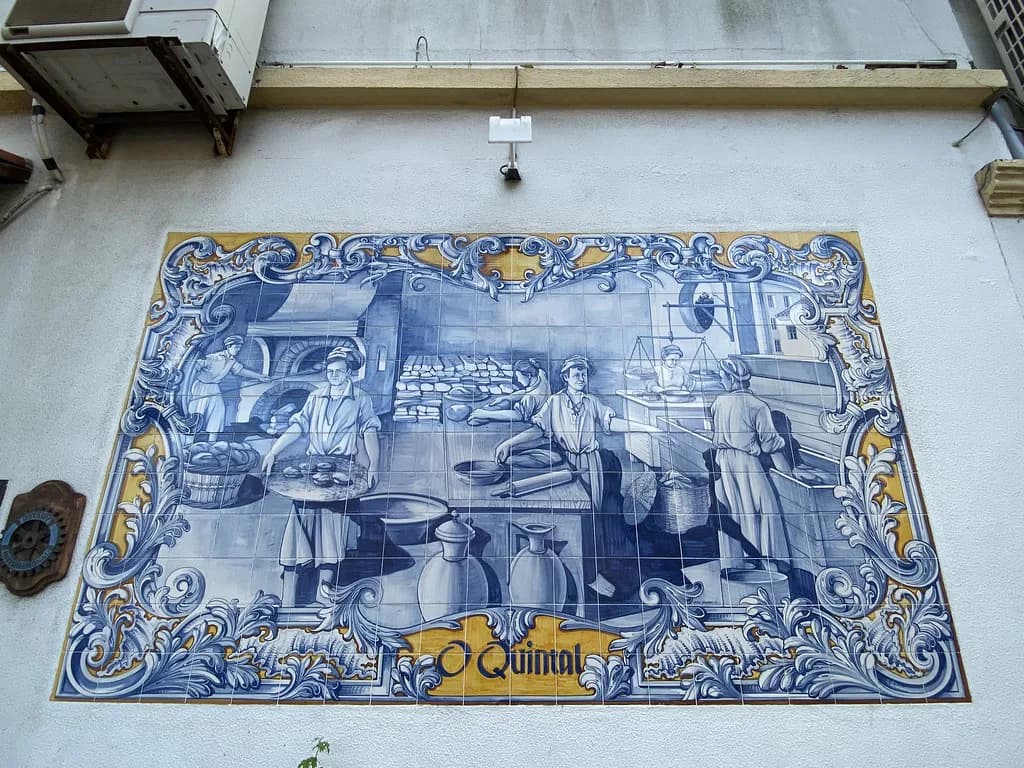
One more optional thread for a slow afternoon: Setúbal's azulejos, the tiled façades and church interiors that give Portuguese towns their colour. They are scattered along the same streets as the main walk, so treat them as a loose theme rather than a detour. If the tiles are the point of the trip, set aside proper time for them.
Neighbouring Arrábida and Tróia: what a short detour adds
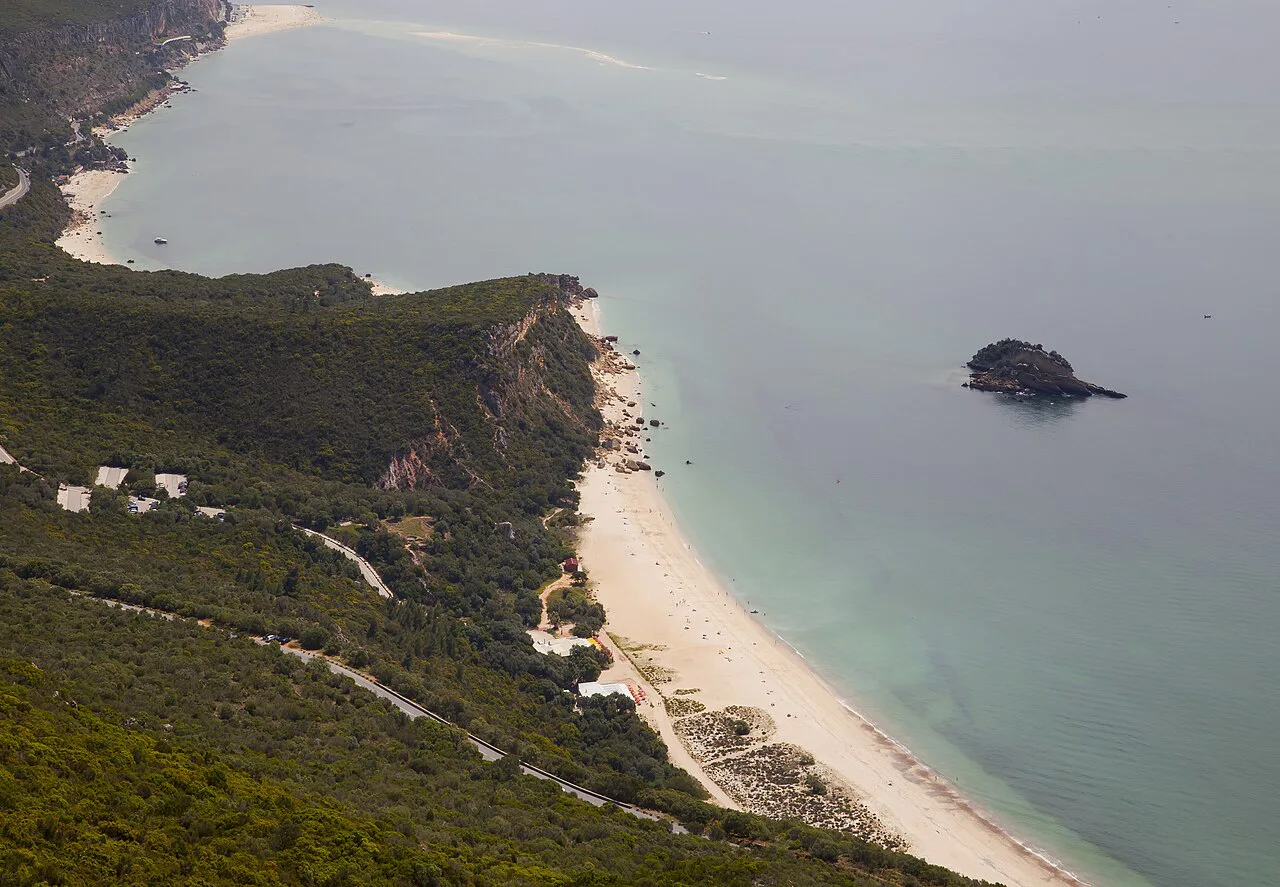
Arrábida Natural Park and the Tróia peninsula are the natural extensions to a Setúbal walking day, and both are a short drive or ferry ride from the centre. The free tour route description points to a boat ride along the Sado to spot dolphins and to the dunes and Roman ruins of Tróia, which tells you roughly what a detour buys you. Neither belongs inside the walking tour itself.
The trade-off is straightforward: an Arrábida detour trades old-town time for coast and hills. If your trip is one day only, keep the walk in town and leave Arrábida for a trip where you have a car or a booked excursion. If you have two or three days, the coast is the obvious second act.
Serra da Arrábida has its own walking routes, but those are hikes rather than city strolls and need different kit and more time. Keep them separate from the old-town walk in your planning so neither gets short-changed.
Old town on foot or out to Arrábida?
Walk the old town on foot and keep Arrábida for a separate outing unless you have three days or more. The Praça do Bocage to Livramento market to riverside loop is the version of Setúbal that repays slow walking, and it fits comfortably inside a single day.
If you are still weighing whether the town justifies the trip at all, work through what Setúbal does well and who it suits before booking. It is a working port with a genuine centre rather than a polished resort, and that is the honest case for going.
Explore more Setúbal guides
Frequently Asked Questions
How long does a Setúbal walking tour take?
Allow three to four hours for the old-town loop at an easy pace, longer if you sit down for lunch or add a museum. Walkbox publishes a separate Setúbal Essentials self-guided walk of 5 km classed as easy.
Do you need a guide to walk Setúbal's old town?
No. The centre is compact enough to follow on foot without help, and a self-guided game is listed if you want structure. Free tours are also listed in English and other languages, so a guide is an optional extra rather than a necessity.
Sources
Notes for your next Portuguese break
Optional updates to our town guides.
You might also like
Continue reading
More guides you'll find useful